
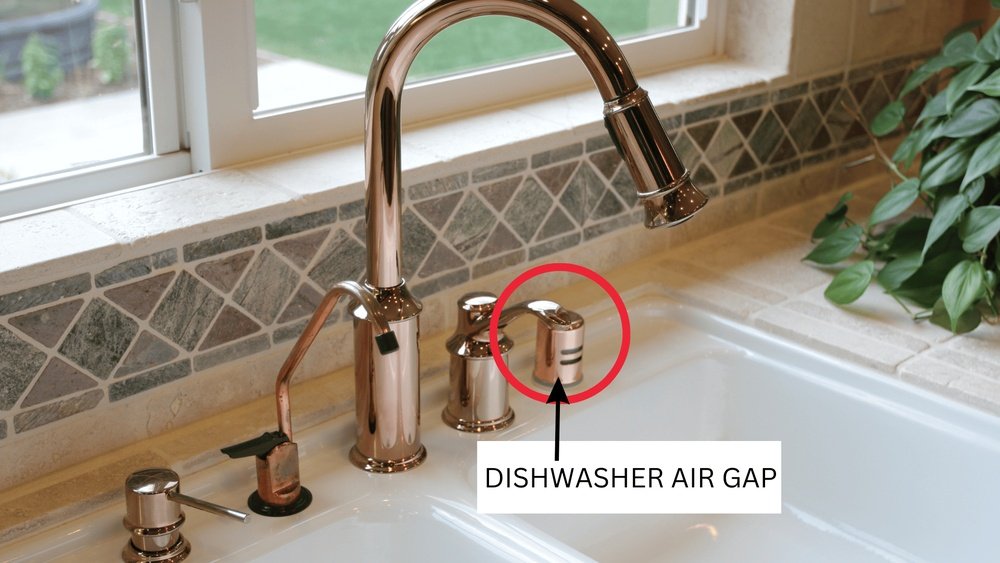
If you’ve ever looked under your kitchen sink, you may have noticed a small, odd cylinder sticking up next to the faucet. That’s the dishwasher air gap. While it’s an important part of your plumbing, many homeowners wish it wasn’t so obvious. If you want a kitchen that looks clean and modern, knowing how to hide a dishwasher air gap can make a big difference. This guide will show you all the best ways to conceal an air gap, explain why it’s there, and help you avoid common mistakes.
What Is A Dishwasher Air Gap?
Before you start any project, it’s smart to understand what you’re working with. The dishwasher air gap is a small device that keeps dirty sink water from flowing back into your dishwasher. It’s usually a metal or plastic piece mounted above the sink or countertop.
If water from the sink backs up into the dishwasher, it can make your dishes dirty and even cause health risks. That’s why building codes in many areas require an air gap.
How An Air Gap Works
Inside the air gap, there are two hoses:
- One comes from the dishwasher and sends dirty water to the air gap.
- The other goes from the air gap to the sink drain or garbage disposal.
If the sink drain clogs, water will come out of the air gap instead of going back into your dishwasher. This simple system keeps your dishes safe.
Why You Can’t Just Remove It
Some people think about removing the air gap because they don’t like how it looks. This is a mistake. In many places, it’s illegal to remove the air gap. More importantly, you could have big plumbing problems if you take it out.
Instead, it’s better to learn how to hide the air gap.
Main Reasons To Hide A Dishwasher Air Gap
You might wonder, “Why should I go through the trouble of hiding this little part?” Here are the most common reasons:
- Aesthetics: The air gap can look out of place, especially with modern sinks and countertops.
- Kitchen Remodels: If you’re updating your kitchen, you’ll want every detail to look clean and stylish.
- Easier Cleaning: Some air gaps collect grime on top. A hidden or covered gap is easier to keep spotless.
- Safety: A low-profile air gap can prevent kids or pets from playing with it.
- Resale Value: Homes with a seamless kitchen design often appeal more to buyers.
The Most Popular Methods To Hide A Dishwasher Air Gap
There’s no “one size fits all” solution. The best way to hide your air gap depends on your sink, countertop, and style. Below are several proven methods, from simple covers to more advanced solutions.
1. Use A Decorative Air Gap Cover
One of the fastest ways to hide an air gap is to use a decorative cover. Many covers are available in different metals and colors, so you can match your faucet or sink.
- Materials: Stainless steel, brushed nickel, oil-rubbed bronze, matte black, and more.
- Shapes: Some covers are round, others are square or low-profile.
- Installation: Just remove the old cap and press on the new one. No tools are required for most models.
Decorative covers won’t make the air gap disappear, but they blend in better with your hardware. Some even look like faucet handles, so guests might not notice them at all.
Example: Matching Your Faucet
If you have a brushed nickel faucet, choose a brushed nickel air gap cover. The eye will see a matched set, not a random cylinder.
Pro Tip
Choose a cover with a removable top. This makes it easier to clean out any debris or check for blockages.
2. Install A Low-profile Air Gap
Standard air gaps can be tall and obvious. A low-profile air gap sits much closer to the counter, making it less noticeable.
- Height: Some models are less than one inch tall.
- Visibility: They’re often hidden behind the faucet or soap dispenser.
How To Upgrade
- Turn off the water and power to your dishwasher.
- Remove the old air gap by loosening the nut under the sink.
- Place the new low-profile air gap in the hole.
- Tighten the nut and connect the hoses.
Hidden Insight
Low-profile air gaps can sometimes fit under a soap dispenser or other accessory, making them even harder to spot.
3. Relocate The Air Gap To A Discreet Spot
If your air gap is in a very visible place, you may be able to move it. Local codes usually say the air gap must be above the sink rim, but sometimes you can put it behind the faucet or at the far edge of the counter.
Considerations
- Check local codes before moving the air gap. Some areas are strict about location.
- Length of hoses: Make sure the hoses will reach the new spot without kinking.
Example
Many homeowners move the air gap behind the kitchen faucet. It’s still legal, but it’s harder to see unless you look closely.
4. Combine With A Soap Dispenser Or Other Accessory
Some manufacturers make combo units: a soap dispenser and air gap in one. These look like a normal soap dispenser but have the air gap inside.
- Space-saving: You only need one hole in your countertop.
- Cleaner look: The kitchen looks less cluttered.
Steps To Install
- Remove the air gap and any old soap dispenser.
- Install the combo unit in the existing hole.
- Attach the dishwasher and drain hoses to the bottom.
- Fill the soap dispenser as usual.
Real-world Example
A popular product is the Delta Air Gap Soap Dispenser. It looks just like a regular soap pump but hides the air gap inside.
5. Match The Air Gap To Countertop Material
Some high-end kitchens use an air gap cover made from the same material as the countertop. For example, if you have a granite counter, you can order a custom granite air gap cover.
- Luxury feel: The air gap almost disappears into the countertop.
- Custom fit: These are usually made to order.
Downside
Custom covers are more expensive and take time to make. But if you’re doing a major kitchen remodel, the result can be impressive.
6. Hide With Plants Or Small Decor
If you don’t want to change the air gap itself, you can use kitchen decor to hide it. Place a small potted plant, a decorative bottle, or another item in front of the air gap.
- Cost: Very low—just move something you already own.
- Flexibility: Change the decor for holidays or seasons.
Warning
Don’t use anything that blocks the airflow. The air gap must stay open to work properly. Choose decor that sits in front, not on top.
7. Use A Pop-up Or Retractable Air Gap
In some modern kitchens, you can install a pop-up air gap. This type stays hidden until needed. When you run your dishwasher, you pull up the air gap; when done, you push it down.
- Flush look: It sits almost flat when not in use.
- High-tech appeal: Great for ultra-modern kitchens.
Installation Tips
Pop-up air gaps are not standard in the US, and you might have to order from Europe or Asia. Make sure it meets local plumbing codes before buying.
8. Integrate Into The Backsplash
If you’re designing a new kitchen, you can sometimes build the air gap into the backsplash. A small opening in the backsplash, with a matching cover, keeps it off the countertop.
- Seamless look: No visible air gap on the counter.
- Custom work: Usually requires a contractor.
Limitation
This method only works in certain kitchen layouts. You’ll also need to make sure the air gap still vents properly.
9. Choose A Designer Air Gap
Some brands make designer air gaps that are meant to be seen. These feature cool shapes, colors, or even LED lights.
- Statement piece: If you can’t hide it, make it a feature!
- Personal style: Match your kitchen’s mood.
Example
A glass or crystal air gap can catch the light and look like a piece of art, not a plumbing part.
10. Hide With A Custom-made Sleeve
A custom sleeve can be made from wood, acrylic, or metal. It slides over the air gap and matches your cabinets or fixtures.
- DIY-friendly: If you like crafts, you can make your own.
- Removable: Easy to clean or replace.
Precaution
Leave enough space for air to flow through the sleeve. Drill side holes or use a mesh design.
Key Steps To Hiding A Dishwasher Air Gap
No matter which method you pick, the process usually involves a few basic steps. Here’s a general guide to help you plan your project.
Step 1: Check Local Plumbing Codes
Before you change anything, check your city’s plumbing rules. In some places, you must have a visible air gap. In others, you can use a “high loop” or other device. Search your city’s website or call the building department.
Step 2: Choose Your Method
Pick a method that fits your kitchen, your budget, and your skills. Some options, like covers and sleeves, are easy DIY projects. Others, like moving the air gap, may need a plumber.
Step 3: Gather Tools And Materials
- Decorative cover or accessory
- Screwdriver or wrench (for some installs)
- Dishwasher-safe cleaner
- Measuring tape
- Replacement hoses (if relocating)
Step 4: Turn Off Power And Water
Always turn off the dishwasher and water supply before working. This prevents leaks and keeps you safe.
Step 5: Remove The Old Air Gap (if Needed)
If you’re upgrading or moving the air gap, loosen the nut under the counter. Carefully disconnect the hoses. Keep a towel handy for drips.
Step 6: Install The New Solution
- For covers: Snap or screw on the new cover.
- For low-profile or combo units: Slide the unit into place, tighten the nut, and reconnect the hoses.
- For sleeves or decor: Place the item over or in front of the air gap.
Step 7: Test For Leaks
Run the dishwasher and check for any leaks or water coming out of the air gap. The system should drain smoothly, and the air gap should vent air as designed.
Step 8: Keep It Clean
No matter how you hide the air gap, check it every few months. Remove covers or sleeves and clean out any debris.
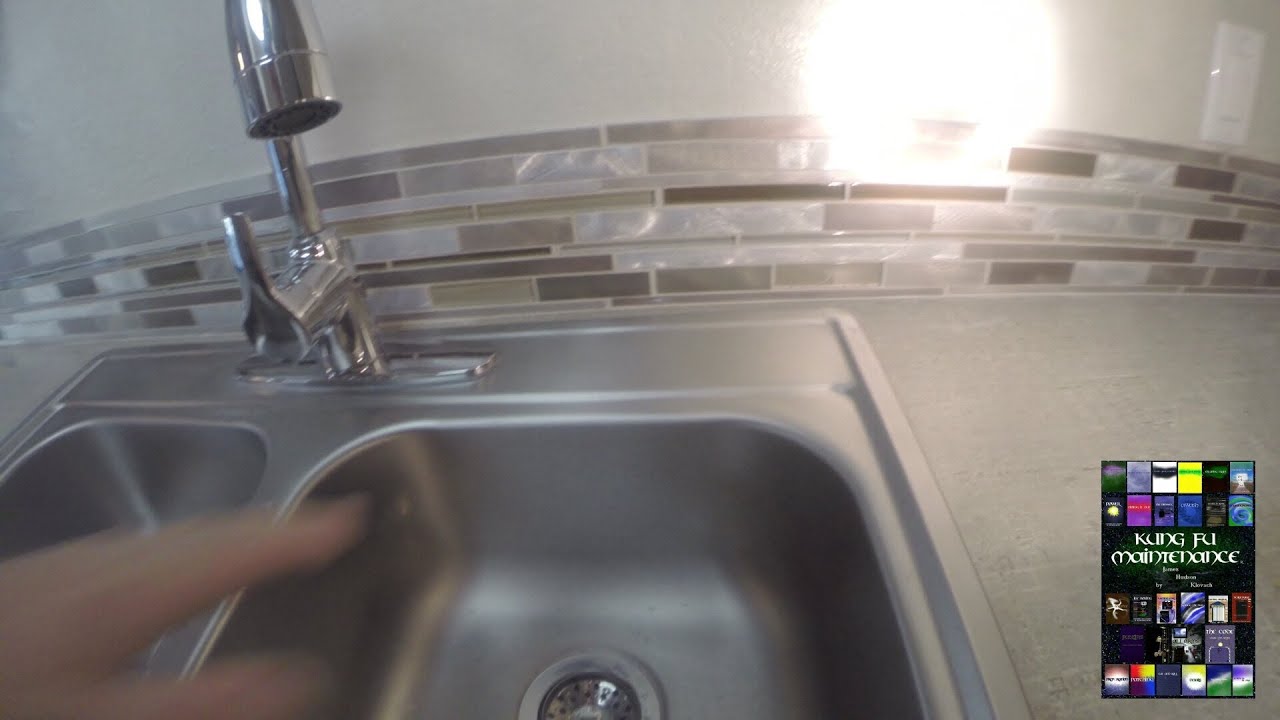
Credit: www.youtube.com
Comparing The Most Popular Air Gap Hiding Methods
Below is a quick comparison of the main methods, to help you choose the right one for your kitchen.
| Method | Difficulty | Cost | Visual Impact | DIY Friendly |
|---|---|---|---|---|
| Decorative Cover | Easy | Low ($10-40) | Good | Yes |
| Low-Profile Air Gap | Medium | Medium ($30-100) | Very Good | Yes |
| Relocate Air Gap | Hard | High ($100+) | Excellent | No (Plumber needed) |
| Combo Accessory | Medium | Medium ($50-120) | Excellent | Yes |
| Custom Countertop Cover | Hard | Very High ($200+) | Excellent | No |
Mistakes To Avoid When Hiding A Dishwasher Air Gap
It’s easy to focus on looks and forget about function. Here are some common mistakes and how to avoid them:
Blocking The Airflow
Never cover the air gap so tightly that air can’t escape. If water can’t vent, it may back up into your dishwasher.
Using Non-approved Products
Only use air gap covers or accessories made for dishwashers. Other items may melt, crack, or block airflow.
Ignoring Local Codes
If you make changes that violate local codes, you could have trouble with insurance or when selling your home. Always follow the rules.
Neglecting Maintenance
A hidden air gap can collect debris. Make a habit of cleaning it every few months, especially if you notice slow draining or smells.
Overlooking Dishwasher Warranty
Some dishwasher warranties require a proper air gap. If you remove or block it, you might lose coverage.
Pros And Cons Of Different Hiding Methods
To help you decide, see the following table comparing the advantages and disadvantages.
| Method | Pros | Cons |
|---|---|---|
| Decorative Cover | Inexpensive, easy to install, matches hardware | Doesn’t fully hide air gap |
| Low-Profile Air Gap | Less noticeable, easy to clean | More costly than a cover, may require new hoses |
| Relocate Air Gap | Best for new kitchens, can be almost invisible | Needs plumbing skill, not always allowed |
| Combo Accessory | Saves space, very discreet | Limited styles, higher price |
| Custom Countertop Cover | Blends perfectly, luxury look | Expensive, long wait for custom work |
| Plants/Decor | Very cheap, easy to change | Risk of blocking airflow, must clean often |
Real-life Examples Of Hidden Air Gaps
Seeing is believing. Here are some real-world ways homeowners have hidden their air gaps:
- Brushed steel cover: A homeowner with a stainless sink used a matching cover so the air gap “disappears.”
- Granite sleeve: In a luxury kitchen, a stoneworker made a granite cover that matched the counter so well, guests didn’t notice the air gap.
- Soap dispenser combo: In a small apartment, the air gap and soap pump share one hole, leaving more space for other items.
- Low-profile behind faucet: In a modern remodel, the air gap was moved directly behind the faucet, making it nearly invisible unless you look from the side.
Two Insights Most Homeowners Miss
- Air gaps can leak if not cleaned: Many people think air gaps are “set and forget.” In reality, food and grease can block the vent, causing water to spray out. Regular cleaning prevents this.
- Some air gaps are compatible with multiple cover types: You don’t always need to buy a new air gap. Many standard units can fit both decorative and low-profile covers if you change the cap.
When To Call A Professional
Most air gap covers and sleeves are simple DIY projects. But you should call a plumber if:
- You want to move the air gap location.
- You’re not comfortable disconnecting hoses.
- You have a stone or custom countertop.
- The air gap leaks even after cleaning.
A professional can make sure everything is up to code and works perfectly.
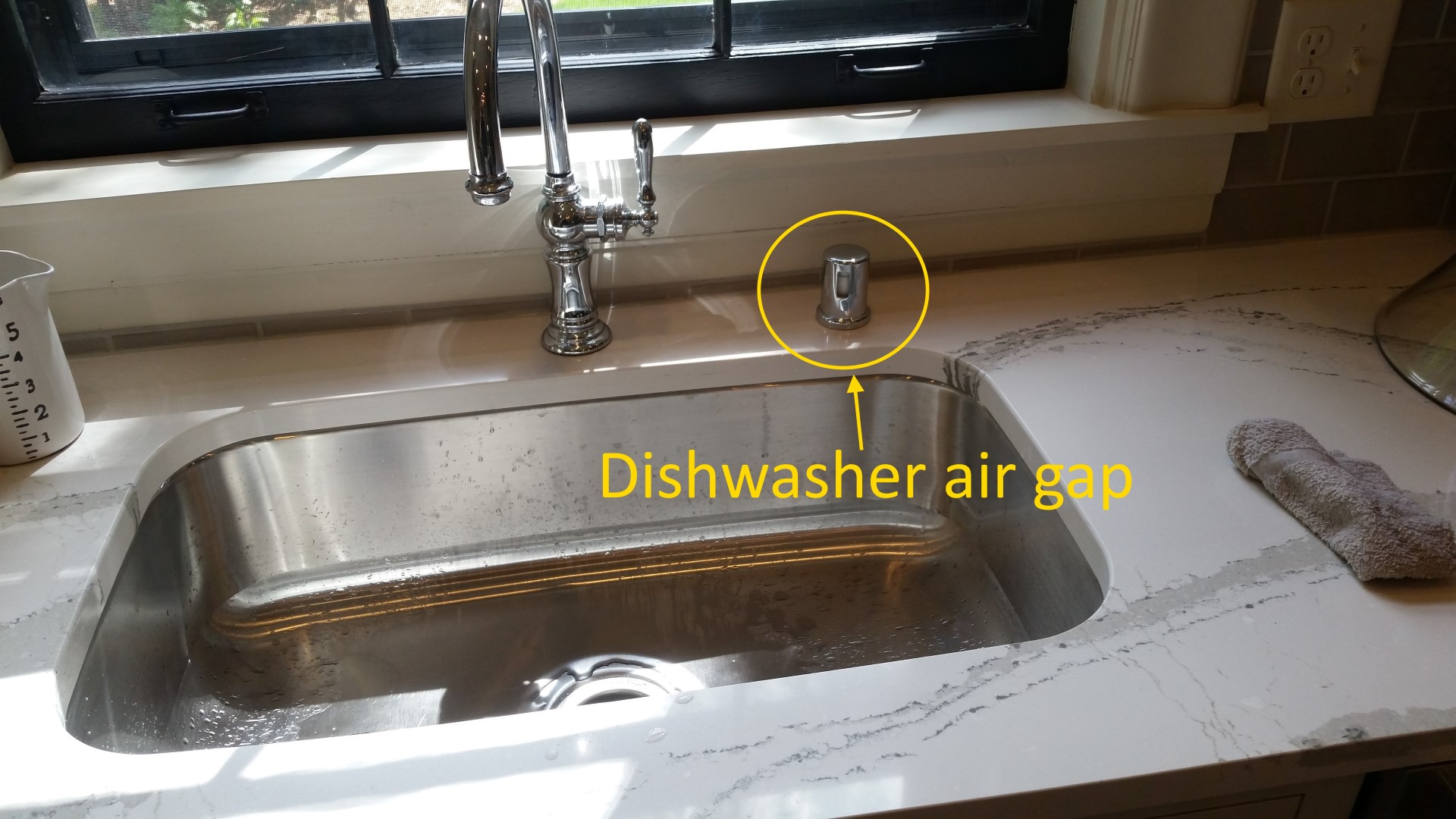
Credit: homesmsp.com
Maintenance Tips For A Hidden Air Gap
Keeping your air gap clean is key to safe operation:
- Check for leaks every few months by running the dishwasher and watching the air gap.
- Clean the vent: Remove the cover and wipe away food or grime.
- Flush with water: Pour warm water down the air gap to clear small clogs.
- Replace hoses if they look cracked or worn.
Cost Breakdown For Hiding An Air Gap
Here’s a quick look at what you might expect to spend:
- Decorative cover: $10–$40
- Low-profile air gap: $30–$100
- Combo accessory: $50–$120
- Custom countertop cover: $200 and up (plus labor)
- Relocation by plumber: $100–$400 (labor and materials)
Materials are available at most hardware stores, and many options can be installed in an afternoon.
Resources For More Information
If you want to learn more about dishwasher air gaps or plumbing codes, a good place to start is the Wikipedia Air Gap page.
Frequently Asked Questions
What Happens If I Cover The Air Gap Completely?
If you block the air gap, water and air can’t escape. This could cause dirty water to back up into your dishwasher or flood your countertop. Always use a cover that allows airflow.
Can I Just Use A High Loop Instead Of An Air Gap?
Some areas allow a “high loop” (the hose curves up under the sink), but many building codes require a real air gap. Always check your local rules before making changes.
How Often Should I Clean The Air Gap?
Check the air gap every 3–6 months. If you see water leaking or notice bad smells, clean it right away.
Is It Okay To Paint The Air Gap To Match My Countertop?
You can paint metal or plastic covers, but use paint that’s safe for kitchens. Don’t paint the vent holes or block air flow.
Will Hiding The Air Gap Affect My Dishwasher Warranty?
If you block or remove the air gap, you might void your dishwasher’s warranty. Always follow the manufacturer’s instructions and keep the air gap working properly.
A hidden dishwasher air gap can make your kitchen look better without losing safety or function. By choosing the right method and keeping up with cleaning, you can enjoy a stylish and safe kitchen for years to come.

Credit: www.youtube.com