
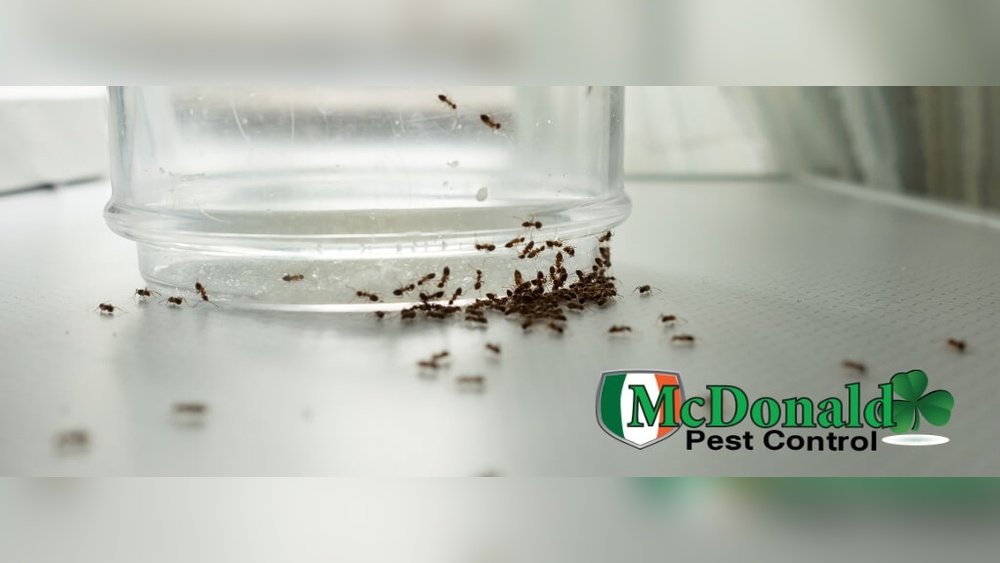
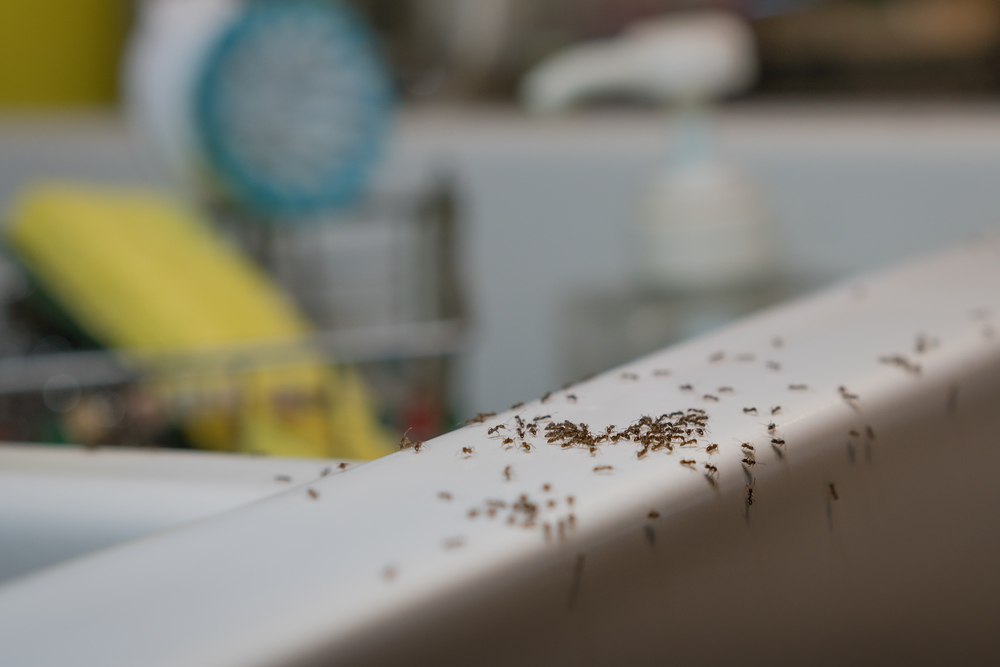
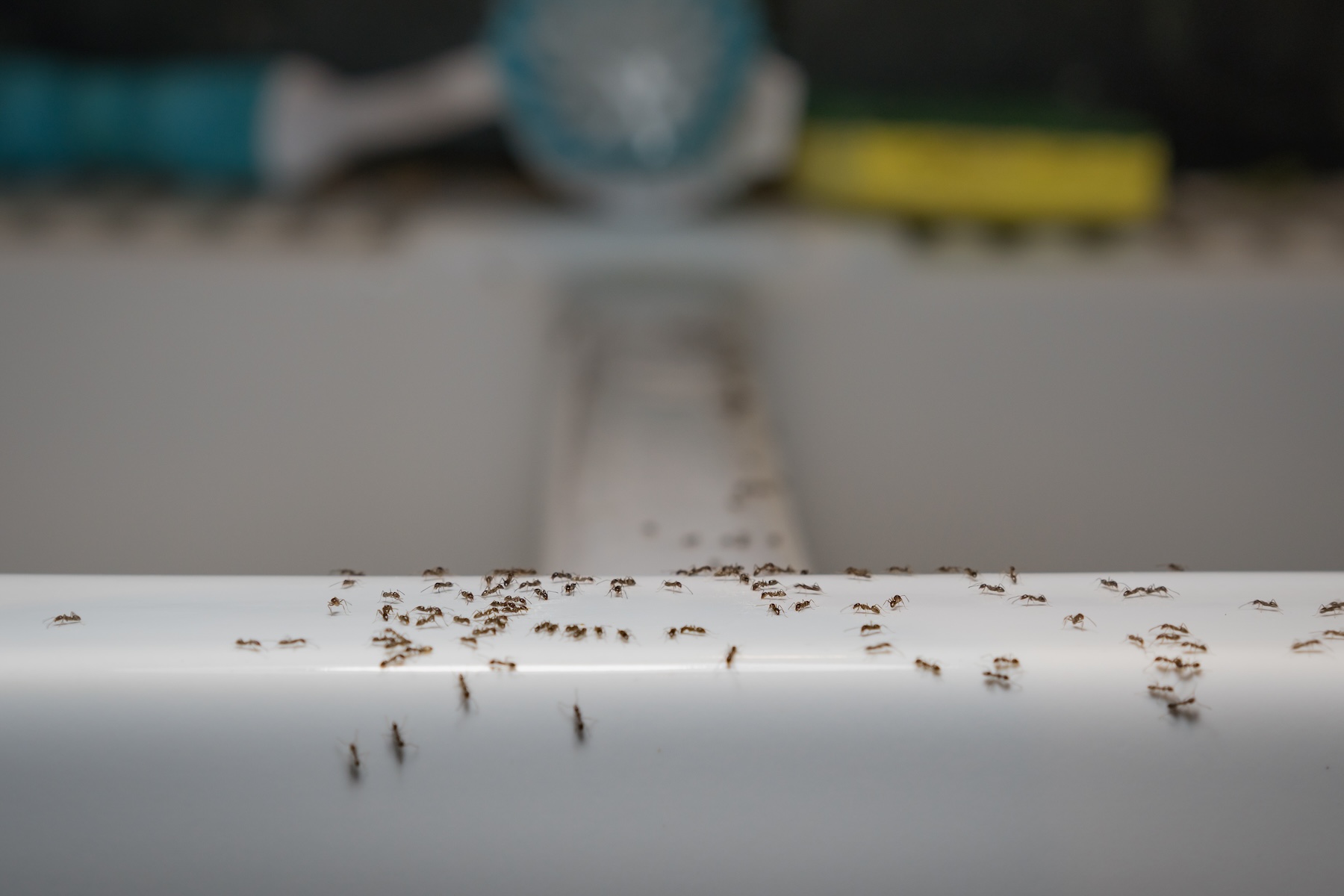
Small ants around the kitchen sink can be frustrating, persistent, and sometimes even embarrassing. They seem to appear out of nowhere—crawling along the faucet, swarming near the soap, or forming long lines to a hidden crumb. For many, this is a common household problem, especially in warmer months or in homes with open food sources.
But getting rid of these tiny invaders is not just about spraying chemicals or wiping down the counter. To truly solve the issue, you need to understand why ants are attracted to your kitchen, how to remove them safely, and what to do to prevent them from coming back.
This guide will show you, step by step, how to get rid of small ants around your kitchen sink for good. We’ll cover the science of ant behavior, practical removal methods, long-term prevention, and even share some tips that many homeowners and renters overlook.
By the end, you’ll know exactly what to do, what to avoid, and how to keep your kitchen clean and ant-free.
Why Small Ants Love The Kitchen Sink
The kitchen sink is a favorite spot for ants because it offers three things ants love: food, moisture, and shelter. Even if your kitchen looks clean, small drops of sugary drinks, tiny food crumbs, or leftover grease can attract ants from outdoors or hidden nests inside your home. The sink area is often wet or damp, which provides the water ants need to survive. Pipes and cracks under or behind the sink offer perfect hiding and nesting spots.
A single scout ant can discover a food source and leave a trail of pheromones for others to follow. This is why, once you see a few ants, many more can appear in just hours.
Common Types Of Small Ants In Kitchens
Some of the most frequent ant species found around kitchen sinks in the US are:
- Odorous House Ants: Small (1/8 inch), dark brown or black, smell like rotten coconut when crushed.
- Sugar Ants: Not a single species, but a name used for several small ants attracted to sweets.
- Pharaoh Ants: Tiny (1/16 inch), yellow or light brown, very hard to control.
- Pavement Ants: About 1/8 inch, dark brown to black, make nests in wall cracks or under floors.
Knowing the type of ant can help you choose the best removal method, as some species are more resistant to certain baits or sprays.
Step-by-step: How To Remove Small Ants Around The Kitchen Sink
Getting rid of ants is not just about killing the ones you see. You need to remove the entire colony, eliminate their food source, and block their entry points. Here’s a complete, practical approach.
1. Clean Up Food And Water Sources
Ants are always searching for food and water. If you remove what attracts them, they’ll have no reason to stay.
- Wipe down surfaces: Clean the sink, faucet, and counters with soapy water. Pay special attention to corners and edges.
- Sweep and mop: Crumbs fall on the floor and under cabinets. Sweep and mop daily if you see ants.
- Don’t leave dishes: Wash dirty dishes right away or keep them submerged in soapy water.
- Store food properly: Use airtight containers for sugar, cereal, cookies, and pet food.
- Empty the trash often: Ants can get into garbage if not sealed tightly.
- Fix leaks: Even a slow drip under the sink can attract ants.
A 2023 survey by the National Pest Management Association found that over 80% of ant infestations start due to poor kitchen hygiene. Just improving cleaning habits can reduce the problem by more than half.
2. Find And Block Ant Entry Points
Ants enter your home through tiny cracks, holes, or gaps. Even the space around pipes or electrical cords can be an entrance.
- Inspect closely: Look for where ants are coming from—window frames, under the sink, behind the backsplash, or along the wall.
- Seal cracks: Use silicone caulk to seal gaps around windows, doors, and plumbing.
- Replace damaged screens: Small tears in window screens can let ants in.
- Install door sweeps: Keep ants from sneaking under doors.
Here’s a quick comparison of common entry points and the best sealing solutions:
| Entry Point | Recommended Sealant | Difficulty |
|---|---|---|
| Window frames | Silicone caulk | Easy |
| Pipe gaps | Expanding foam | Medium |
| Wall cracks | Spackling paste | Easy |
| Floor baseboards | Wood filler | Medium |
Blocking entry points is a key step many people skip. But even a small, unsealed gap can keep the ant problem coming back.
3. Use Safe, Effective Ant Baits
Spraying ants you see is tempting, but this only kills workers and often makes things worse. The real solution is to use ant baits that the ants carry back to their nest, poisoning the colony.
- Gel and liquid baits: These are easy to apply near the sink or along ant trails. Brands like Terro and Advion are widely used.
- Solid bait stations: Good for under sinks or behind appliances.
- Homemade bait: Mix 1 part borax (or boric acid) with 3 parts sugar and a little water. Place in small, shallow containers near ant trails.
Ant baits work slowly—often taking several days. This is necessary so the worker ants have time to bring the poison back to the queen and larvae. Don’t kill the ants you see right away; let them take the bait.
Non-obvious tip: Place baits close to where ants enter, but not directly on the ant trail. If you disturb their path, they might abandon the bait.
4. Remove And Replace Sink Sealants If Needed
The area around the sink is often sealed with caulk. Over time, this sealant can crack or mold, becoming a hidden spot for ants to enter or nest.
- Check the caulk: Look for gaps, cracks, or moldy spots around the sink edge.
- Remove old caulk: Use a caulk remover tool or a razor blade.
- Clean thoroughly: Scrub the area with bleach or a mold remover.
- Apply new caulk: Use a waterproof kitchen and bath silicone caulk.
This step is often missed. But if ants are nesting under your sink, replacing old caulk can stop them at the source.
5. Try Natural Repellents
If you prefer to avoid chemicals, there are several natural substances that can repel ants. These won’t kill the colony but can help keep ants away from specific areas.
Natural ant repellents include:
- Vinegar: Mix equal parts vinegar and water; wipe surfaces and spray entry points.
- Lemon juice: The acid disrupts ant trails.
- Peppermint oil: Soak cotton balls and place near ant trails or entry points.
- Cinnamon: Sprinkle ground cinnamon or place cinnamon sticks around the sink.
- Cucumber peels: Place fresh peels near where ants enter (some species dislike the chemical in cucumber).
Extra insight: For natural repellents to work, you need to reapply them often—at least every 2–3 days—because their scent fades quickly.
6. Use Insecticide Sprays Carefully
If baits and cleaning don’t solve the problem, you may need to use an insecticide. Choose a product labeled for indoor use and safe for kitchens.
- Spray cracks and entry points, not food surfaces.
- Avoid spraying directly on countertops or where food is prepared.
- Follow all safety instructions.
Never mix different sprays or use outdoor-only products inside, as this can be dangerous for pets and children.
7. Vacuum And Remove Ant Trails
Ants leave invisible chemical trails for others to follow. Even after you’ve cleaned, these pheromone trails can remain.
- Vacuum along ant trails using a hose attachment.
- Wipe the area with soapy water, vinegar, or a commercial pheromone remover.
This step removes both ants and their scent trail, making it harder for new ants to find the same path.
8. Manage Moisture Under And Around The Sink
Ants need water to survive. If your kitchen sink leaks or stays damp, it becomes a magnet for ants.
- Check for leaks: Inspect pipes, joints, and the garbage disposal.
- Use a dehumidifier or fan if the area stays damp.
- Keep under-sink cabinets dry: Remove wet sponges and cleaning rags.
A 2021 study found that reducing moisture can decrease kitchen ant infestations by 60%. Moisture control is as important as food control.
9. Dispose Of Ant-infested Items
Sometimes ants nest inside food packaging, sponges, or even under dish racks.
- Throw out infested food: If you find ants inside sugar, cereal, or bread, discard it.
- Replace sponges and cloths: These can hide ant eggs or larvae.
- Clean under appliances: Move toasters, microwaves, and dish racks.
Ignoring infested items can let the colony survive even if you clean the rest of the kitchen.
10. Call A Professional For Persistent Infestations
If you’ve tried everything and ants keep coming back, it may be time to call a professional pest control service. They can:
- Identify the ant species
- Find hidden nests
- Use stronger, targeted treatments
- Give expert advice on prevention
Professional exterminators use advanced baits, dusts, and sprays not available in stores. They also have thermal cameras or moisture meters to find nests behind walls.

Credit: todayshomeowner.com
Extra Tips And Mistakes To Avoid
Solving an ant problem sometimes requires thinking beyond the obvious. Here are two insights beginners miss:
- Ants can nest far from the kitchen: The colony may be outdoors or in another room. Always look for trails leading out of the kitchen.
- Over-cleaning can sometimes scatter ants: If you use strong cleaners on the trail before setting baits, ants may avoid the area and find new routes. Set baits first, then deep clean after the colony is gone.
Also, avoid these common mistakes:
- Using too much spray: Kills only visible ants and may scatter the colony.
- Placing baits on top of ant trails: Disturbs the ants and reduces bait effectiveness.
- Ignoring moisture: Even a dry kitchen can get ants if there’s a water leak under the sink.
Prevention: How To Keep Ants Away For Good
Once you’ve removed ants, prevention is the key to a long-term solution. Here are proven ways to keep ants from returning:
Store All Food In Sealed Containers
Ants have a strong sense of smell and can find unsealed food quickly. Use airtight plastic or glass containers for:
- Sugar, flour, and rice
- Cookies, cereal, and snacks
- Pet food
Keep The Sink And Counter Dry
Wipe the sink after every use. Don’t leave wet sponges or towels near the sink overnight.
Clean Up Crumbs And Spills Immediately
A single sticky spot or crumb can attract a whole line of ants. Make it a habit to clean up after every meal or snack.
Take Out The Trash Regularly
Don’t let trash pile up or overflow. Use trash cans with tight-fitting lids.
Seal Gaps And Cracks
Check your kitchen every few months for new cracks around windows, doors, pipes, and baseboards.
Use Natural Barriers
Sprinkle cinnamon, pepper, or place bay leaves around the sink or entry points to keep ants away.
Inspect Groceries And Plants
Sometimes ants hitch a ride in grocery bags, potted plants, or cardboard boxes. Check these before bringing them into the kitchen.
Comparing Ant Control Methods
Choosing the right method depends on your situation. Here’s how common approaches stack up:
| Method | Speed | Effectiveness | Safety |
|---|---|---|---|
| Cleaning & Sealing | Slow | High (long-term) | Very Safe |
| Ant Baits | Medium | Very High | Safe if used correctly |
| Natural Repellents | Immediate | Low (short-term) | Very Safe |
| Insecticide Sprays | Immediate | Medium | Use with caution |
| Professional Pest Control | Fast | Extremely High | Professionally managed |
Ants Vs. Other Kitchen Pests: What Makes Them Unique?
Small ants behave differently from other kitchen pests like cockroaches or fruit flies. Here’s a quick look at how they compare:
| Pest | Main Attraction | Entry Method | Best Control |
|---|---|---|---|
| Small Ants | Sweet foods, water | Tiny cracks, under sink | Baits, sealing entry |
| Cockroaches | Grease, crumbs | Drains, pipes | Deep cleaning, traps |
| Fruit Flies | Ripe fruit, fermenting food | Open windows, produce | Traps, remove food |
Understanding these differences helps you use the right technique for each pest.
Credit: whiteglovecleaner.com
When You Need Extra Help
Sometimes, ants are a sign of a bigger problem—like water damage, rotting wood, or structural cracks. If you notice any of the following, consider getting a home inspection:
- Persistent, large numbers of ants
- Unusual smells or mold around the sink
- Soft or damaged wood under the counter
- Ants reappearing after every treatment
A home inspector or pest professional can spot hidden issues that attract ants or let them nest inside walls.
Frequently Asked Questions
What Causes Small Ants To Appear Around The Kitchen Sink?
Small ants are drawn to food crumbs, sweet spills, and moisture around your sink. Even a tiny drop of sugary drink or a little water from a leaky pipe can attract ants from outside or hidden nests inside your home.
Are Ant Baits Safe To Use In The Kitchen?
Most commercial ant baits are safe when used as directed and kept away from food, pets, and children. Always read the label and never place baits directly on surfaces where you prepare food.
How Long Does It Take To Get Rid Of Ants With Bait?
Ant baits usually take 3 to 7 days to work fully. Worker ants carry the poison back to the nest, which slowly kills the queen and colony. Be patient and do not disturb the trail while the bait is working.
Can I Use Vinegar To Get Rid Of Ants?
Vinegar is a natural ant repellent and can help remove scent trails, but it does not kill ants or their nests. Use it as part of your cleaning routine, but combine it with baits and sealing entry points for best results.
When Should I Call A Professional For Ant Control?
If ants keep returning after multiple treatments, or if you see large numbers year-round, call a professional. Persistent infestations may mean there is a hidden nest or a bigger problem that requires expert help.
Dealing with small ants around your kitchen sink takes patience, attention to detail, and sometimes a bit of trial and error. By following these steps and staying consistent, you can enjoy a clean, ant-free kitchen again. For more in-depth scientific information on ant behavior and control, check out this resource from the US Environmental Protection Agency. With the right knowledge and a little effort, you can solve your ant problem for good.
Credit: seacoastturfcare.com