
Many people love using a dishwasher. It saves time, cleans dishes well, and lets you relax. But when a dishwasher is noisy, it can be annoying. The sound can disturb your conversations, your work, or even your sleep. If you have a loud dishwasher, you might wonder if you need a new one. The good news is, you do not always have to replace it. There are many ways to make your dishwasher quieter. These methods range from quick fixes to long-term solutions.
In this guide, you will learn how to find the source of the noise, what causes it, and how you can reduce it. You will also see the tools you need and the best practices for a peaceful kitchen. By the end, you will know how to turn your noisy dishwasher into a quiet helper.
Understanding Dishwasher Noise
Before you start fixing the problem, it is helpful to know why dishwashers make noise. Most dishwashers make some sound, but not all noise is normal.
Common Sources Of Dishwasher Noise
- Water spray: The jets spray water with force. This is a normal sound, but should not be very loud.
- Pump and motor: The pump pushes water through the jets, and the motor runs the moving parts.
- Dishes clattering: Loose dishes can knock together during the wash.
- Drain pump: When water drains out, the pump makes a humming or gurgling noise.
- Heater element: Some dishwashers use a heater to dry dishes, which can click or hum.
- Vibration: If the dishwasher is not level or secured, it can vibrate against cabinets.
When Is Noise A Problem?
If your dishwasher sounds like it is grinding, rattling, or banging, this is not normal. Sudden changes in noise, or very loud sounds, mean something is wrong. A modern dishwasher should run at about 40–55 decibels (dB), similar to a quiet conversation. Older models can be over 60 dB, which feels much louder.
Why Does It Matter?
A noisy dishwasher can make your home less comfortable. It can also be a sign of damage, which could get worse if ignored. Fixing noise early can save you money and stress later.
Step 1: Identify The Type Of Noise
Every sound tells a story. To make your dishwasher quieter, start by listening carefully. Here is a guide to common dishwasher noises and what they often mean:
| Noise Type | Description | Possible Cause |
|---|---|---|
| Rattling | Sharp, clinking sounds | Loose dishes, utensils, or spray arm hitting objects |
| Grinding | Low, harsh growl | Debris in the pump or broken motor |
| Humming | Steady, low pitch | Pump running, water filling or draining |
| Banging/Thumping | Loud impact noise | Dishwasher not level, parts hitting cabinet |
| Clicking | Short, repeated clicks | Relay switches, door latch, or heater element |
By matching the sound, you can focus your efforts and avoid wasting time on the wrong solution.
Step 2: Check Your Dishwasher’s Installation
How your dishwasher is installed has a big effect on noise. If it is loose, not level, or not insulated well, the sound gets worse.
Level The Dishwasher
An unlevel dishwasher vibrates more and makes extra noise. To check if yours is level:
- Open the door and place a bubble level on the bottom rack.
- Check side to side and front to back.
- Adjust the feet (usually at the front) until the bubble is centered.
- For built-in models, make sure the sides are not touching the cabinet walls.
If the dishwasher wobbles when you push it, it is not level or tightly fitted.
Secure The Dishwasher
Dishwashers need mounting brackets to hold them in place. If the brackets are loose or missing, the dishwasher shakes and bangs.
- Open the door and look at the top or sides for mounting screws.
- Tighten any loose screws with a screwdriver.
- If the brackets are missing, buy replacements from your dishwasher’s brand.
Add Or Improve Insulation
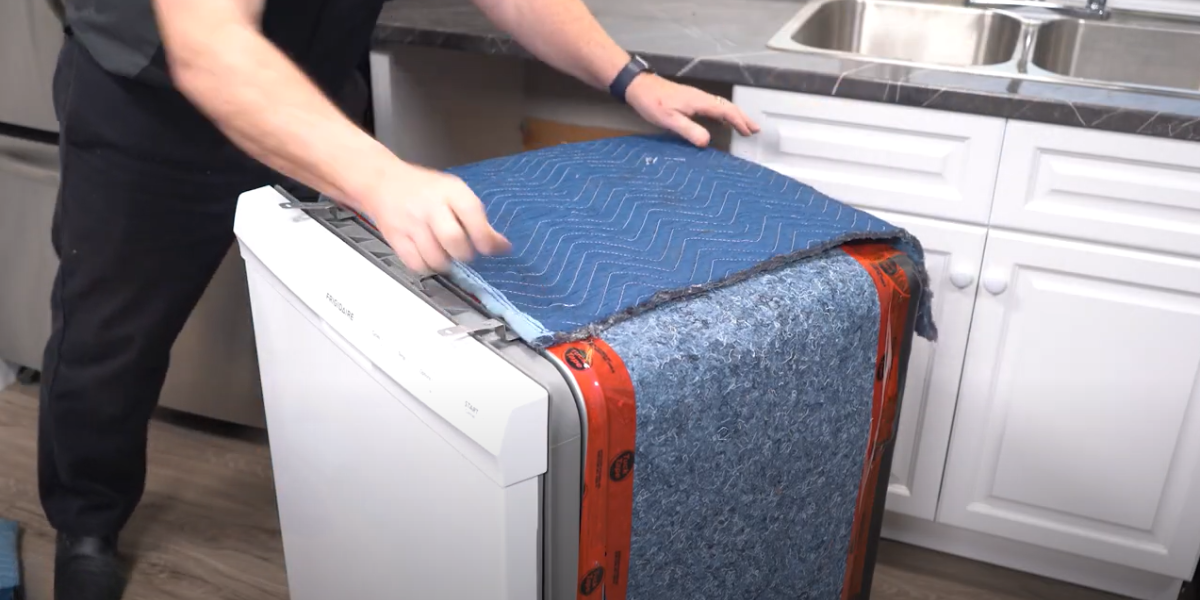
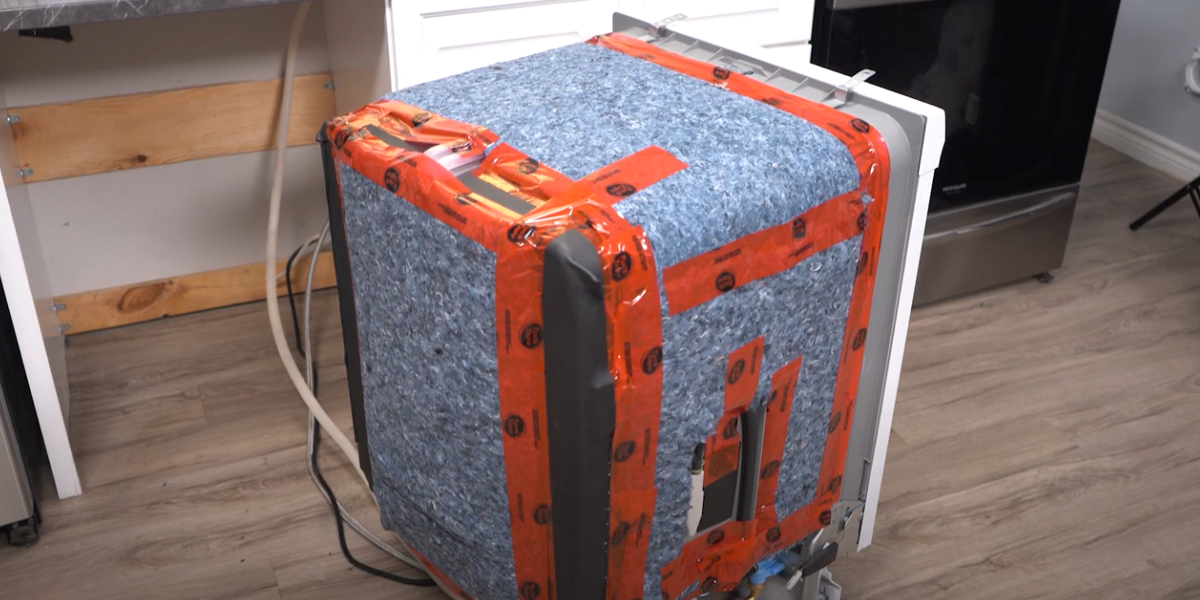
Most built-in dishwashers have a thin layer of insulation blanket around the outside. This reduces noise but can get damaged during installation.
- If the blanket is missing, order a new one made for your model.
- For extra quiet, add a second layer of insulation, such as sound-dampening mat or foam.
- Make sure not to block the vents, wires, or moving parts.
Some people also use acoustic panels or mass loaded vinyl, especially in very quiet homes.
Step 3: Load The Dishwasher Properly
How you place dishes in the racks matters more than you think. Bad loading can make a quiet dishwasher loud.
How To Load For Less Noise
- Place plates, bowls, and pans so they do not touch each other.
- Put utensils in the basket with handles down, but do not jam them together.
- Do not overload the racks. This lets the spray arms move freely.
- Make sure nothing is sticking below the racks, where it could hit the spinning spray arms.
Proper loading not only reduces noise but also cleans better.
Example Loading Mistake
Suppose you put a metal pan on its side so it leans against the rack. During the wash, the force of water may shift it. Now the pan vibrates, making a loud clatter every time the spray arm spins.
By checking your loading, you avoid this easy-to-fix source of noise.
Credit: www.fix.com
Step 4: Clean And Maintain Key Parts
A dirty dishwasher is a noisy dishwasher. Food debris, hard water build-up, and trapped objects can cause grinding, humming, or even banging sounds.
Clean The Spray Arms
Spray arms have small holes that can clog. If blocked, water pressure changes and the arms may not spin right.
- Remove the bottom rack to reach the spray arms.
- Unscrew or unclip the spray arms (check your manual).
- Rinse them under running water and poke out debris with a toothpick or soft brush.
- Put them back and spin by hand to check for smooth movement.
Clean The Filter
Most modern dishwashers have a filter at the bottom. If clogged, it makes the pump work harder and can cause grinding or humming.
- Pull out the bottom rack.
- Twist and lift out the filter.
- Rinse under water and scrub with a brush if needed.
- Wipe out any debris in the filter housing.
Do this monthly or more often if you use your dishwasher a lot.
Check For Foreign Objects
Small objects like glass, toothpicks, or plastic can fall into the sump or pump area. This can make loud grinding or rattling sounds.
- After removing the filter, shine a flashlight inside.
- Carefully pick out any debris.
- Run a short rinse cycle and listen for improvement.
Step 5: Replace Worn Or Broken Parts
If your dishwasher is still noisy after cleaning, some parts may be worn out. Replacing them can make a big difference.
Common Parts That Cause Noise
- Wash Pump Motor: If worn, it can grind or hum loudly.
- Drain Pump: A broken pump can rattle or buzz.
- Spray Arms: Warped or cracked arms do not spin smoothly.
- Door Latch: If loose, it can click or vibrate during cycles.
- Roller Wheels: If the racks squeak or rattle, the wheels may be worn out.
How To Replace
- Order the right part for your dishwasher brand and model.
- Turn off power and water before starting.
- Use a screwdriver and pliers as needed.
- Follow your manual or watch a video guide for your model.
If you are not comfortable with repairs, call a professional. Sometimes, replacing a $30 pump can save you from buying a new $800 dishwasher.
Step 6: Add Extra Soundproofing
If you want your dishwasher to be as quiet as possible, add soundproofing beyond the standard insulation.
Soundproofing Materials
- Mass Loaded Vinyl (MLV): Heavy sheets that block noise well.
- Acoustic Foam: Lightweight foam that absorbs sound waves.
- Vibration Pads: Rubber pads placed under the feet to stop vibration.
Where To Add Soundproofing
- Around the outside of the dishwasher (never inside the wash tub).
- Between the dishwasher and cabinet walls.
- Under the dishwasher, if there is space.
Be careful not to block air vents or moving parts. Too much insulation can trap heat, so follow product instructions.
Soundproofing Vs. Buying A Quieter Dishwasher
To see how much difference soundproofing can make, consider this:
| Dishwasher Type | Noise Level (dB) | Notes |
|---|---|---|
| Basic model, no extra insulation | 55–60 dB | Standard for older models |
| Standard model, extra insulation added | 45–50 dB | Much quieter, easy DIY upgrade |
| Premium quiet dishwasher | 38–44 dB | As quiet as a library |
Extra soundproofing usually gets you halfway to the quietest models—without spending thousands.
Step 7: Replace Old Or Damaged Door Seals
The rubber gasket around the dishwasher door helps stop noise and leaks. If it is old, cracked, or missing, noise escapes easily.
How To Check And Replace Door Seals
- Open the door and look for cracks, gaps, or flattening.
- If the seal is damaged, order a replacement for your model.
- Pull out the old seal by hand.
- Clean the groove with a damp cloth.
- Press in the new seal, starting at the corners.
A good seal makes a surprising difference in how much noise you hear.
Step 8: Upgrade To Quieter Cycles
Some dishwashers offer different cycles, and not all are equally loud.
Use The Quietest Cycle
- Eco or Energy Saver cycles usually run slower with less water pressure, so they are quieter.
- Quick Wash or Heavy cycles use more force and are louder.
- Check your manual for a “Night” or “Silent” cycle, if available.
It may take longer, but running at night on a quiet cycle can let you sleep in peace.
Step 9: Choose Quiet Dishwasher Models (if Replacing)
If your dishwasher is old and very noisy, sometimes the best solution is a new, quiet model. Modern machines are much quieter than those from 10–15 years ago.
What Makes A Dishwasher Quiet?
- Stainless steel tub: Absorbs sound better than plastic.
- Advanced insulation: Thicker layers around the tub and door.
- Quiet pumps and motors: Newer designs make less noise.
- Noise rating label: Check for decibel (dB) rating.
Comparing Quiet Dishwashers
When shopping, look for the dB rating—the lower, the better. Here’s how some common dishwasher noise levels compare:
| Noise Level (dB) | Perceived Loudness | Example |
|---|---|---|
| 38–44 | Very quiet | Library, soft rain |
| 45–50 | Quiet | Normal conversation |
| 51–60 | Loud | Busy office, old dishwasher |
Most people prefer a dishwasher under 45 dB for a peaceful home.
Key Features To Look For
- “Whisper Quiet” or “Super Silent” branding
- Stainless steel interior
- Soft food disposer (for grinding bits quietly)
- Good consumer reviews about noise
Step 10: Professional Help For Persistent Noise
If you have tried all the above steps and your dishwasher is still very loud, you may need expert help.
When To Call A Professional
- The noise is new and very loud.
- You hear grinding, screeching, or metallic sounds.
- The dishwasher leaks or does not clean well.
- You smell burning or see smoke.
A trained repair person can diagnose motor, pump, or electrical problems safely.
What A Technician Will Check
- Pump and motor wear
- Mounting and insulation
- Door alignment
- Water inlet valve
- Electrical issues
Professional repairs can extend the life of your dishwasher by years.
Advanced Tips And Insights
Some noise problems are less obvious and may surprise even experienced users.
Check Water Hammer And Plumbing
Sometimes, the noise comes from your home’s pipes, not the dishwasher. When the water shuts off quickly, it can cause a loud “bang” called water hammer.
- Install a water hammer arrestor on the dishwasher line.
- Make sure the supply line is the right size and not kinked.
This is a rare problem, but fixing it makes a big difference in overall kitchen noise.
Use Anti-vibration Pads
Most people do not think about the floor under their dishwasher. If your kitchen floor is wood or tile, it can amplify vibration.
- Place rubber or silicone pads under the feet.
- Even a small pad can reduce noise by absorbing vibration.
Avoid Common Mistakes
- Do not put thick insulation inside the dishwasher tub.
- Do not block air vents or wiring with insulation.
- Always turn off power before doing repairs.
Many beginners forget these points and make the noise worse, or even damage the dishwasher.
Credit: www.fix.com
How To Maintain A Quiet Dishwasher
Once you have reduced the noise, keep it that way with regular care.
- Clean the filter and spray arms monthly.
- Wipe the door seal often.
- Load dishes properly every time.
- Check for loose screws or rattling after moving or remodeling.
- Run a cleaning cycle with vinegar or a dishwasher cleaner every few months to prevent scale buildup.
A little routine care keeps your dishwasher running quietly for years.
Frequently Asked Questions
How Do I Know If My Dishwasher Is Too Loud?
A normal modern dishwasher makes about 40–50 dB of noise. If you need to raise your voice in the kitchen when it is running, it is too loud. Grinding, rattling, or banging are also signs of trouble.
Is It Safe To Add Extra Insulation To My Dishwasher?
Yes, as long as you use insulation designed for appliances and do not block air vents, wiring, or moving parts. Never put insulation inside the wash tub. Always check your manual.
Can I Make An Old Dishwasher As Quiet As A New One?
You can reduce noise a lot with insulation, repairs, and careful loading, but old models may never be as quiet as new, premium dishwashers with advanced technology.
Are Countertop Or Portable Dishwashers Quieter?
Most countertop and portable models are louder than built-in ones because they have less insulation. Always check the dB rating before buying.
Where Can I Find More Information About Dishwasher Noise Ratings?
You can find official noise ratings and guides at ENERGY STAR, a trusted source for appliance information.
A quiet dishwasher makes your kitchen a more peaceful place. With the steps above, you can enjoy clean dishes without the noise. Take action today and enjoy the calm that comes with a truly quiet home helper.
Credit: www.reddit.com