
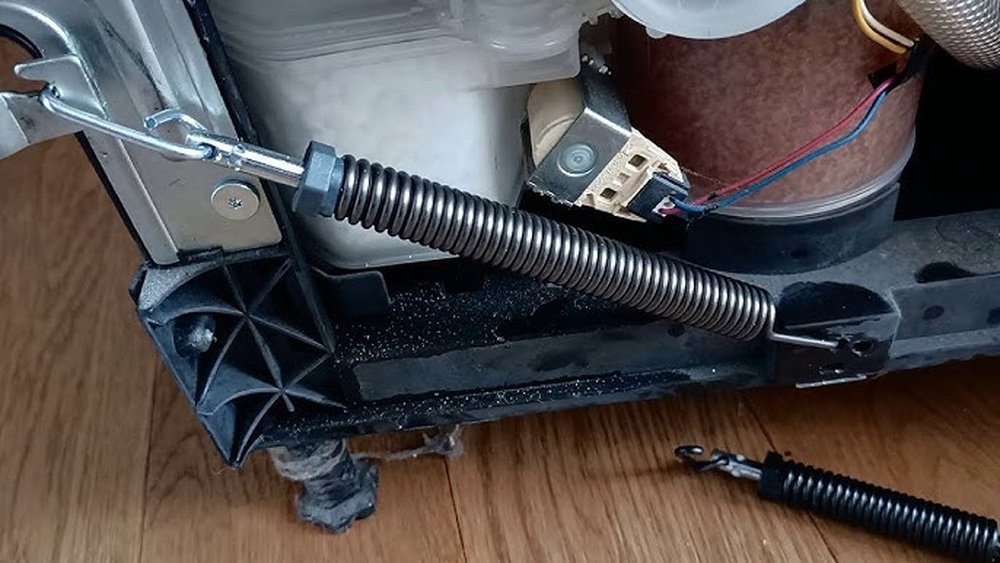
If you’ve ever opened your dishwasher and noticed the door suddenly drop heavily or not stay open as it should, you are likely facing an issue with the dishwasher door spring. This small but essential part helps control how smoothly the door opens and closes. A faulty spring can make your dishwasher door feel unsafe, cause further damage, and even disrupt your daily routine. Fixing it might sound complicated, but with the right guidance, you can do it yourself—even if you have never tried appliance repair before.
Repairing a dishwasher door spring is a valuable skill. Not only can you save money, but you also avoid waiting for a technician. This guide will walk you through everything you need to know, from understanding how the door spring works to safely replacing it.
We’ll cover the tools you need, step-by-step instructions, troubleshooting tips, and even some expert insights that most beginners miss. Ready to restore your dishwasher door to perfect working order? Let’s get started.
Understanding The Dishwasher Door Spring
The door spring is a crucial component that helps balance the weight of the dishwasher door. It prevents the door from dropping open too quickly or closing too heavily. This makes loading and unloading dishes safe and easy.
Most dishwashers use one or two springs, usually hidden at the bottom sides of the unit, attached to the door via cables or directly to special hinges. When you open the door, the springs stretch and provide tension to slow the movement.
Over time, these springs can weaken, break, or detach, which causes the door to lose its smooth motion.
Types Of Dishwasher Door Springs
Dishwasher door springs are not all the same. The main types include:
- Standard coil springs: Most common, found in many household dishwashers.
- Tension cables with springs: Used in some models, where a cable runs over a pulley and attaches to the spring.
- Integrated hinge springs: Found in higher-end models, hidden inside the hinge mechanism.
Different brands and models use different systems, so always check your dishwasher’s manual or look for a model number before buying replacement parts.
Why Door Springs Fail
Springs usually fail due to:
- Metal fatigue: Repeated stretching and compressing weakens the metal.
- Rust or corrosion: Moisture can cause the spring to rust, especially if the dishwasher’s seal is damaged.
- Cable fraying: In cable systems, the cable can fray or snap.
- Physical damage: Moving the dishwasher or rough use can knock the spring loose.
Understanding these causes helps you maintain your dishwasher and avoid future issues.
Signs Your Dishwasher Door Spring Needs Repair
It’s not always obvious when a door spring needs attention. Here are common signs that indicate a problem:
- Door falls open suddenly: The door drops down instead of opening smoothly.
- Door feels too heavy: You need to use extra effort to lift it, or it slams shut.
- Door won’t stay open: The door won’t hold its position when you’re loading dishes.
- Unusual noises: Squeaking, grinding, or snapping sounds when opening or closing the door.
- Visible spring or cable damage: Sometimes you can see a broken or loose spring if you remove the bottom panel.
Ignoring these signs can lead to more severe damage, such as a broken hinge or cracked door.
Safety Precautions Before Repair
Repairing a dishwasher door spring is usually safe, but it’s important to take precautions. Here are some essential safety steps:
- Unplug the dishwasher: Always disconnect power to avoid electric shock.
- Turn off the water supply: Prevent leaks or flooding during the repair.
- Use gloves: Springs and metal panels can have sharp edges.
- Have a helper if needed: Dishwashers are heavy, and doors can be awkward to handle alone.
- Work in a well-lit space: Good lighting helps you see small parts and avoid mistakes.
Taking these precautions will make the repair process smoother and safer.
Tools And Materials You’ll Need
Before starting, gather these tools and materials:
- Replacement door spring (check your dishwasher model for compatibility)
- Screwdrivers (Phillips and flat-head)
- Nut driver or socket set
- Needle-nose pliers
- Work gloves
- Flashlight
- Towel or small container (to hold screws and small parts)
- Adjustable wrench (sometimes needed for stubborn bolts)
- Putty knife (to help remove panels)
Having the right tools ready will save you time and frustration.
How To Identify The Correct Door Spring For Your Dishwasher
Not all springs are the same. To ensure a proper fit, follow these steps:
- Locate your dishwasher’s model number. This is usually found on the edge of the door or inside the frame.
- Check the user manual or look up the model online for a parts diagram.
- Compare old and new springs. If you have access to the broken spring, compare its size, shape, and tension with the replacement.
- Buy from reputable sources. Use official brand websites or trusted appliance parts stores to avoid low-quality parts.
If you’re unsure, bring the old spring to a hardware store or consult the manufacturer’s customer support.
Step-by-step Guide: Repairing The Dishwasher Door Spring
Now, let’s get practical. Follow these steps to replace a broken or weak dishwasher door spring.
1. Disconnect Power And Water
Safety comes first. Unplug the dishwasher from the electrical outlet. If it’s hardwired, turn off the breaker at the panel. Shut off the water supply valve under the sink.
2. Remove The Toe Kick Panel
The toe kick panel is the vented piece at the bottom front of the dishwasher. Use a screwdriver or nut driver to remove the screws holding it in place. Set the panel and screws aside.
3. Inspect The Door Springs
With the panel removed, you should see the springs on both sides near the bottom of the dishwasher. Look for:
- Broken or missing springs
- Detached or frayed cables
- Rust or corrosion
If both springs are damaged, replace both for even tension.
4. Access The Springs
Some dishwashers have springs that are easy to reach. Others may require you to pull the dishwasher out a few inches. To do this:
- Remove the screws securing the dishwasher to the countertop (usually inside the top edge of the door frame).
- Carefully slide the dishwasher out, just enough to access the springs. Do not pull it too far, as water and electrical lines are still attached.
A common beginner mistake is pulling the dishwasher out too far and damaging the lines. Move slowly and gently.
5. Remove The Old Spring
Using needle-nose pliers, grip the end of the spring attached to the frame or hinge. Carefully unhook it. Repeat for the other end if needed. Note how the spring is attached so you can install the new one the same way.
Some models use a cable and pulley system. In this case:
- Unhook the cable from the spring.
- Remove the cable from the door or hinge.
6. Install The New Spring
Attach the new spring to the same points as the old one. Make sure it’s secure and stretched in the same direction. If using a cable, thread it through the pulley and hook it to the spring and door.
- Tip: It’s easier to attach the spring to the frame first, then stretch it to the hinge or cable.
Check that the spring is not twisted or rubbing against other parts.
7. Test The Door
Before reassembling, carefully open and close the dishwasher door several times. The motion should feel smooth, and the door should stay in position when open.
If the door still drops or feels too heavy, double-check the spring installation or consider replacing both springs for balance.
8. Reassemble The Dishwasher
Slide the dishwasher back into place. Reattach the mounting screws to the countertop. Replace the toe kick panel and secure it with screws.
Restore power and water supply. Run a short cycle to ensure everything works and there are no leaks.
Practical Tips For A Successful Repair
Many people overlook small details that make the job easier. Here are some expert tips:
- Photograph the setup: Take a picture before removing the spring or cable. This helps you remember the correct placement.
- Use a magnet: Place a small magnet near your workspace to keep screws from rolling away.
- Replace both springs: If one spring fails, the other is likely weak. Replacing both ensures balanced tension.
- Check the door seal: While you’re at it, inspect the door gasket for wear or damage.
- Avoid overtightening: Screws and bolts should be snug but not over-tightened, to prevent stripping or cracking panels.
A small investment of time in preparation can save hours of trouble later.
Common Mistakes And How To Avoid Them
Even careful DIYers make mistakes. Here are some frequent errors and how to prevent them:
Pulling The Dishwasher Too Far
Moving the dishwasher out too much can stress or break water and electrical lines. Always move it just enough to reach the springs.
Using The Wrong Spring
Installing a spring that’s too weak or too strong can make the door difficult to open or close. Always match the spring to your dishwasher model.
Forgetting To Turn Off Power
It’s easy to forget this step, but working on a live appliance can be dangerous. Always disconnect power first.
Not Testing Before Reassembly
Always test the door’s movement before replacing panels. This saves you from having to take everything apart again if something is wrong.
Ignoring Other Issues
Sometimes the door problem is not only the spring. Check hinges, cables, and even the door latch for damage.
By learning from these mistakes, you’ll have a smoother repair experience.

Credit: www.amazon.com
When To Call A Professional
While most dishwasher door spring repairs are manageable for DIYers, there are times when professional help is a better choice:
- Complex or high-end models: Some dishwashers have integrated springs or electronic door controls that are difficult to access.
- Water leaks or electrical issues: If you spot water leaking or exposed wires, stop and call a technician.
- Stuck or stripped screws: Forcing parts can cause more damage.
- Unusual noises after repair: If the door still creaks, grinds, or feels wrong, a professional inspection can prevent bigger problems.
If you’re unsure or uncomfortable at any step, it’s always safer to get expert help.
How Much Does It Cost To Repair A Dishwasher Door Spring?
Repair costs can vary depending on your dishwasher’s brand, age, and whether you do it yourself or hire a technician.
Here’s a comparison of typical costs:
| Repair Type | DIY Cost (USD) | Professional Cost (USD) |
|---|---|---|
| Spring Only | $10 – $30 | $80 – $150 |
| Spring + Cable Kit | $20 – $50 | $100 – $180 |
| Complex Door Mechanism | $40 – $70 | $150 – $300 |
Most homeowners who do the repair themselves spend under $30 on parts. Hiring a professional increases the cost mainly due to labor.
Comparing Dishwasher Door Spring Systems
Not all dishwashers use the same spring mechanism. Here’s how the main types compare:
| Spring System | Common Brands | Complexity | DIY Friendly |
|---|---|---|---|
| Standard Coil Spring | Whirlpool, GE | Low | Yes |
| Cable & Pulley | Bosch, KitchenAid | Medium | Yes, with care |
| Integrated Hinge Spring | Miele, high-end models | High | No |
Understanding your dishwasher’s spring system helps you plan the repair and buy the right parts.
Maintenance Tips To Extend Door Spring Life
Once you’ve fixed your door spring, a few simple habits can help it last longer:
- Open and close the door gently: Avoid slamming or forcing the door.
- Keep the area dry: Wipe up spills under the dishwasher to prevent rust.
- Inspect annually: Look for signs of wear or rust during regular cleaning.
- Lubricate if needed: Some springs benefit from a light spray of silicone lubricant (never use oil-based products).
- Don’t overload the door: Placing heavy items on the open door can strain the springs.
These tips not only protect the springs but also extend the life of your dishwasher.

Credit: www.artsforhealthaustria.eu
Two Non-obvious Insights Most Beginners Miss
Many people overlook these important details during repair:
- Spring tension must be balanced: Replacing only one spring can create uneven tension, making the door feel lopsided or putting extra stress on the hinges. Even if only one spring looks broken, it’s usually best to replace both at the same time.
- Door springs often fail due to hidden leaks: If the area under your dishwasher is damp, the springs may rust faster. A small, slow leak can go unnoticed for months. Check for moisture or water stains under the dishwasher when you replace the springs, and fix any leaks right away.
Being aware of these points can save you from doing the same repair again soon.
Real-life Example: Fixing A Bosch Dishwasher Door Spring
Let’s walk through a real example with a popular model: the Bosch 500 series.
- Problem: The door dropped suddenly when opened.
- Diagnosis: After removing the toe kick panel, the owner found a snapped cable that connects the spring to the door.
- Solution: They purchased a Bosch-compatible cable and spring kit. Using a screwdriver and pliers, they carefully removed the broken cable, threaded the new one through the pulley, and attached it to the spring and door hinge.
- Result: The door opened smoothly and stayed in place. The entire repair took about 30 minutes and cost under $25.
This shows that even modern dishwashers can be repaired at home with patience and the right parts.
Troubleshooting: If The Door Still Doesn’t Work
Sometimes the repair doesn’t fix the problem. Here are some things to check:
- Spring installed backwards: The spring should stretch as the door opens.
- Wrong part used: Double-check the part number and compatibility.
- Hinge damage: A bent or broken hinge can cause door issues.
- Cable not properly routed: In cable systems, the cable must run smoothly over the pulley.
- Obstruction inside the door: Sometimes broken plastic or utensils jam the mechanism.
Review your work step by step, and don’t be afraid to ask for help if you’re stuck.
Environmental Impact: Repair Vs Replace
Repairing a dishwasher door spring is not only good for your wallet—it also helps the environment. Each year, millions of large appliances end up in landfills, many with only minor faults. By repairing rather than replacing, you reduce waste and lower your carbon footprint.
According to the U.S. Environmental Protection Agency, repairing appliances can extend their life by 5–10 years, keeping them out of landfills and reducing the need for new manufacturing. For more information, see the EPA’s appliance sustainability page.

Credit: www.wikihow.com
Frequently Asked Questions
How Do I Know If My Dishwasher Door Spring Is Broken?
If your dishwasher door falls open quickly, feels heavy, or won’t stay open, the spring is likely broken. Other signs include loud noises or visible damage to the spring or cable when you remove the lower panel.
Can I Use Any Spring For My Dishwasher Door?
No, you need a spring that matches your dishwasher’s model and door weight. Using the wrong spring can cause balance problems or damage the door. Always use the manufacturer’s recommended part.
Is It Safe To Repair A Dishwasher Door Spring Myself?
Yes, for most standard models, it’s safe if you follow basic precautions like unplugging the dishwasher and turning off the water supply. Use gloves and the right tools. If you’re unsure, call a professional.
What Should I Do If Both Springs Look Fine But The Door Still Drops?
Check the cables (if present), the hinges, and make sure both springs are attached correctly. Sometimes, the problem is a stretched or weak spring, not a broken one. Replace both springs if in doubt.
How Long Does It Take To Replace A Dishwasher Door Spring?
For most DIYers, replacing the spring takes 30–60 minutes. More complex models may take longer, especially if you need to move the dishwasher out or deal with tight spaces.
Repairing a dishwasher door spring is a practical and rewarding task. With the right tools, careful steps, and a bit of patience, you can restore your dishwasher’s door to smooth, safe operation—saving both money and hassle. Remember to check both springs, look for hidden leaks, and keep up with regular maintenance. Your dishwasher (and your budget) will thank you.