
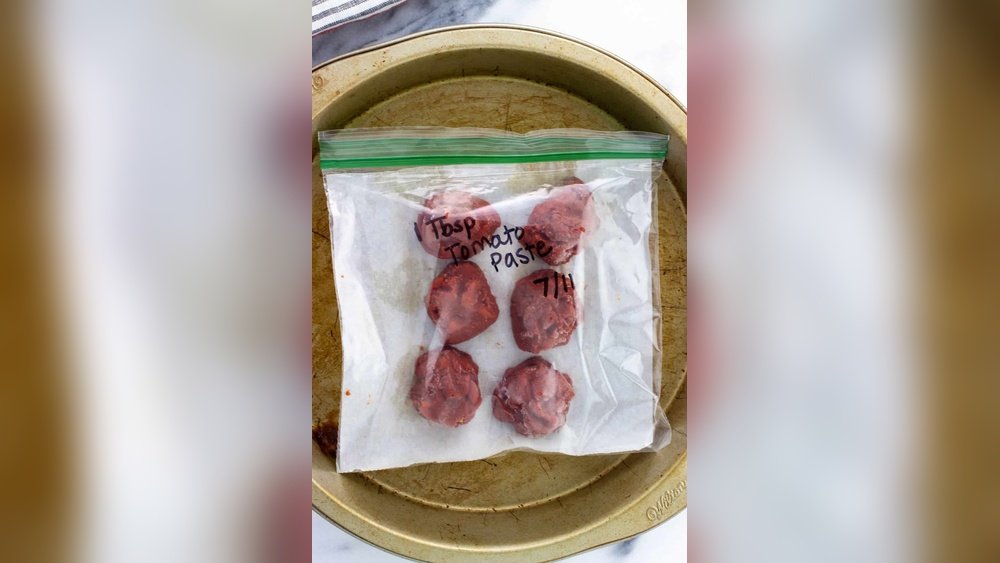
Storing leftover tomato paste can be a real challenge. You open a can, use a spoonful, and suddenly you’re left wondering what to do with the rest. Throwing it away feels wasteful, but keeping it in the fridge often leads to mold or strange smells in just a few days. The good news: freezing tomato paste is an easy, smart way to make the most of every can, tube, or homemade batch.
In this guide, you’ll discover everything you need to know about freezing tomato paste. You’ll learn the best methods, which containers work, how long it keeps, how to thaw it, and what mistakes to avoid. Even if you’ve never frozen food before, you’ll find step-by-step instructions, tips, and expert answers to the questions people ask most.
Why Freeze Tomato Paste?
Freezing tomato paste is about more than just saving money. It helps with food safety, convenience, and flavor. Unlike refrigeration, which only preserves tomato paste for 5–7 days, freezing can keep it fresh for up to 3 months or more.
This means you can use high-quality tomato paste anytime, without last-minute shopping trips or worrying about spoilage.
Many cooks are surprised to learn that freezing does not damage the taste or color of tomato paste. When stored correctly, it returns to its original texture and flavor after thawing. This is a simple, powerful way to cut down on waste and always have a key ingredient ready for soups, sauces, and stews.
Picking The Right Tomato Paste
Before you freeze, it helps to know your tomato paste. Canned, tubed, and homemade tomato pastes all freeze well, but there are small differences.
- Canned tomato paste: The most common type. After opening, transfer leftovers to a new container before freezing.
- Tomato paste in tubes: More concentrated and often has a smoother texture. You can freeze leftover paste directly from the tube or squeeze it out and portion.
- Homemade tomato paste: Fresh and flavorful. Make sure it is cooled to room temperature before freezing.
Some brands contain added salt, oil, or spices. These additives do not affect freezing, but they may change how you use the paste after thawing. Always check the label for any extra ingredients.
Preparing Tomato Paste For Freezing
Preparation is key for great results. These steps work for all types of tomato paste.
- Cool the paste: If you made the paste at home, let it cool completely.
- Stir well: Mixing helps keep the texture smooth after freezing.
- Remove air: Air leads to freezer burn and flavor loss. Smooth the surface and press out air from bags or containers.
Portioning For Easy Use
One of the biggest advantages of freezing is portion control. Tomato paste is often used in small amounts, so freezing in single-use sizes saves time and avoids waste. Here are popular ways to portion:
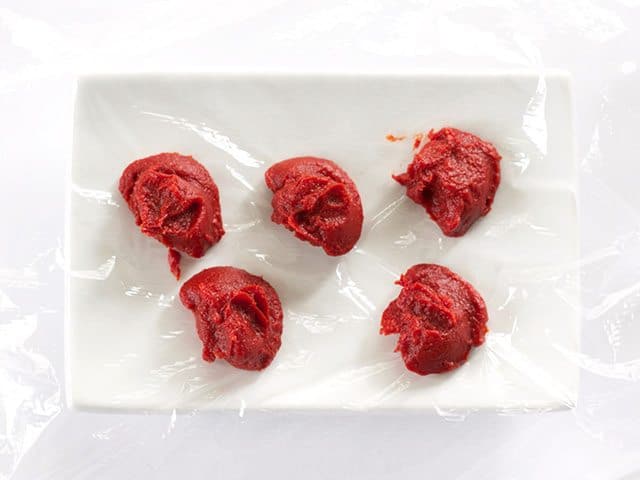
- Tablespoon mounds: Place 1-tablespoon portions on a lined tray or plate.
- Ice cube trays: Each cube holds about 1 tablespoon. Perfect for recipes.
- Teaspoon dollops: For recipes needing just a hint of tomato flavor.
Portioning before freezing means you can grab just what you need, straight from the freezer.
Best Containers For Freezing Tomato Paste
Choosing the right container is crucial for maintaining freshness and stopping freezer burn. Not all containers are equal.
| Container Type | Pros | Cons | Best For |
|---|---|---|---|
| Ice Cube Trays | Easy to portion; reusable | Need to transfer cubes to bags later | Small amounts, frequent use |
| Freezer Bags | Flexible, saves space, air removal easy | Can puncture or leak if handled roughly | Large batches, stacking |
| Small Glass Jars | No plastic taste; airtight | Heavy; need extra freezer space | Homemade paste, longer storage |
| Plastic Containers (BPA-free) | Reusable, come in many sizes | Some absorb odors; need sealing well | All types, repeated freezing |
| Parchment Paper Wraps | No sticking, easy to unwrap | Needs an extra bag for protection | Quick freezing, soft paste |
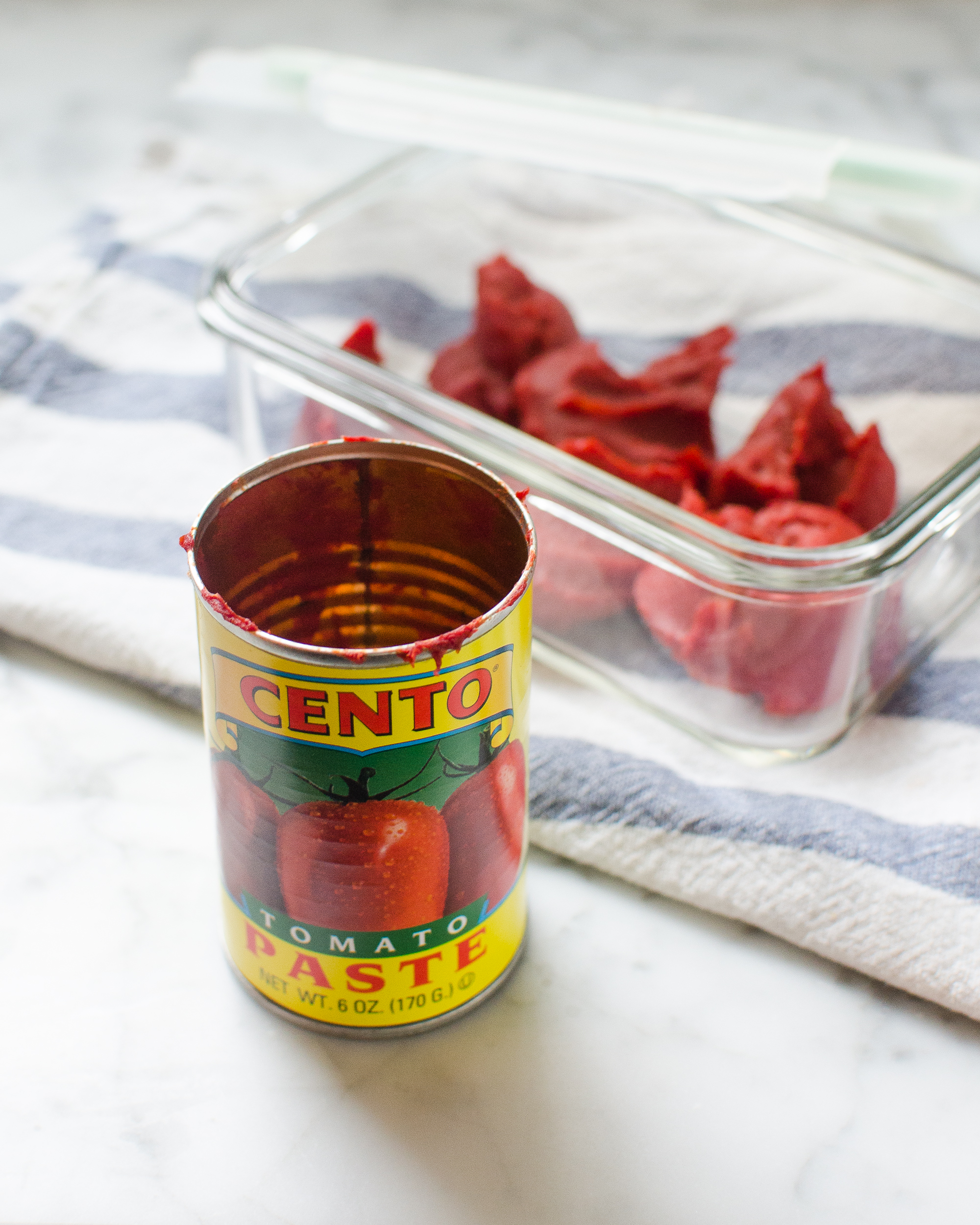
Pro Tip: Avoid freezing in metal cans. The acid in tomato paste can react with metal over time, affecting taste and safety.
Credit: www.thekitchn.com
Step-by-step: How To Freeze Tomato Paste
Freezing tomato paste is simple, but following the right steps makes a difference in quality.
Method 1: Freezing In Ice Cube Trays
- Spoon tomato paste into tray: Fill each section with 1 tablespoon.
- Level the top: Smooth with the back of a spoon for even freezing.
- Cover the tray: Wrap with plastic wrap or slide into a freezer bag to prevent odors.
- Freeze until solid: Usually takes 2–4 hours.
- Transfer cubes: Pop out frozen cubes and store in a labeled freezer bag.
Method 2: Freezing In Small Containers
- Spoon paste into container: Fill to about 1/4 inch from the top to allow for expansion.
- Seal tightly: Use an airtight lid.
- Label and date: Write the freezing date and portion size.
- Freeze: Place in the coldest part of your freezer.
Method 3: Freezing Flat In Bags
- Spoon paste into a freezer bag: Use a spatula to get every bit.
- Flatten the bag: Lay flat and gently press out air.
- Seal and label: Make sure it’s airtight.
- Freeze flat: This saves space and lets you break off small pieces later.
Method 4: Parchment Paper Portions
- Spoon paste onto parchment paper: Make small mounds, each about a tablespoon.
- Wrap each mound: Fold parchment over each portion.
- Place in freezer bag: Squeeze out the air.
- Freeze: Portions stay separate and are easy to grab.
Expert Insight: For the best texture, use a spoon dipped in oil to portion sticky tomato paste. It slides off easily and doesn’t leave a mess.
How Long Can You Freeze Tomato Paste?
Tomato paste lasts a long time in the freezer, but not forever. Here’s what you need to know about freezer life and how quality changes over time.
| Storage Method | Best Quality Up To | Usable Up To |
|---|---|---|
| Ice Cube Tray Portions | 2 months | 3 months |
| Freezer Bags/Containers | 3 months | 4 months |
| Parchment Wraps | 2 months | 3 months |
| Vacuum-Sealed Bags | 4 months | 6 months |
After these times, tomato paste is still safe to eat if frozen solid, but the flavor and texture can start to fade. Always label bags and containers with the date you freeze them.
Thawing And Using Frozen Tomato Paste
Defrosting tomato paste is fast and easy. Because the portions are small, you usually don’t need to thaw before adding to hot dishes.
How To Thaw Tomato Paste
- Direct to pan: Toss a frozen cube or portion straight into your soup, sauce, or stew. It melts in seconds.
- Microwave: Place a portion in a microwave-safe bowl. Heat for 10–15 seconds at a time.
- Fridge thawing: If you need a softer paste, transfer to the fridge for 1–2 hours.
Common Mistake: Never refreeze tomato paste after thawing. This affects both taste and safety.
Using Thawed Tomato Paste
Once thawed, tomato paste works exactly like fresh. Stir well before adding to recipes. Use within 2 days if kept in the fridge after thawing.
Pro Tip: Frozen tomato paste can be blended directly into salad dressings, marinades, or dips without thawing. The paste dissolves quickly.
Mistakes To Avoid When Freezing Tomato Paste
Even experienced cooks can run into problems when freezing tomato paste. Here are the most common mistakes—and how to avoid them.
- Freezing in the original can: This can lead to metallic taste and rust.
- Not removing enough air: Air causes freezer burn, which ruins flavor and color.
- Forgetting to label: It’s easy to mistake tomato paste for other red sauces in the freezer.
- Using large containers: Big blocks take too long to thaw and often lead to waste.
- Not portioning: Freezing in large amounts makes it hard to use just a little at a time.
- Leaving too long in freezer: After 3–4 months, tomato paste can lose its punch.
- Not sealing tightly: Loose lids or bags let in odors and moisture.
Non-obvious insight: If you use tomato paste often, keep a small bowl of frozen cubes in your fridge freezer section for easy access. Refill from your main freezer supply every week.
Credit: www.budgetbytes.com
Creative Ways To Use Frozen Tomato Paste
You don’t have to limit yourself to sauces and soups. Frozen tomato paste works in many dishes and saves time on busy days.
- Quick pizza sauce: Melt a cube with herbs for instant sauce.
- Savory oatmeal: Stir in a little paste, salt, and olive oil for a Mediterranean flavor.
- Homemade ketchup: Thaw and mix with vinegar, sugar, and spices.
- Tomato vinaigrette: Blend with oil, vinegar, and garlic for a zesty salad dressing.
- Egg dishes: Add a spoonful to scrambled eggs or frittatas for color and taste.
- Marinades: Mix with lemon juice, garlic, and spices for grilled meats.
Advanced tip: For a smoky flavor, mix a cube of frozen tomato paste with smoked paprika before adding to chili or beans.
Comparing Freezing Tomato Paste To Other Storage Methods
Freezing is not the only way to store tomato paste, but it’s the most practical for most home cooks. Here’s how it compares to other storage methods:
| Method | Storage Time | Flavor Quality | Ease of Use | Food Safety |
|---|---|---|---|---|
| Freezing | 3–4 months | Excellent | High (portionable) | Very safe |
| Refrigeration | 5–7 days | Good | Easy | Needs airtight seal |
| Canning (home) | 6–12 months | Good | Requires skill | Safe if done right |
| Oil cover method | 2–3 weeks | OK, slightly oily | Simple | Medium |
| Store in tube | 1–2 months | Good | Very easy | Safe |
Freezing stands out for both quality and safety, especially if you use tomato paste in small amounts.
How To Tell If Frozen Tomato Paste Has Gone Bad
Even in the freezer, food can sometimes spoil if not handled right. Here’s what to look for:
- Ice crystals or freezer burn: White or gray spots on the surface. This means the paste is drying out.
- Off smell: Tomato paste should smell tangy, not sour or musty.
- Color changes: Dark or brownish color means flavor loss.
- Strange texture: Gritty or watery paste is a sign of freezer damage.
If you notice any of these signs, it’s best to throw the paste away. Good frozen tomato paste should keep its bright red color and smooth consistency.
Non-obvious insight: If you see a small amount of ice on the outside but the paste looks and smells normal, scrape off the ice and use as usual. This is just moisture migration, not spoilage.
Saving Space And Organizing Frozen Tomato Paste
A cluttered freezer can make it hard to find what you need. Here are ways to keep your tomato paste organized:
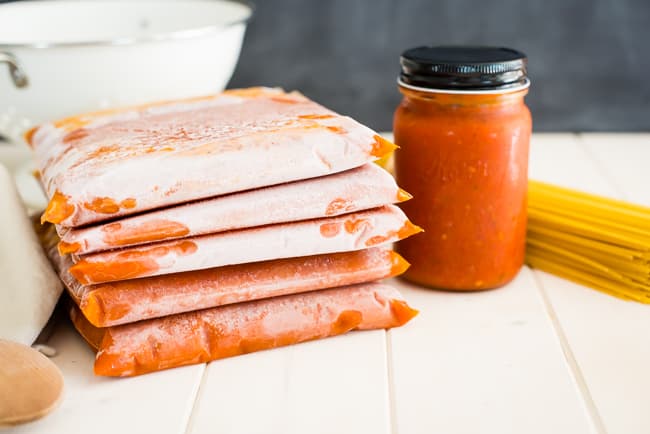
- Use flat bags: Stack them like files in a box.
- Group by date: Put the oldest bags in front.
- Label clearly: Include date and portion size.
- Dedicated freezer bin: Store all tomato-based products together.
Pro Tip: If you freeze tomato paste often, keep a running list of what’s inside on your freezer door.
Credit: ohmyveggies.com
Is It Safe To Freeze Tomato Paste More Than Once?
It’s best to avoid refreezing tomato paste. Each freeze-thaw cycle changes the texture and increases the risk of bacteria growth. If you accidentally thaw too much, use it within 48 hours or add it to a cooked dish.
Expert guidance: For maximum safety, only thaw what you need. Portioning before freezing prevents this common problem.
Environmental Impact Of Freezing Tomato Paste
Freezing food is not just about saving money—it’s also good for the planet. By freezing leftovers, you reduce food waste, which is a major source of greenhouse gases. You also cut down on packaging waste by buying larger cans and freezing small amounts.
Whenever possible, choose reusable containers or freezer bags that you can wash and use again. This small change can make your kitchen more eco-friendly.
When Not To Freeze Tomato Paste
Freezing works for almost all tomato pastes, but there are rare cases where it’s not ideal:
- Very old paste: If paste is close to its expiration date, use it soon instead of freezing.
- Paste with dairy or meat: These spoil faster and don’t always freeze well.
- Recipes with a lot of added oil: High oil content can cause separation.
If in doubt, freeze a small amount as a test before freezing a large batch.
Cost Savings And Convenience
Freezing tomato paste can help you save both time and money. A standard 6-ounce can of paste costs less per ounce than single-use tubes. When you freeze leftovers, you avoid buying extra cans and reduce trips to the store.
Example: If you use 1 tablespoon per week, freezing can save you up to $20 a year by reducing waste.
Convenience tip: Pre-measured frozen portions make cooking faster on busy nights. No more scraping dried paste from cans or guessing at amounts.
Nutritional Value: Does Freezing Change It?
Freezing has almost no effect on the nutritional value of tomato paste. Vitamins and minerals remain stable. The bright red color, which signals healthy antioxidants like lycopene, also stays strong if stored properly.
Fact: According to the USDA, frozen tomato products keep their nutrients for months, as long as they are not exposed to air or light.
Common Questions And Myths About Freezing Tomato Paste
Many home cooks have heard myths about freezing tomato paste. Let’s clear up the facts:
- Myth: Freezing makes tomato paste watery.
- Fact: If you freeze in small portions and remove air, the texture stays smooth.
- Myth: You can’t freeze paste from a tube.
- Fact: Tubed paste freezes just like canned or homemade.
- Myth: Frozen paste loses flavor.
- Fact: Flavor stays strong for up to 3 months if sealed well.
If you want to read more about safe freezing methods, you can check the USDA’s guide on freezing food.
Frequently Asked Questions
How Do I Freeze Tomato Paste From A Can?
Spoon leftover paste into ice cube trays or small containers. Freeze until solid, then transfer to a freezer bag. Label with the date and use within 3–4 months.
Can I Freeze Tomato Paste In The Tube?
Yes. Squeeze the amount you want to freeze onto parchment paper or into a tray, then freeze. Once solid, store in a bag or container. You can also freeze the whole tube if it’s almost empty.
How Do I Use Frozen Tomato Paste In Recipes?
Add frozen cubes directly to hot dishes. For dressings or dips, thaw in the fridge or microwave for a few seconds. Stir well before using.
Will Freezing Change The Taste Or Texture?
No, as long as you portion, seal, and freeze quickly. The flavor and texture remain the same for up to 3 months.
Is It Safe To Freeze Homemade Tomato Paste?
Absolutely. Just let it cool to room temperature first, then freeze using any of the methods described above. Use within 3–4 months for best flavor.
Storing tomato paste in the freezer is one of the simplest kitchen tricks that can change your cooking routine. With just a little preparation, you’ll always have perfectly portioned tomato paste ready for your favorite recipes—no waste, no hassle. Try it once, and you’ll wonder why you ever did it any other way.