
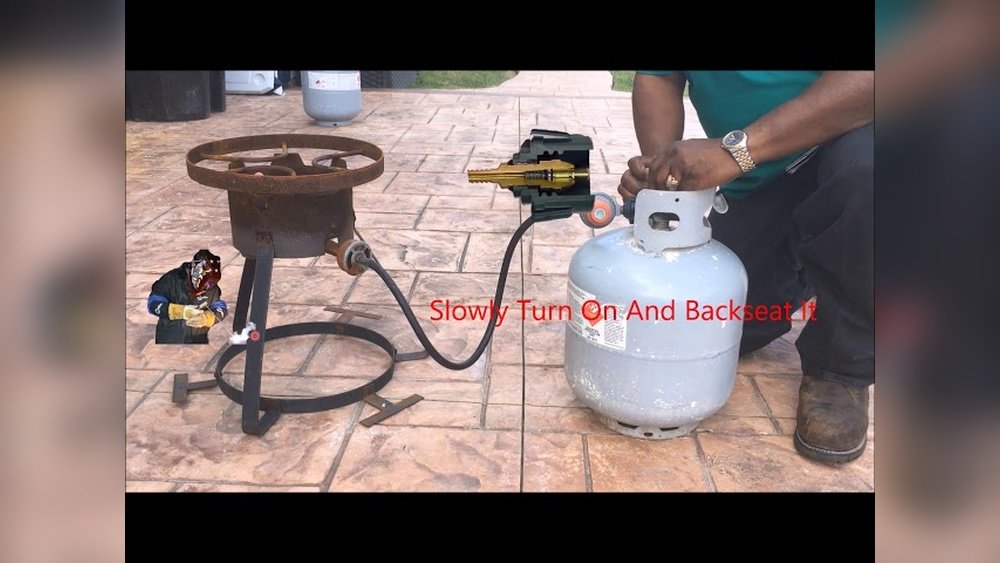
Lighting up a propane stove might seem simple, but doing it safely and correctly is essential. Many people use propane stoves for camping, outdoor cooking, or even as their main kitchen stove. Propane is a powerful fuel, but it’s also highly flammable.
One small mistake can cause a dangerous situation. That’s why it’s important to learn not just how to turn on a propane stove, but also how to prepare, check for leaks, and use it safely.
Whether you’re just starting to cook with propane or you’ve used one for years, you’ll find value in understanding the steps, safety checks, and troubleshooting tips for a smooth experience. In this article, you’ll learn every detail: from understanding the parts of your stove, to turning it on, adjusting the flame, and handling common problems. You’ll also find tables to help you compare propane stoves, and answers to the most common questions. Let’s get started on mastering your propane stove.
Understanding Your Propane Stove
Before you even touch the controls, it’s important to know how a propane stove works. Each stove might look a bit different, but most share the same main parts.
- Burner: Where the flame comes out.
- Control knob: Adjusts the amount of gas and the size of the flame.
- Igniter: Some stoves have a button that creates a spark.
- Regulator: Controls gas pressure from the propane tank.
- Propane hose: Connects the stove to the tank.
- Propane tank: The fuel source.
Some stoves have extra features like wind shields, built-in lighters, or multiple burners. Always read your user manual for specific details.
Types Of Propane Stoves
There are several types of propane stoves. Here’s a simple comparison:
| Type | Main Use | Size | Ignition Method |
|---|---|---|---|
| Single-burner | Camping, Backpacking | Small | Manual or Piezo |
| Double-burner | Family Camping, Outdoor Events | Medium | Manual or Piezo |
| Kitchen Range | Home Kitchen | Large | Electric or Manual |
Manual ignition means you use a match or lighter. Piezo ignition means you push a button to create a spark.
Safety Precautions Before Starting
Propane is safe if you use it correctly. But accidents can happen if you ignore safety. Here’s what you should always do before turning on your propane stove:
- Check for gas leaks. Mix soap and water, then brush it onto the hose and connections. Turn on the gas (don’t light the stove). If you see bubbles, there’s a leak. Tighten connections or replace parts before using the stove.
- Ventilation matters. Never use a propane stove in a closed room. Propane needs fresh air, and burning it makes carbon monoxide, which is dangerous.
- Keep flammable items away. Move paper, cloth, and other flammable things far from the stove.
- Read the manual. Every stove has special instructions. Don’t assume all stoves work the same.
- Check the propane tank. Make sure it’s not damaged or rusty. The valve should turn smoothly.
- Have a fire extinguisher nearby. Always be ready, especially if you’re cooking indoors.
Many beginners forget the soap-water leak test, but it’s one of the simplest ways to prevent accidents.
:max_bytes(150000):strip_icc()/shutting-off-gas-to-the-stove-2718660-hero-033bbdf1503f455e8dcca0f2c668a154.jpg)
Credit: www.thespruce.com
Step-by-step: How To Turn On A Propane Stove
Turning on a propane stove is easy if you follow the right steps. Here’s a clear guide.
1. Set Up The Stove
Place the stove on a flat, stable surface. Make sure it’s not wobbly. If you’re outdoors, choose a spot away from dry grass or overhanging branches.
2. Attach The Propane Tank
- Make sure all the stove controls are OFF.
- Attach the regulator to the propane tank. Screw it in tightly, but don’t force it. You should hear a small hiss as the hose seals.
- Tighten all connections by hand, not with tools.
3. Check For Leaks
- Mix a bit of dish soap with water.
- Brush or spray this on all hose connections.
- Open the propane tank valve slowly.
- Look for bubbles. If you see any, close the valve and fix the leak before moving on.
4. Open The Propane Tank Valve
Turn the valve on the propane tank counterclockwise. Open it fully. This lets gas flow to the stove.
5. Turn On The Burner
- Find the control knob for the burner you want to use.
- If your stove has a piezo (button) igniter: Press and hold the igniter while slowly turning the knob to “light” or “high.”
- If you need to use a match or lighter: Light your match or lighter first, then hold it near the burner while you slowly turn the knob to “light” or “high.”
- You should hear a hissing sound, then see a blue flame.
6. Adjust The Flame
Turn the control knob to make the flame bigger or smaller. A strong, steady blue flame is best for cooking. Yellow or orange flames mean the gas is not burning completely – this can be dangerous or affect cooking.
7. Start Cooking
Once the flame is steady, you can start cooking. Always keep an eye on the stove while it’s on. Don’t leave it unattended, especially if children or pets are nearby.
8. Turning Off The Stove
- When you’re done, turn the control knob to OFF.
- Then, close the propane tank valve by turning it clockwise.
- Wait for the hissing sound to stop. This means no more gas is moving through the hose.
Common Mistakes And How To Avoid Them
Even experienced cooks sometimes make mistakes with propane stoves. Here are some common ones to watch out for:
- Forgetting the leak check. Skipping this step can lead to dangerous leaks.
- Lighting with the gas already on. Always light the match or igniter BEFORE turning on the gas.
- Using the stove indoors without ventilation. This can cause carbon monoxide poisoning.
- Leaving the stove unattended. Fires can start in seconds.
- Using damaged hoses or tanks. Always check for cracks, rust, or wear.
- Not opening the propane valve fully. This can cause a weak flame or make the stove hard to light.
- Over-tightening connections. Hand-tight is usually enough. Too much force can damage the fittings.
How To Adjust The Flame
Cooking needs different flame sizes. Here’s how to get the best flame for your needs:
- Low flame: Good for simmering soups or sauces.
- Medium flame: Use for frying or sautéing.
- High flame: Best for boiling water or searing meat.
If the flame is yellow or orange, the air and gas mix isn’t right. Check for blockages in the burner holes, or make sure the stove is clean. Some stoves have an air adjustment lever near the burner – open or close it until the flame turns blue.
Troubleshooting: If Your Propane Stove Won’t Light
Sometimes, the stove doesn’t light right away. Don’t panic. Here are steps to fix common problems:
- No gas flow: Check that the propane tank valve is open. Make sure the hose is connected tightly.
- Weak or no flame: The regulator might be stuck. Try closing everything, then opening the tank valve slowly.
- Burner holes blocked: Clean out dust, spider webs, or grease with a brush or toothpick.
- Faulty igniter: If the piezo button doesn’t spark, try using a lighter instead.
- Old propane tank: Sometimes, tanks run out faster than you expect. Check the weight or shake it gently – if it feels light, it might be empty.
Here’s a table to help you troubleshoot quickly:
| Problem | Possible Cause | Solution |
|---|---|---|
| No flame | Tank valve closed | Open valve slowly |
| Yellow/orange flame | Dirty burner | Clean burner holes |
| Hissing sound, no flame | Gas but no ignition | Check igniter, try manual lighting |
| Gas smell | Leak in connection | Turn off, check for leaks with soapy water |
Many beginners don’t realize the air lever can adjust flame color. It’s a small detail, but it makes a big difference in cooking quality and safety.

Credit: www.wikihow.com
Cleaning And Maintenance Tips
A clean stove works better and lasts longer. Here’s how to take care of your propane stove:
- Wipe after each use. Let the stove cool, then use a damp cloth to clean spills.
- Clean burner holes. Use a small brush or pin if holes are clogged.
- Check hoses and connections. Look for cracks or damage every few weeks.
- Store the stove dry. Moisture can cause rust.
- Cover when not in use. Keeps out dust and insects.
For long-term storage, disconnect the propane tank and keep it upright in a cool, ventilated place.
Propane Stove Vs Other Stoves
Why use a propane stove instead of electric or butane? Here’s a comparison:
| Feature | Propane Stove | Butane Stove | Electric Stove |
|---|---|---|---|
| Portability | High | High | Low |
| Fuel Availability | Easy to find | Less common | Needs electricity |
| Performance in cold | Good | Poor | Depends on power source |
| Setup Time | Quick | Quick | Instant |
| Running Cost | Low/Medium | Medium | Medium/High |
Propane stoves are a top choice for outdoor cooking because they work well in cold weather and are easy to set up.

Credit: www.youtube.com
Essential Accessories For Propane Stove Use
Cooking with propane can be easier if you have the right tools:
- Long lighter or matches: For safe manual lighting.
- Heat-resistant gloves: Protect your hands.
- Windshield: Blocks wind and saves fuel outdoors.
- Sturdy cookware: Thick-bottomed pans work best.
- Fuel gauge: Helps you know how much propane is left.
- Spare hose and regulator: For emergencies.
One overlooked accessory is a windshield. Even a light breeze can blow out the flame or make cooking slow. Many campers forget this, but it can save time and fuel.
Tips For Safe Cooking With A Propane Stove
Cooking with propane is easy, but safety comes first. Here are some must-follow tips:
- Never leave the stove on unattended. Fires can start quickly.
- Keep children and pets away. Flames are hot and tanks can tip.
- Don’t use in a tent or closed car. Carbon monoxide can build up.
- Don’t overload the stove. Heavy pots can tip the stove over.
- Turn off gas at the tank after use. This prevents leaks.
- Check for gas smells. If you smell gas, turn everything off and ventilate the area before relighting.
- Use proper cookware. Pots with flat bottoms heat more evenly.
- Never move a lit stove. Wait for it to cool before moving.
- Position the tank safely. Place it upright and away from heat sources.
- Stay organized. Keep utensils and food close but not over the flame.
Many users make the mistake of moving the stove while it’s hot. Wait until it’s cool to avoid burns or spills.
What To Do If You Smell Gas
Smelling gas is a warning sign. Here’s what to do right away:
- Turn off the burner and close the propane tank valve.
- Move yourself and others away from the area.
- Don’t light matches, use lighters, or turn on electrical devices nearby.
- Check all hoses and connections for leaks using soapy water.
- Fix the leak or replace faulty parts before using the stove again.
If the smell is strong and you can’t find the source, call the fire department or your local gas supplier for help.
Propane Stove Storage And Transportation
Safe storage and transport of propane tanks and stoves prevent accidents:
- Store tanks upright. Laying them down can cause leaks.
- Keep away from heat. Don’t store tanks near the stove, furnace, or in direct sunlight.
- Transport in a ventilated vehicle. Never keep tanks inside a hot car.
- Use protective caps. These cover the valve and prevent damage.
- Check for local rules. Some places have special rules for storing and moving propane.
Always disconnect the tank from the stove when you’re not using it for a long time.
When To Replace Your Propane Tank Or Parts
Propane tanks and parts do not last forever. Here’s how to know when it’s time for a change:
- Check the expiration date. Most propane tanks last 12 years from the manufacture date (stamped on the tank).
- Look for rust or dents. Damaged tanks are dangerous.
- Replace cracked hoses. Even small cracks can leak gas.
- Change worn regulators. If the flame is weak or the stove is hard to light, the regulator might be old.
- Inspect connections. Loose or worn-out connections should be replaced immediately.
Many people do not realize that propane tanks have an expiration date. Using an old tank can be risky. Always check before refilling.
Environmental Considerations
Propane is a cleaner fuel compared to gasoline or charcoal, but it still has an impact:
- Burns cleaner. Produces less soot and smoke.
- No spills. Propane is stored in a tank, so you don’t spill fuel on the ground.
- Refillable tanks. Reduce waste by refilling instead of throwing away small canisters.
- Recycle old tanks. Many hardware stores take empty tanks for recycling.
If you want to learn more about propane and the environment, check out the EPA’s propane resource.
Propane Stove Myths And Facts
You might hear some strange advice about propane stoves. Here are some myths and the facts:
- Myth: Propane tanks can explode easily.
Fact: Tanks are built with safety features. They rarely explode unless exposed to extreme heat or fire.
- Myth: You can use a propane stove indoors anytime.
Fact: You need good ventilation. Never use in a small, closed room.
- Myth: All flames should be yellow for good heat.
Fact: Blue flames are best. Yellow means incomplete burning and can make food taste bad.
- Myth: Small tanks are always safer.
Fact: Both small and large tanks are safe if used properly.
Advanced Tips For Experienced Users
If you’re comfortable with the basics, here are some advanced tips:
- Use a two-stage regulator for more even flame control, especially with larger stoves.
- Upgrade to a high-pressure hose if you need more heat for large pots.
- Install a quick-connect coupling to switch tanks quickly and safely.
- Preheat the burner in cold weather. Let the stove run on low for 30 seconds before cooking.
- Monitor fuel use. Weigh the tank before and after cooking to measure how much propane you use.
Most people don’t bother with a fuel gauge, but it can save you from running out of gas in the middle of cooking.
Frequently Asked Questions
How Do I Know When My Propane Tank Is Empty?
You can gently shake the tank – if it feels light and you don’t hear liquid sloshing, it’s probably empty. Some tanks have a built-in gauge. Another way is to pour hot water down the side and feel for a cool spot – this shows the propane level.
Can I Use My Propane Stove Indoors?
You can, but only with good ventilation. Open windows and doors. Never use a propane stove in a small, closed space like a tent or bathroom. This prevents carbon monoxide poisoning.
What Should I Do If The Stove Flame Is Yellow?
A yellow flame means incomplete burning. Clean the burner holes. Check if the air adjustment lever is set right. You want a steady blue flame for safe, efficient cooking.
Is It Safe To Leave The Propane Tank Connected When Not Using The Stove?
It’s best to disconnect the tank if you won’t use the stove for a long time. Always close the tank valve tightly. For short breaks (like overnight while camping), closing the valve is enough.
How Do I Clean My Propane Stove?
Wait until the stove is cool. Wipe surfaces with a damp cloth. Clean burner holes with a brush or pin. Check hoses for dirt or insects. Store the stove dry to prevent rust.
Lighting a propane stove is simple when you know the right steps. Always put safety first: check for leaks, work in a ventilated area, and keep flammables away. With practice, you’ll feel confident using your stove for camping, outdoor parties, or even daily cooking. Remember to clean, maintain, and store your stove properly, and it will serve you well for many years.