
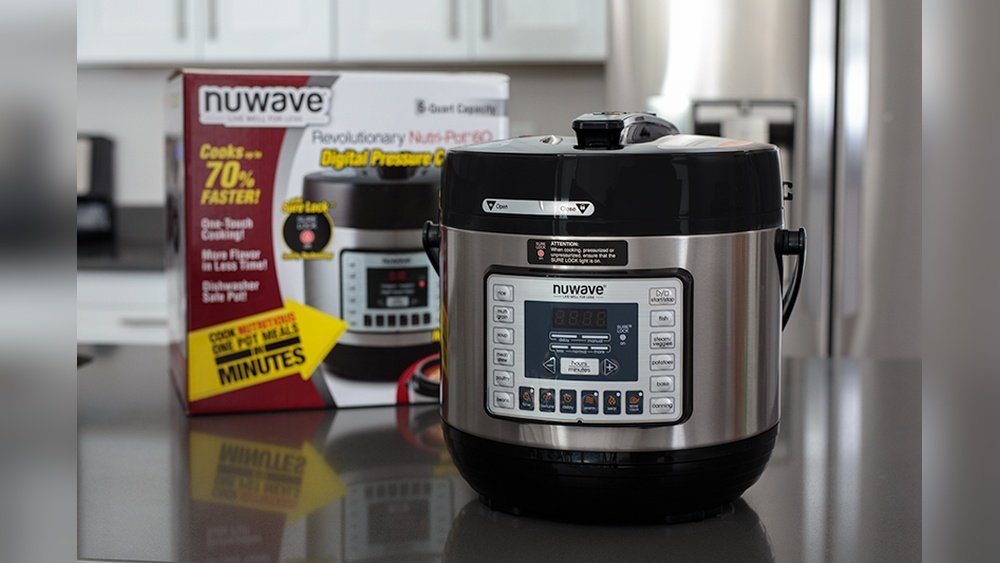
If you want to cook healthy, delicious meals quickly, the Nuwave Pressure Cooker can change how you use your kitchen. People often feel nervous using pressure cookers, especially if it’s their first time or they have only cooked with regular pots. But with the right approach, the Nuwave model is safe, easy, and can become your favorite way to prepare meals. Whether you want to make tender meats, flavorful stews, or even desserts, learning to use this appliance opens up a world of possibilities. This article will guide you through every step, from basic setup to advanced tips, and help you avoid mistakes that beginners often make.
Understanding The Nuwave Pressure Cooker
The Nuwave Pressure Cooker is an electric, programmable kitchen appliance. It combines pressure cooking with safety features and preset cooking programs, making it easier than old stovetop pressure cookers.
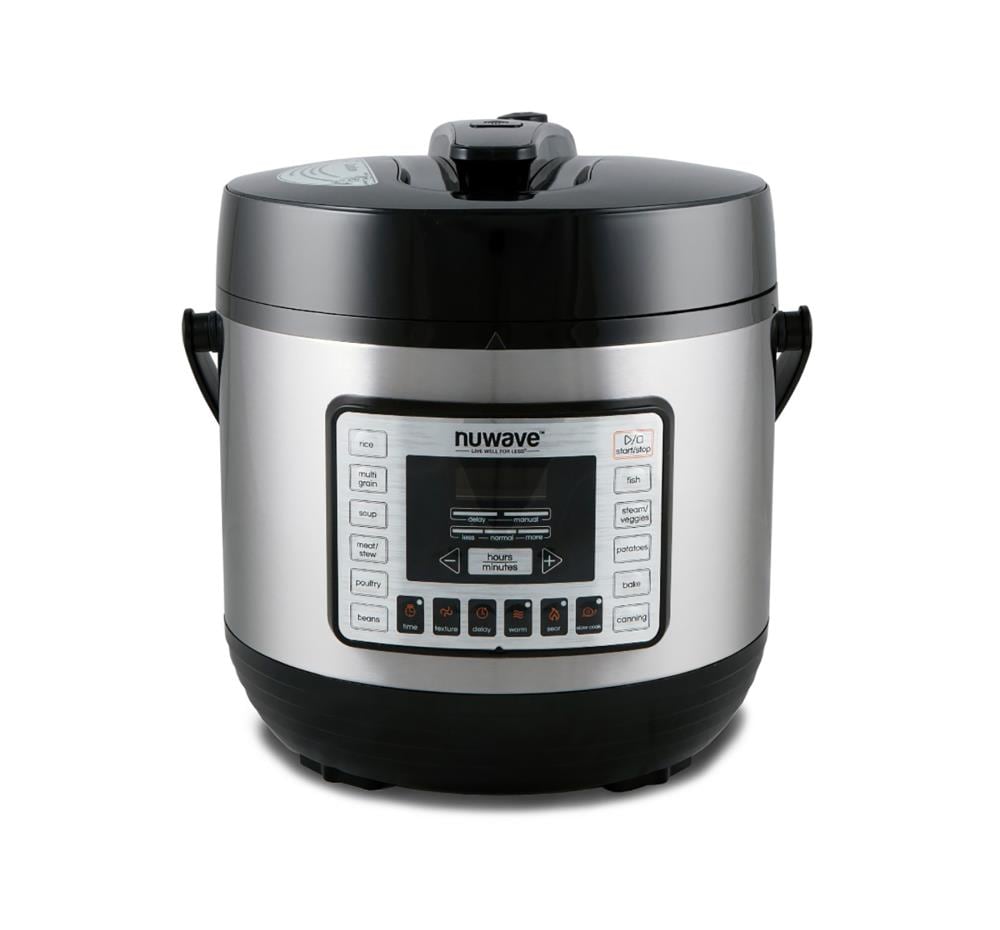
Key Features
- Programmable presets for rice, beans, meat, and more
- Multiple safety mechanisms like lid lock and pressure release valve
- Digital display for easy control
- Keep warm function after cooking
- Removable non-stick pot for easier cleaning
Unlike many traditional cookers, Nuwave models are built for convenience. You don’t need to watch the stove or guess cooking times.
How Pressure Cooking Works
Pressure cooking uses steam trapped inside a sealed pot. When the pot heats up, water inside turns to steam, and pressure increases. This pressure cooks food faster and helps it retain nutrients and flavor. For example, beans that usually take an hour can cook in under 20 minutes.
Setting Up Your Nuwave Pressure Cooker
Before you start cooking, you need to set up your appliance correctly.
Unboxing And Initial Cleaning
- Unpack all parts: You should find the main unit, inner pot, lid, sealing ring, power cord, and accessories like a measuring cup or spoon.
- Wash removable parts: Clean the inner pot, sealing ring, lid, and accessories with warm soapy water. Dry thoroughly. Wipe the main unit with a damp cloth (never immerse it in water).
- Check the sealing ring: Make sure the silicone ring is fitted snugly around the lid. This ring is critical for holding in pressure.
Placement And Power
- Place the cooker on a flat, heat-resistant surface.
- Keep it away from walls or cabinets to allow steam to vent safely.
- Plug the unit directly into the wall outlet—avoid extension cords, which can overheat.
Water Test (initial Test Run)
Doing a water test helps check the seal and get comfortable with the controls.
- Add 2 cups of water to the inner pot.
- Lock the lid in place and set the valve to the sealed position.
- Select a manual cooking program (like “Steam”) for 5 minutes.
- When it finishes, release pressure using the quick release method (turn valve to vent with a long spoon).
- Open the lid when the float valve drops.
This test checks for leaks and helps you learn how pressure builds and releases.

Credit: us.amazon.com
Cooking With Your Nuwave Pressure Cooker
Now you’re ready to start cooking real meals. Let’s walk through the main steps and options.
Basic Steps For Cooking
- Prepare Ingredients: Cut, measure, and season your food. Add ingredients to the inner pot. Most recipes need some liquid (water or broth), usually at least 1 cup, to build steam.
- Close the Lid: Align the lid with the cooker. Turn it until you hear a click and see that it’s locked.
- Set the Valve: Make sure the pressure release valve is set to sealed.
- Select a Program: Use the digital controls to pick a preset (like “Rice” or “Soup”) or set your own time and pressure level.
- Start Cooking: Press “Start.” The display shows “On” while building pressure. Once pressure is reached, the timer starts counting down.
- Release Pressure: When done, you can let pressure release naturally (wait until the float drops) or use quick release (carefully turn the valve to vent).
Manual Vs. Preset Programs
The Nuwave Pressure Cooker offers both manual controls and preset programs. Presets are good for common foods like rice, beans, or poultry. But manual mode lets you set custom cooking times and pressures for more control.
When To Use Manual:
- When cooking large cuts of meat or unusual recipes
- When following recipes not made for Nuwave presets
When To Use Presets:
- For rice, beans, soup, and stews
- For quick, everyday meals
Minimum And Maximum Fill Levels
Never fill the pot above the MAX line. For foods that expand or foam (like rice, beans, or grains), fill only halfway. Overfilling can block the vent and cause problems.
Adding Liquid
Pressure cookers always need some liquid. Without enough, the cooker can’t build pressure and may give an error code. As a rule:
- At least 1 cup of water or broth for most recipes
- More for foods that absorb liquid (rice, beans)
- Avoid thick sauces or dairy as the main liquid, which can scorch
Release Methods: Natural Vs. Quick Release
How you release pressure changes the final result. Nuwave offers two main methods:
Natural Pressure Release (npr)
Let the cooker sit after the timer ends. Pressure slowly drops as the food continues to cook in the hot steam. This is best for:
- Large cuts of meat (keeps them juicy)
- Soups and stews (reduces splatter)
- Foods that foam or expand
Natural release can take 10–30 minutes.
Quick Release (qr)
Turn the valve to vent as soon as the timer ends. Steam rushes out quickly, stopping the cooking process. Use this for:
- Vegetables
- Seafood
- Foods you don’t want overcooked
Be careful—steam is hot! Use a long spoon and keep hands away from the vent.
Comparison Of Release Methods
Here’s a simple comparison to help you decide:
| Release Method | Best For | Time Needed | Risks |
|---|---|---|---|
| Natural Release | Meat, soups, beans | 10–30 minutes | Food keeps cooking |
| Quick Release | Veggies, seafood | 1–2 minutes | Hot steam, splatter risk |
Common Recipes And Cooking Times
You can cook almost anything in a Nuwave Pressure Cooker. Here are some popular foods and their typical cooking times:
Sample Cooking Times
| Food | Pressure Level | Time (Minutes) | Release Method |
|---|---|---|---|
| White Rice | High | 4–6 | Natural |
| Chicken Breast | High | 8–10 | Quick |
| Beef Stew | High | 30–35 | Natural |
| Pinto Beans (unsoaked) | High | 30–35 | Natural |
| Vegetables | High | 2–4 | Quick |
Example: Cooking Rice
- Rinse 1 cup of rice and add to the pot with 1 cup of water.
- Close lid, set valve to sealed.
- Select “Rice” preset or manual high pressure for 4 minutes.
- Let pressure release naturally for 10 minutes, then quick release any remaining steam.
Example: Making Beef Stew
- Brown beef in the pot (use the “Sauté” function if available).
- Add vegetables, seasonings, and 2 cups of broth.
- Close lid, set valve to sealed.
- Cook on high pressure for 30 minutes.
- Natural release for 15 minutes, then quick release.
Advanced Cooking Functions
The Nuwave Pressure Cooker is more than just a pressure cooker. It often includes extra features like:
Sauté/brown Function
You can brown meat or onions in the inner pot before pressure cooking. This adds flavor and keeps things simple—no extra pans needed.
Slow Cook
Use your Nuwave as a slow cooker by choosing the “Slow Cook” setting. This is good for dishes you want to cook over several hours, like pulled pork or chili.
Steam
Great for vegetables, fish, or dumplings. Place food in a steam basket above the liquid.
Delay Start
Set up your meal in the morning and delay the cooking start time so dinner is ready when you get home. Only use this for foods that are safe to sit at room temperature (not raw meat with liquids).
Cleaning And Maintenance
Keeping your Nuwave Pressure Cooker clean ensures it works well and lasts longer.
After Each Use
- Unplug and let the unit cool completely.
- Remove the inner pot and wash with warm soapy water.
- Clean the lid, sealing ring, and accessories.
- Wipe the main unit with a damp cloth.
Weekly/monthly
- Remove the silicone sealing ring and clean it to prevent odors.
- Check the float valve and pressure release valve for food buildup.
- Wash the condensation collector (if your model has one).
Deep Cleaning Tips
- For stubborn stains, soak the inner pot with water and a little vinegar.
- If the sealing ring smells, soak it in baking soda and water.
- Never use harsh chemicals or steel wool, which can damage surfaces.
Storage
Store the cooker with the lid upside down or separate to prevent odors. Make sure the sealing ring is dry before storing.
Safety Tips And Common Mistakes
Pressure cookers are safe when used correctly, but mistakes can happen. Here’s how to avoid trouble.
Safety Features
- Lid Lock: The lid won’t open until pressure is released.
- Pressure Release Valve: Lets you control steam release.
- Float Valve: Shows when the cooker is pressurized.
Common Mistakes To Avoid
- Forgetting to add enough liquid: The cooker won’t build pressure and may show an error.
- Overfilling: Can block vents and cause mess or safety risks.
- Blocking the release valve: Never cover or block the steam vent.
- Opening before pressure drops: Always check the float valve has dropped before opening.
- Using the wrong sealing ring: Old or cracked rings can’t hold pressure.
- Cooking dairy or thick sauces: These can scorch and trigger the burn warning.
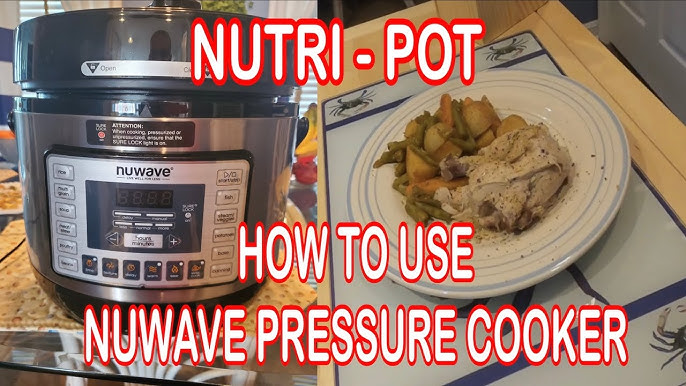
Two Insights Beginners Miss
- Preheating takes time: The timer starts only after pressure is reached. If your recipe says “10 minutes,” actual total time might be 15–20 minutes including preheating.
- Release method affects texture: Using quick release for meats can make them tough, while natural release keeps them tender.
Credit: www.youtube.com
Troubleshooting Common Problems
If your Nuwave Pressure Cooker isn’t working as expected, here’s what to check.
Error Codes
- E1/E2: Usually means overheating. Check for enough liquid and clean the pot bottom.
- Lid not locked: The unit won’t start if the lid isn’t closed properly.
- Steam leaking: Check the sealing ring is in place and clean.
Food Not Fully Cooked
- Double-check the recipe and amount of liquid.
- Cut large pieces smaller for more even cooking.
- If needed, close the lid and cook for a few more minutes.
Burn Warning
- Caused by stuck food or too little liquid. Stop cooking, stir, and add more liquid.
Choosing The Right Settings For Each Meal
With all the options available, picking the right settings can be confusing. Here’s a quick guide.
| Food Type | Preset/Manual | Pressure Level | Release Method |
|---|---|---|---|
| Rice | Preset | High | Natural |
| Poultry | Manual | High | Quick |
| Beans | Preset or Manual | High | Natural |
| Vegetables | Manual | High | Quick |
| Stew | Manual | High | Natural |
Tips For Getting The Best Results
You can make your meals even better with a few simple tips.
- Layer flavors: Sauté onions and spices before adding the main ingredients for deeper flavor.
- Cut food evenly: Similar sizes cook more evenly under pressure.
- Don’t rush the release: Especially with meats, natural release makes a big difference in texture.
- Use broth instead of water: Adds more flavor to rice, beans, and stews.
- Thicken after cooking: If you want a thick sauce, add cornstarch or flour at the end, not before pressure cooking.
Cleaning Up After Cooking
Quick cleanup makes pressure cooking more enjoyable.
- Soak the inner pot right after use to prevent stuck-on food.
- Wipe the gasket and lid dry before storing.
- Check the steam vent and float valve for clogs.
- Store the cooker open or with a paper towel in the pot to prevent odors.
Making The Most Of Your Nuwave Pressure Cooker
The Nuwave isn’t just for basic recipes. Explore advanced uses:
- Desserts: Cheesecake, pudding, and rice pudding work well.
- Yogurt: Some models have a yogurt setting; follow instructions for culturing milk.
- One-pot meals: Cook pasta, sauce, and meat together for easy dinners.
- Meal prep: Cook large batches of beans, chicken, or grains and freeze portions.
Using Accessories
Expand your cooking options with racks, baskets, and springform pans. For example:
- Steam rack: Keeps food above water for steaming.
- Egg rack: Holds eggs upright for perfect hard-boiled eggs.
- Cake pan: For baking cakes or cheesecakes.
Comparing Nuwave To Other Pressure Cookers
You might wonder how the Nuwave stacks up against other popular brands like Instant Pot or Power Pressure Cooker XL.
| Feature | Nuwave | Instant Pot | Power Pressure Cooker XL |
|---|---|---|---|
| Preset Programs | Yes | Yes | Yes |
| Sauté Function | Yes (on some models) | Yes | Yes |
| Digital Display | Yes | Yes | Basic |
| Price Range | Mid | Mid–High | Low–Mid |
| Safety Features | Multiple | Multiple | Basic |
Nuwave is a strong choice for easy controls and value. Instant Pot offers more accessories and recipes online, but the Nuwave is just as capable for most home cooks.
Credit: www.lowes.com
Where To Find Recipes And Support
There’s a world of recipes you can try. Nuwave’s official website offers recipes, and you can find community groups and YouTube videos with step-by-step instructions. For more in-depth information on pressure cooking safety and tips, you can check resources like Wikipedia’s Pressure Cooking page.
Frequently Asked Questions
What Is The Minimum Amount Of Liquid Needed In The Nuwave Pressure Cooker?
You should use at least 1 cup of liquid (water or broth) for most recipes. This ensures there’s enough steam to build pressure and cook food properly. Always check your recipe for specific amounts.
Can I Cook Frozen Meat In The Nuwave Pressure Cooker?
Yes, you can cook frozen meat directly in the cooker. Add a few extra minutes to the usual cooking time. Make sure there is enough liquid and that the pieces are separated, not stuck together in a block.
How Do I Clean The Sealing Ring If It Smells?
Remove the sealing ring and soak it in a mixture of baking soda and water. You can also run it through the dishwasher. Store it separately from the cooker to help prevent odors.
Why Isn’t My Pressure Cooker Reaching Pressure?
Common reasons include not enough liquid, the sealing ring not properly in place, food blocking the steam vent, or the lid not locked. Check each part, add more liquid if needed, and try again.
Is It Safe To Leave The Nuwave Pressure Cooker Unattended?
Yes, the Nuwave is designed with safety features like automatic shut-off and lid lock. However, always follow the instructions and keep the appliance away from flammable materials. It’s best to stay nearby the first few times until you’re comfortable with how it works.
Cooking with a Nuwave Pressure Cooker is both safe and simple when you know the basics. With the right approach, you’ll enjoy tasty, healthy meals in a fraction of the time—and with much less effort. Give yourself time to learn, and soon, you’ll wonder how you ever cooked without it.