
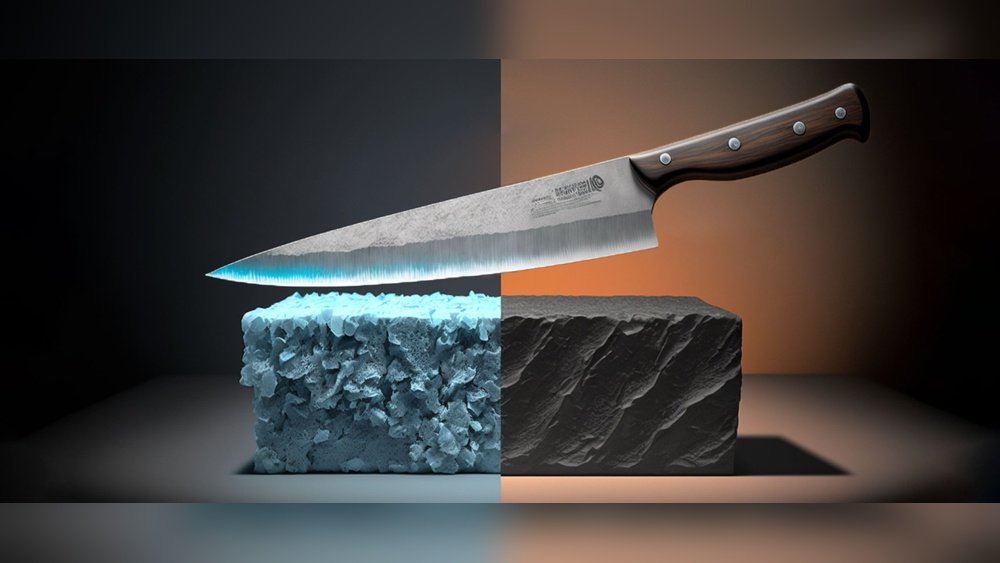
Many people who use sharpening stones—whether for knives, chisels, or other tools—are surprised to discover that not all stones are the same. Some are made to be used with oil, while others require water. If you use the wrong liquid, you can damage both your sharpening stone and your tools. Unfortunately, when you buy or inherit a stone, the packaging or instructions are often missing. So, how can you tell if a sharpening stone is oil or water? This guide explains everything you need to know to confidently identify the difference, avoid common mistakes, and get the best results from your sharpening routine.
Why It Matters: Oil Vs. Water Stones
At first glance, oil stones and water stones might look similar, but they work differently. Oil stones are made to be used with honing oil. Water stones use water as their lubricant. The right liquid keeps the surface clean, helps the stone cut more efficiently, and prevents damage.
If you use oil on a water stone, the stone can clog and become almost useless. If you use water on an oil stone, it won’t lubricate properly and the stone will wear out faster. Worse, your tools may not get sharp—or could get scratched.
That’s why it’s so important to know what kind of stone you have.
Understanding Sharpening Stone Types
There are several types of sharpening stones:
- Oil stones – Usually made from aluminum oxide, silicon carbide, or natural materials like Arkansas stone.
- Water stones – Often synthetic (like Japanese water stones) or natural stones from certain regions.
- Diamond stones – Use a metal plate with diamond particles. Some work with water, some with oil, and some dry.
- Ceramic stones – Usually used dry or with water, but less common for heavy sharpening.
This article focuses on traditional oil stones and water stones, as these are most often confused.
Key Differences Between Oil And Water Stones
Let’s look at the most important differences you can observe.
Material And Construction
- Oil stones: Usually feel harder and heavier. They’re made from materials like novaculite (Arkansas), aluminum oxide (India), or silicon carbide (Crystolon).
- Water stones: Often feel lighter and softer. They’re made from bonded abrasive particles and can wear down faster.
Surface Texture
- Oil stones: Have a denser, smoother surface. They don’t absorb water quickly.
- Water stones: Feel slightly rougher and more porous. They soak up water rapidly.
Lubrication
- Oil stones: Always use a light honing oil. Never use water.
- Water stones: Always use water. Oil can clog them permanently.
Typical Brands And Origins
- Oil stones: Norton India, Arkansas, Carborundum.
- Water stones: King, Shapton, Naniwa.
10 Practical Ways To Tell If A Sharpening Stone Is Oil Or Water
1. Check For Markings Or Labels
Some stones have brand names, numbers, or words printed or etched on the side. Look for terms like:
- “India,” “Crystolon,” or “Arkansas”—often mean oil stone.
- “King,” “Naniwa,” or “Shapton”—usually water stone.
- Grit numbers (like 1000, 6000) are common on water stones, but not always.
If you see a clear brand or model, search online for details. Many manufacturers publish guides.
2. Observe The Stone’s Appearance
- Color: Oil stones often come in gray, brown, or black. Water stones are often white, cream, orange, or light gray, but this isn’t always the case.
- Speckles or patterns: Natural Arkansas stones may show faint lines or swirls. Japanese water stones can have a more uniform look.
- Edges and finish: Water stones often have sharp, crisp edges from being cut, while oil stones may have slightly rounded edges.
3. Feel The Weight And Hardness
Pick up the stone. Oil stones generally feel denser and heavier for their size. Water stones are lighter and softer; you can often scratch them with a fingernail.
4. Perform The Water Absorption Test
This test is simple:
- Place a drop of water on the stone’s surface.
- If the water sinks in quickly and the stone darkens, it’s likely a water stone.
- If the water beads up and stays on the surface, it’s probably an oil stone.
Caution: If the stone has been oiled before, water might bead up even on a water stone. In that case, go to the next test.
5. Try The Oil Absorption Test
- Place a small drop of light mineral oil on the surface.
- If the oil soaks in slowly or stays on the surface, it’s likely a water stone.
- If the oil spreads out and absorbs, it’s probably an oil stone.
Tip: Use only a small amount. Clean the stone after testing.
6. Examine The Stone’s History
If you got the stone from someone, ask how they used it. If they always used oil, the stone is almost certainly an oil stone. If they used water, it’s a water stone. If they don’t remember, continue with physical tests.
7. Check For Residue Or Build-up
- Oil stones often have a shiny, greasy surface or dark residue from old oil and metal particles.
- Water stones usually have a chalky or powdery residue from metal filings mixed with water.
8. Rub The Stone With Your Finger
Rub your dry finger across the surface:
- If it feels glassy, smooth, and hard, it’s probably an oil stone.
- If it feels slightly gritty or powdery, it’s probably a water stone.
9. Use The Smell Test
This isn’t scientific, but sometimes works. Oil stones, especially older ones, may have a faint mineral oil smell. Water stones usually have no scent.
10. Compare With Known Stones
If you have another stone that you know is oil or water, compare them side by side. Look for similarities or differences in color, texture, and weight.
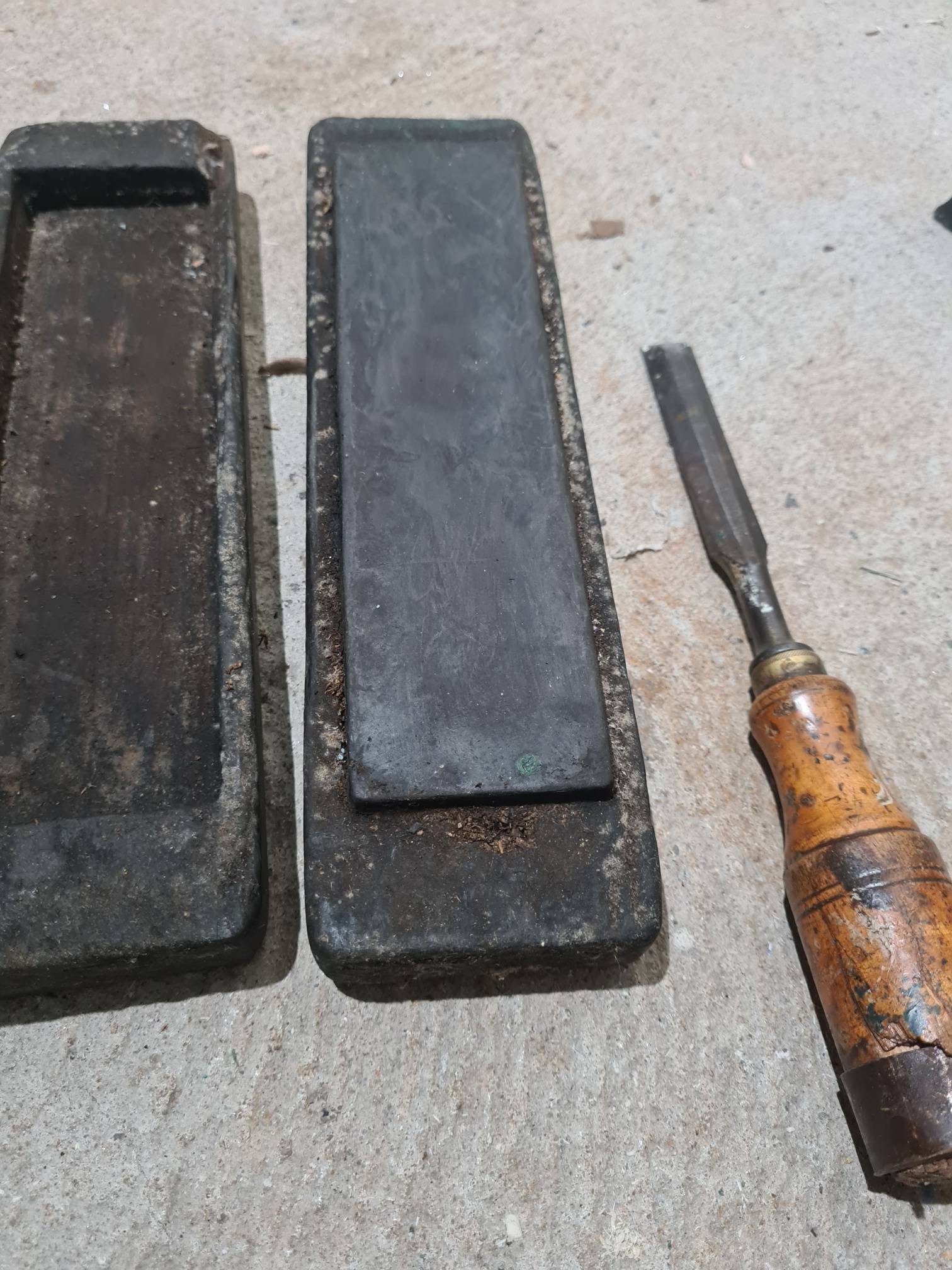
Credit: woodworking.stackexchange.com
Comparison Of Key Features
A quick look at the main physical differences:
| Feature | Oil Stone | Water Stone |
|---|---|---|
| Material | Harder, denser (Arkansas, India) | Softer, porous (synthetic, natural Japanese) |
| Lubricant | Honing oil | Water |
| Surface Feel | Smooth, glassy | Gritty, powdery |
| Absorption | Slow or none | Fast |
Common Mistakes People Make
Using The Wrong Lubricant
Many beginners use oil on a water stone by mistake. This can ruin the stone and make sharpening much harder. If oil gets into a water stone, it’s almost impossible to remove.
Mixing Lubricants
Switching back and forth between oil and water on the same stone causes clogging and uneven wear. Always stick to the correct lubricant.
Assuming All Stones Are The Same
Some people think all sharpening stones can use water or oil. This is not true. Each type is designed for a specific lubricant.
Not Cleaning The Stone
If your stone is clogged or dirty, it won’t work well. Clean oil stones with a brush and mild detergent. Water stones need flattening and rinsing.
What Happens If You Use The Wrong Liquid?
If You Use Oil On A Water Stone
- The stone will clog quickly.
- It will stop cutting efficiently.
- Water cannot clean out the oil, so the stone might be permanently damaged.
If You Use Water On An Oil Stone
- Water will not lubricate well.
- The stone’s surface can glaze over.
- Sharpening will be slow and uneven.
How To Fix A Stone Used Incorrectly
If you’ve used oil on a water stone:
- Try soaking the stone in hot, soapy water.
- Use a stiff brush to scrub the surface.
- Sometimes, a degreaser can help, but often the damage is permanent.
If you’ve used water on an oil stone:
- Dry the stone thoroughly.
- Apply a light coat of honing oil and wipe clean.
- Resume sharpening with oil only.
Unique Insights Most People Miss
Not All Stones Fit Neatly Into Categories
Some stones, like diamond plates, can use both oil and water (or neither), depending on the manufacturer. Always check the instructions.
Environmental Factors Matter
If you live in a very dry climate, water stones may dry out too quickly. In humid areas, oil stones can attract dust and grit. Store your stones properly to keep them in good shape.
Visual Inspection Tips
Here are a few extra clues:
- Arkansas stones are usually white, gray, or black, with a slightly translucent look.
- Synthetic water stones are often brightly colored and may have grit numbers stamped or printed.
- Look for labels like “Medium India” (oil stone) or “Super Stone” (water stone).

Credit: www.reddit.com
How To Care For Your Stone (once Identified)
Once you know if your stone is oil or water, take care of it properly.
For Oil Stones
- Clean with a brush and mild soap after use.
- Apply a few drops of honing oil before each session.
- Store in a dry place, away from dust.
For Water Stones
- Soak in water for 10–15 minutes before use.
- Never store a wet stone in a closed container—mold can grow.
- Flatten regularly with a lapping plate to keep the surface even.
Sharpening Stone Myths And Facts
Myth: You Can Switch A Stone From Oil To Water
Fact: Once an oil stone has absorbed oil, you can’t switch it to water. The oil fills the pores, and water won’t work.
Myth: All Stones Need Lubricant
Fact: Some ceramic and diamond stones are designed to be used dry. Always check the manufacturer’s advice.
Myth: Hard Stones Last Forever
Fact: Even hard stones wear down with use. Flatten your stones regularly.
A Step-by-step Example: Identifying An Unknown Stone
Imagine you find a sharpening stone at a garage sale. There’s no label. Here’s how you might proceed:
- Check for markings. There are none.
- Look at color. It’s gray and has a slightly glassy surface.
- Pick it up. It feels heavy for its size.
- Drop water on it. The water beads up and doesn’t soak in.
- Drop oil on it. The oil spreads out evenly.
- Rub the surface. It feels smooth, not gritty.
Based on these clues, it’s likely an oil stone.
Table: Common Sharpening Stone Brands And Types
| Brand | Stone Type | Recommended Lubricant |
|---|---|---|
| Norton India | Oil Stone | Honing Oil |
| King | Water Stone | Water |
| Shapton | Water Stone | Water |
| Arkansas | Oil Stone | Honing Oil |
| DMT Diamond | Diamond Stone | Water or Dry |

Credit: www.theenglishwoodworker.com
Table: Typical Grit Ranges By Stone Type
| Stone Type | Coarse Grit | Medium Grit | Fine Grit |
|---|---|---|---|
| Oil Stone | 120–400 | 600–1000 | 1200–8000 |
| Water Stone | 220–400 | 1000–3000 | 4000–12000 |
How To Clean And Maintain Your Stone
Proper maintenance keeps your stone performing well.
Cleaning Oil Stones
- After sharpening, wipe off oil and metal filings.
- Use a small amount of mild soap and a stiff brush.
- Rinse and dry completely.
- If clogged, use a special stone cleaning powder.
Cleaning Water Stones
- Rinse under running water while scrubbing with your fingers or a soft brush.
- Flatten with a lapping plate every few uses.
- Air dry before storing.
Real-world Examples
Chef’s Knife Sharpening
A chef inherits two stones. One is a King 1000/6000 (water stone), the other a black Arkansas (oil stone). By looking up the brand and model, the chef learns to use water on the King and oil on the Arkansas, keeping both in top condition.
Woodworker’s Chisel Sharpening
A woodworker buys a used stone at an estate sale. The stone is heavy, has a dark color, and water beads up on the surface. The woodworker identifies it as an oil stone and uses only honing oil for sharpening.
When To Replace Your Sharpening Stone
Even the best stones wear out. Replace your stone if:
- It becomes uneven and can’t be flattened.
- The surface glazes over and won’t cut.
- Cracks develop, making sharpening dangerous.
Where To Find More Information
For more details about stone types, you can visit the Wikipedia page on sharpening stones.
Frequently Asked Questions
What Happens If I Use Oil On A Water Stone?
If you use oil on a water stone, the oil can clog the pores. This makes the stone less effective and difficult to clean. In most cases, you cannot restore the stone to its original condition.
Can I Use Water On An Oil Stone?
Water does not work well on an oil stone. It will not lubricate the surface, and the stone may wear out unevenly. Always use honing oil with oil stones.
How Can I Tell If My Stone Is Synthetic Or Natural?
Natural stones often have unique patterns or color variations. Synthetic stones are more uniform in color and texture. Natural stones may also have brand names like “Arkansas” or “Japanese natural.”
Can I Switch A Stone From Oil To Water Use?
It is not recommended. Once a stone has absorbed oil, you cannot remove it completely. The stone will never work properly with water again.
Do All Sharpening Stones Need Lubricant?
Most stones need a lubricant—either oil or water—to work well. However, some diamond and ceramic stones can be used dry. Always check the manufacturer’s instructions.
Sharpening tools is both an art and a science. Knowing whether your stone is oil or water is the first step to getting the perfect edge. With the tips and insights shared here, you’ll always be able to identify your stone and use it with confidence.
This small knowledge makes a big difference in the sharpness and life of your tools.