
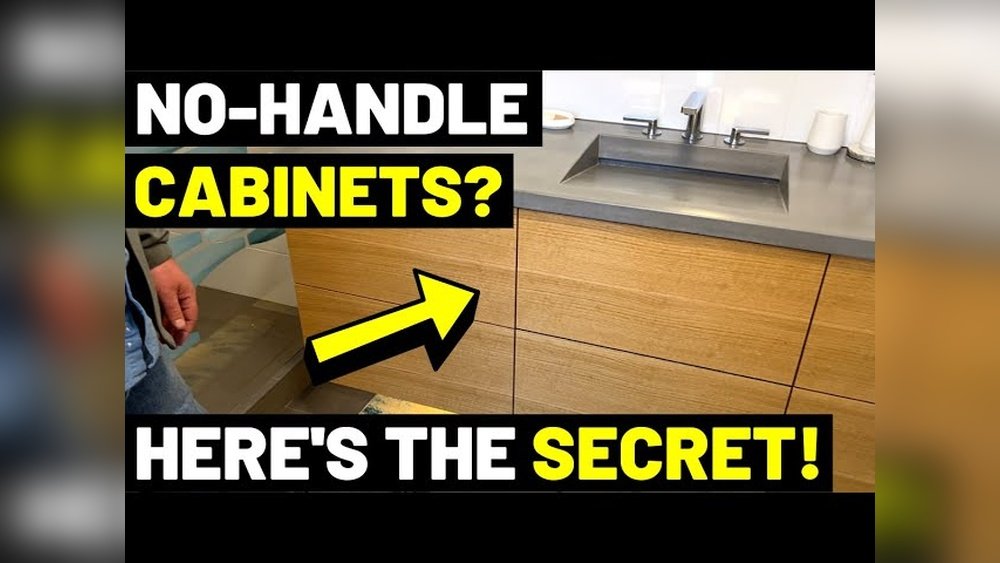
Opening cabinets without handles seems like a small detail, but it can change how your kitchen, bathroom, or office looks and feels. Handleless cabinets are now a popular design choice for people who want a clean, modern look or simply wish to avoid the extra bulk that handles add.
But when you don’t have handles, how do you open your cabinets easily? This question puzzles many homeowners, designers, and DIY enthusiasts.
Many people think handleless cabinets are only about looks, but the way you open them also affects daily convenience, cleaning, and even the cabinet’s lifespan. Some methods are simple and budget-friendly, while others require thoughtful planning or special hardware. The right choice depends on your cabinet style, how much you use them, and your comfort level with small home projects.
In this article, you’ll discover all the main ways to open cabinets without handles. You’ll learn not just the methods, but also their pros, cons, installation details, and practical tips. Whether you’re planning a new kitchen, upgrading old cabinets, or just curious, you’ll find clear answers and helpful advice.
Let’s dive into the world of handleless cabinet solutions.
Why People Choose Cabinets Without Handles
Handleless cabinets are more than a trend; they reflect changes in how people want their spaces to look and work. Here are some main reasons people choose cabinets without handles:
- Modern Aesthetics – No handles means a cleaner, uninterrupted surface. This look fits well with minimalist and contemporary styles.
- Easy Cleaning – Handles can collect dirt, grease, or germs. No handles make wiping cabinets faster and simpler.
- Safety – Without handles sticking out, there’s less chance of bumping or catching clothing, especially in tight kitchens or with small children.
- Space Efficiency – Handleless cabinets sometimes allow for more walking or moving space, important in small rooms.
- Universal Design – Some handleless options are easier for people with arthritis or mobility issues to use.
While handleless cabinets look great, the main challenge is finding a way to open them easily and reliably. The following sections explain all the main solutions.
Push-to-open Mechanisms
One of the most common ways to open cabinets without handles is the push-to-open mechanism. This hardware lets you open a cabinet door by simply pressing on it.
How Push-to-open Works
Push-to-open uses a small spring-loaded device (called a touch latch or push latch) installed inside the cabinet. When you push on the door, the latch pops the door open by a small amount. To close, you just push the door back until it clicks.
Main Types
- Magnetic push latches: Use a magnet to keep the door closed.
- Mechanical push latches: Use a spring-loaded catch instead of a magnet.
Advantages
- Very clean look, as nothing is visible from the outside.
- Works well for both doors and drawers.
- Easy to use even with full hands.
Disadvantages
- The latch can wear out over time if used heavily.
- Can open accidentally if you bump the door.
- Installation requires careful alignment.
Installation Example
- Attach the push latch to the inside of the cabinet frame.
- Attach the striker plate to the back of the door.
- Adjust until the door stays closed but opens with a gentle push.
Common Mistakes
- Placing the latch too close to the edge can make it less effective.
- Not aligning the striker and latch correctly can cause sticking.
When To Use
Push-to-open is a good choice for modern kitchens, bathrooms, and spaces where you want a seamless look without visible hardware.
Integrated J-channel Pulls
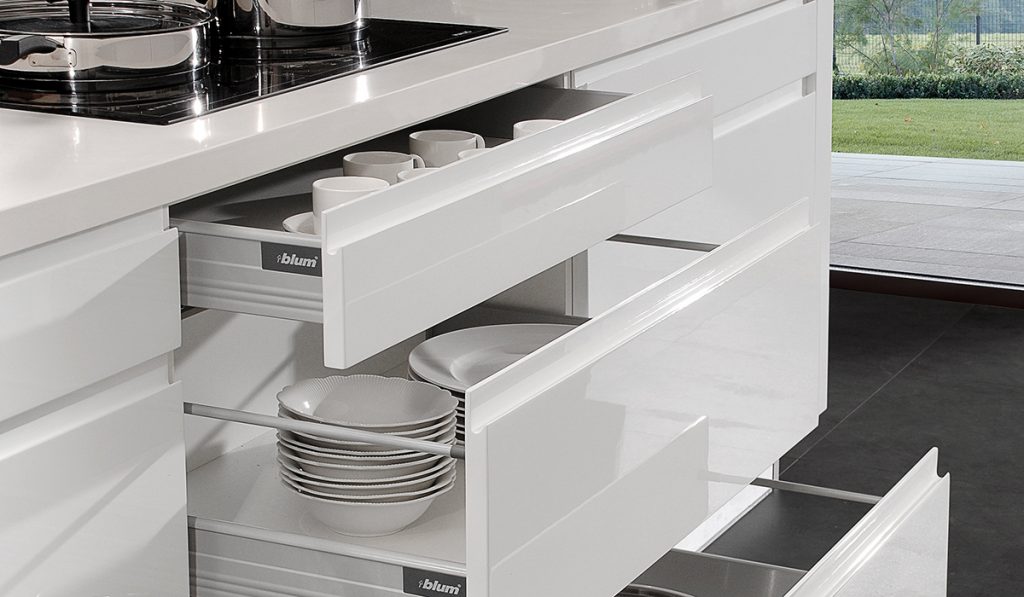
Another popular way to open handleless cabinets is the J-channel pull. Here, a special groove is cut into the cabinet door or drawer front, forming a channel you can grip with your fingers.
How J-channel Pulls Work
The J-channel is an aluminum or plastic profile that is attached to the top or side edge of the cabinet door. The channel’s shape creates a lip or slot you can pull.
Advantages
- Always accessible and doesn’t break easily.
- No extra parts to install after the channel.
- Looks modern and neat.
Disadvantages
- Not 100% “handleless”—the channel is visible.
- Grease and dirt can collect in the groove, so it needs cleaning.
- Retrofitting existing cabinets is hard; best for new cabinets or full refacing.
Example: J-channel Vs. Push-to-open
| Feature | J-Channel | Push-to-Open |
|---|---|---|
| Look | Visible groove | Completely flat |
| Maintenance | Needs cleaning in groove | Minimal |
| Retrofitting | Difficult | Easy |
| Reliability | Very durable | Latch can wear out |
When To Use
J-channel pulls are best for new kitchen builds or remodels, especially when you want a modern look but need a strong, reliable way to open doors.
Overhanging Doors And Drawers
A simple way to get a handleless look is by designing overhanging doors or drawers. The cabinet door or drawer is made slightly longer or with a gap, so you can grip the edge from below or the side.
How Overhangs Work
The bottom of the upper cabinet door or the top of a lower drawer extends past the cabinet box by about half an inch or more. This space allows your fingers to pull the door open.
Advantages
- No hardware needed—just the door itself.
- Easy to clean, as there are no grooves.
- No moving parts that can fail.
Disadvantages
- Not possible on all cabinets; needs careful planning.
- Can collect dust in the overhang gap.
- May not work well for very tall or heavy doors.
When To Use
Best for new cabinet designs or custom cabinets. Overhanging doors are common in mid-century modern or Scandinavian kitchens.

Credit: stylebyemilyhenderson.com
Tip-on (mechanical Touch) Systems
Tip-On is a branded name (often by Blum) for a mechanical touch-to-open system. It’s similar to push-to-open latches but is usually stronger and designed for heavier doors and drawers.
How Tip-on Works
When you press the door or drawer front, a mechanical piston pushes it open about 2 inches. Closing is just a push to snap it shut.
Advantages
- Works well for heavy drawers (like ones with pots and pans).
- No electric parts—less risk of failure.
- Quiet and smooth.
Disadvantages
- More expensive than basic push latches.
- Needs careful installation for proper alignment.
- Not for retrofitting unless you can change drawer runners.
Installation Example
- Install the Tip-On piston inside the cabinet body.
- Align with the drawer or door.
- Adjust the tension to match door weight.
When To Use
Great for high-end kitchens, especially for wide drawers or large pantry doors.
Recessed Pulls
Recessed pulls are small finger holes or indents carved or installed into the cabinet front. You slip your fingers into the recess to pull the door open.
Types Of Recessed Pulls
- Circular finger holes: A simple round hole, often near the edge.
- Edge indents: A groove carved into the top, side, or bottom edge.
- Custom shapes: Triangles, squares, or decorative designs.
Advantages
- Simple and durable.
- Can be added to some existing doors with woodworking tools.
- Can be a design feature.
Disadvantages
- Still slightly visible (not 100% flat).
- Holes may catch crumbs or grease.
- Not always suitable for every cabinet style.
When To Use
Good for mid-century or Scandinavian styles, or for creative DIY updates to plain cabinets.
Electric Push-to-open Systems
Electric push-to-open systems use a small motor or actuator to open the cabinet door or drawer with a gentle push or even a tap.
How Electric Systems Work
When you touch or tap the door, a sensor triggers an actuator that pushes the door open. Some models let you use remote controls or voice assistants.
Advantages
- Effortless—great for people with limited hand strength.
- Can be integrated with smart home systems.
- Opens smoothly and reliably.
Disadvantages
- Expensive and requires power supply.
- Needs professional installation.
- Risk of failure if the power is out.
Example: Electric Vs. Mechanical Push-to-open
| Feature | Electric | Mechanical |
|---|---|---|
| Ease of Use | Very easy | Easy |
| Cost | High | Moderate |
| Power Needed | Yes | No |
| Maintenance | More complex | Simpler |
When To Use
Best for luxury kitchens, universal design projects, or for people with disabilities.
Magnetic Catches
Magnetic catches are simple devices that keep cabinet doors closed with a magnet. While not designed for handleless cabinets, some people use them with small gaps so they can pull the door open by gripping the edge.
How Magnetic Catches Work
A magnet is attached to the cabinet frame, and a metal plate is placed on the door. The magnet holds the door closed.
Advantages
- Cheap and easy to install.
- No moving parts to break.
- Can be used on old cabinets.
Disadvantages
- You need a small gap or lip to grip.
- Not a true handleless look if the gap is visible.
- Not secure for heavy doors or drawers.
When To Use
Works for utility cabinets, closets, or temporary solutions, but not usually for main kitchen cabinets.
Hidden Finger Pulls
Hidden finger pulls are special profiles or hardware pieces attached to the back or underside of the door. They let you pull open the door from a hidden spot.
How Hidden Finger Pulls Work
A thin piece of metal or plastic is installed on the back edge. You reach under or behind to pull the door.
Advantages
- Keeps the outside surface clean and flat.
- Can be retrofitted on some cabinets.
- Inexpensive and simple.
Disadvantages
- Not as ergonomic as a real handle.
- May not work for very thin doors.
- Can be hard to use for people with large hands.
When To Use
Great for upper cabinets or for budget handleless makeovers.
Mitred Edge Cabinets
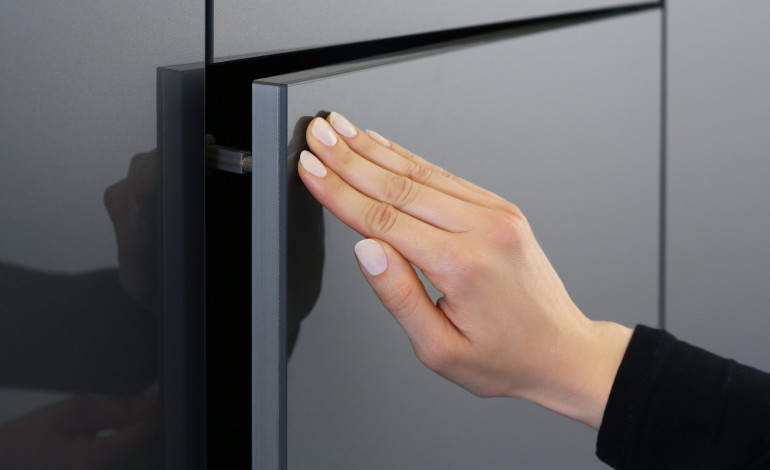
Mitred edge cabinets are a high-end option. Here, the door or drawer front is cut at a 45-degree angle (a “mitre”) so you can grip the edge without a handle.
How Mitred Edges Work
The mitred edge forms a sharp line or groove you can catch with your fingers. This style is often used for drawer fronts and tall pantry doors.
Advantages
- Sleek, seamless look.
- Durable and comfortable to use.
- No extra hardware.
Disadvantages
- Requires skilled woodworking.
- Not possible to add to existing cabinets easily.
- Edges can chip if not done well.
When To Use
Ideal for custom kitchens or high-end modern designs.
Credit: www.titusplus.com
Sliding Cabinet Doors
Some handleless cabinets use sliding doors instead of swinging ones. You open the cabinet by sliding the door sideways on a track.
How Sliding Doors Work
The door sits on a rail and moves left or right. A small groove or lip at the edge lets you grip and slide.
Advantages
- No need for extra space in front of the cabinet.
- Works well for upper cabinets or small rooms.
- No handles or latches.
Disadvantages
- Hard to retrofit to standard cabinets.
- Can be tricky to clean tracks.
- Only one part of the cabinet is open at a time.
When To Use
Great for small kitchens, laundry rooms, or entertainment units.
Using Silicone Bumpers Or Pads
A DIY way to open cabinets without handles is to add silicone bumpers or pads. These soft pads are placed at the corners or edges to make doors easier to grip and open.
How Silicone Bumpers Help
The pads create a small gap when the door is closed, so you can get your fingers behind the edge.
Advantages
- Cheap and easy for DIY projects.
- No drilling or hardware needed.
- Reduces slamming noise.
Disadvantages
- Not as stylish as built-in solutions.
- Can wear out or fall off over time.
- Not suitable for all cabinet styles.
When To Use
Best for renters, quick fixes, or as a test before a bigger remodel.
Soft-close Hinges With Edge Pull
Soft-close hinges can be combined with an edge you can grip, even if the cabinet has no handle. The soft-close function makes opening and closing gentle and quiet.
How This Works
You pull the door from an edge or gap, and the soft-close hinge handles the rest.
Advantages
- Prevents slamming and damage.
- Comfortable for daily use.
- No extra hardware needed for the soft-close function.
Disadvantages
- Needs a small gap to grip.
- Not a true handleless look if the gap is large.
- Can be tricky to retrofit.
When To Use
Good for families or people who want a quieter kitchen.
Comparing Handleless Cabinet Opening Methods
Here’s a summary to help you compare the main methods for opening cabinets without handles:
| Method | Best For | Cost | Retrofit | Maintenance |
|---|---|---|---|---|
| Push-to-Open | Modern, seamless look | Medium | Easy | Replace latch if needed |
| J-Channel | New builds, durability | Medium | Difficult | Clean channel |
| Electric | Luxury, accessibility | High | Hard | Professional service |
| Recessed Pulls | DIY, design feature | Low-Medium | Possible | Minimal |
| Mitred Edge | Custom, luxury | High | No | Edge care |
| Overhang | New cabinets | Low | No | Dust gap |
Practical Tips For Choosing The Right Solution
Opening cabinets without handles is not just about looks; it also affects how you use your kitchen or room every day. Here’s how to choose the right method for your needs:
- Assess Your Usage: If you open drawers many times a day, choose a strong, reliable solution like J-channel or Tip-On.
- Think About Cleaning: Avoid grooves or channels if you want the easiest cleaning.
- Retrofit vs. New: For existing cabinets, stick to push-to-open latches, magnetic catches, or hidden pulls. For new cabinets, all options are open.
- Budget: Electric and mitred edge solutions are the most expensive. Simple mechanical latches or silicone pads cost little.
- Aesthetics: Choose the method that fits your home’s style. Ultra-modern spaces look best with push-to-open or mitred edge.
- Accessibility: For elderly users or people with disabilities, electric push-to-open or large J-channels are best.
- Maintenance: Mechanical systems may need adjusting or replacing over time. Simpler solutions last longer.
Two Insights Most People Miss
- Humidity and Swelling: In kitchens or bathrooms, moisture can cause wood cabinet doors to swell slightly. If your handleless system relies on tight alignment (like push-to-open), swelling can make doors stick or not open smoothly. Always allow a small tolerance during installation.
- Cabinet Door Weight: Many people don’t realize that heavy, wide cabinet doors or drawers need stronger opening systems. Standard push-to-open latches can struggle with heavy doors. Upgrading to Tip-On or electric systems is often needed for big pantry doors or wide drawers.
Real-world Examples
- A family with young kids chose J-channel pulls for their kitchen remodel. The channels are easy for kids to grip but don’t have sharp corners.
- A homeowner with arthritis used electric push-to-open drawers, connected to their smart home system, making it simple to open drawers with a light touch or voice command.
- A small apartment used overhanging door fronts for lower cabinets and push-to-open latches for upper cabinets to balance cost and convenience.
Installation Costs And Considerations
On average, handleless cabinet solutions range in price:
- Push-to-open latches: $3–$10 per latch, plus installation
- J-channel pulls: $20–$40 per linear foot (including material and installation)
- Electric push-to-open: $100–$250 per unit, plus electrician fees
- Mitred edge doors: Usually part of custom cabinetry, often $50+ extra per door
- Silicone bumpers: Less than $10 for a pack
Professional installation may add $50–$200 per cabinet, depending on the method. DIY installation can save money but needs careful measuring and patience.
Credit: www.rtacabinetstore.com
Maintenance And Longevity
- Mechanical latches may need replacing every 3–5 years with heavy use.
- J-channels can last decades but need regular cleaning.
- Electric systems require occasional servicing and a reliable power source.
- Mitred and overhang solutions are almost maintenance-free if installed correctly.
Environmental Impact
Many handleless options, such as push latches and J-channels, are made from recyclable materials like aluminum or plastic. Electric systems use more energy and materials. Choosing durable, long-lasting solutions is best for the environment.
Professional Vs. Diy Installation
- DIY: Push-to-open, magnetic catches, silicone bumpers, and some recessed pulls are possible with basic tools and skills.
- Professional: J-channels, electric systems, mitred edges, and overhang doors require precise woodworking and sometimes electrical work.
If you’re unsure, consult a cabinet maker or kitchen designer to avoid costly mistakes.
Cleaning And Care
- Flat fronts are easy to wipe, but make sure to clean any grooves, channels, or holes regularly.
- Use gentle cleaners to avoid damaging finishes, especially on painted or veneered cabinet fronts.
- For electric systems, avoid spraying water directly near sensors or wiring.
When Handleless Cabinets May Not Be Right
Handleless cabinets are not always the best choice. In very traditional homes, handleless styles may look out of place. Also, people who do lots of cooking may find some handleless systems less ergonomic or slower than classic handles.
External Resource
If you want more detail on cabinet opening mechanisms and modern kitchen trends, see this Wikipedia page on kitchen cabinets.
Frequently Asked Questions
What Is The Easiest Way To Open Cabinets Without Handles?
The easiest way is usually push-to-open latches. They are simple to install and use, and you don’t need special tools. Just push the door, and it pops open.
Can I Add Handleless Systems To My Existing Cabinets?
Yes, you can add push-to-open, magnetic catches, or hidden finger pulls to most cabinets. More complex systems like J-channel or mitred edge usually need new doors or a full cabinet remodel.
Are Handleless Cabinets Easy To Clean?
Most handleless cabinets are easier to clean because there are no handles to collect dirt. However, solutions with grooves or channels, like J-channel pulls or recessed pulls, need extra attention to keep clean.
Do Handleless Cabinets Cost More?
Some handleless solutions, like electric push-to-open or custom mitred edges, can be more expensive than standard handles. Simple options like magnetic catches or push-to-open latches are affordable.
Will Handleless Cabinets Work In Small Kitchens?
Yes, handleless cabinets can make a small kitchen look bigger and less cluttered. Sliding doors or push-to-open systems are especially good for tight spaces.
Creating a handleless cabinet system is not just about removing handles but choosing the right way to open and use your cabinets every day. With the options and advice above, you can find the perfect method for your space and needs, making your kitchen or room both beautiful and practical.