
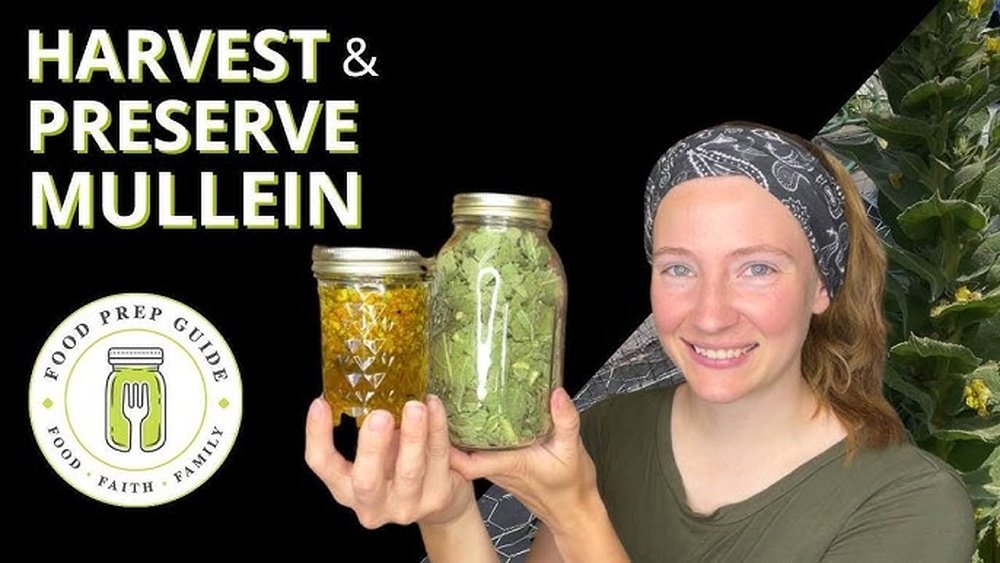
Mullein (Verbascum thapsus) has been cherished for centuries as a natural remedy for respiratory issues, earaches, and skin irritations. The soft, velvety leaves are often used in teas, tinctures, salves, and even herbal smokes. But the true value of mullein depends on how you store its leaves. Many people collect or buy mullein, only to find the leaves lose their potency or develop mold. Proper storage is not just about keeping them dry—it’s about preserving their color, aroma, and medicinal properties for months or even years.
In this article, you’ll learn exactly how to store mullein leaves to maintain their quality and potency. We’ll cover everything from harvesting and drying to the best containers and common mistakes. You’ll also discover advanced tips that most beginners miss, so you can avoid wasted effort and enjoy the full benefits of this remarkable plant.
Why Storage Matters For Mullein Leaves
Storing mullein leaves correctly is more important than many realize. The active compounds that give mullein its soothing properties are sensitive to air, light, and moisture. If leaves are not stored well, they can:
- Lose medicinal strength
- Develop mold or mildew
- Attract pests
- Fade in color and aroma
Scientific studies show that dried herbs can lose up to 40% of their essential oils within six months if stored poorly. For mullein, this means weaker teas and less effective remedies. Good storage can extend the shelf life of dried leaves to 1–2 years, and sometimes longer.
Many people new to herbs underestimate how quickly quality drops if leaves are exposed to the wrong conditions. Even a brief spell in a humid or hot area can lead to rapid loss of aroma and healing power. If you’ve ever made a cup of mullein tea that tasted weak or had little effect, poor storage may be to blame.
Harvesting Mullein Leaves For Storage
Before storage even begins, harvesting at the right time makes a big difference. Pick leaves in the morning, after the dew dries but before midday sun. The best leaves are:
- Young and vibrant green
- Free from yellowing or spots
- From the second-year plant (first-year rosettes are also used but less potent)
Gently cut or pinch the leaves, leaving enough for the plant to continue growing. Avoid harvesting from roadsides or polluted areas, as mullein absorbs toxins from the soil.
Non-obvious insight: Always wear gloves when handling mullein. The fine hairs on the leaves can irritate sensitive skin.
Another detail beginners often miss is the importance of avoiding leaves with insect damage or disease. Even small holes or spots can invite spoilage during drying and storage. Take time to inspect each leaf, and don’t hesitate to leave behind any that look less than perfect.
The quality of your harvest directly affects how well your mullein stores.
Cleaning And Preparing Mullein Leaves
After harvesting, shake the leaves gently to remove dirt and small insects. Do not wash mullein leaves with water unless they are visibly dirty, as moisture increases the risk of mold during drying.
If washing is necessary:
- Rinse quickly under cool water.
- Pat dry with a clean towel.
- Lay the leaves out on a mesh screen or clean cloth to air dry for several hours.
Check for damaged or bruised areas and trim them away. Only clean, healthy leaves should be stored.
It’s easy to overlook the importance of careful handling here. Bruised leaves or those with small tears are more likely to spoil during drying or in storage. If you notice any sticky residue or strange smell, discard those leaves right away.
The extra few minutes spent preparing your mullein can mean the difference between a long-lasting batch and one that fails in a few weeks.
Drying Mullein Leaves: The Foundation Of Good Storage
Proper drying is the most critical step before storage. If leaves retain too much moisture, they will mold. If dried too fast or at too high a temperature, they lose their healing properties.
There are three main methods:
Air Drying
Hang small bundles of leaves upside-down in a warm, dry place with good airflow. Avoid direct sunlight, which can fade color and degrade compounds.
- Drying time: 1–2 weeks
- Pros: Preserves aroma and potency
- Cons: Takes space and time
For best results, space out the bundles so air circulates well. If you live in a humid climate, consider using a small fan to keep air moving. Some people use a mesh drying rack instead of hanging, which works especially well for single layers.
Dehydrator
A food dehydrator set at 95°F to 115°F is ideal. Spread leaves in a single layer.
- Drying time: 6–12 hours
- Pros: Fast and reliable
- Cons: Requires equipment
Dehydrators work well in any weather. If your model has adjustable trays, leave extra space between trays for larger mullein leaves. Rotate trays halfway through drying for even results.
Oven Drying
Place leaves on a baking sheet in an oven set to the lowest temperature (ideally below 140°F). Keep the oven door slightly open.
- Drying time: 2–4 hours
- Pros: Quick
- Cons: Easy to overheat and lose potency
To avoid burning, check leaves every 30 minutes. Lining the tray with parchment paper prevents sticking and helps with clean-up.
Key tip: Leaves are fully dry when they crumble easily and the central vein snaps.
Extra detail: If you’re unsure, test by breaking a thick part of a leaf. If it bends or feels cool to the touch, more drying is needed. Under-dried leaves are the top cause of failed storage.
How To Store Dried Mullein Leaves
Once your leaves are dry and crisp, it’s time to store them properly. The right container and environment will protect them from air, moisture, light, and pests.
Best Storage Containers
Some containers are much better than others for storing dried herbs. Here’s a comparison:
| Container Type | Protection from Air | Protection from Light | Ease of Use | Recommended? |
|---|---|---|---|---|
| Glass Jar (with tight lid) | Excellent | Good (if tinted/opaque) | High | Yes |
| Plastic Zip Bags | Good | Poor | High | Okay |
| Paper Bag | Poor | Good | Medium | No |
| Metal Tin | Good | Excellent | Medium | Yes |
| Vacuum-Sealed Bag | Excellent | Poor | Low | Yes (for long-term) |
Best practice: Use a clean, dry glass jar with a tight lid. Dark glass or storing in a dark place helps preserve the leaves. For long-term storage, vacuum-sealed bags are best but less convenient for daily use.
Don’t use containers that once held strong-smelling foods or spices. Mullein absorbs odors easily, which can change the taste of teas and remedies. If you must use plastic, make sure it’s food-grade and completely odor-free.
Labeling
Write the harvest date and plant location on the container. Also, note the drying method if you use different techniques. This helps you track freshness and compare results.
Labeling may seem unnecessary, but after a few months, it’s easy to forget when you harvested or which method you used. Good records let you learn from each batch and spot what works best in your home environment.
Storing Whole Vs. Crushed Leaves
Always store mullein leaves whole if possible. Crushing or powdering increases the surface area, which speeds up the loss of flavor and medicinal compounds. Only crush or powder leaves right before use.
If you’re making salves or tinctures in bulk, consider keeping a small jar of powder for short-term use, but never for long-term storage. Whole leaves keep their qualities far longer.
Where To Store Mullein Leaves
Location is as important as the container. The right environment prevents spoilage and keeps leaves potent.
- Cool: Below 75°F (24°C) is ideal.
- Dry: Humidity below 60%.
- Dark: Away from sunlight and artificial light.
- Odor-free: Mullein easily absorbs other smells.
Common storage spots:
- Pantry
- Cupboard
- Basement (if dry)
- Dedicated herb closet
Non-obvious insight: Never store mullein above the stove or fridge. These areas are warm and humid, which quickly ruin dried herbs.
If you live in a very humid place, consider adding moisture absorbers or keeping your jar in a cabinet with a small dehumidifier. Even a simple silica gel pack inside a box can make a difference.
Credit: havasunutrition.com
How Long Do Dried Mullein Leaves Last?
With proper storage, dried mullein leaves can last 1–2 years. However, potency slowly declines over time. Here’s a simple timeline:
| Storage Time | Potency | Safe to Use? |
|---|---|---|
| 0–6 months | 100% | Yes |
| 6–12 months | 80–90% | Yes |
| 12–24 months | 60–80% | Yes (if no signs of spoilage) |
| Over 24 months | Below 60% | Check carefully before use |
Test old leaves by crushing a small piece and smelling it. If the scent is weak or “off,” the leaves are likely past their best.
Another trick: Brew a small test cup of tea. If the flavor is flat or the color is pale, it may be time to harvest a new batch. Remember, even faded leaves can still have value in topical remedies, but for drinking, always use the best quality.
Signs Of Spoiled Or Poor-quality Mullein Leaves
Even with good habits, problems can happen. Here’s what to check for:
- Mold or mildew: White, gray, or black spots. Discard immediately.
- Musty smell: Indicates moisture or contamination.
- Faded color: Slight fading is normal over time, but yellow or brown leaves are less potent.
- Pest damage: Webbing or holes from insects.
Do not use mullein leaves that show any of these signs. They are not safe for teas or remedies.
If you see just one spot of mold, it’s safest to discard the whole jar. Mold can spread invisibly. Small insects, like beetles or moth larvae, can also invade if containers are not tight enough. If you see fine dust or tiny moving specks, don’t try to clean the leaves—start over.

Credit: www.amazon.com
Advanced Tips For Maximum Shelf Life
Most people stop at basic storage, but a few extra steps can keep mullein even fresher:
- Desiccant packs: Add a food-safe silica or clay pack to the jar to absorb extra moisture.
- Double containers: Store the main jar inside a larger, airtight box for double protection.
- Freeze leaves: For very long-term storage, freeze dried whole leaves in an airtight bag. Thaw at room temperature before use—never refreeze.
- Store with inert gas: Some herbalists fill jars with nitrogen or CO₂ before sealing to further slow oxidation, but this is optional and requires special equipment.
Practical example: If you live in a humid climate, a desiccant pack can prevent the leaves from softening or molding during rainy months.
Another detail: If freezing, use a vacuum sealer to keep out air and avoid freezer burn. Freezing is best for people who make a large harvest once a year or want to keep backup supplies.
Common Mistakes When Storing Mullein Leaves
New herbalists often make these errors:
- Storing leaves before fully dry: Even a little moisture leads to mold.
- Using clear glass in sunlight: Light destroys active compounds.
- Keeping in plastic bags: Not airtight and may transfer odors.
- Crushing leaves before storage: More surface area means faster loss of potency.
- Neglecting to label containers: Hard to track freshness and batches.
Avoiding these mistakes protects your investment of time and effort.
A less obvious mistake is opening the storage jar too often. Each time you open it, air and moisture enter. If you use mullein regularly, consider keeping a small “daily use” jar and leaving the main batch sealed.
Rehydrating Mullein Leaves
If your dried leaves become too brittle, you might want to rehydrate them for certain preparations, like poultices. To do this safely:
- Place leaves in a clean bowl.
- Sprinkle lightly with filtered water (do not soak).
- Cover and let sit for 30–60 minutes.
Use rehydrated leaves immediately. Never store them wet, as this leads to fast spoilage.
For extra safety, use only as much as you need for the day. If the leaves have a strong, grassy scent after rehydrating, they’re still good. If they smell sour or feel slimy, discard them.
How To Store Fresh Mullein Leaves (short-term)
Sometimes you need to keep mullein fresh for a few days before drying or using. Here’s how:
- Wrap leaves in a dry paper towel.
- Place in a perforated plastic bag.
- Store in the vegetable crisper of your refrigerator.
- Use within 3–5 days.
Important: Do not seal fresh leaves tightly, as trapped moisture encourages rot.
If you notice condensation inside the bag, change the paper towel. Too much moisture is a sign that the leaves need to be dried or used right away.
Using Stored Mullein Leaves
Stored leaves can be used for:
- Herbal teas: Steep 1–2 teaspoons per cup.
- Infused oils: For salves and chest rubs.
- Tinctures: Alcohol-based extracts.
- Herbal smoking blends: (if you know how to prepare them safely)
Always check for freshness before use. Powder or crush only what you need.
If you’re blending mullein with other herbs, add it at the last step to minimize air exposure. For teas, strain well, as the fine hairs can irritate the throat if not filtered.
Storing Mullein Leaves For Sale Or Sharing
If you plan to sell or gift mullein, cleanliness and labeling matter even more. Use food-grade containers, and include:
- Botanical name
- Harvest and drying date
- Any special instructions
Some regions require additional labeling for herbal products. Check local regulations.
When gifting, include a note on how to store and use the leaves. This helps the recipient keep the mullein fresh and use it with confidence.

Credit: herbtobody.com
The Science Behind Mullein Storage
Scientific research supports the traditional methods of storing dried herbs. A study from the Journal of Applied Research on Medicinal and Aromatic Plants found that herbs kept in airtight, dark glass containers lost up to 30% less essential oil than those in clear or open containers over six months.
The main compounds in mullein, such as verbascoside and mucilage, are especially sensitive to oxidation and UV light. This is why protection from air and light is not just folklore—it’s backed by data.
For more on herbal drying and storage science, visit the authoritative National Institutes of Health.
Storage Techniques Compared
To help you decide the best method for your needs, here’s a summary of the most common mullein leaf storage options:
| Method | Protection Level | Cost | Skill Needed | Best For |
|---|---|---|---|---|
| Glass Jar (dark, airtight) | High | Low | Low | Home storage |
| Vacuum Sealing | Very High | Medium | Medium | Long-term, bulk |
| Freezing | Very High | Medium | Low | Long-term, backup |
| Metal Tin (airtight) | High | Medium | Low | Gifting, small batches |
| Plastic Bag (resealable) | Medium | Low | Low | Short-term, travel |
If you’re unsure, start with glass jars—they are simple, effective, and let you easily see the quality of your leaves over time.
Troubleshooting Storage Problems
If you notice changes in your stored mullein, act quickly:
- Soft leaves: Add a desiccant or re-dry for an hour in a dehydrator or oven.
- Musty smell: Discard. Do not risk using moldy herbs.
- Insect presence: Freeze leaves for 48 hours to kill eggs, but check if salvageable.
- Faded scent: Use older leaves for external remedies, not teas.
Catching problems early can save your whole batch.
If you have regular trouble with humidity or insects, review your storage setup. Sometimes, switching containers or moving to a drier cupboard makes all the difference.
Sustainability And Ethical Harvesting
While storing mullein is important, so is how you source it. Mullein is not endangered, but overharvesting in one area can harm local plant populations. Harvest responsibly:
- Take only what you need
- Leave plenty for pollinators and wildlife
- Avoid uprooting whole plants
Many herbalists now grow mullein at home to ensure a sustainable supply.
It’s also helpful to spread out your harvest, taking leaves from several plants rather than stripping one bare. This approach supports the ecosystem and gives you access to the healthiest leaves.
Real-life Example: From Field To Cupboard
Let’s walk through a practical scenario:
Maria, an herbalist in Colorado, harvests mullein leaves in late June. She dries them on a mesh rack in her attic for 10 days. Once crispy, she places them in a dark glass jar with a desiccant pack, labels it with the date, and stores it in her pantry.
She checks the jar monthly for moisture or pests. Maria’s leaves keep their soft scent and color for over a year, making soothing teas throughout winter.
Maria also keeps a small “use now” jar in her kitchen and only opens the main jar when needed. By following these steps, she avoids spoilage, waste, and always has high-quality mullein at hand.
Frequently Asked Questions
How Do I Know When Mullein Leaves Are Dry Enough For Storage?
Leaves are ready when they feel crisp and break easily. The central vein should snap, not bend. If in doubt, dry a little longer to avoid mold.
Can I Store Mullein Leaves With Other Herbs?
It’s best to store mullein separately. Mullein can absorb moisture and odors from other herbs, which may affect its flavor and potency.
Is It Safe To Use Mullein Leaves That Have Faded In Color?
Slight fading is normal, but if the leaves are brown or smell musty, they may have lost potency or could be spoiled. Use your senses and when unsure, discard.
Should I Wash Mullein Leaves Before Drying And Storing?
Only wash if the leaves are dirty or dusty. Always dry completely before storage. Extra moisture increases the risk of mold.
What Is The Best Way To Store Mullein Leaves For Long-term Use?
For the longest shelf life, store dried whole leaves in a vacuum-sealed bag or airtight glass jar, with a desiccant pack, in a cool, dark, dry place.
Storing mullein leaves well preserves more than just their softness and color—it keeps their healing power ready for when you need it most. With the right approach, you can enjoy high-quality mullein year-round, confident in every cup or remedy you prepare.