
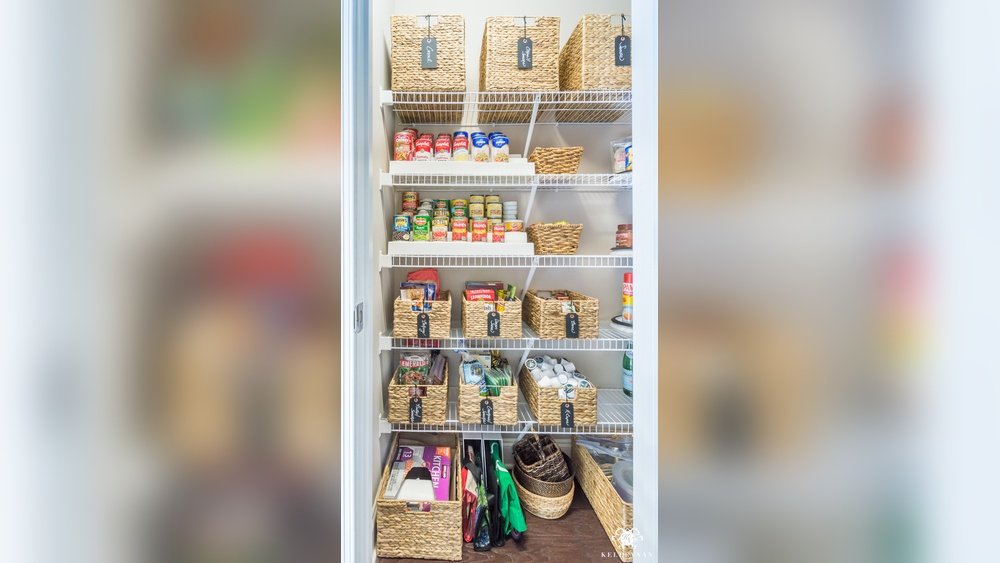
Organizing your pantry with wire shelves can change your kitchen experience. Many homes use wire shelving because it’s affordable, strong, and allows air to flow. But, wire shelves also bring challenges—items tip, things fall through, and small packages get lost.
With the right steps, you can turn your wire-shelf pantry into a clean, useful space where every can and snack is easy to find. This guide will show you exactly how, with tips and tricks that work for real families and busy lives.
Let’s discover how to organize a pantry with wire shelves, avoid common mistakes, and make your storage last. Even if you have a small or awkward pantry, you’ll learn how to use every inch and keep food fresh. We’ll cover planning, products that really help, and smart habits that keep your pantry tidy for good.
Understanding The Challenges Of Wire Shelves
Wire shelves are popular because they are cheaper than wood and very easy to clean. They don’t collect dust as much, and they don’t warp from moisture. But if you’ve ever tried to stack a soup can on a wire shelf, you know the problems:
- Items tip over: Cans and bottles wobble and fall because the surface isn’t flat.
- Small items fall through: Snack bars, spice jars, and packets slip between the wires.
- Hard to slide containers: Plastic bins or baskets don’t move smoothly on wire.
- Wasted space: Without the right setup, tall shelves mean things pile up or get lost in the back.
- Hard to keep clean: Crumbs and spills drop to lower shelves or the floor.
It’s easy to let these problems stop you from organizing at all. But once you know the downsides, you can plan to fix them.
Planning Your Pantry Organization
Before you buy bins or start moving things around, take time to plan. A good plan saves money and stress later.
Measure Your Space
Start with a tape measure. Write down:
- The height, width, and depth of each shelf.
- Distance between each shelf.
- The total number of shelves.
Draw a simple sketch, even if it’s rough. This helps you choose the right bins and avoid buying containers that won’t fit.
Sort And Declutter
Take everything out of your pantry. Yes, everything. Check for:
- Expired food: Throw it out.
- Duplicates: Combine open boxes or cans.
- Things you never use: Donate or toss.
This step can cut clutter by 20–30% for most families.
Group Items By Use
Make groups of similar foods:
- Breakfast items (cereal, oatmeal, pancake mix)
- Snacks (chips, bars, dried fruit)
- Canned goods
- Baking supplies
- Pasta and grains
- Spices and sauces
- Drinks
This step makes it easier to see what kind of storage you need.
Decide On Zones
Zones make your pantry easy to use. Place:
- Everyday items at eye level
- Heavy or bulk items on the lowest shelf
- Rarely used or backup stock on high shelves
Zones save time and prevent mess.
Solving The Wire Shelf Problems
Now, let’s solve the most common wire shelf issues with practical solutions.
Add Shelf Liners
A liner creates a flat surface on wire shelves. Choose from:
- Plastic shelf liners: Easy to cut, wipe clean, and reusable.
- Foam liners: Soft, stop items from sliding, but can stain.
- DIY options: Cut cardboard, foam board, or even old placemats.
Place liners on every shelf. This stops cans from tipping and small packages from falling through.
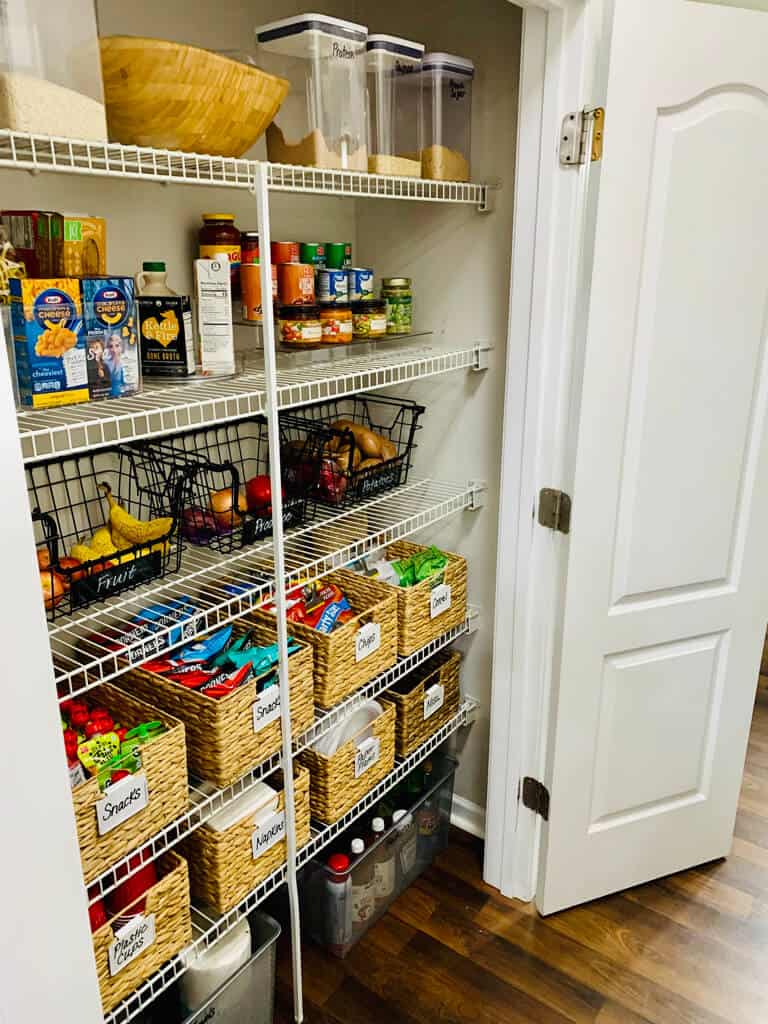
Use Baskets And Bins
Baskets and bins turn a messy shelf into an organized drawer. Here’s how they help:
- Contain like items: Snacks, baking goods, or packets all stay together.
- Pull-out access: Slide a bin out to grab what you need.
- Maximize space: Stack bins if your shelves are tall.
Choose bins that fit your shelves. Clear plastic bins let you see what’s inside. For snacks, try bins with low sides so kids can reach in easily.
Add Shelf Dividers
Dividers are simple tools you clip onto the shelf. They:
- Stop items from tipping
- Create sections for different foods
- Make stacking safer
Dividers are perfect for tall shelves or for keeping baking sheets upright.
Use Turntables (lazy Susans)
A turntable makes deep or corner shelves much easier to use. Place:
- Oils, sauces, and condiments
- Small jars or bottles
Spin to find what you need without knocking things over. Most turntables are 9–12 inches wide, so measure before you buy.
Install Undershelf Baskets
These baskets hang under the wire shelf, using empty space. Store:
- Snack bags
- Wraps and foils
- Small boxes
Undershelf baskets double your storage without tools.
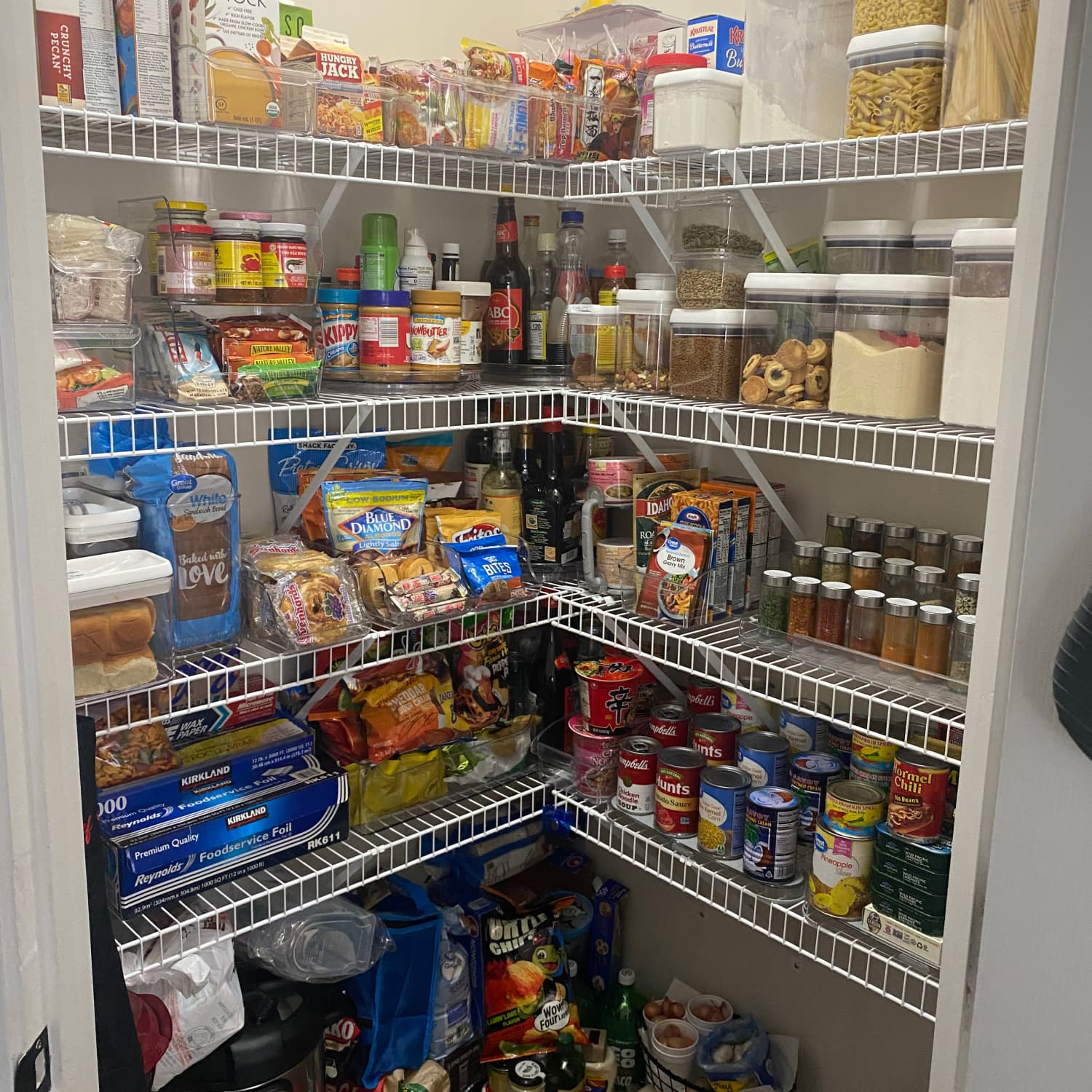
Use Clear Containers For Dry Goods
Transferring food from boxes to clear containers saves space and keeps food fresh. For example:
- Cereal
- Rice
- Pasta
- Flour and sugar
Label each container with the food and the expiration date.
Hang Small Items
Attach hooks or small baskets to the wire for:
- Bagged snacks
- Packets
- Reusable grocery bags
This uses vertical space and keeps things off the shelf.
Choosing The Right Organizing Products
Not all bins, baskets, and tools work well with wire shelves. Here’s how to pick products that fit your pantry and budget.
Comparing Bin Materials
Here’s a look at different materials for pantry bins and their pros and cons:
| Material | Pros | Cons |
|---|---|---|
| Clear Plastic | Easy to see contents, lightweight, stackable | Can crack, may stain |
| Woven (Bamboo, Fabric) | Attractive, good for open shelves | Harder to clean, may snag on wires |
| Metal | Durable, strong | Heavier, can scratch shelves |
Tip: For wire shelves, clear plastic is usually best. It slides smoothly and lets you see everything.
Best Bins For Wire Shelves
Look for bins with:
- Flat bottoms: So they don’t wobble
- Handles: Easy to pull out
- Stackable sides: For tall shelves
Avoid bins with feet or uneven bases—they don’t sit well on wire.
Selecting Shelf Liners
Some liners are made for wire shelves. The best are:
- Firm plastic (not soft rubber)
- Custom-cut to fit
- Textured to stop sliding
Some brands sell liners by the roll so you can cut them to size.
Choosing Turntables
Check:
- Diameter: Will it fit your shelf?
- Raised edge: Keeps bottles from sliding off
- Material: Plastic or bamboo works well
For deep corners, try a double-layer turntable for more storage.
Picking Undershelf Baskets
Measure your shelf depth before buying. Look for baskets that:
- Slide on easily
- Don’t block the shelf below
- Hold light items only (they can bend if overloaded)
Shelf Divider Options
Some dividers attach with clips, others slide between wires. Choose:
- Sturdy plastic or metal
- Adjustable width for different shelves
Labels
Labels help everyone keep order. Use:
- Chalkboard labels: Wipe off and reuse
- Sticker labels: Permanent, clear writing
- Clip-on labels: Move as you reorganize
Label bins, containers, and even shelves.
Credit: organizedmarie.com
Step-by-step: Organizing Your Pantry
Now that you have your plan and products, let’s put it all together.
Step 1: Empty And Clean
Take everything out of the pantry. Wipe down wire shelves with a damp cloth. Use a vacuum with a brush attachment for crumbs.
Non-obvious insight: Clean the floor and walls too. Spills and dust often collect here, inviting bugs.
Step 2: Add Shelf Liners
Cut and lay liners on each shelf. Secure them with double-sided tape if they slide.
Non-obvious insight: Overlap liners slightly at the edges. This prevents small items from falling through at the sides.
Step 3: Place Baskets And Dividers
Set bins and baskets in their zones. Add dividers to keep sections neat. Use larger bins for snacks and smaller ones for spices or packets.
Step 4: Fill Containers
Pour dry goods into clear containers. Label each one with the food name and expiration date.
Step 5: Arrange By Zone
Put bins and containers back by zone:
- Middle shelves: Everyday items
- Top shelves: Extras, baking tools
- Bottom shelves: Heavy or large items
Use a turntable for sauces and oils, and undershelf baskets for small snacks.
Step 6: Label Everything
Label shelves, bins, and containers. Make labels large and clear, especially if children use the pantry.
Step 7: Adjust And Maintain
Live with the setup for a week. If something doesn’t work, adjust it. Tidy up once a week to keep things in order.
Using Vertical And Deep Space
Wire shelves often waste vertical space. Here’s how to use every inch:
Add Extra Wire Shelves
Clip-on mini shelves add a level above short items. Great for spices or canned goods.
Use Tiered Organizers
Tiered racks let you see all your cans and jars at once. No more forgetting food at the back.
Store Bulky Items On The Floor
Water bottles, bulk rice, or pet food can go in bins on the pantry floor.
Hang Things Under Shelves
Hooks or baskets can hold onions, garlic, or even reusable shopping bags.
Keeping Your Pantry Organized
A pantry is only as good as its upkeep. Here’s how to keep it tidy:
Make Restocking A Habit
When you buy groceries, group them before you store them. Put new items behind older ones so nothing gets wasted.
Quick Weekly Tidy
Spend five minutes each week checking for spills, expired food, or empty packages.
Involve Your Family
Teach everyone where things belong. Use simple labels and show kids where snacks go.
Adjust As Your Needs Change
If you start baking more, make a bigger baking zone. If school snacks increase, add more snack bins.
Mistakes To Avoid
Many people make the same errors when organizing wire-shelf pantries. Watch out for these:
- Skipping shelf liners: This leads to mess and frustration.
- Using the wrong bins: Tall bins on short shelves, or bins that tip, create chaos.
- Overloading shelves: Wire can bend under too much weight.
- Not measuring first: This leads to wasted money on tools that don’t fit.
- No labels: Family members won’t remember your system.
- Ignoring vertical space: Wasted room means more clutter.
Credit: www.apartmenttherapy.com
Real-life Example: Small Family Pantry
Let’s see how a family of four organized their wire-shelf pantry:
- They measured each shelf and bought clear bins and shelf liners.
- Cereal and snacks went in low, wide bins on the middle shelf.
- Baking supplies in labeled containers, stacked on a tiered rack.
- Oils and sauces on a Lazy Susan in the corner.
- Heavy drinks and pet food in bins on the floor.
- Undershelf baskets held granola bars and wraps.
After organizing, they found meal prep was 30% faster, and food waste dropped by half.
Comparison: Wire Vs. Wood Pantry Shelves
How do wire and wood shelves stack up for pantry use? Here’s a quick look:
| Feature | Wire Shelves | Wood Shelves |
|---|---|---|
| Cost | Lower | Higher |
| Air Flow | Excellent | Poor |
| Cleaning | Easy | Can stain/warp |
| Item Stability | Poor (unless lined) | Very good |
| Looks | More basic | More stylish |
Wire shelves are best for budget, small spaces, or humid areas. With liners and bins, they can match wood for function.
Budget-friendly Wire Shelf Organization
You don’t need to spend a lot to organize well. Try these ideas:
- Use shoeboxes or old containers as bins.
- Cut cardboard for shelf liners.
- Repurpose jars for dry goods.
- Use clothespins to hang snacks from the wires.
Start with what you have, then add better tools as you can.
Organizing For Special Needs
If you have kids, elderly family, or special diets, adjust your pantry:
- Put allergy-safe foods on a separate shelf.
- Keep kids’ snacks at their level.
- For wheelchair users, avoid high shelves—use floor bins and lower shelves.
Tip: Use color-coded bins for different family members.
Long-term Maintenance Tips
Staying organized is a process, not a one-time job. Here’s how to make it stick:
Keep A Shopping List In The Pantry
Hang a notepad or use a whiteboard. When you run out of something, write it down right away.
Schedule A Monthly Deep Clean
Once a month, take 10 minutes to:
- Wipe shelves and bins
- Check for expired food
- Adjust zones if needed
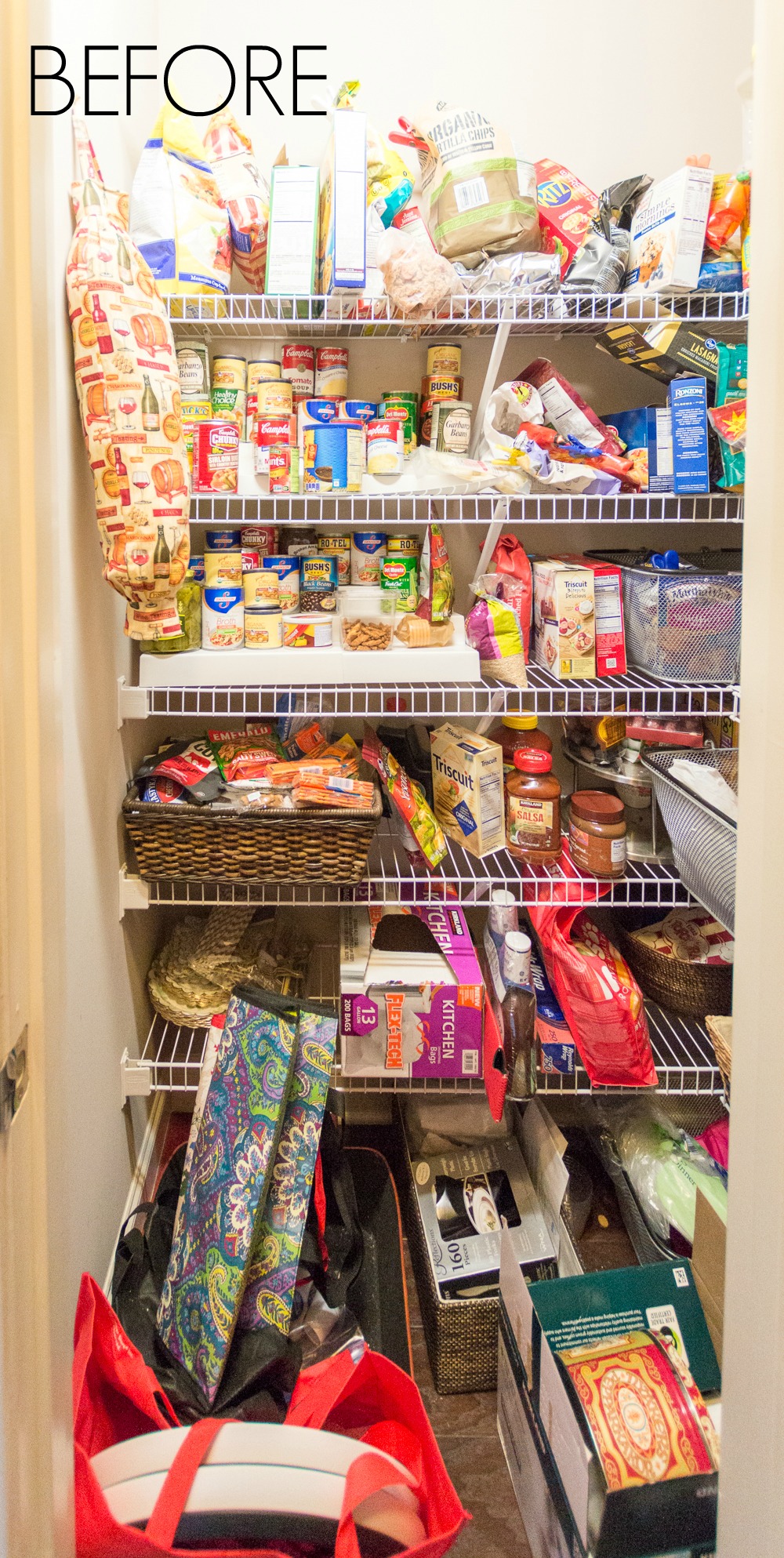
Take Before And After Photos
Photos help you see progress and spot areas to improve.
Pantry Organization For Small Spaces
If your pantry is tiny, these tips help:
- Use the back of the door for extra storage (hooks, racks, or baskets).
- Store rarely used items elsewhere to free up space.
- Choose narrow bins to fit more on each shelf.
- Stack containers to use height, not just width.
Eco-friendly Pantry Tips
Organize and help the planet:
- Use glass or stainless steel containers instead of plastic.
- Repurpose jars for spices or snacks.
- Recycle boxes and packaging as you organize.
Tip: Buy in bulk to cut packaging waste and store in large bins.
Pantry Organization For Bulk Shoppers
If you buy in bulk, wire shelves can still work:
- Store big bags (rice, flour, snacks) in large bins on the floor.
- Use scoop containers for easy access.
- Place backup items on the highest or lowest shelves.
Always rotate stock—put new food at the back so older food gets used first.
Credit: kelleynan.com
Mistakes Beginners Make (and How To Fix Them)
Beginners often:
- Buy too many bins before measuring. Solution: Measure and plan first.
- Forget to label. Solution: Label everything, even if it seems obvious.
- Make the system too complicated. Solution: Keep zones and bins simple.
- Ignore family input. Solution: Ask others what works best for them.
When To Reorganize
Signs you need to reorganize:
- Food is expiring before you use it.
- You can’t find things easily.
- Shelves are overloaded or sagging.
- Family members keep putting things in the wrong place.
Reorganize at least twice a year, or after any big life change (new baby, diet change, move).
Smart Storage Habits
To keep your pantry working:
- Always return items to their bin or spot.
- Group foods by type, not just by size.
- Check for bugs or spills often.
- Use up old food before buying more.
Expert Tip: Use Technology
Take a photo of your pantry before shopping so you know what you have. Some people use pantry inventory apps to track what’s in stock and expiration dates.
Helpful Resources
For more pantry ideas and inspiration, visit Real Simple, which offers creative solutions for every kitchen size and style.
Frequently Asked Questions
What’s The Best Liner For Wire Shelves In A Pantry?
Firm plastic liners made for wire shelves are best. They give a flat surface, are easy to clean, and prevent items from tipping or falling through. Foam or cardboard can work as a cheap alternative but may not last as long.
How Do I Stop Small Items From Falling Through Wire Shelves?
Add shelf liners first. Then, use bins or baskets to hold small items like spice packets, snacks, or drink mixes. This keeps everything together and stops them from slipping through the gaps.
Can I Use Glass Jars On Wire Shelves?
Yes, but always use shelf liners to create a stable, flat surface. Place heavier jars on lower shelves to prevent accidents. Make sure jars are not overhanging the edges.
How Much Weight Can Wire Pantry Shelves Hold?
Most wire shelves hold between 60–100 pounds per shelf, but always check your manufacturer’s instructions. Spread heavy items out and avoid overloading one section to prevent bending.
How Often Should I Reorganize My Pantry?
At least every six months, or sooner if you notice clutter or expired food. A monthly 10-minute tidy-up can help keep your system working.
—
Organizing a pantry with wire shelves takes effort, but the results are worth it. With liners, the right bins, and a good plan, you can make your pantry easy to use and keep it that way. Remember to adjust your system as your needs change, and involve your family for the best results.
A tidy pantry saves time, reduces waste, and makes meal prep less stressful—so you can enjoy your kitchen every day.