
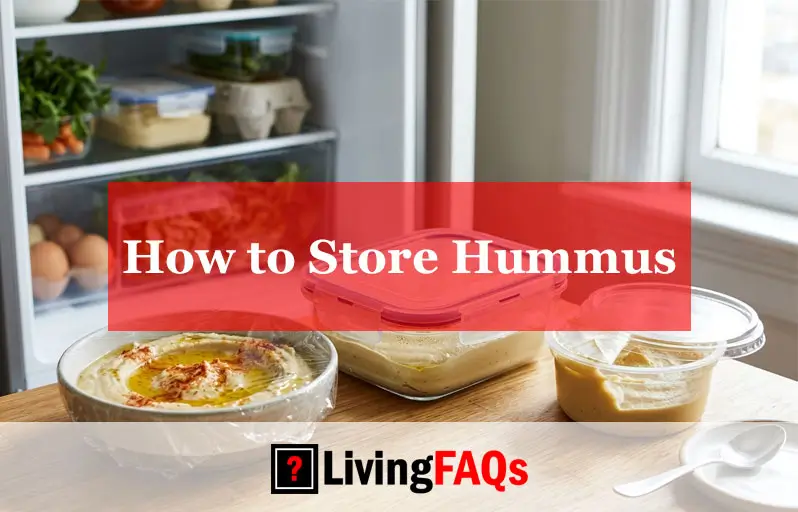
Storing hummus the right way is not just about keeping it fresh—it’s about safety, taste, and convenience. Whether you make it at home or buy it from a store, hummus is a nutritious, protein-rich dip that can spoil quickly if not handled well. Many people love its creamy texture and flavor, but few know the best methods for storage. Sometimes, a small mistake can lead to wasted food or, worse, a foodborne illness.
Let’s look at how to store hummus correctly, why it matters, and how you can enjoy hummus at its best for as long as possible. You’ll learn practical tips, what containers to use, how long hummus lasts in different conditions, and some clever tricks that even experienced cooks sometimes miss.
We’ll also answer common questions and clear up some myths. If you want your hummus to stay safe and delicious, you’re in the right place.
Why Proper Hummus Storage Matters
Many people don’t realize that improper storage can quickly turn hummus from a healthy snack into a health risk. Hummus is made from chickpeas, tahini, lemon juice, and often garlic or olive oil—all of which can spoil or develop bacteria if left out. Because it’s moist and nutrient-rich, hummus is especially attractive to germs like Listeria and Salmonella.
A 2016 study showed that hummus can start to grow dangerous bacteria after just a few hours at room temperature. This means you should never leave hummus out all day, even if it still looks and smells fine. Besides safety, proper storage helps preserve the taste, texture, and nutrients.
No one wants dry, sour, or watery hummus.
Types Of Hummus: Homemade Vs. Store-bought
It’s important to know whether you’re dealing with homemade or store-bought hummus. Each type has different storage needs.
| Type | Preservatives | Usual Shelf Life (Unopened) | Usual Shelf Life (After Opening) |
|---|---|---|---|
| Homemade Hummus | No | Not applicable | 3–5 days |
| Store-bought (Regular) | Sometimes | 1–2 months | 5–7 days |
| Store-bought (With Preservatives) | Yes | 2–3 months | 7–10 days |
Homemade hummus is fresher but usually lasts a shorter time, as it has no preservatives. Store-bought hummus may last a bit longer, especially if it contains additives to prevent spoilage. But after opening, both types need the same care.
Recommended Tools That You Need
To complete this repair or project safely and effectively, we analyzed the guide steps and selected the highest-rated physical tools and replacement parts available on Amazon.

Liuruiyu 10 Pack Glass Food Storage Containers with Lids, Meal Prep Containers, Airtight Bento Boxes with Leak Proof Locking for Microwave, Oven, Freezer and Dishwasher, BPA Free
Non-reactive glass prevents flavor absorption and the airtight lid keeps air out to prevent oxidation and spoilage.

Removable Freezer Labels, Date Label 1x3 Inch Food Storage Stickers, Waterproof Oil Resistant Easy Clean Leaves no Residue 250 Total Per Roll
To easily label containers with preparation and opening dates to accurately track safe shelf life.
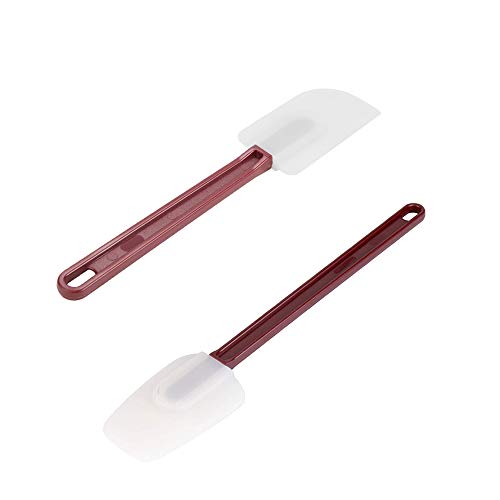
Heat Resistant Silicone Scraper Spoonula Commercial Rubber Spatula, 9.5IN
To cleanly smooth the top surface of the hummus and level it out to minimize air exposure without scratching containers.

Measuring Spoons, Premium Heavy Duty Stainless Steel Measuring Spoons Cups Set, Small Tablespoon with Metric and US Measurements, Set of 6 for Measuring Dry and Liquid Ingredients
To precisely measure out olive oil and lemon juice additives when adjusting thawed hummus texture.

Turelar Immersion Blender Handheld Corded, 1100W 5 in 1 Hand Blender Set
To quickly re-blend and restore the smooth, creamy texture of frozen hummus after the thawing process.
The Enemies Of Fresh Hummus
To keep your hummus safe and tasty, you need to protect it from:
- Air – Causes oxidation, dries out hummus, and leads to spoilage.
- Heat – Speeds up bacteria growth.
- Moisture – Can change the texture and attract bacteria.
- Cross-contamination – Using dirty spoons or double-dipping can introduce germs.
- Light – Can break down fats and flavors, especially in homemade hummus.
Understanding these risks helps you choose the best storage methods.
Choosing The Right Containers
Not all containers are equal when storing hummus. Using the wrong type can shorten shelf life or harm the taste.
Best Container Materials
- Glass: Non-reactive, doesn’t absorb odors, easy to clean, and keeps flavors pure.
- Food-grade plastic: Lightweight and affordable, but can stain or hold smells over time.
- Ceramic or stainless steel: Good for short-term storage but often not airtight.
Key Features To Look For
- Airtight lid: Prevents air from entering and keeps hummus moist.
- Shallow, wide shape: Easier to scoop and reduces surface area exposed to air.
- Clear sides: Lets you check for mold or separation without opening.
Practical Example
If you make a batch of hummus, divide it into several small containers. Take out only what you need each time. This way, the rest stays untouched and fresher for longer.
How To Store Hummus In The Refrigerator
The refrigerator is the best place for everyday hummus storage. Follow these steps for maximum freshness:
- Cool it quickly: If you made hummus at home, let it cool to room temperature for no more than one hour before refrigerating.
- Use airtight containers: Transfer hummus to a clean, dry container with a tight-fitting lid.
- Smooth the top: Level the hummus with a spoon. This reduces surface area and helps keep it moist.
- Add a thin layer of olive oil (optional): Pour a little olive oil on top to form a barrier against air. This is a Mediterranean trick that also adds flavor.
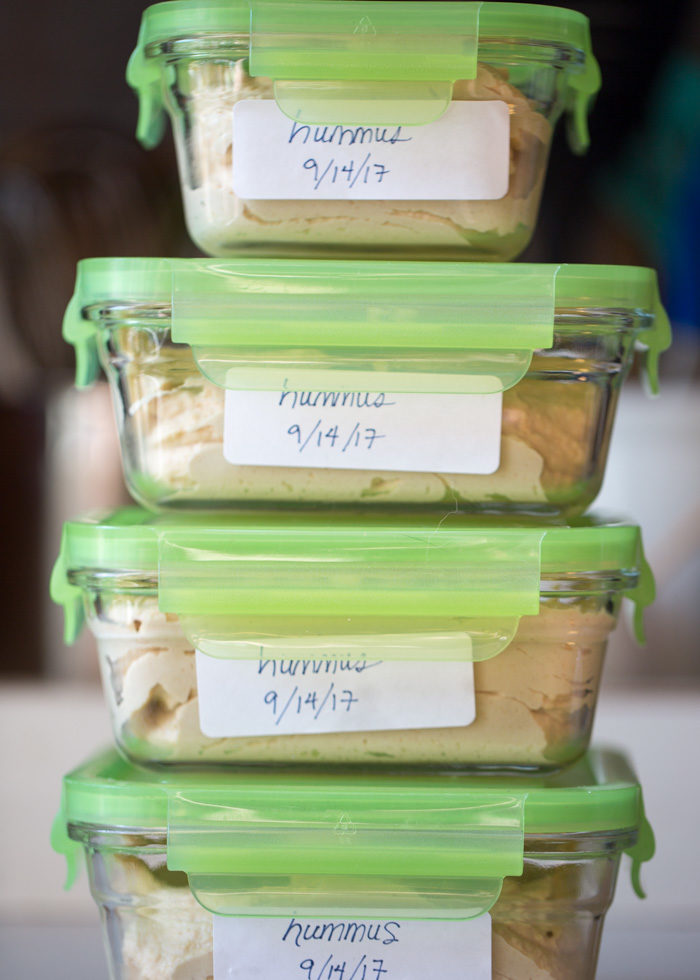
- Label with the date: Use a piece of masking tape to mark when you made or opened the hummus.
- Store at 34–40°F (1–4°C): This is the ideal refrigerator temperature for hummus.
How Long Does Hummus Last In The Fridge?
- Homemade hummus: 3–5 days
- Store-bought hummus (opened): 5–7 days
- Store-bought hummus (unopened): Until the “use by” or “best by” date
If you see mold, smell sourness, or notice a big change in color or texture, it’s time to throw it out.
Pro Tips
- Never let hummus sit at room temperature for more than 2 hours.
- Keep hummus away from the fridge door, where temperatures change often.
- Don’t use the same spoon for serving and tasting.
Can You Freeze Hummus?
Yes, you can freeze hummus! Freezing helps you keep hummus for up to 4 months, but there are a few things to know.
How To Freeze Hummus
- Portion it out: Freeze in small batches (½ to 1 cup per container) for easy thawing.
- Leave space at the top: Hummus expands a little as it freezes.
- Use freezer-safe containers: Glass or heavy-duty plastic with airtight lids work best.
- Add olive oil (optional): Drizzle a thin layer on top before freezing for better texture.
- Label with the date.
Thawing And Using Frozen Hummus
- Thaw in the fridge overnight for best texture.
- Stir well after thawing; the hummus may separate but a quick mix brings it back together.
- Do not refreeze once thawed.
Changes To Expect
Frozen hummus may be a little watery or grainy after thawing. To fix this, add a spoonful of olive oil or a squeeze of lemon juice and blend briefly.
When Not To Freeze
- Hummus with fresh toppings (herbs, tomatoes, onions) does not freeze well.
- Large containers take longer to thaw and may develop ice crystals.
Storing Hummus At Room Temperature
Storing hummus at room temperature is risky. Bacteria can grow quickly, especially in warm rooms. If you must leave hummus out (such as at a party):
- Keep it out for no more than 2 hours.
- In hot weather (over 90°F/32°C), only 1 hour is safe.
After this, refrigerate or discard leftovers. Never put hummus back in the fridge if it’s been out too long; bacteria may have multiplied to unsafe levels.
Storing Hummus On-the-go
If you want to take hummus for lunch or a picnic, plan ahead.
- Use a small, airtight container.
- Add a frozen gel pack or ice in your bag.
- Keep it in a cooler if traveling for more than 2 hours.
- Take only as much as you’ll eat.
Never leave hummus in a hot car or direct sunlight.
How To Tell If Hummus Has Gone Bad
It’s not always easy to know if hummus has spoiled, but there are clear signs to check.
| Sign | What It Means | Action |
|---|---|---|
| Mold (any color) | Fungal growth; unsafe to eat | Throw away immediately |
| Sour, off smell | Bacterial spoilage | Do not taste; discard |
| Change in color | Oxidation or spoilage | Best to discard |
| Separation (liquid on top) | Normal over time; stir to recombine | Safe if no odor or mold |
| Bitter or fizzy taste | Fermentation by bacteria | Spit out and discard |
If you are ever unsure, it’s safer to throw it out. Eating spoiled hummus can cause food poisoning.
Preventing Cross-contamination
Many people accidentally introduce bacteria into hummus by double-dipping or using dirty utensils. Cross-contamination is a leading cause of early spoilage.
How To Avoid This Mistake
- Always use a clean spoon to serve hummus.
- Do not dip vegetables or chips directly into the storage container.
- If serving to a group, put a portion in a separate bowl.
- Remind kids and guests not to double-dip.
This small habit can double the safe life of your hummus.
Special Tips For Homemade Hummus
Homemade hummus is delicious but often spoils faster. Here are some tricks to extend its shelf life:
- Use very fresh ingredients, especially tahini and lemon juice.
- Sterilize your blender or food processor before making hummus.
- Add a little more lemon juice or vinegar; acidity helps prevent bacteria.
- Store in small portions to avoid opening and closing the same container.
- Cover the surface with plastic wrap before sealing the lid to reduce air contact.
Many home cooks forget that homemade hummus lacks preservatives—so extra care is needed.
Storing Flavored Or Topped Hummus
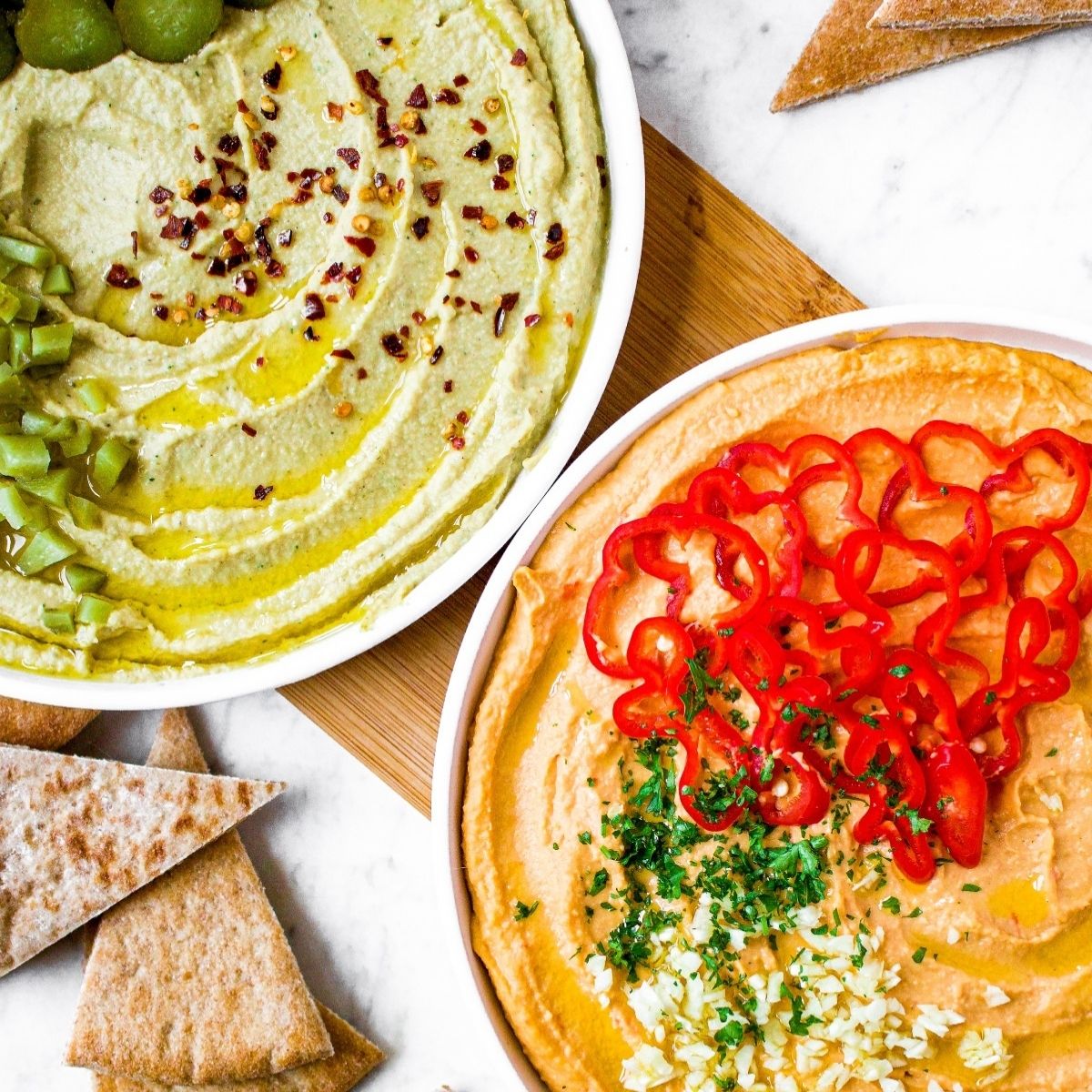
Some hummus has toppings like roasted red peppers, herbs, or pine nuts. These extras can spoil faster than the hummus itself.
- Store toppings separately whenever possible.
- If not possible, eat topped hummus within 2–3 days.
- Stir toppings in before freezing or avoid freezing topped hummus.
Spicy or acidic toppings (like jalapeños or sun-dried tomatoes) can sometimes help preserve hummus, but fresh vegetables or herbs will spoil quickly.
Extending Hummus Shelf Life: Advanced Tips
If you want your hummus to last even longer, consider these advanced tricks:
- Vacuum sealing: Removing air with a vacuum sealer can double the shelf life in the fridge.
- Acid boost: Add more lemon juice or a drop of white vinegar for extra protection.
- Commercial preservatives: Some brands use potassium sorbate. Home cooks can’t buy this easily, but extra acidity works well.
- Quick chilling: The faster you cool fresh hummus, the less chance for bacteria to grow.
- Don’t store in metal: Metal containers can react with acid in hummus and change the taste.
Hummus Storage Mistakes To Avoid
Even careful people make mistakes when storing hummus. Here are some common errors:
- Leaving hummus out too long: Even “just a little while” can be risky.
- Using a wet spoon: Water can introduce bacteria.
- Topping with fresh vegetables before freezing: These get mushy and spoil faster.
- Storing in reused containers without washing: Old food particles can cause spoilage.
- Keeping opened hummus near strong-smelling foods: Hummus absorbs odors easily.
Paying attention to these details can save you money and protect your health.
:max_bytes(150000):strip_icc()/can-you-freeze-hummus-2356020_final-ce9badc6a7d54f808971eab69cbf98dc.png)
Credit: www.thespruceeats.com
How Restaurants Store Hummus
Many people wonder how restaurants keep their hummus so fresh. The secrets are simple but important:
- Make hummus daily in small batches.
- Store in large, shallow pans, tightly covered.
- Keep at 34–38°F (1–3°C) and use within 48 hours.
- Never mix new and old batches.
- Use a dedicated serving spoon for each container.
These habits prevent cross-contamination and keep hummus tasting perfect for every customer.
Environmental Factors: Humidity, Temperature, And More
Your local climate can affect how you store hummus. In hot, humid places, bacteria grow faster. In dry climates, hummus can dry out quickly.
- In hot places, refrigerate hummus as soon as possible.
- In dry climates, keep the lid extra tight or use plastic wrap on the surface.
- If your power goes out, move hummus to a cooler with ice.
If you live where summers are very warm, consider making smaller batches of hummus more often.
Credit: www.kitchentreaty.com
Hummus Storage For Large Families Or Parties
If you need to keep a lot of hummus for an event:
- Divide into several containers. Only open what you need.
- Serve small amounts at a time, refilling as needed.
- Set out bowls on ice or in a chilled serving tray.
- Discard any leftovers that have been sitting out for more than 2 hours.
This prevents waste and keeps everyone safe.
Hummus Storage And Food Safety Laws
In the United States, the FDA recommends refrigerating perishable foods, including hummus, within 2 hours. For commercial kitchens, strict rules require hummus to be kept below 40°F (4°C) at all times. If you’re selling hummus or making large quantities for others, always follow local food safety rules.
For home cooks, these rules may seem strict, but they protect your health. Food poisoning from hummus is rare, but it can be serious.
Hummus Storage: Frequently Overlooked Insights
Most people know to refrigerate hummus, but there are two important details they often miss:
- Acidity slows spoilage: The more acidic your hummus (from lemon juice or vinegar), the longer it will last, even without preservatives.
- Surface exposure matters: The larger the surface area, the faster hummus dries out or spoils. Using a small, deep container can help hummus stay fresh.
Comparing Hummus Storage Methods
Let’s compare the main ways to store hummus.
| Method | Best For | Maximum Safe Storage Time | Notes |
|---|---|---|---|
| Refrigerator (Airtight) | Everyday use | 3–7 days | Best taste and texture |
| Freezer | Long-term storage | Up to 4 months | May need to blend after thawing |
| Room Temperature | Serving only | 1–2 hours | Discard after this time |
| Vacuum Sealed + Refrigerator | Extending fridge life | 7–10 days | Not common for most homes |
How To Store Hummus For Best Taste And Texture
- Store at the coldest part of your fridge, not the door.
- Stir before serving if separation happens.
- Add olive oil or lemon juice to refresh the flavor after storage.
- Avoid repeated temperature changes—don’t take the whole container out and put it back several times.
Mythbusting: Common Misunderstandings
Some people believe that hummus lasts longer than it really does, or that you can just scrape off mold and eat the rest. This is not safe—mold can grow roots below the surface. Another myth is that hummus with extra garlic or spices won’t spoil.
In reality, only acidity (from lemon juice or vinegar) makes a real difference.
Storing Hummus For Special Diets
If you make vegan, gluten-free, or low-salt hummus, the same storage rules apply. In fact, homemade or specialty hummus with less salt or without preservatives may spoil even faster, so be extra careful.
Trusted Resources
For more on safe food storage, visit the FDA’s Refrigeration Food Safety guide.
Credit: www.plantpowercouple.com
Frequently Asked Questions
How Long Can Hummus Sit Out Before It Goes Bad?
Hummus should not be left out for more than 2 hours at room temperature. In hot conditions (above 90°F/32°C), limit it to 1 hour. After this, bacteria may grow to unsafe levels.
Can You Freeze Hummus In Its Original Store Container?
It depends on the container. Most store packaging is not designed for freezing. Transfer hummus to a freezer-safe, airtight container for best results. Leave a little room for expansion.
Is It Safe To Eat Hummus Past The “best By” Date?
If the hummus is unopened, stored properly, and shows no signs of spoilage (smell, mold, or color change), it may still be safe a few days past the date. Use your senses and when in doubt, throw it out.
What Is The Best Way To Refresh Hummus After Storage?
If hummus seems dry or separated after storage, stir in a spoonful of olive oil or a squeeze of lemon juice. A quick blend can also restore creaminess.
Can You Store Hummus With Toppings Like Olives Or Herbs?
It’s better to store toppings separately to prevent faster spoilage. If already mixed, eat topped hummus within 2–3 days and do not freeze with fresh toppings.
Storing hummus well is simple but requires attention to detail. By following these tips, you can enjoy safe, delicious hummus every time—whether it’s homemade or store-bought, plain or full of flavor. Take a little extra care, and your hummus will always be ready when you are.