
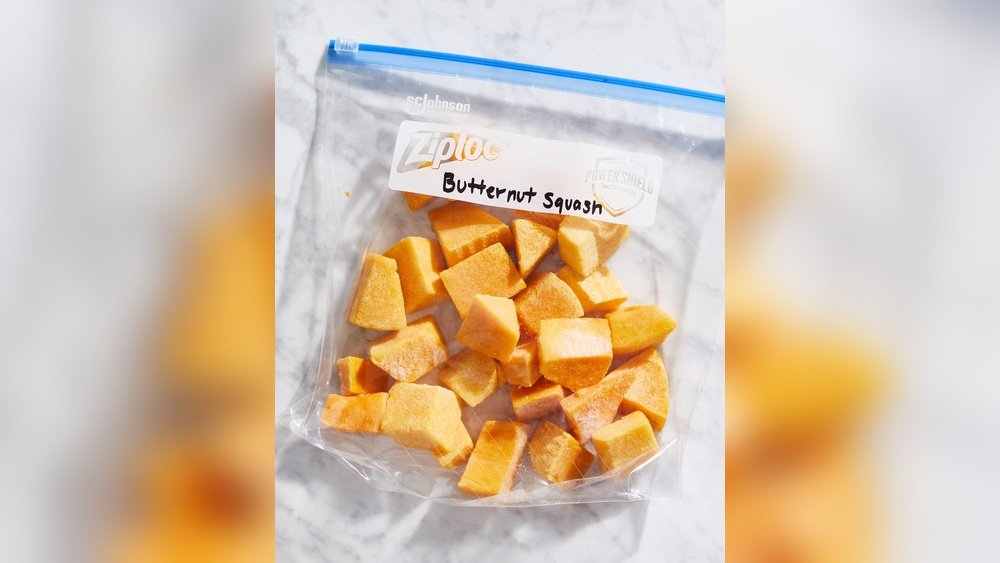
Freezing squash is an excellent way to enjoy this versatile vegetable all year round, even when it’s out of season. Whether you have a garden full of zucchini, butternut, acorn, or summer squash, freezing helps reduce food waste and makes meal planning easier.
However, not everyone knows the right steps to prepare, pack, and store squash in the freezer for the best taste and texture. If you want to get the most from your harvest—or take advantage of a sale at the market—this guide will show you exactly how to store squash in the freezer the right way.
You’ll learn about the different types of squash and how each should be handled, what tools and supplies you need, step-by-step instructions for prepping and freezing, storage strategies to avoid common mistakes, and even a few creative tips to help your squash last longer and taste better.
Whether you’re a beginner or have tried freezing before, this article will answer all your questions and help you freeze squash like a pro.
Understanding Squash Types: Not All Are The Same
Before you start freezing, it’s important to know that squash varieties behave differently in the freezer. There are two main categories:
- Summer squash: Includes zucchini, yellow squash, pattypan, and crookneck. They have thin skins, high water content, and a tender texture. These freeze differently than winter varieties.
- Winter squash: Includes butternut, acorn, pumpkin, and spaghetti squash. They have thicker skins, dense flesh, and store longer at room temperature but can also be frozen for convenience.
Non-obvious insight: Many people think all squash should be frozen the same way. In fact, summer squash needs extra care to avoid sogginess, while winter squash can be frozen cooked or raw, depending on your needs.
Common Mistake: Freezing Without Prepping
A common beginner error is to simply cut squash and toss it in the freezer. This leads to poor texture, freezer burn, and loss of flavor. Proper preparation is essential for quality results.
Tools And Supplies You Need
Having the right tools makes the process smoother and helps maintain quality. Here’s what you’ll need:
- Sharp knife and cutting board: For peeling, trimming, and cutting squash into uniform pieces.
- Vegetable peeler: Useful for winter squash with thick skins.
- Large pot: For blanching (a step you shouldn’t skip for most squash).
- Slotted spoon or skimmer: To remove squash from boiling water.
- Large bowl with ice water: Needed for rapidly cooling blanched squash.
- Clean towels: For drying after blanching.
- Freezer-safe bags or containers: Choose heavy-duty options to prevent freezer burn.
- Permanent marker: For labeling contents and dates.
- Baking sheet: For pre-freezing pieces to prevent sticking (especially for diced or sliced squash).
Practical tip: Invest in a vacuum sealer if you freeze squash regularly. This removes air and keeps squash fresher much longer.

Credit: savvygardening.com
How To Prepare Squash For Freezing
Proper preparation is key to preserving texture, flavor, and nutrients. The process is slightly different for summer and winter squash.
Step 1: Wash And Inspect
No matter the type, always wash squash under cool running water to remove dirt and bacteria. Inspect for soft spots or bruises and cut these away.
Step 2: Cut And Peel (if Needed)
- Summer squash: Trim ends, then slice or dice. Peeling is not needed.
- Winter squash: Cut in half, scoop out seeds, peel off the skin, then cut into cubes for most recipes. You can also roast or cook before freezing (see below).
Step 3: Blanching (for Most Squash)
Blanching means boiling squash briefly, then plunging it into ice water. This step:
- Kills surface bacteria and enzymes
- Helps keep the color vibrant
- Reduces mushiness after thawing
How To Blanch:
- Bring a large pot of water to a rolling boil.
- Add squash pieces in small batches.
- Blanch for 2-3 minutes (summer squash) or 3-4 minutes (winter squash).
- Immediately transfer to ice water to stop cooking.
- Drain and pat dry.
Non-obvious insight: Skipping blanching can make squash watery, dull in color, and taste “off” after freezing.
Step 4: Pre-freeze (optional But Helpful)
To prevent pieces from sticking together, spread blanched squash in a single layer on a baking sheet. Freeze for 1-2 hours, then transfer to bags or containers.
Step 5: Pack For Freezer
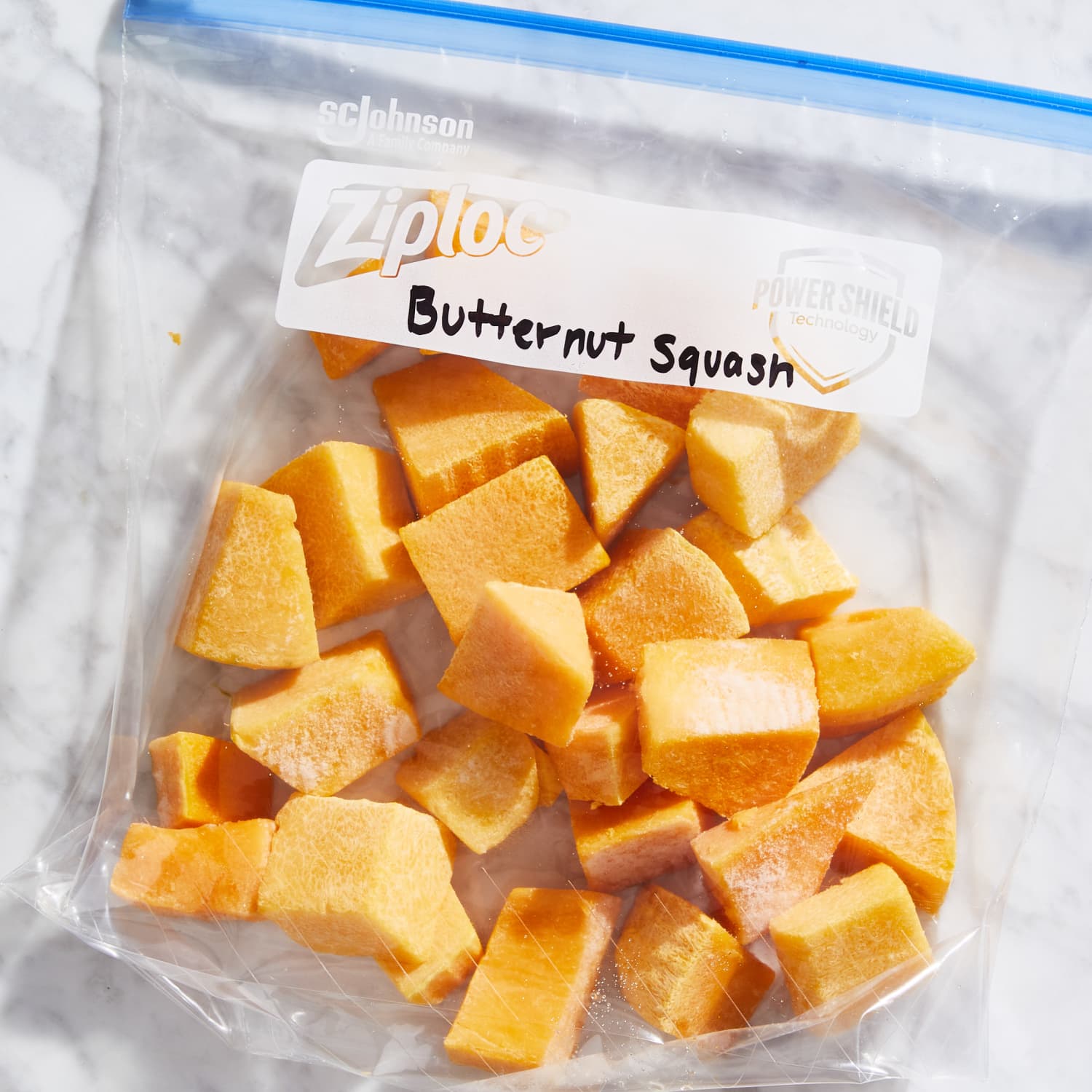
Place squash in Amazonfreezer-safe bags or containers. Remove as much air as possible. Label with type, amount, and date.
Example label: “Zucchini, 2 cups, July 2024”
Freezing Summer Squash: Detailed Steps
Summer squash, like zucchini and yellow squash, have high water content. This makes them soft and sometimes mushy after freezing if not handled correctly.
Best Way To Freeze Summer Squash
- Wash and trim: Remove ends, cut into slices or cubes.
- Blanch: Boil for 2-3 minutes, then ice water.
- Drain and dry: Use towels to remove moisture.
- Pre-freeze: Lay pieces on a baking sheet for an hour.
- Pack: Transfer to freezer bags, remove air, seal tightly.
- Label and freeze: Store flat for easy stacking.
Freezing Shredded Zucchini
Shredded zucchini is great for baking (like bread or muffins). Here’s how:
- Wash, trim, and grate using a box grater.
- Pack into freezer bags (1-2 cups per bag).
- Squeeze out excess water before sealing.
- Flatten bags for faster freezing.
Tip: Do not blanch shredded zucchini. It’s not needed and can make it too watery.
Storage Life
Frozen summer squash lasts up to 10-12 months. After that, texture and flavor start to decline.
Freezing Winter Squash: Two Reliable Methods
Winter squash, such as butternut, acorn, and pumpkin, can be frozen raw or cooked. Each method has advantages.
Method 1: Freezing Raw Cubes
- Peel and cube: Remove skin and seeds. Cut into 1-inch cubes.
- Blanch: Boil for 3-4 minutes, then ice water.
- Dry: Pat cubes dry.
- Pack: Place in freezer bags, remove air, label.
Method 2: Freezing Cooked Puree
Freezing cooked squash is ideal for soups, pies, and casseroles.
- Bake or steam squash: Cut in half, place cut-side down, bake at 400°F for 30-50 minutes (depending on size), or steam until tender.
- Scoop flesh: Discard skins.
- Puree: Use a blender or food processor until smooth.
- Cool: Let puree reach room temperature.
- Pack: Spoon into freezer containers or bags, in 1- or 2-cup portions.
- Label and freeze.
Data Table: Raw vs. Pureed Winter Squash
| Method | Best For | Texture After Thawing | Common Uses |
|---|---|---|---|
| Raw Cubes | Roasting, stir-fries | Firm, retains shape | Side dishes, casseroles |
| Cooked Puree | Baking, soups | Smooth, creamy | Pies, breads, soup |
Storage Life
Frozen winter squash keeps up to 12-15 months. After that, it’s still safe but may lose quality.
Packing Squash For Maximum Freshness
Good packing prevents freezer burn—those icy, dry spots that ruin taste. Here’s how to do it right:
- Use high-quality freezer bags or airtight containers.
- Remove as much air as possible. Press bags flat or use a straw to suck out air. For containers, leave a tiny space for expansion.
- Label everything. Always include the type, amount, and date.
- Freeze in usable portions. Small bags are easier to thaw and reduce waste.
Bonus tip: Portion squash based on how you’ll use it. For example, measure 2 cups for soup recipes or 1 cup for baking.
Organizing Your Freezer For Squash
How you store squash in the freezer affects both quality and convenience.
Smart Storage Strategies
- Lay bags flat for quick freezing and easy stacking.
- Store by type and date: Place older squash in front so you use it first.
- Keep temperatures steady: Squash freezes best at 0°F (-18°C) or lower.
Data Table: Freezer Life Of Different Squash Types
| Squash Type | Form | Best Quality Period | Notes |
|---|---|---|---|
| Summer Squash | Sliced, diced | 10-12 months | High water content; best for cooked dishes |
| Winter Squash | Raw cubes | 12-15 months | Great for roasting after thawing |
| Winter Squash | Cooked puree | 12-15 months | Perfect for soups and pies |
| Zucchini | Shredded | 10-12 months | Ideal for baking |
Common mistake: Overloading the freezer slows the freezing process, which can cause larger ice crystals and lower quality.
Thawing And Using Frozen Squash
Thawing squash the right way helps maintain texture and taste.
Thawing Methods
- Overnight in the refrigerator: Best for purees and cooked dishes.
- Directly in cooking: Add frozen cubes or slices right into soups, stews, or stir-fries.
- Microwave on defrost: For quick thawing, but watch closely to avoid mushiness.
Tip: Shredded zucchini should be drained and squeezed after thawing to remove extra moisture before baking.
Using Frozen Squash
Frozen squash is best in cooked recipes. Here are some ideas:
- Add to soups, stews, or chili
- Mix with pasta sauces
- Use in casseroles or gratins
- Pureed winter squash for pies or breads
- Shredded zucchini for muffins or pancakes
Non-obvious insight: Don’t try to use thawed squash in salads or raw dishes. Freezing changes the texture, making it too soft for fresh eating.
Mistakes To Avoid When Freezing Squash
Even experienced cooks make errors when freezing squash. Here are some to watch out for:
- Skipping blanching. This leads to mushy, bland squash.
- Not drying after blanching. Extra water causes freezer burn and ice crystals.
- Packing too much in a bag. Squash freezes unevenly, leading to clumps.
- Not labeling. You might forget what’s inside or how old it is.
- Using regular bags. Thin bags let air in and cause freezer burn.
- Freezing too large pieces. They take longer to thaw and cook unevenly.
- Not rotating stock. Use older squash first to prevent waste.
- Storing at temperatures above 0°F. This shortens shelf life and quality.
How To Store Squash In The Freezer: Step-by-step Summary
To make things even clearer, here’s a quick reference guide:
- Wash squash thoroughly.
- Trim, peel, and cut into desired shape.
- Blanch pieces in boiling water (except for shredded zucchini).
- Cool immediately in ice water.
- Dry pieces fully.
- Pre-freeze on a baking sheet (optional but helpful).
- Pack into freezer-safe bags or containers, remove air.
- Label with type and date.
- Freeze at 0°F (-18°C) or lower.
- Use within recommended time for best quality.
:max_bytes(150000):strip_icc()/How_To_Freeze_Squash_006-645caf5ab04740b4b6d02e14fe05d2ae.jpg)
Credit: www.southernliving.com
Advanced Tips For Freezing Squash Like A Pro
If you want to take your squash freezing to the next level, try these tips:
- Season before freezing: Add a pinch of salt, pepper, or herbs to purees for ready-to-use flavor.
- Freeze in ice cube trays: Great for pureed squash—pop out a few cubes for sauces or baby food.
- Vacuum seal for longer storage: Removes all air and prevents freezer burn.
- Freeze squash noodles: Spiralize zucchini, blanch quickly, dry well, and freeze for low-carb noodles.
Creative idea: Mix squash types (like butternut and acorn) in purees for unique flavors in soups and baking.
Storing Squash Seeds And Peels
Don’t throw away those seeds and peels—they can be used too!
- Seeds: Clean and roast for a healthy snack.
- Peels: Compost or add to vegetable broth for extra nutrition.
How Freezing Affects Squash Nutrition
Freezing preserves most of the vitamins and minerals in squash. The blanching process reduces some vitamin C, but overall, frozen squash retains nutrients well compared to canned or long-stored fresh squash.
For more information about the nutritional value of squash, check out this Harvard resource.
Comparison: Freezing Vs. Other Storage Methods
How does freezing stack up against other ways to store squash? See the comparison below.
| Method | Storage Life | Best For | Downsides |
|---|---|---|---|
| Freezing | 10-15 months | All squash types, cooked or raw | Texture changes, needs freezer space |
| Room Temperature | 1-3 months (winter squash only) | Whole, uncut winter squash | Not for cut or cooked squash; summer squash spoils fast |
| Canning | 12+ months | Pureed winter squash | Requires special equipment, more time |
| Dehydrating | 6-12 months | Zucchini chips, soup mixes | Loss of fresh flavor, needs rehydration |
Credit: www.thekitchn.com
Recommended Tools That You Need
To complete this repair or project safely and effectively, we analyzed the guide steps and selected the highest-rated physical tools and replacement parts available on Amazon.

Amazon Basics Classic 8-inch Full Tang High Carbon Stainless Steel Chef's Knife, Multipurpose Kitchen Knife with Three Rivets, Silver
For peeling, trimming, and cutting squash into uniform pieces.

imarku Santoku Knife 7 Inch with Sharp Japanese High Carbon Stainless Steel
For peeling, trimming, and cutting squash into uniform pieces.

imarku Japanese Chef Knife-Sharp Kitchen Knife 8 Inch, Gift for Mom & Dad
For peeling, trimming, and cutting squash into uniform pieces.

Victorinox Fibrox Pro 8 Inch Chef’s Knife, Dishwasher Safe, Black
For peeling, trimming, and cutting squash into uniform pieces.

KEEMAKE 8" Chef Knife, Ultra Sharp Kitchen Knife with Ergonomic Handle
For peeling, trimming, and cutting squash into uniform pieces.
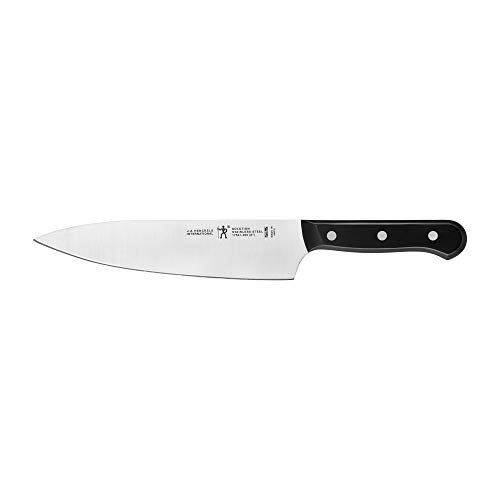
HENCKELS Solution Razor-Sharp 8-inch Chef Knife, German Engineered Informed by 100+ Years of Mastery
For peeling, trimming, and cutting squash into uniform pieces.
Frequently Asked Questions
How Long Does Frozen Squash Last In The Freezer?
Properly frozen squash lasts 10-15 months depending on the type. Summer squash is best within 10-12 months; winter squash (raw or pureed) up to 15 months. Always check for freezer burn before using.
Do I Have To Blanch Squash Before Freezing?
Blanching is strongly recommended for most squash except for shredded zucchini. It helps maintain color, texture, and flavor. Skipping this step often leads to mushy, unappealing squash.
Can I Freeze Squash Without Cooking It First?
You can freeze raw squash cubes (especially winter squash), but blanching still improves quality. For summer squash, always blanch before freezing. For winter squash puree, cook before freezing for best results.
Can I Freeze Whole Squash?
Freezing whole squash is not recommended. It takes up a lot of space, thaws unevenly, and may develop an unpleasant texture. Always cut, peel, and prepare squash before freezing for better results.
How Do I Avoid Freezer Burn On Frozen Squash?
Use airtight freezer bags or containers, remove as much air as possible, dry squash before packing, and keep your freezer at 0°F (-18°C) or lower. Label with the date and use older squash first.
Freezing squash is a smart way to save money, reduce waste, and enjoy garden-fresh flavor any time of year. With the right preparation, packing, and storage, your squash will taste almost as good as the day it was picked. Whether you’re preserving a bumper crop or stocking up for winter, following these steps will help you get the best texture, nutrition, and taste from your frozen squash.