
Storing smoothies overnight can help you save time, reduce food waste, and make healthy eating easier. But if you have ever tasted a smoothie that sat in the fridge for hours, you might notice it doesn’t always taste the same. It can separate, turn brown, or lose its fresh flavor. Many people wonder: Is it safe to store smoothies overnight? Will they keep their nutrition? How can you make sure they still taste good the next day?
This article will guide you through everything you need to know about how to store smoothies overnight. You’ll learn the best containers, the right ingredients, how long smoothies last, and how to stop your drink from turning brown or watery. You’ll also find practical tips, science-backed facts, and solutions to common storage mistakes. Whether you’re a busy professional, a student, or just looking for healthy habits, you’ll find complete answers here.
Why Store Smoothies Overnight?
Life can be busy. Preparing your smoothie in advance can save precious minutes in the morning. Storing smoothies overnight also helps with meal planning and reduces the temptation to skip breakfast or grab less healthy options.
But there are more benefits:
- Less waste: You use leftover fruits and greens before they spoil.
- Portion control: Preparing in advance helps you measure servings.
- Consistency: A stored smoothie is ready to grab and go.
People sometimes worry about nutrition loss or changes in taste. While some nutrients break down slowly, most remain stable for 24 hours if you follow good storage practices. The right methods can keep your smoothie fresh, safe, and delicious.
How Long Do Smoothies Last In The Fridge?
Most homemade smoothies last up to 24-48 hours in the refrigerator. The actual time depends on the ingredients, storage temperature, and how well you seal the container.
Here’s a quick comparison of common smoothie shelf lives:
| Smoothie Ingredient | Fridge Life (Hours) | Signs It’s Gone Bad |
|---|---|---|
| Fresh fruit & greens | 24-36 | Discoloration, sour smell |
| Dairy (milk/yogurt) | 24 | Separation, curdling, off taste |
| Nut butters/seeds | 36-48 | Oiliness, bad odor |
| Citrus/acidic fruit | 36-48 | Browning, bitterness |
| Protein powder only | 48 | Unusual texture, smell |
Non-obvious insight: The more fresh, raw produce in your smoothie, the faster it will degrade. Smoothies with high-acid fruits (like pineapple or orange) can stay fresh a little longer because acid slows bacteria growth.
The Science Behind Smoothie Spoilage
Storing a smoothie overnight is not just about flavor. It’s also about stopping spoilage. Here’s what happens:
- Oxidation: When air touches fruits, vitamins like C and A break down. This makes smoothies brown and less nutritious.
- Separation: Water separates from fiber, especially in plant-based blends. This is normal but may look unappetizing.
- Microbial growth: Bacteria multiply if temperature rises above 40°F (4°C).
Practical tip: Fill your container as much as possible to reduce air, and refrigerate immediately after blending.
Choosing The Best Containers For Storing Smoothies
The right container can make a big difference. Here’s what to look for:
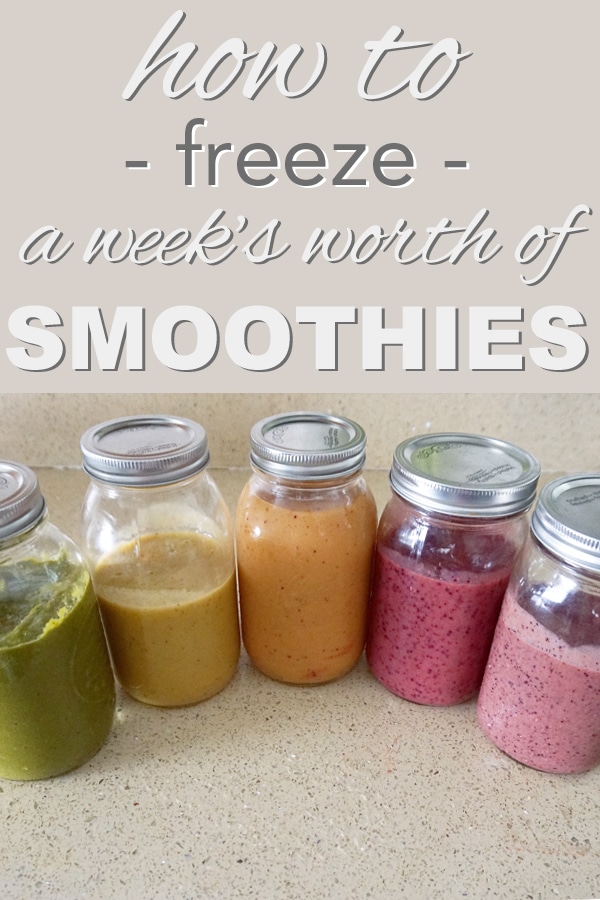
- Material: Glass jars are best. They don’t absorb odors, keep flavors pure, and are easy to clean. BPA-free plastic is good for travel but may stain or hold smells.
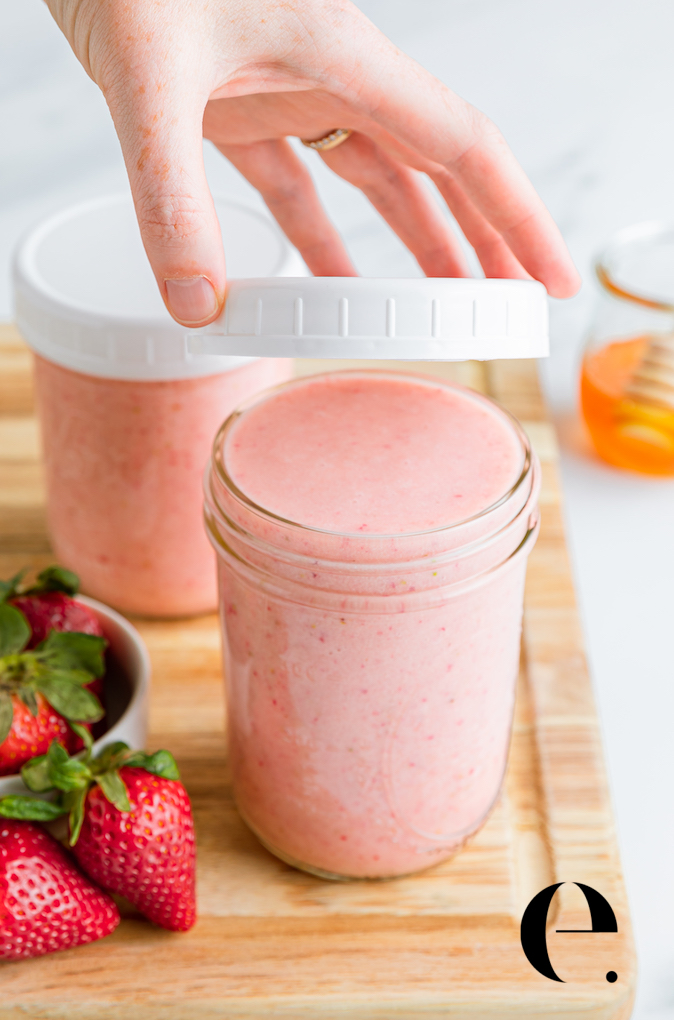
- Seal: An airtight lid stops air from getting in. This slows oxidation and keeps your smoothie fresh.
- Size: Use a container that matches your smoothie volume. Less air means less spoilage.
- Shape: Wide-mouth jars or bottles are easier to fill, pour, and clean.
Let’s compare the most common container types:
| Container Type | Pros | Cons |
|---|---|---|
| Glass Mason Jar | Non-porous, airtight, eco-friendly | Heavier, breakable |
| BPA-Free Plastic Bottle | Lightweight, portable, shatterproof | May stain, not always odor-resistant |
| Stainless Steel Tumbler | Keeps cold longer, durable | Not see-through, can be pricey |
| Disposable Cup | Convenient, cheap | Not eco-friendly, leaks possible |
Pro tip: If using plastic, make sure it’s labeled food-safe and BPA-free. Some plastics can release chemicals into acidic liquids over time.
Credit: www.goingzerowaste.com
How To Store Smoothies Overnight: Step-by-step
Getting the best results from overnight smoothie storage is easy if you follow these steps:
1. Prepare The Right Ingredients
Some ingredients hold up better than others overnight. For longer-lasting smoothies, try these:
- Banana: Tends to brown, but lemon juice helps prevent it.
- Berries: Blueberries, strawberries, and raspberries are stable if the container is airtight.
- Spinach/Kale: Mild greens hold up well; arugula or herbs may wilt or get bitter.
- Citrus: Lemon, lime, or orange juice slows browning.
- Avocado: Good for creaminess, but browns quickly unless acid is added.
Avoid ingredients that spoil or separate quickly, like ice cream, whipped cream, or frozen whipped toppings.
2. Blend Your Smoothie
Blend until smooth. If you plan to store it, blend a little longer to break down all fibers—this prevents separation. If you want a thick texture the next day, use less water or milk.
3. Add A Splash Of Citrus
A small amount of lemon or lime juice (about ½ teaspoon per cup) can stop browning and help your smoothie stay vibrant.
4. Transfer To An Airtight Container
Pour the smoothie into your chosen jar or bottle. Fill to the very top to minimize air space. Seal tightly.
5. Store In The Coldest Part Of The Fridge
The back of the fridge is colder than the door. Place your smoothie there to keep it at a steady, safe temperature.
6. Shake Or Stir Before Drinking
Some separation is normal. Shake the jar or stir with a spoon before drinking to mix flavors and textures.
Non-obvious insight: For super-fresh taste, blend the liquid and greens/fruits separately. Store the base overnight, and add quick-blend ingredients (like protein powder or yogurt) in the morning.
Common Mistakes When Storing Smoothies Overnight
Even small mistakes can ruin your smoothie’s texture or taste. Here’s what to avoid:
- Leaving too much air in the jar: More air means more oxidation and faster spoilage.
- Storing warm smoothies: Always chill quickly. Warmth speeds bacteria growth.
- Using the wrong lid: Non-airtight lids let in odors and moisture.
- Adding ice before storing: Ice melts, making your smoothie watery and bland.
- Adding delicate greens or herbs: These can wilt and create a bitter taste.
- Not cleaning containers well: Leftover residue can spoil the fresh batch.
Pro tip: If you want a cold, slushy texture, freeze your smoothie in ice cube trays and blend again in the morning.
Can You Freeze Smoothies For Later?
Yes, freezing is a great way to keep smoothies fresh for longer than a day. Here’s how:
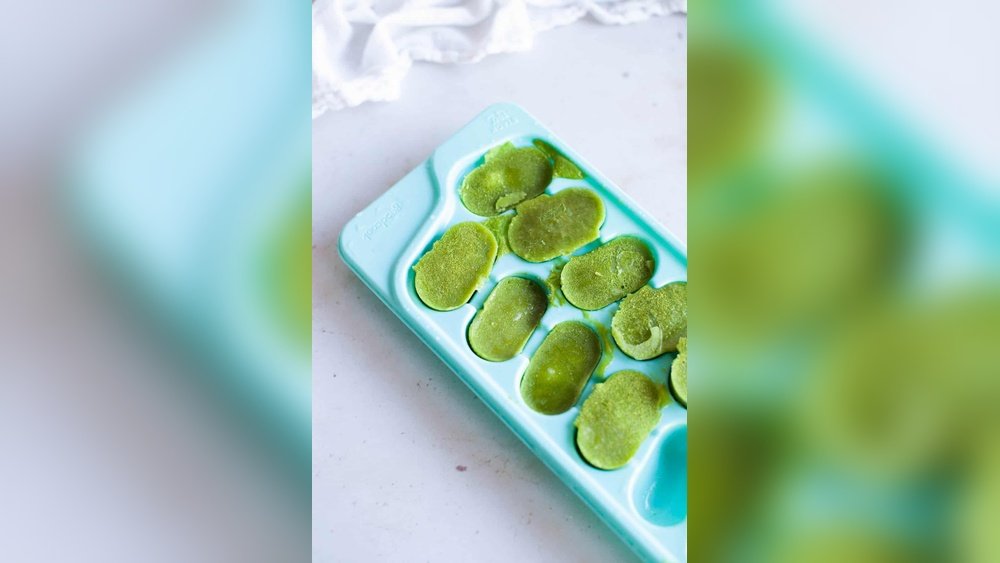
- Portion: Pour your smoothie into freezer-safe containers or silicone ice cube trays.
- Leave space: Liquids expand, so don’t fill all the way to the top.
- Label: Write the date and ingredients on the container.
- Thaw: Move to the fridge the night before for slow, safe thawing.
- Re-blend: For best texture, blend again after thawing.
Frozen smoothies can last up to 3 months. This is a good solution if you want to prep multiple servings at once.
Ingredient Choices For Longer Storage
Choosing the right ingredients helps your smoothie last overnight. Some foods naturally last longer or help preserve the whole drink.
Best ingredients for overnight storage:
- Citrus fruits (orange, lemon, lime): High in vitamin C, slow browning, keep flavors bright.
- Berries: Low water content, less separation.
- Nut butters: Add creaminess and stabilize texture.
- Oats or chia seeds: Soak up liquid and prevent separation.
- Greek yogurt: Thickens and adds protein, but don’t leave more than 24 hours.
Ingredients to avoid:
- Bananas (unless acid is added): Turn brown quickly.
- Apple or pear: Oxidize fast unless mixed with lemon juice.
- Delicate greens (basil, cilantro): Wilt and lose flavor.
- Ice cream or whipped cream: Lose texture and get watery.
Special tip: Adding a small amount of honey or maple syrup can act as a natural preservative, slowing bacteria growth.
How Nutrition Changes Overnight
One common worry is whether smoothies lose their nutrition if stored overnight. Here’s what actually happens:
- Vitamin C and some B vitamins can break down when exposed to air, light, or heat. Most loss is small—about 10-20% over 24 hours.
- Fiber, protein, and minerals (like calcium and iron) stay stable.
- Healthy fats (from nuts, seeds, avocados) remain unchanged.
Science-backed fact: According to the USDA, most nutrients in blended fruits and vegetables stay stable for at least 24 hours in the fridge if stored in an airtight container.
If you want to maximize nutrition, drink your smoothie within 24 hours and keep it as cold as possible.
How To Prevent Separation And Browning
Nothing is less appealing than a smoothie that looks split or brown. To stop this:
- Blend thoroughly: A high-speed blender breaks down fibers, reducing separation.
- Add a thickener: Oats, chia seeds, or Greek yogurt help keep everything mixed.
- Use citrus: Lemon or lime juice acts as a natural antioxidant, preventing browning.
- Seal tightly: Airtight containers keep out oxygen.
- Store cold: Low temperatures slow down both separation and browning.
Real-life example: If you make a spinach-banana smoothie, add 1 teaspoon of lemon juice. Store it in a glass jar filled to the top. The next morning, it will still be green and creamy, not brown.
The Best Time To Prepare Your Smoothie
Timing matters. Here’s what works best:
- Evening before: Perfect for busy mornings. Blend, chill, and your breakfast is ready.
- Morning batch: If you have time in the morning, blend and split into two. Store one half for an afternoon snack.
- Weekly prep: For longer storage, freeze smoothie bases in small containers. Thaw and blend with fresh liquid when needed.
Pro insight: If you need energy all day, make two smaller smoothies (one for breakfast, one for later) instead of one big batch.
Can You Store Smoothies At Room Temperature?
This is not safe. Smoothies contain raw produce, which can support bacteria growth if left out above 40°F (4°C) for more than 2 hours. Always refrigerate or freeze as soon as possible.
Credit: www.elizabethrider.com
Tips To Keep Smoothies Fresh Overnight
Here are some proven ways to keep your smoothie as tasty as possible until the next day:
- Chill ingredients before blending: Start with cold fruits and liquids for longer freshness.
- Fill containers completely: Less air means less oxidation.
- Store in the coldest fridge spot: Usually the back or bottom shelf.
- Add lemon or lime juice: As little as ½ teaspoon per serving can prevent browning.
- Avoid opening the container until ready to drink: Each time you open, you let in air and bacteria.
- Add dry toppings or mix-ins just before drinking: Keep granola, seeds, or coconut separate until serving for best texture.
Sample Overnight Smoothie Recipe
Here’s a great recipe that stores well overnight and stays fresh and tasty.
Overnight Berry-Oat Smoothie
Ingredients:
- 1 cup frozen mixed berries
- ½ banana
- ½ cup Greek yogurt
- ½ cup rolled oats
- 1 tablespoon chia seeds
- 1 cup unsweetened almond milk
- 1 teaspoon honey
- 1 teaspoon lemon juice
Instructions:
- Add all ingredients to a blender.
- Blend until very smooth (about 1 minute).
- Pour into a glass jar, filling to the top.
- Seal with an airtight lid.
- Store in the coldest part of the fridge overnight.
Serving: Shake or stir before drinking. Makes 1 large or 2 small servings.
Tip: You can double or triple this recipe for meal prep. If using fresh berries, consider adding a few ice cubes when blending.
Common Storage Questions And Troubleshooting
Sometimes, even when you follow all the steps, things can go wrong. Here’s how to fix the most common problems:
- Smoothie is watery: Add a tablespoon of oats or chia seeds next time. These soak up extra liquid.
- Smoothie is brown: Add more lemon juice, or blend with more berries and less banana.
- Strange taste or smell: Discard. This is a sign of spoilage.
- Thick clumps: Blend a little longer, or shake well before drinking.
Sustainable Smoothie Storage
If you want to reduce waste, use reusable glass jars or stainless steel bottles. Wash containers well between uses with hot, soapy water. Compost fruit peels and veggie scraps. Try to buy local, seasonal produce for maximum freshness.
Comparing Overnight Storage To Fresh Blending
Is there a real difference between drinking a smoothie right away and after a night in the fridge?
| Factor | Freshly Blended | Overnight Stored |
|---|---|---|
| Taste | Bright, fresh, intense | Slightly milder, sometimes sweeter |
| Texture | Light, fluffy, sometimes icy | Thicker, creamier, may separate |
| Nutrition | Maximum vitamins | Small loss of vitamin C, most nutrients stay |
| Convenience | Needs time to prepare | Ready instantly |
Insight: Overnight smoothies are still healthy and delicious. If you use the right ingredients and methods, the difference is small.
Special Storage For Green And Protein Smoothies
Green Smoothies
Green smoothies (with spinach, kale, or other greens) can turn brown or develop a grassy taste. Add lemon juice or use more berries to keep color and flavor. Store tightly sealed, and shake well before drinking.
Protein Smoothies
If your smoothie has protein powder, blend it last, just before storing. Some protein powders (like whey) thicken over time, while plant-based powders may separate. If texture changes, re-blend or shake before drinking.
Pro tip: For super-smooth results, mix protein powder with milk or water first, then add to the smoothie base.
Meal Prep: Storing Multiple Smoothies At Once
Many people like to make smoothies for several days at a time. Here’s how to do it safely:
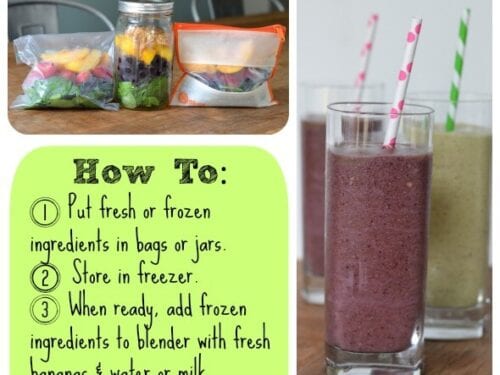
- Make smoothie packs: Fill freezer bags with chopped fruits, greens, and seeds. Freeze. In the evening, dump into the blender with liquid, blend, and store overnight.
- Batch blend and freeze: Make a big batch, pour into single-serve containers, and freeze. Thaw and shake as needed.
- Rotate ingredients: Use a variety of fruits, greens, and protein sources for balanced nutrition.
When Not To Store A Smoothie Overnight
Sometimes, it’s better to blend fresh and drink right away:
- If your smoothie contains dairy and raw eggs (for eggnog or protein shakes)
- If you use highly perishable ingredients like fresh herbs, avocado, or apple
- If you want a light, fluffy, or icy texture
Safe Storage Tips For Kids’ Smoothies
Kids are more sensitive to spoiled foods. Always:
- Use fresh ingredients, not leftovers
- Store in clean, small containers (child-sized portions)
- Keep at the back of the fridge
- Never keep more than 24 hours
How To Tell If A Stored Smoothie Has Gone Bad
Spoiled smoothies are unsafe to drink. Signs include:
- Sour or off smell
- Mold or unusual color
- Bubbles or fizzing
- Separation that doesn’t mix when shaken
- Unusual taste
When in doubt, throw it out.
Useful External Resource
For more on food storage and safety, see this USDA Safe Food Handling Guide.
Frequently Asked Questions
How Do You Keep A Smoothie From Separating Overnight?
Blend your smoothie longer, add thickeners like chia seeds or oats, and store in an airtight container. Shake or stir before drinking to remix any separated layers.
Can You Make Smoothies Ahead For The Whole Week?
Yes, but it’s best to freeze them in individual portions. Thaw in the fridge overnight, then shake or re-blend. Freshness and nutrition are best within 3 months of freezing.
Is It Safe To Store Smoothies In Plastic Bottles Overnight?
If the plastic is food-safe and BPA-free, it’s generally safe. However, glass or stainless steel is better for flavor and avoids possible chemical leaching, especially with acidic ingredients.
Will A Smoothie Lose Its Nutrition If Stored Overnight?
There may be a small loss of vitamin C (10–20%), but most nutrients, fiber, and protein stay stable for 24 hours if stored cold and airtight.
What Is The Best Way To Store Green Smoothies Overnight?
Use a glass jar with a tight lid, add lemon or lime juice to prevent browning, and keep it in the coldest part of the fridge. Shake well before drinking.
Smoothies are a convenient, healthy choice. With the right storage methods, you can enjoy a fresh-tasting, nourishing drink even on your busiest mornings. Follow these tips, and you’ll never have to worry about wasted smoothies or lost nutrition again.
Credit: www.100daysofrealfood.com