
Storing chickpeas may seem simple, but doing it right makes a huge difference in taste, texture, and nutrition. Chickpeas, also called garbanzo beans, are a favorite ingredient around the world. People use them in salads, soups, curries, and hummus. Yet, many people are unsure how to keep chickpeas fresh and safe to eat, whether they’re dried, cooked, or canned.
Understanding the best ways to store chickpeas saves money and reduces food waste. It also helps you enjoy better meals, since old or poorly stored chickpeas can ruin a recipe. Proper storage isn’t just about putting beans in a container.
Factors like moisture, light, temperature, and container type all play a role. Sometimes, small mistakes—like using the wrong jar or not checking for moisture—can lead to spoilage or even food poisoning.
This article will guide you through every method to store chickpeas: dried, cooked, canned, and even sprouted. You’ll learn practical tips, see real data, and discover insights most people miss. Whether you buy chickpeas in bulk or cook them fresh each week, you’ll find the answers you need to keep your chickpeas at their best.
Why Proper Storage Of Chickpeas Matters
Chickpeas are packed with protein, fiber, and important minerals like iron and magnesium. Storing them correctly helps protect these nutrients. Poor storage can lead to mold growth, insect infestation, or rancid flavors. In some cases, spoiled chickpeas can cause stomach upset or more serious health issues.
For example, dried chickpeas stored in a damp place might absorb moisture and grow mold. Cooked chickpeas left at room temperature can quickly become a breeding ground for bacteria. Even canned chickpeas go bad once opened if you don’t transfer them to the right container.
Another reason to store chickpeas carefully is cost. Buying in bulk is often cheaper, but if half your beans spoil, you lose money. For people who meal prep or cook large batches, proper storage means less waste and more convenience.
Understanding Chickpea Types And Their Storage Needs
Not all chickpeas are the same. The way you store them depends on their form:
- Dried chickpeas – Uncooked, shelf-stable beans.
- Cooked chickpeas – Beans that have been boiled or pressure-cooked.
- Canned chickpeas – Ready-to-eat beans, preserved in liquid.
- Sprouted chickpeas – Beans soaked and sprouted for salads or snacks.
- Chickpea flour – Ground chickpeas, used in baking and cooking.
Each type needs different storage methods. For example, dried beans can last years if kept dry, while cooked beans need refrigeration. Sprouted chickpeas spoil even faster.
Let’s break down each type and see what works best.
Credit: toriavey.com
How To Store Dried Chickpeas
Dried chickpeas are popular because they’re cheap, last a long time, and are easy to transport. Yet, they can absorb moisture or attract pests if not stored properly.
Choosing The Right Container
The container makes a big difference. The best options are:
- Airtight glass jars (Mason jars work well)
- Plastic food-grade containers with tight lids
- Vacuum-sealed bags for long-term storage
Avoid thin plastic bags, paper bags, or open containers. These let in air, moisture, and bugs.
Ideal Storage Conditions
Dried chickpeas need a cool, dark, and dry place. The best temperature is below 70°F (21°C). Humidity should be under 50%. Too much heat or moisture shortens their shelf life.
Good storage spots:
- Pantry shelves, away from windows
- Kitchen cabinets (not above the stove)
- Basement shelves (if dry)
Shelf Life Of Dried Chickpeas
If stored well, dried chickpeas can last up to 2–3 years. They may last even longer, but older beans take longer to cook and might not soften completely.
Here’s a comparison of storage times under different conditions:
| Storage Condition | Shelf Life | Quality |
|---|---|---|
| Cool, dry, airtight | 2–3 years | Best |
| Room temperature, loosely covered | 6–12 months | Fair |
| Humid, warm area | 3–6 months | Poor |
Protecting From Insects And Pests
A common problem is small beetles or weevils getting into chickpeas. To prevent this:
- Freeze the dried chickpeas for 1–2 days before storing. This kills any insect eggs.
- Add a bay leaf to the jar; the smell repels bugs.
- Check containers regularly for signs of pests.
Bulk Storage Tips
If you buy 10 lbs (4. 5 kg) or more at once, divide into smaller containers. This way, you only open what you need, and the rest stays fresh.
How To Store Cooked Chickpeas
Cooked chickpeas are versatile but spoil quickly if not stored right. Bacteria multiply fast at room temperature.
Cooling And Preparing For Storage
After cooking, let chickpeas cool to room temperature within 1 hour. Do not leave them sitting out for hours. If you need to cool them faster, spread on a baking sheet.
Best Containers For Cooked Chickpeas
- Airtight glass or BPA-free plastic containers
- Reusable silicone bags
Avoid metal containers, which can react with the beans and change the taste.
Refrigerator Storage
Store cooked chickpeas in the fridge if you’ll use them within 3–5 days. Cover with a little of the cooking liquid to keep them moist, but don’t submerge them.
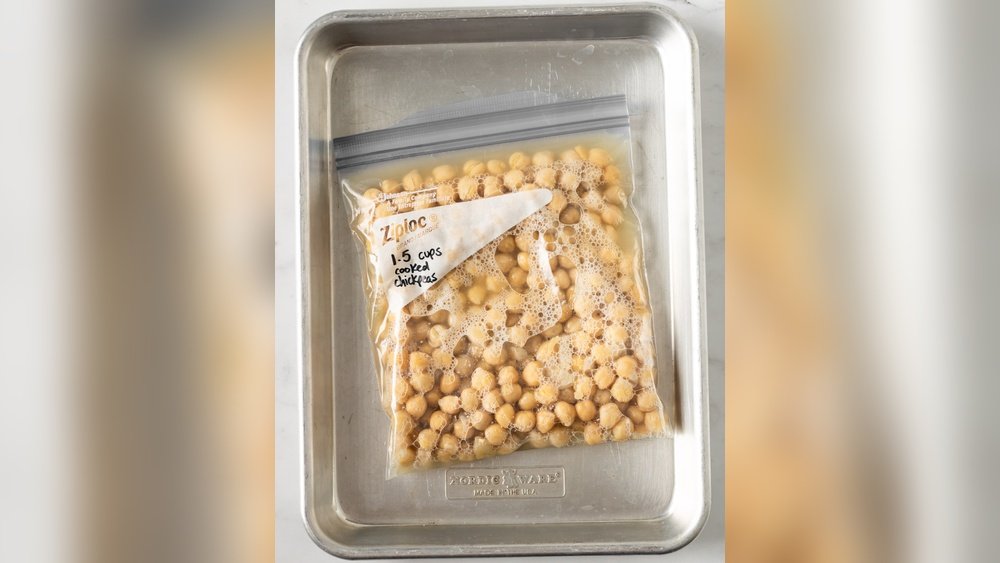
Freezing Cooked Chickpeas
For longer storage, freezing is best. Here’s how:
- Pat chickpeas dry with a clean towel.
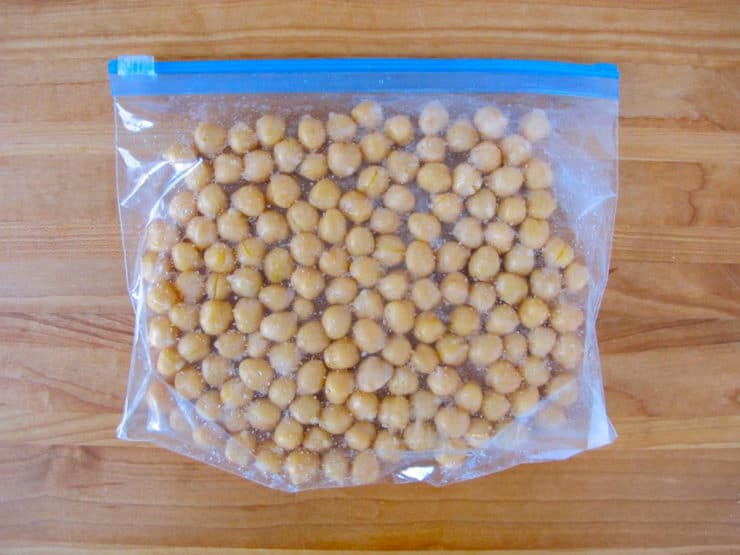
- Spread in a single layer on a baking sheet. Freeze for 1–2 hours. This prevents clumping.
- Transfer to a freezer-safe container or bag.
- Label with the date.
Frozen chickpeas last up to 6 months. When ready to use, thaw in the fridge overnight or add directly to hot dishes.
Differences In Texture After Freezing
Freezing can change the texture slightly, making chickpeas softer. This is usually fine for soups or stews, but for salads, freeze for the shortest time possible.
Here’s how different storage methods affect cooked chickpeas:
| Method | Storage Time | Best Use |
|---|---|---|
| Refrigerator | 3–5 days | Salads, snacks |
| Freezer | Up to 6 months | Soups, stews, curries |
Avoiding Common Mistakes
- Never store hot chickpeas in the fridge; it raises fridge temperature and risks spoilage.
- Do not refreeze chickpeas that have already been thawed.
- Don’t add salt or acidic ingredients (like lemon juice) before freezing, as these can make the beans tough.
How To Store Canned Chickpeas
Canned chickpeas are convenient because they’re ready to eat. However, storage rules change once you open the can.
Storing Unopened Cans
Keep unopened cans in a cool, dry pantry. Avoid places with big temperature changes, like next to the stove or in a garage.
Most canned chickpeas last 2–5 years past the packaging date. But check the expiration date and look for rust, bulging, or dents.
Storing Opened Canned Chickpeas
Once opened, transfer chickpeas and their liquid to a glass or plastic container. Never store them in the opened can, as metal can leach into the food.
Refrigerate immediately and use within 3–4 days.
Freezing Canned Chickpeas
You can freeze opened canned chickpeas just like cooked ones. Rinse off the canning liquid first, as it may change texture when frozen.
Signs Of Spoiled Canned Chickpeas
Throw away chickpeas if you see:
- Swollen cans
- Rust or leakage
- Bad smell when opening
- Slimy or discolored beans
Eating spoiled canned beans is risky, so when in doubt, toss them.
How To Store Sprouted Chickpeas
Sprouting chickpeas boosts their nutrition and makes them easier to digest. But sprouted beans are very perishable.
Storing Sprouted Chickpeas
After sprouting, dry the chickpeas with a paper towel. Store in a breathable container (like a mesh produce bag) in the refrigerator.
Do not seal tightly or moisture will build up and cause rot. Use within 2–3 days.
Freezing Sprouted Chickpeas
Sprouted chickpeas don’t freeze well; they become mushy and lose their crunch. If you have too many, use them up in recipes like stir-fries or hummus.
Special Tip: Avoid Over-sprouting
If chickpeas grow long tails or smell sour, compost them. Freshly sprouted beans have short, white tails and a sweet, nutty smell.
Credit: www.caiteyjay.com
How To Store Chickpea Flour
Chickpea flour (also called besan or gram flour) is used in pancakes, breads, and snacks. It absorbs moisture easily, so storage is crucial.
Best Containers For Chickpea Flour
- Airtight glass jars
- Heavy-duty plastic containers
If you buy flour in bulk, transfer it from the store bag to a better container.
Where To Store
Keep flour in a cool, dark place, away from strong odors (flour absorbs smells). For long-term storage, the fridge or freezer works best.
Chickpea flour can go rancid because it contains natural oils. Refrigerated flour lasts up to 6 months; frozen flour can last a year.
Comparing Storage Methods For Different Chickpea Types
To help you decide, here’s a summary table:
| Type | Room Temp | Refrigerator | Freezer |
|---|---|---|---|
| Dried Chickpeas | 2–3 years | Not needed | 10+ years (vacuum-sealed) |
| Cooked Chickpeas | Not safe | 3–5 days | Up to 6 months |
| Canned (Unopened) | 2–5 years | Not needed | Not needed |
| Canned (Opened) | Not safe | 3–4 days | Up to 2 months |
| Sprouted | Not safe | 2–3 days | Not recommended |
| Chickpea Flour | 2–3 months | 6 months | 1 year |
Hidden Risks And Non-obvious Storage Tips
Most people know the basics, but here are important details you might not expect:
- Chickpeas absorb odors easily. If you store chickpeas near onions, spices, or cleaning products, the beans may pick up these smells and flavors. Always keep chickpeas in a separate, odor-free area.
- Oxygen exposure shortens shelf life. Even airtight containers can let in small amounts of air. Using a vacuum sealer, or adding oxygen absorber packets to containers, can keep dried chickpeas fresh longer.
- Moisture from washing: If you wash chickpeas before storage, make sure they are bone dry. Even a little moisture can lead to mold.
- Sunlight degrades beans. Clear glass jars look pretty but keep them in a dark cabinet. Light breaks down color and nutrients.
How To Tell If Chickpeas Have Gone Bad
Sometimes, chickpeas seem fine but are not safe to eat. Here’s what to watch for:
- Smell: Sour, musty, or off odors mean spoilage.
- Texture: Slimy, mushy, or powdery beans should be discarded.
- Color: Brown, gray, or black spots indicate mold or decay.
- Insects: Small holes or webbing mean bugs are present.
If you’re unsure, throw them away. Eating bad beans is not worth the risk.

Credit: intentionalhospitality.com
Saving Money And Reducing Waste
Storing chickpeas well isn’t just about safety—it also saves money and helps the environment. Buying large bags of dried chickpeas instead of small cans can reduce packaging waste. Cooking and freezing beans in batches means fewer takeout meals and less food thrown away.
If you find chickpeas are going soft or stale, use them in blended recipes like hummus, falafel, or soups. Slightly old beans are still fine for these dishes.
Special Storage For Long-term Emergencies
If you want to keep chickpeas for years, such as for emergency food storage, here are some extra steps:
- Use mylar bags with oxygen absorbers.
- Store in a food-grade bucket with a tight lid.
- Keep in a room that stays under 60°F (16°C) if possible.
Under these conditions, dried chickpeas can last 10 years or more. For more details on food storage science, visit the Utah State University Extension.
How To Store Chickpeas For Meal Prep
Meal prepping with chickpeas is popular for busy people. Here are some tips:
- Cook large batches, cool quickly, and divide into single-meal containers.
- Label containers with the date.
- Use freezer-safe containers if prepping for more than a week.
- Add flavor after thawing, not before freezing, to prevent texture changes.
How To Store Chickpeas When Traveling Or Camping
If you need chickpeas on the go, dried beans are best—they’re light and don’t spoil. For short trips, cooked chickpeas in a small cooler last up to 2 days. Canned beans are also handy if you have a can opener.
Keep containers out of direct sunlight and avoid leaving them in a hot car.
Frequently Asked Questions
How Can I Store Chickpeas Without A Refrigerator?
Keep dried chickpeas in airtight containers in a cool, dry place. For cooked or sprouted chickpeas, refrigeration is necessary. Canned chickpeas are safe at room temperature until opened.
Can I Store Chickpeas In The Original Packaging?
Store-bought bags are okay for short-term use. For longer storage, transfer chickpeas to airtight containers to protect from moisture and pests.
What Is The White Stuff On Dried Chickpeas?
Sometimes you see a white powdery coating. This is usually just dried starch and is safe. However, if it smells musty or feels sticky, it could be mold, and you should discard the beans.
Is It Safe To Eat Chickpeas Past Their Expiration Date?
If dried chickpeas look and smell normal, they are often safe even after the date. Cooked or canned chickpeas should be eaten by the date for safety. Always check for signs of spoilage.
What Is The Best Way To Rehydrate Old Dried Chickpeas?
Old chickpeas may take longer to cook. Soak them overnight with a pinch of baking soda. Baking soda softens the beans and helps them cook evenly.
Proper storage of chickpeas isn’t complicated, but the small details matter. By understanding the needs of each chickpea type and using the right containers and conditions, you can enjoy fresh, delicious chickpeas any time. This not only improves your meals but also saves money and reduces waste.
With these simple, effective storage tips, you’ll get the most out of every chickpea you buy.