
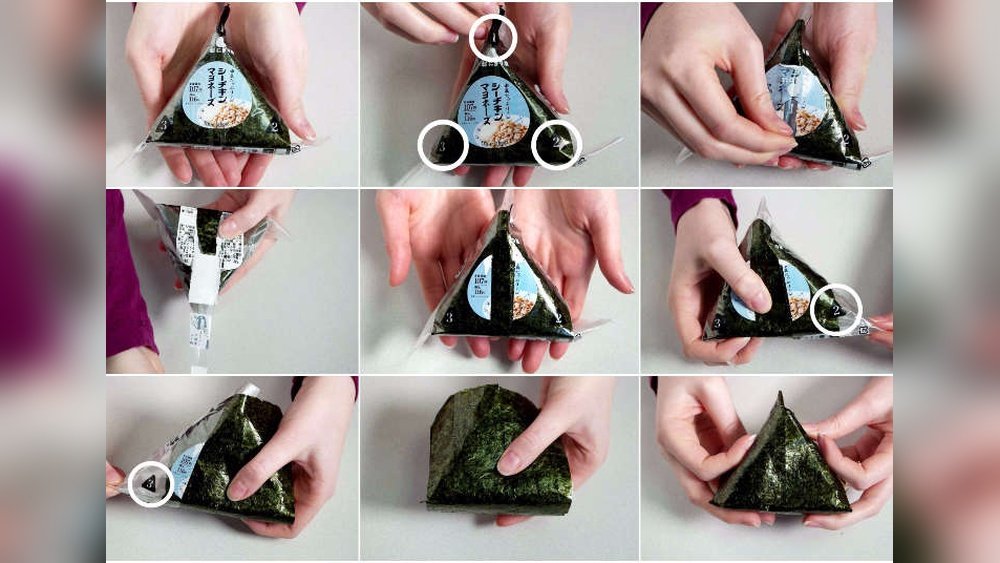
Storing onigiri, the iconic Japanese rice ball, might look simple at first glance. But if you love their texture and flavor, you know they can turn hard, soggy, or unsafe to eat if not stored right. Whether you make onigiri at home or buy them from a store, learning how to store onigiri properly makes a big difference. With the right storage, your onigiri stays fresh, delicious, and safe to eat—hours or even days later.
This guide walks you through everything: short-term and long-term storage, common mistakes, shelf life, packaging options, and even how to revive onigiri that has lost its best texture. You’ll find answers to questions beginners often miss, and you’ll leave with the confidence to keep your onigiri just right, whether you need them for lunch, a picnic, or a busy week ahead.
What Makes Onigiri Storage Unique
Onigiri may look like simple balls or triangles of rice, but they have special qualities that affect how you should store them.
First, onigiri is made with cooked short-grain rice, which has more moisture and stickiness than long-grain rice. This moisture helps the rice hold together but also means onigiri can spoil faster if not stored correctly. Second, many onigiri have fillings like salmon, tuna, umeboshi (pickled plum), or kombu (seaweed). Some fillings are shelf-stable, but others are perishable and need cold storage.
Another factor is nori (seaweed wrapper). When nori touches moist rice, it softens fast. Some people love soft nori, while others want it crispy. How you store onigiri can change the texture of the nori, so you need to think about your personal preference.
Key Factors That Affect Onigiri Storage
Several factors determine how long onigiri stays fresh and tasty.
- Temperature: Rice grows bacteria quickly at room temperature. You must cool onigiri soon after making them, especially with perishable fillings.
- Moisture: Too much moisture leads to soggy rice and fast spoilage. Too little, and onigiri turns hard.
- Air Exposure: Air dries out rice. Wrapping onigiri helps keep moisture inside.
- Filling Type: Some fillings, like salted salmon, last longer. Others, like tuna mayo, need strict refrigeration.
- Nori Contact: Wrapping onigiri with nori before storage makes nori soft. If you like crispy nori, store it separately.
- Container Choice: Airtight containers, plastic wrap, and bento boxes all affect freshness differently.
Understanding these factors helps you choose the right method for your needs.
Short-term Storage: Keeping Onigiri Fresh For The Day
If you plan to eat your onigiri within a few hours, you have several good options. But there are still some important steps to follow.
Room Temperature Storage (up To 6 Hours)
If your onigiri has no perishable fillings (for example, just salted rice or umeboshi), you can keep it at room temperature for a short time—usually up to 6 hours. However, the room should be cool (below 77°F or 25°C). In hot climates, avoid leaving onigiri out.
- Wrap each onigiri tightly in plastic wrap or wax paper. This prevents drying and keeps bacteria out.
- For extra safety, add a small sheet of kombu or shiso leaf inside the wrap. These have natural antibacterial properties.
- Store in a cool, shaded place, away from direct sunlight.
Lunch Boxes And Bento Storage
Many people bring onigiri in lunch boxes. Here’s how to keep them fresh:
- Use a bento box with a tight lid.
- Place a cooling pack under or next to the onigiri if the weather is warm.
- Separate the nori from the rice using a piece of parchment or special plastic divider. Add the nori just before eating for crispiness.
Storing Onigiri With Perishable Fillings
If your onigiri contains ingredients like tuna mayo, cooked meat, or egg, it must be refrigerated if not eaten within 2 hours.
- After making, cool onigiri at room temperature for 10 minutes, then move them to the fridge.
- Store in an airtight container or wrap tightly to stop the rice from drying out.
Non-obvious insight: Many people wrap hot onigiri right away, which traps steam and causes sogginess. Always let them cool slightly before wrapping.
Overnight Storage: How To Store Onigiri Until The Next Day
Sometimes you want to make onigiri at night for the next day’s lunch. This is possible, but you need to prevent two main problems: rice hardening and loss of flavor.
Refrigeration
Refrigeration is the best way to keep onigiri safe overnight, especially with perishable fillings. However, cold air dries out rice and can make it hard.
- Wrap each onigiri tightly in plastic wrap or use a zip-top bag with as little air as possible.
- Place wrapped onigiri in an airtight container for double protection.
- Store in the main fridge compartment, not the door (which is warmer).
- Keep nori separate until just before eating.
Pro tip: Place a damp paper towel in the container (not touching the rice) to maintain humidity.
Reviving Refrigerated Onigiri
Cold onigiri can be hard and less tasty. To soften it:
- Remove plastic wrap.
- Place onigiri on a microwave-safe plate.
- Cover with a damp paper towel.
- Microwave for 20–30 seconds (more if needed), just until the rice is soft and warm.
- Re-wrap with fresh nori.
Do not overheat, as this can make the rice gummy.
Shelf Life In The Fridge
Most homemade onigiri lasts up to 24 hours in the fridge if wrapped and stored well. After this, rice texture and flavor decline, and the risk of bacteria increases.
Second non-obvious insight: Some fillings, like umeboshi or konbu, act as natural preservatives and can help onigiri last a bit longer. But always check smell and texture before eating.
Long-term Storage: Freezing Onigiri
If you want to store onigiri for more than a day, freezing is your best option. While freezing does change the texture a little, it’s a safe and practical way to prepare onigiri in advance.
How To Freeze Onigiri
- Cool onigiri completely after making. Never freeze when still warm.
- Wrap each onigiri tightly in plastic wrap. Squeeze out as much air as possible.
- Place the wrapped onigiri in a freezer-safe zip-top bag or airtight container.
- Label with the date.
Important: Do not freeze onigiri with mayo-based, raw fish, or creamy fillings. These do not thaw well and can be unsafe.
How Long Do Frozen Onigiri Last?
Most onigiri can be frozen for up to 1 month. After that, the rice may become dry or crumbly.
How To Thaw And Reheat Frozen Onigiri
- Remove from the freezer and unwrap the plastic.
- Place on a microwave-safe plate.
- Cover with a damp paper towel.
- Microwave on medium for 2–3 minutes, checking halfway. The rice should be heated through but not too hot.
- Add fresh nori after reheating.
Example: A salmon-filled onigiri can go from freezer to lunchbox in under 5 minutes using this method.
Comparing Storage Methods For Onigiri
Here’s a quick look at how long onigiri lasts with different methods:
| Storage Method | Safe Time | Texture Quality |
|---|---|---|
| Room Temp (no perishable filling) | 6 hours | Best (fresh) |
| Refrigerator | 24 hours | Harder rice (can reheat) |
| Freezer | 1 month | Some texture loss |
Choosing The Right Packaging For Onigiri Storage
The way you wrap and pack onigiri affects moisture, flavor, and even food safety.
Plastic Wrap
- Most common and effective for both short and long storage.
- Keeps air out and moisture in.
- Easy to use and cheap.
Wax Paper Or Parchment
- Good for short-term storage (less than 6 hours).
- Allows rice to “breathe” a bit, so it’s less sticky.
- Not airtight, so not for overnight or freezing.
Bento Box
- Useful for carrying several onigiri.
- Must be combined with plastic wrap for longer freshness.
- Choose a box with a tight seal.
Specialized Onigiri Wrappers
In Japan, convenience stores use special plastic wrappers that keep nori separate from rice. You can find similar wrappers online. They help keep nori crispy, even after hours.
Zip-top Bags And Airtight Containers
- Good for the fridge or freezer.
- Always wrap each onigiri in plastic wrap first, then place in the bag or container.
Practical tip: Avoid wrapping onigiri with nori for long storage. The nori will absorb moisture and turn soggy.
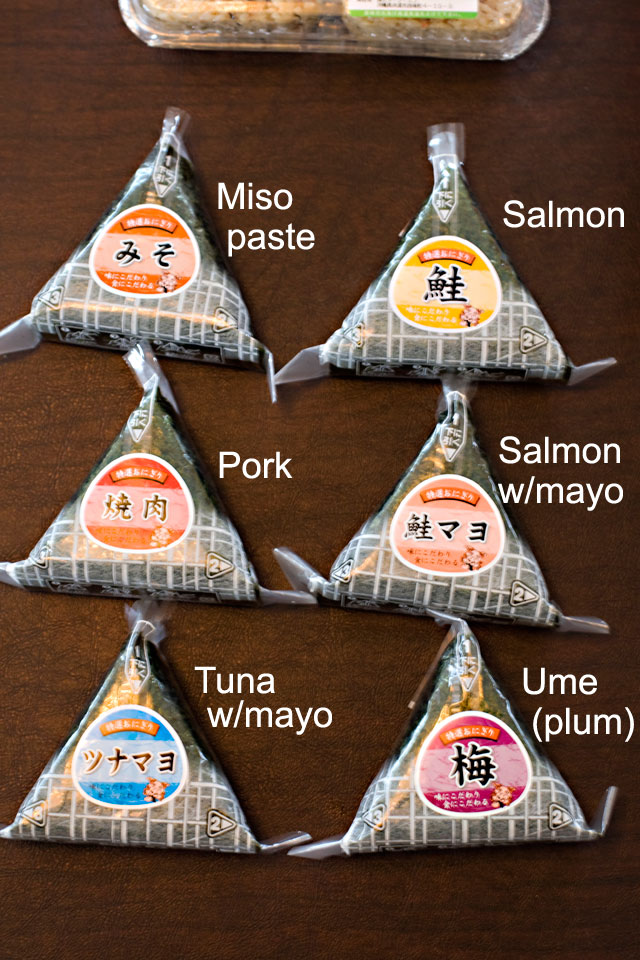
Credit: okinawahai.com
How Fillings Affect Onigiri Storage
Not all onigiri fillings are equal when it comes to shelf life. Here’s what you need to know:
Safe Fillings For Longer Storage
Some fillings are traditional because they help keep the rice ball safe and tasty:
- Umeboshi (pickled plum): Has antibacterial properties.
- Salted salmon: Salt preserves the fish.
- Konbu (simmered seaweed): Low moisture, less spoilage risk.
Risky Fillings
- Tuna mayo, egg mayo: Spoil quickly, must be kept cold.
- Raw fish (sashimi): Not recommended for home-packed onigiri.
- Cooked meat or chicken: Safe if used quickly and kept cold.
Mixing Fillings
If you want to store onigiri longer, choose fillings that are low in moisture and high in salt or acid.
Table: Fillings And Storage Suitability
| Filling Type | Room Temp Safe? | Fridge Safe? | Freezer Safe? |
|---|---|---|---|
| Umeboshi | Yes (6 hrs) | Yes (24 hrs) | Yes (1 month) |
| Salted Salmon | Yes (6 hrs) | Yes (24 hrs) | Yes (1 month) |
| Tuna Mayo | No | Yes (24 hrs) | No |
| Cooked Chicken | No | Yes (24 hrs) | Yes (1 month) |
Common Mistakes When Storing Onigiri
Many people make small errors that ruin their onigiri. Avoid these:
- Wrapping when hot: This causes condensation and soggy rice.
- Storing with nori attached: Nori turns soft and unappetizing.
- Using the wrong fillings for long storage: Some ingredients spoil faster than others.
- Not cooling onigiri before refrigeration: Traps moisture and speeds up bacteria growth.
- Leaving at room temperature too long: Rice is a common source of food poisoning when not handled properly.
- Forgetting to check for smell or stickiness: If rice smells sour or feels slimy, it’s not safe to eat.
Extra tip: Always use clean hands or gloves when shaping onigiri to prevent bacteria.
How Japanese Convenience Stores Store Onigiri
You may have noticed that onigiri from Japanese convenience stores stay fresh and tasty for hours, sometimes even days. Here’s how they do it:
- Specialized packaging: They use wrappers that separate rice and nori. The nori stays crispy until you open it.
- Refrigeration: Store onigiri in cool display cases, usually at 41°F (5°C).
- Preservatives: Some store-bought onigiri use safe preservatives or acidifiers to slow bacteria growth.
- High rotation: Onigiri is restocked often, so it’s always fresh.
While you can’t always copy this exactly at home, you can use similar wrappers and store onigiri cold for the best results.
Storing Onigiri For Travel And Picnics
Onigiri is a popular choice for outdoor events, hikes, or train trips. But you need to keep them safe and tasty.
- Use ice packs: Place them next to your onigiri in a lunch bag.
- Pack fillings separately: For creamy or moist fillings, pack them in a small container. Fill the onigiri just before eating.
- Choose preservative fillings: Use umeboshi, salted fish, or konbu for all-day trips.
- Wrap tightly: Use plastic wrap and a sturdy container to prevent crushing.
Practical example: For a picnic, pack onigiri with umeboshi in a bento box with an ice pack, and keep nori in a small zip bag to add later.
Reviving And Reheating Stored Onigiri
Sometimes stored onigiri loses its soft texture. You can bring it back to life with these steps:
If Refrigerated
- Remove plastic wrap.
- Place onigiri on a plate.
- Cover with a damp paper towel.
- Microwave for 20–30 seconds.
- Add fresh nori.
If Frozen
- Unwrap and place on a plate.
- Cover with damp paper towel.
- Microwave for 2–3 minutes, checking after 1 minute.
- Let stand for 1 minute before adding nori.
Bonus tip: For a toasted flavor, grill reheated onigiri in a pan for 1–2 minutes per side.
How To Store Onigiri Without A Fridge
If you are camping or do not have access to a refrigerator, choose preservative fillings only (umeboshi, salted salmon, konbu). Use clean hands and tools. Wrap onigiri tightly and keep in a cool bag with ice packs. Do not eat if the rice smells sour or feels sticky.

Credit: www.youtube.com
Onigiri Storage For Meal Prep And Busy Lifestyles
Many people like to make a batch of onigiri in advance for busy days.
- Freeze single portions: Store each onigiri in plastic wrap and a freezer bag.
- Label with date and filling: This helps avoid confusion.
- Reheat only what you need: Microwave straight from the freezer for a quick snack.
- Stock up on safe fillings: Use fillings that handle freezing well (see table above).
Food Safety And Onigiri Storage
Onigiri is generally safe, but rice can be a source of food poisoning if not handled right. Bacillus cereus bacteria grow well in cooked rice left at warm temperatures.
- Cool rice quickly: After cooking, make onigiri while rice is still warm, but not hot.
- Store below 41°F (5°C): Use a fridge or ice pack as soon as possible.
- Eat within 24 hours if refrigerated, or freeze for longer storage.
- Never re-freeze thawed onigiri.
Comparing Onigiri Storage With Other Rice-based Foods
You might wonder: is storing onigiri different from sushi or plain cooked rice?
| Food Type | Best Storage Method | Safe Storage Time |
|---|---|---|
| Onigiri (with safe filling) | Plastic wrap + fridge | 24 hours |
| Sushi | Fridge (tightly wrapped) | 12–24 hours |
| Cooked Rice (plain) | Airtight container in fridge | 3–5 days |
Onigiri and sushi spoil faster than plain rice because they are shaped by hand and may have fillings.
Environmental Tips: Reusable Storage For Onigiri
If you want to reduce waste:
- Use reusable silicone bags instead of plastic wrap.
- Choose a stainless steel bento box with a tight seal.
- Use waxed fabric wraps for short-term storage.
Note: These methods work for short storage. For freezing, stick to plastic or freezer-safe containers.
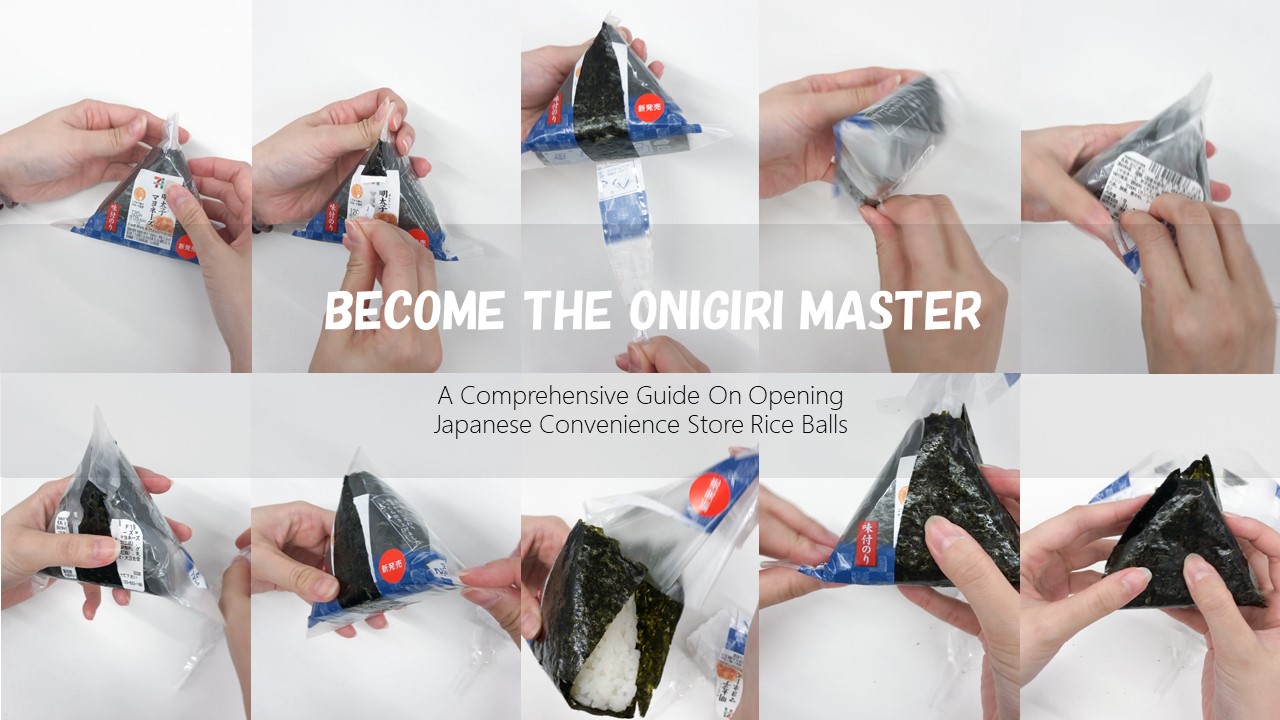
Credit: kansai-chan-guide.com
When To Throw Away Onigiri
No matter how carefully you store onigiri, there are times when you must not eat it:
- Smells sour or strange
- Feels slimy or sticky in an unusual way
- Has visible mold
- Filling looks or smells off
When in doubt, throw it out.
Onigiri Storage: Essential Do’s And Don’ts
Do:
- Use clean hands and tools
- Cool rice before wrapping
- Wrap tightly to avoid air
- Keep nori separate until eating
- Use ice packs for travel
Don’t:
- Leave onigiri out in hot weather
- Store with mayonnaise or raw fish at room temp
- Freeze fillings that don’t handle cold well
- Reheat more than once
Frequently Asked Questions
How Long Can I Keep Onigiri At Room Temperature?
For onigiri with only non-perishable fillings like umeboshi or salted salmon, room temperature storage is safe for up to 6 hours if the room is cool (under 77°F or 25°C). For onigiri with creamy or meat fillings, refrigerate within 2 hours to avoid bacteria.
Can I Freeze Onigiri With Any Filling?
Not all fillings are freezer-friendly. Mayonnaise-based, creamy, or raw fish fillings do not freeze well and can spoil or change texture. Stick to umeboshi, salted salmon, or konbu for best freezer results.
Why Does My Refrigerated Onigiri Get Hard?
Rice dries out in the fridge due to cold, dry air. To soften refrigerated onigiri, wrap in a damp paper towel and microwave for 20–30 seconds before eating. Always keep onigiri wrapped tightly in plastic to reduce drying.
Is It Safe To Eat Onigiri Left Out Overnight?
No. Onigiri left out overnight at room temperature is not safe to eat, especially with perishable fillings. Bacteria can grow quickly. Always store in the fridge or freezer if you want to keep onigiri overnight.
Where Can I Find Special Onigiri Wrappers Like In Japanese Stores?
You can find onigiri wrappers online or at Japanese grocery stores. These wrappers keep rice and nori separate until you eat. For more information, check resources like Wikipedia.
Storing onigiri the right way isn’t hard, but it does require a few smart steps. If you follow these tips, your onigiri will stay fresh, tasty, and safe—ready for lunch, a snack, or your next adventure. With the right packaging, temperature, and filling choices, you can enjoy perfect onigiri anytime.