
Storing Jamon Serrano properly is essential if you want to enjoy its unique taste and texture for as long as possible. This Spanish cured ham is famous for its rich flavor and delicate aroma, but it is also sensitive to air, temperature, and humidity. Many people buy Jamon Serrano to celebrate special occasions or to savor Spanish traditions at home. But after slicing the first pieces, they often wonder: How should I keep the rest fresh? Can I leave it out, or does it need to be refrigerated? What about sliced versus whole legs? The answers are not always obvious, and a few simple mistakes can spoil this prized delicacy.
When you store Jamon Serrano correctly, you preserve its quality and avoid waste. This article explains, step by step, how to store Jamon Serrano in different forms—whole leg, boneless, or pre-sliced. You will learn the best methods, how to handle common problems, and what tools make storage easier.
Even if you are new to Spanish cured meats, you will understand how to protect your investment and enjoy every bite. Let’s explore everything you need to know about storing Jamon Serrano at home.
What Makes Jamon Serrano Unique
Jamon Serrano is more than just ham—it is a product of Spanish culture and careful aging. The word “Serrano” comes from “sierra,” meaning mountain, where these hams are traditionally cured in fresh, dry air. The process usually lasts from 7 to 16 months, depending on the size and quality.
During this time, the meat loses moisture, concentrates flavors, and develops a signature aroma. The result is a ham with a delicate balance of salty, savory, and slightly sweet notes.
Unlike cooked or smoked hams, Jamon Serrano is dry-cured. This means it is preserved with salt and air, without added chemicals or artificial preservatives. The cure process protects the meat, but it also makes it sensitive to certain storage conditions. Exposure to moisture, heat, or strong odors can quickly degrade its quality. Knowing the basics of how Jamon Serrano is made helps you understand why correct storage is so important.
Storing A Whole Bone-in Jamon Serrano
If you purchase a whole leg of Jamon Serrano, you have an authentic centerpiece for your kitchen. Storing a whole bone-in ham is different from storing sliced or boneless pieces. Here’s how to keep it in perfect condition:
Choosing The Right Location
The best place for a whole Jamon Serrano is a cool, dry, and well-ventilated room. Traditional Spanish homes often use a pantry or cellar. At home, you can use:
- A dedicated pantry
- A dry corner of your kitchen
- A wine cellar or basement (if not humid)
The ideal temperature is 50–65°F (10–18°C). Avoid storing the ham near ovens, stoves, or windows with direct sunlight. High heat can melt the fat, and sunlight may cause rancidity.
Hanging Vs. Standing
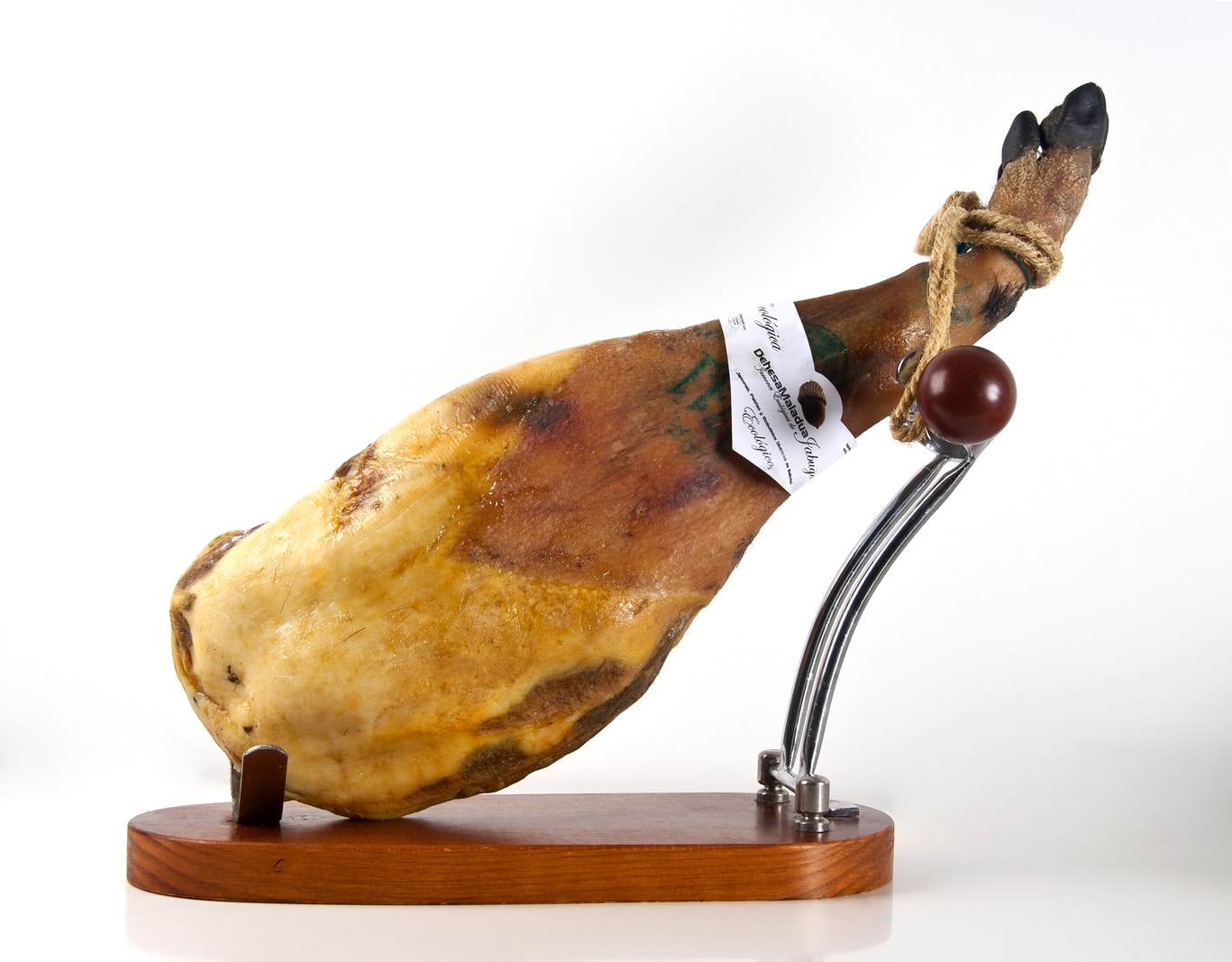
You can store the ham by hanging it from the shank (hoof), just like in Spanish markets. Hanging helps air circulate and prevents the meat from sitting in its own fat. If you cannot hang it, place the ham in a Jamonero (ham stand) with the cut side facing down. This keeps the exposed part from drying too fast.
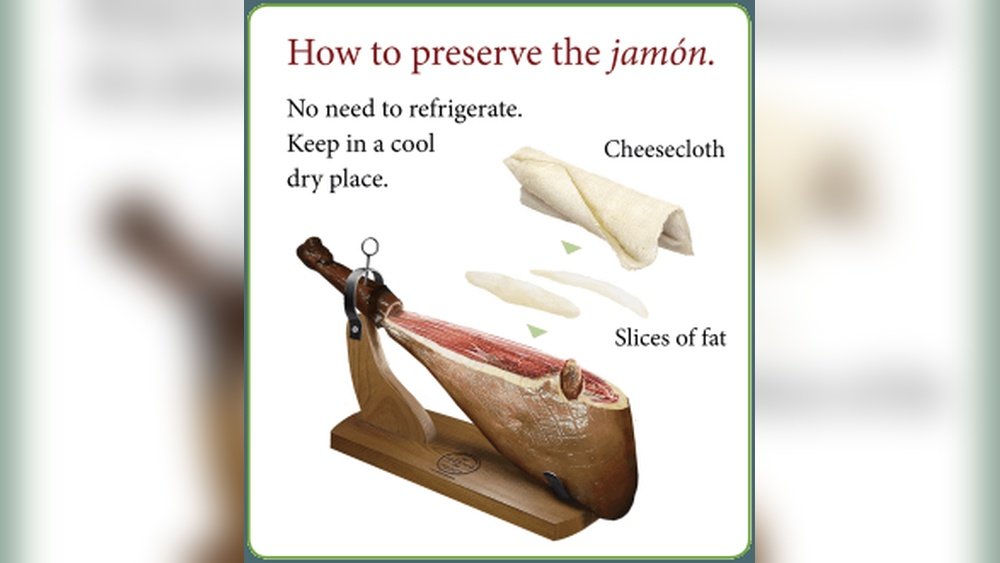
Covering The Cut Surface
After you start slicing, the exposed area is at risk of drying out. To protect it:
- Save a piece of the removed fat or skin.
- Place this fat over the cut surface.
- Cover the area with a clean cotton cloth or cheesecloth.
This method protects against air and keeps the ham moist without creating a sealed, sweaty environment. Never use plastic wrap on the whole leg—plastic traps moisture and can cause mold.
How Long Does Whole Jamon Serrano Last?
A whole, unopened Jamon Serrano can last up to 12 months in proper conditions. Once cut, it is best enjoyed within 4–6 weeks for top flavor. The exposed meat will slowly dry out, but if you follow the steps above, you can extend its life.
Common Storage Mistakes For Whole Legs
- Storing in the fridge: The refrigerator is too moist and cold for a whole leg. It can ruin the texture and flavor.
- Using airtight plastic: This creates condensation and mold.
- Leaving in direct sunlight: Sunlight speeds up spoilage and fades the color.
- Ignoring mold: Small white spots are harmless salt crystals, but green or black mold means the environment is too humid.
How To Store Boneless Jamon Serrano
Boneless Jamon Serrano is easier to handle and fits better in small kitchens. The storage needs are a bit different:
Refrigeration Is Necessary
Unlike the whole leg, a boneless piece lacks the protective bone and skin. After opening the vacuum pack, you should keep boneless Jamon Serrano in the refrigerator. The best temperature is 35–40°F (1.5–4°C).
Wrapping The Ham Properly
Boneless Jamon Serrano dries out quickly if left exposed. Here’s how to wrap it:
- Use wax paper, parchment paper, or butcher paper to cover the cut surface.
- For extra protection, wrap again with a loose layer of aluminum foil.
- Never use only plastic wrap—the ham needs to “breathe.”
If you are storing for more than a week, check regularly for dryness. You can lightly brush the surface with olive oil to add a protective layer, but do not soak it.
Storing In The Freezer
Freezing is not recommended for whole or bone-in Jamon Serrano, but it is possible for boneless pieces if you must keep them for more than a month. To freeze:
- Cut the ham into manageable pieces (about 1 lb each).
- Wrap tightly in wax paper, then in heavy-duty freezer bags.
- Squeeze out as much air as possible.
Defrost the ham slowly in the refrigerator for 24 hours before using. The texture may become slightly drier, so use frozen Jamon Serrano mainly for cooking (like in stews or scrambled eggs).
How Long Does Boneless Jamon Serrano Last?
Unopened, vacuum-packed boneless Jamon Serrano can last 3–6 months in the fridge. After opening, eat within 2–3 weeks for best quality. If frozen, use within 3 months.
Storing Pre-sliced Jamon Serrano
Pre-sliced Jamon Serrano is convenient, but it loses freshness faster than whole or boneless pieces. The thin slices dry and oxidize quickly if not stored well.
Unopened Packs
Most pre-sliced Jamon Serrano comes vacuum-sealed. These packs are shelf-stable and can be kept in a cool, dark place until the “best by” date. However, if the room is warm, keep them in the refrigerator.
After Opening
Once opened, slices should be eaten within 2–3 days. To store:
- Lay the slices flat, separated by parchment or wax paper.
- Wrap tightly in plastic wrap or place in a resealable bag, pressing out excess air.
- Store in the coldest part of the refrigerator.
If you want to serve at room temperature, remove the slices 30 minutes before eating to allow the fat to soften and the aroma to develop.
Table: Shelf Life Comparison
Here’s a quick look at how long Jamon Serrano lasts in different forms:
| Type | Unopened | After Opening | Freezing |
|---|---|---|---|
| Whole Leg | Up to 12 months | 4–6 weeks | Not recommended |
| Boneless | 3–6 months | 2–3 weeks | Up to 3 months |
| Pre-Sliced | 2–3 months | 2–3 days | Up to 2 months |
Credit: www.gastroiberico.com
Protecting Jamon Serrano From Common Threats
Jamon Serrano’s main enemies are moisture, heat, and strong odors. Here’s how to avoid the biggest problems:
Moisture
Too much humidity causes mold growth and softens the ham’s texture. Always store Jamon Serrano in a dry place, and do not use airtight containers for whole legs.
Heat
Warm temperatures melt the fat and encourage spoilage. If you see yellow or oily fat, the ham may have been too warm. Keep the ham away from heat sources.
Odors
Jamon Serrano easily absorbs smells. Do not store near onions, garlic, or cleaning products. Even in the fridge, strong cheeses or fish can affect its taste.
Table: Storage Locations And Risks
Compare safe and risky places to store Jamon Serrano:
| Location | Is it safe? | Risks |
|---|---|---|
| Pantry (cool, dry) | Yes | Low humidity is best |
| Refrigerator | Boneless/sliced only | Too cold for whole leg |
| Garage | Not recommended | Temperature changes, pests |
| Near stove/oven | No | Heat damage |
| Sunlit shelf | No | Light, heat, and color loss |
Cleaning And Maintaining Jamon Serrano
Even with perfect storage, Jamon Serrano can develop harmless white crystals or a thin film of surface mold. Here’s how to deal with these issues:
White Crystals
These are tyrosine, a natural amino acid, and indicate proper curing. They are safe to eat and show that your ham is high quality.
Surface Mold
If you see a light, white or gray mold on the surface, do not panic. Simply wipe it off with a cloth dampened in olive oil or a bit of vinegar. Never use water—moisture causes deeper problems.
Rancid Or Strong Odors
If the ham smells sour, musty, or has green/black mold, it may have spoiled. Discard in this case—do not try to salvage.
Credit: www.ibericoclub.com
Tools That Help Store Jamon Serrano
A few simple tools can make storing Jamon Serrano easier and safer:
- Jamonero (ham stand): Holds the leg for easy slicing and keeps the cut surface protected.
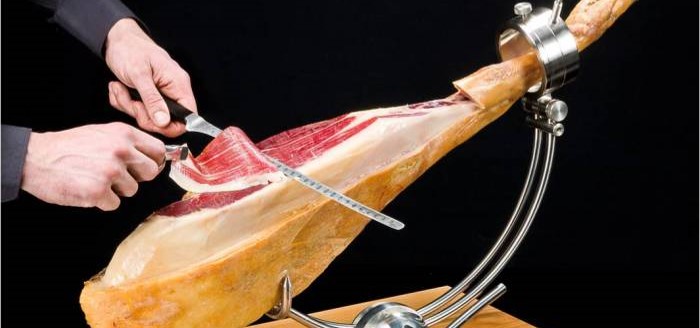
- Sharp ham knife: Clean cuts reduce the exposed area.
- Cotton cloth: Covers the cut and allows air circulation.
- Wax or parchment paper: Protects boneless and sliced ham.
- Food-safe gloves: Prevents contamination when handling ham.
These items are not expensive, but they help maintain the ham’s freshness and flavor.
Tips For Serving And Slicing
Correct storage is important, but so is how you slice and serve Jamon Serrano. Here’s how to get the best results:
- Let the ham reach room temperature before slicing. Cold fat is hard and less flavorful.
- Use a long, flexible knife for thin, even slices. Thick slices dry faster and taste chewy.
- Slice only what you will eat in the next 30–60 minutes. The rest should stay covered.
- Store the ham immediately after serving—do not leave it out for hours.
If you are hosting guests, prepare a few slices at a time, keeping the rest under a cloth until needed.
How To Tell If Jamon Serrano Has Gone Bad
Even with perfect care, Jamon Serrano can eventually spoil. Here are the main signs:
- Unpleasant smell: Sour, rotten, or musty odors.
- Slimy or sticky texture: The fat or meat feels wet, not dry.
- Unusual colors: Green, black, or very dark patches (not just white salt).
- Bitter or off taste: If you taste bitterness, spit it out and discard the ham.
If you see only small white crystals, these are safe. But other signs mean the ham should not be eaten.
How To Store Jamon Serrano During Travel
If you want to bring Jamon Serrano to a party or on vacation, careful packing is needed:
- For whole or boneless ham, wrap tightly in wax paper, then in a cloth. Carry in a cool bag or insulated box.
- For sliced ham, use resealable bags and keep cool with ice packs.
- Never leave ham in a hot car or in direct sun.
If traveling internationally, check your destination’s rules. Many countries restrict bringing cured meats due to customs regulations.
Storing Jamon Serrano In Different Climates
Not all homes have the same climate as Spain. If you live in a humid, hot, or very cold area, adjust your storage method:
- Humid climate: Use a dehumidifier in your pantry or store only boneless/sliced ham in the fridge.
- Hot climate: Keep ham away from heat and use a wine fridge if you have one.
- Cold climate: Avoid freezing whole ham—use a cellar, garage, or cool pantry.
If you notice mold forming quickly, switch to refrigeration for boneless and sliced ham.
Can You Store Jamon Serrano With Other Foods?
Jamon Serrano can be affected by the foods stored nearby. Here are some guidelines:
- Keep away from strong-smelling items (onions, garlic, fish).
- Do not store with raw meat—this can transfer bacteria.
- If using the same fridge, keep ham in a dedicated container or drawer.
Proper separation keeps the flavor pure and avoids cross-contamination.
Credit: www.tienda.com
Table: Storing Jamon Serrano By Form
A summary of the best methods for each type:
| Form | Best Storage Method | Notes |
|---|---|---|
| Whole Leg | Hang or use a stand in a cool, dry place | Cover cut with fat and cloth |
| Boneless | Wrap in wax paper and refrigerate | Check for dryness |
| Pre-Sliced | Keep sealed or wrap tightly in fridge | Eat within 2–3 days after opening |
Two Non-obvious Insights For Beginners
Many beginners overlook two key points:
- Letting Jamon “breathe” before eating is crucial. If you serve it cold straight from the fridge, the fat stays hard and the aroma is hidden. Always allow time at room temperature.
- Saving the first layer of fat is not just a tradition—it creates a natural barrier that works better than any modern wrap. This old trick is still used by Spanish families and chefs today.
Why Proper Storage Matters
Jamon Serrano is not just food—it’s an investment in quality. A whole leg can cost several hundred dollars and is meant to be enjoyed over many weeks. Improper storage can turn the experience from delight to disappointment. By following these steps, you keep your Jamon Serrano safe, delicious, and ready to serve for every special moment.
If you want to learn more about Spanish cured meats and their traditions, visit the official Jamon Serrano Wikipedia page.
Frequently Asked Questions
How Should I Store Jamon Serrano After Slicing?
After slicing, cover the exposed area with a piece of the removed fat and a clean cotton cloth. Store the whole leg in a cool, dry place, or refrigerate boneless/sliced ham wrapped in wax paper. Do not use plastic wrap on the whole leg.
Can I Freeze Jamon Serrano?
Freezing is not recommended for a whole leg, as it changes the texture. For boneless or sliced ham, you can freeze it for up to 2–3 months. Wrap tightly and defrost slowly in the refrigerator.
How Long Does Jamon Serrano Last Once Opened?
A whole leg lasts 4–6 weeks after first cutting. Boneless pieces last 2–3 weeks in the fridge, while pre-sliced ham should be eaten within 2–3 days after opening.
Is Mold On Jamon Serrano Dangerous?
White or light gray mold is usually harmless and can be wiped off with a cloth and olive oil. Green or black mold, or a bad smell, means the ham should be discarded.
Why Does Jamon Serrano Need To “breathe” Before Eating?
Allowing Jamon Serrano to reach room temperature before eating releases its aroma and softens the fat, making it taste richer and more enjoyable. Serving it cold hides much of its flavor.
Storing Jamon Serrano the right way is simple once you know how. With these steps, you can enjoy every slice just as the Spanish do—full of flavor, aroma, and tradition.