
Banh tet is more than just a Vietnamese holiday food—it’s a symbol of family, tradition, and celebration. If you’ve ever received a few large banh tet from relatives during Tet (Lunar New Year), you might have wondered how to keep them fresh.
Storing banh tet properly can make the difference between enjoying its delightful taste for days or finding it spoiled after only a short time. While banh tet looks sturdy, it can spoil quickly if not handled right. Let’s explore everything you need to know about storing banh tet, so you can enjoy every last bite safely and deliciously.
What Is Banh Tet?
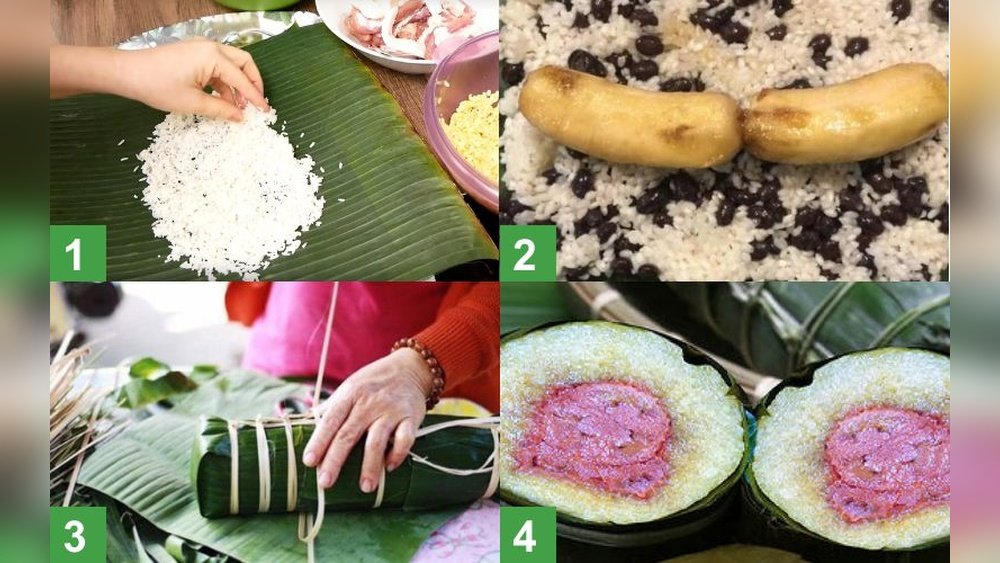
Banh tet is a traditional Vietnamese sticky rice cake. It’s made with glutinous rice, mung bean paste, and usually pork belly, all wrapped in banana leaves. The cake is rolled into a cylinder and boiled for several hours until everything inside is cooked and flavorful. Banh tet is a must-have during Tet and other big events, and it often comes in large sizes that can feed many people.
The main ingredients—sticky rice and pork—are both sensitive to heat and moisture, which means they can spoil quickly if not stored right. The banana leaf wrap gives some protection but is not enough for long-term storage. Understanding the nature of banh tet is the first step to storing it well.
Why Proper Storage Matters
Banh tet is high in moisture and contains protein from pork, which means bacteria can grow quickly if it’s left out. Food safety is the main reason to store banh tet correctly. A spoiled cake can cause food poisoning, and losing a precious homemade banh tet is always a shame.
Proper storage also keeps the texture and flavor. Glutinous rice can become hard, dry, or even sour if not handled right. Pork fat can turn rancid, and the banana leaves can get moldy. Good storage means you can enjoy banh tet for longer, with the same taste as when it was fresh.
How Long Does Banh Tet Last?
The shelf life of banh tet depends on how you store it. Here’s a quick look at how long you can keep banh tet in different conditions:
| Storage Method | Room Temperature | Refrigerator | Freezer |
|---|---|---|---|
| Uncut, Wrapped | 1-2 days | 5-7 days | 2-3 months |
| Cut, Wrapped | 12-24 hours | 3-5 days | 1-2 months |
| Unwrapped | 12 hours | 2-3 days | 1 month |
These are average times. In hot or humid weather, banh tet can spoil even faster. Always check for signs of spoilage before eating.
Storing Banh Tet At Room Temperature
If you plan to eat banh tet within a day or two, you can keep it at room temperature. This method is common during Tet, when banh tet is eaten quickly and shared with many guests. However, room temperature is risky in hot climates.
- Keep it whole and wrapped: Do not cut banh tet until you’re ready to eat. The banana leaves protect it from bacteria and moisture loss.
- Store in a cool, dry place: Avoid direct sunlight, heat, or humidity. A pantry or cool kitchen corner is best.
- Elevate if possible: Place the cakes on a rack or clean surface, not directly on the floor or a damp countertop.
- Avoid stacking: If you have several cakes, avoid stacking them, which can cause pressure and moisture to collect.
Non-obvious tip: If you live in a humid area, hang banh tet from a string or hook. This improves air circulation and keeps the banana leaves dry, slowing mold growth.
Warning: If you see any mold, smell sourness, or notice a slimy texture, throw the cake away. Bacteria can spread even if only part of the cake looks bad.
Refrigerating Banh Tet
To keep banh tet for up to a week, refrigeration is the safest choice. The cold slows bacterial growth and keeps the rice soft.
Best Practices For Refrigerating
- Leave the banana leaves on: They keep the rice moist and prevent odors from the fridge.
- Wrap in plastic or foil: If the banana leaves are loose, cover the cake in plastic wrap or aluminum foil. This prevents drying out and stops the cake from absorbing other smells.
- Use an airtight container: Place the wrapped cake in a container or a zip-top bag. This gives an extra layer of protection.
Storing Cut Banh Tet
If you have leftover slices, wrap each piece tightly in plastic wrap or foil, then place in a container. This helps keep each slice moist and prevents the rice from hardening.
How To Reheat Refrigerated Banh Tet
When you’re ready to eat, take the cake out of the fridge and let it sit at room temperature for 20-30 minutes. Then, reheat using one of these methods:
- Steam for 10-15 minutes: This restores moisture and soft texture.
- Microwave for 2-3 minutes: Wrap in a damp paper towel to prevent drying.
- Pan-fry slices: This is a popular way to enjoy leftover banh tet. Slice and fry until golden.
Expert insight: Never reheat banh tet multiple times. Take only what you’ll eat and keep the rest cold. Repeated temperature changes can help bacteria grow.
Freezing Banh Tet
For longer storage, freezing is the best method. You can keep banh tet for 2-3 months in the freezer without losing much flavor or texture.
How To Freeze Banh Tet
- Cool completely: Make sure the cake is at room temperature before freezing.
- Keep it whole, if possible: Freezing the whole roll helps keep the rice soft.
- Wrap tightly: Use plastic wrap or aluminum foil to wrap the cake, then put it in a freezer bag. Squeeze out as much air as possible.
- Label and date: Write the date on the bag so you know how long it’s been stored.
Freezing Slices
If you prefer, you can freeze individual slices. Wrap each piece in plastic, then put in a bag or container. This makes it easy to take out only what you need.
Thawing And Reheating Frozen Banh Tet
- Thaw overnight in the fridge: This is the safest way. Do not thaw at room temperature.
- Steam or microwave before eating: Steaming is best for whole cakes; microwaving works for slices.
- Do not refreeze thawed banh tet: Once thawed, eat within 2-3 days.
Advanced tip: A vacuum sealer gives the best results for freezing. It removes air and keeps the texture perfect.
Special Cases: Vegan, Sweet, Or Unique Banh Tet
Not all banh tet are made the same. Some are filled with bananas, black beans, or have no meat at all. These types have different shelf lives and storage needs.
Vegan Or Sweet Banh Tet
- Lasts longer at room temperature (2-3 days) because there is no meat.
- Refrigerate for up to 10 days.
- Freeze for up to 3 months.
Banh Tet With Egg Or Rich Fillings
- Shorter shelf life due to egg yolk or heavy fillings.
- Refrigerate immediately after cooling.
- Eat within 3-4 days for best safety.
Banh Tet Chuoi (banana Banh Tet)
This sweet version is less likely to spoil quickly, but the banana can ferment over time, creating an alcohol smell. If you notice this, it’s best to discard it.
Common Storage Mistakes (and How To Avoid Them)
Most people lose banh tet to spoilage because of a few simple errors. Here are common mistakes and how to prevent them:
- Cutting too soon: Only cut banh tet when ready to eat. Exposed rice dries out and spoils faster.
- Leaving in hot kitchen: Even a few hours in a warm room can cause bacteria to grow.
- Putting hot banh tet in the fridge: Always cool to room temperature first. Otherwise, condensation forms, making the cake soggy and promoting mold.
- Not wrapping tightly: Air exposure dries the rice and lets in bacteria. Always double-wrap if storing for more than a day.
- Ignoring signs of spoilage: If you see even a small spot of mold, it’s safest to discard the cake. Mold can spread inside, even if you don’t see it.
- Microwaving without cover: This dries out the rice. Always use a damp paper towel when microwaving slices.
- Storing near strong-smelling foods: Banh tet can absorb odors from fish sauce, garlic, or other foods in the fridge if not wrapped well.

Credit: vickypham.com
How To Tell If Banh Tet Has Gone Bad
You should always check for signs of spoilage before eating. Banh tet can look fine outside but be bad inside. Look for:
- Sour smell: A strong sour or fermented smell means it’s spoiled.
- Slimy texture: Sticky rice should be soft, not slimy or sticky in a bad way.
- Mold: White, green, or black spots on the banana leaves or rice.
- Off taste: If the flavor is strange or sour, do not eat more.
If in doubt, throw it out. Food poisoning is not worth the risk.
How To Store Banh Tet For Gifting
During Tet, banh tet is often given as a gift. If you plan to give banh tet to someone, proper storage is important so the cake arrives fresh and safe.
- Deliver quickly: Try to give banh tet within 24 hours of making or receiving it.
- Keep uncut and wrapped: The banana leaves should be intact to keep out bacteria.
- Transport with care: If the weather is hot, use a cooler bag or ice pack.
- Include storage instructions: Let the recipient know how to store and when to eat for best quality.

Credit: www.reddit.com
Comparing Storage Methods
Let’s compare the pros and cons of each storage method for banh tet:
| Method | Pros | Cons | Best For |
|---|---|---|---|
| Room Temperature | Easy, ready to eat, keeps texture | Short shelf life, high risk in hot weather | Quick consumption (1-2 days) |
| Refrigerator | Safe, keeps longer, prevents most spoilage | Rice may harden, needs reheating | Weekly storage |
| Freezer | Longest shelf life, can store in bulk | Needs thawing, some change in texture | Long-term storage |
Best Practices For Reheating Banh Tet
A big part of enjoying stored banh tet is reheating it correctly. Poor reheating can make the rice dry, hard, or rubbery.
Steaming
Steaming is the best way to reheat whole or large pieces. Place in a steamer for 10-15 minutes. The rice regains softness and the filling heats evenly.
Microwaving
For slices, wrap in a damp paper towel and heat for 1-2 minutes. This prevents drying. If the rice is still hard, add a few drops of water and heat again.
Pan-frying
Many people love to pan-fry leftover banh tet. Slice into 1-inch pieces and fry with a little oil until golden brown. This method creates a crispy outside and soft inside—perfect for a new taste.
Insider tip: If you pan-fry, let the cake come to room temperature first. Cold rice can splatter when it hits hot oil.

Credit: www.reddit.com
Tips For Maximizing Freshness
- Store uncut as long as possible: The cake lasts longer whole.
- Check daily: If storing at room temperature, check for mold or smell every day.
- Use airtight containers: These keep out odors and slow drying.
- Don’t refreeze thawed cakes: Quality drops and risk of spoilage rises.
- Rotate stock: If you have several cakes, eat the oldest first.
Saving Texture And Flavor
Banh tet’s texture is important to its enjoyment. Here’s how to keep it perfect:
- Keep the banana leaves on until last minute: They keep the rice moist and add aroma.
- Don’t microwave uncovered: Always use a damp towel or steam.
- Add a little water when reheating: A few drops can revive dry rice.
- If rice is dry, steam longer: Extra steaming can help bring back softness.
Unique Storage Situations
Sometimes, you may have special situations:
Traveling With Banh Tet
If you’re taking banh tet on a trip, pack it in a cooler bag with ice packs. Customs rules may not allow pork products in some countries, so check regulations first.
Large Quantities
If you have many cakes, prioritize eating those stored at room temperature, then refrigerated, then frozen. Rotate your stock so none go bad.
Homemade Vs Store-bought
Homemade banh tet often has fewer preservatives and should be eaten sooner. Store-bought cakes may last a little longer but always check the label for best-by dates.
The Science Behind Banh Tet Spoilage
Understanding why banh tet spoils helps you store it better. Bacteria and mold love moist, protein-rich foods. The pork and mung beans inside banh tet are perfect for bacteria, especially in warm weather.
The banana leaves help a little, but they’re not airtight. As soon as the cake cools, bacteria can begin to grow. Refrigeration and freezing slow this down, but do not stop it completely. That’s why you must always eat banh tet within safe time limits.
Storing Banh Tet For Business
If you sell banh tet or run a restaurant, you must follow strict rules:
- Cool quickly after cooking: Use fans or cold water to bring temperature down.
- Store in commercial refrigerators: Keep at 40°F (4°C) or below.
- Label and track batches: So you know how long each cake has been stored.
- Train staff: Everyone should know food safety rules.
For more on food safety, check the official guidelines at FDA Food Safety.
How To Store Leftover Banh Tet Fillings
If you make banh tet at home, you may have extra mung bean paste, sticky rice, or pork filling. Store each separately:
- Mung bean paste: Refrigerate in airtight container up to 5 days. Freeze for 1 month.
- Sticky rice: Best used fresh, but can be refrigerated up to 3 days.
- Cooked pork: Refrigerate and use within 3 days.
Do not leave fillings at room temperature.
Sustainable Storage And Reducing Waste
Banh tet is often made in large batches. To avoid waste:
- Share with neighbors: Give away extra cakes while fresh.
- Freeze leftovers: Even small pieces can be frozen for later.
- Use leftovers creatively: Pan-fry, add to soup, or make stir-fries.
- Compost banana leaves: If you peel the cake, banana leaves can be composted.
Frequently Asked Questions
How Can I Keep Banh Tet Soft After Refrigerating?
Wrap the cake tightly and reheat by steaming. Adding a few drops of water before steaming helps bring back the soft texture. Never store uncovered in the fridge, as rice dries out quickly.
Is It Safe To Eat Banh Tet That Smells A Little Sour?
No. A sour smell means the cake has started to ferment or spoil. Eating it can cause stomach upset or food poisoning. When in doubt, throw it out.
Can I Freeze Banh Tet That Has Already Been Cut?
Yes, but wrap each piece tightly in plastic wrap and then place in a freezer bag or container. This prevents freezer burn and helps maintain the rice’s texture.
How Do I Transport Banh Tet During Hot Weather?
Use a cooler bag with ice packs. Keep the cake uncut and wrapped in banana leaves. Deliver as soon as possible and advise the recipient to refrigerate immediately.
What Is The Best Way To Reheat Frozen Banh Tet?
Thaw in the refrigerator overnight, then steam for 15-20 minutes. For slices, microwave with a damp paper towel. Avoid reheating multiple times to maintain quality and safety.
Storing banh tet well keeps both tradition and flavor alive. With these tips, you can enjoy every last bite—safely and deliciously—long after Tet is over.