
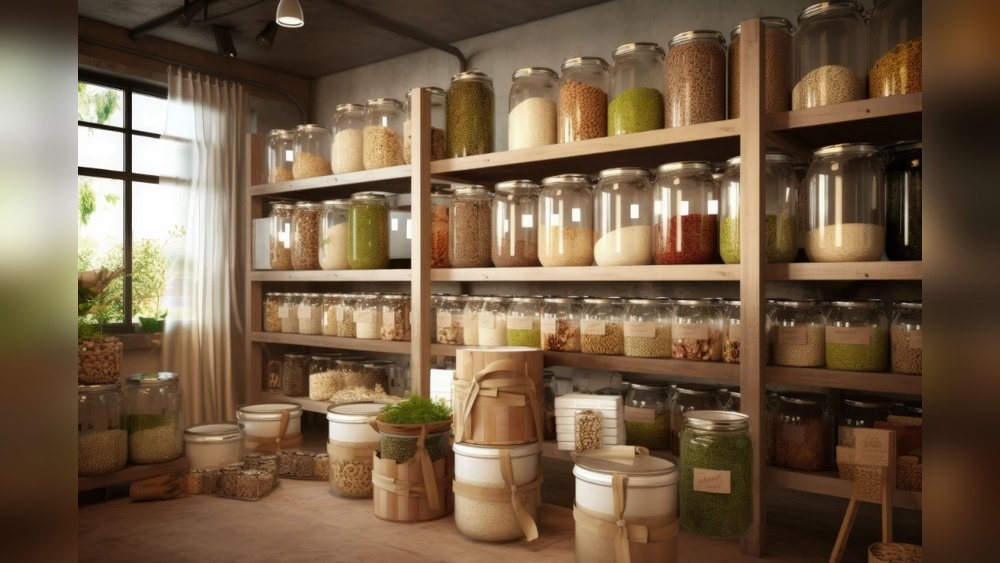
Storing food for the long term is more important now than ever. Emergencies, rising food prices, and global supply chain challenges make food storage a smart decision for every household. But not all methods are equal. If you want your food to stay fresh for years, Mylar bags are one of the best tools you can use. They protect against moisture, light, oxygen, and even pests—four things that can ruin your food.
Many people hear about Mylar bags but feel unsure about how to use them properly. Some worry about making mistakes that could spoil their hard work. Others are confused by the wide range of bag sizes, oxygen absorbers, and sealing tools.
This guide will give you everything you need. You’ll learn exactly how to store food in Mylar bags, avoid common mistakes, and keep your food safe for the long haul.
What Are Mylar Bags?
Mylar is a special material made from stretched polyester film. It was first developed for NASA’s space program and is now used worldwide for food storage. The main advantage of Mylar is that it’s a strong barrier against oxygen, moisture, and light. These are the three main things that cause food to spoil.
When used with oxygen absorbers and sealed correctly, Mylar bags create an almost airtight environment. This is why many survivalists, preppers, and even commercial food companies use Mylar for packaging everything from dried beans to powdered milk.
Why Use Mylar Bags For Food Storage?
Many people ask, “Why not just use plastic buckets or glass jars?” Here are the main reasons Mylar bags are superior for long-term food storage:
- Oxygen Barrier: Mylar blocks almost all oxygen, which slows down the process of food spoilage.
- Light Protection: Light can cause fats and nutrients in food to break down. Mylar keeps light out.
- Moisture Barrier: Mylar is waterproof, which protects food from humidity, mold, and rot.
- Rodent and Insect Defense: While not rodent-proof alone, Mylar used inside buckets protects against most insects.
- Flexible Sizes: Mylar bags come in many sizes, so you can store small or large amounts easily.
- Cost-Effective: Mylar bags are cheaper than canning jars and take less space.
For example, white rice stored in a Mylar bag with an oxygen absorber can last up to 30 years. Compare this to storing rice in a regular plastic bag, where it might spoil in a year or two.

Credit: wallabygoods.com
Choosing The Right Mylar Bags
Not all Mylar bags are created equal. There are differences in thickness, size, and even color. Here’s what matters most:
Thickness
The thickness of a Mylar bag is measured in mils (1 mil = 0.001 inch). Common thicknesses are:
- 3 mil: Thinner, not recommended for long-term storage.
- 5 mil: Good balance for most home use.
- 7 mil: Extra strong, good for heavy foods or rough handling.
Thicker bags are harder to puncture and protect better against oxygen. For long-term storage, always choose 5 mil or thicker.
Size
Mylar bags come in many sizes. The most common are:
- Gallon-size (10”x14”): Holds 5-7 lbs of food, fits inside standard food buckets.
- Quart-size (6”x10”): Good for spices, small grains, or daily use.
- Large (20”x30”): For bulk items or making your own food bricks.
Choose size based on how much food you want to store per bag. Using smaller bags means you only open what you need and avoid wasting food.
Color
Most Mylar bags are silver. Some have black outsides or are clear on one side. Always choose opaque bags for long-term storage, as light can damage food.
Ziplock Vs. Plain
Some Mylar bags come with ziplocks. These are convenient for short-term use but are not airtight enough for years of storage. For long-term, always heat seal the bag.
Non-obvious insight: When buying Mylar bags, check if they are food-grade. Some cheaper bags are meant for industrial use, not for food.
Foods That Store Well In Mylar Bags
Not all foods are suitable for Mylar storage. Some contain too much moisture or fat and can spoil or go rancid. Here are foods that work best:
Best Foods For Mylar Bags
- Grains: White rice, wheat, oats, barley, corn, quinoa
- Pasta: Elbow, penne, spaghetti
- Beans and Legumes: Lentils, black beans, chickpeas, peas
- Dehydrated Vegetables and Fruits: Carrots, onions, apples, bananas
- Powdered Milk and Eggs
- Baking Supplies: Flour, sugar (see note), baking soda, salt
- Powdered Foods: Soup mixes, instant potatoes, cocoa powder
Important note: Do not store brown rice, nuts, or whole wheat flour for more than a year in Mylar. Their oils can go rancid.
Foods To Avoid
- High-moisture foods: Jerky, fresh fruit, cheese
- High-fat foods: Nuts, seeds, chocolate, brown rice
- Sugary foods: Sugar and salt don’t need oxygen absorbers; they will turn rock hard.
Non-obvious insight: If you do store sugar or salt in Mylar, do NOT use oxygen absorbers. They will cause the product to clump or harden.
What You Need Before You Start
Storing food in Mylar bags requires a few basic supplies. Here’s a checklist:
- Mylar bags (5 mil or thicker)
- Oxygen absorbers (measured in cc’s)
- Heat sealer (impulse sealer, hair straightener, or clothes iron)
- Food buckets (optional but recommended for extra protection)
- Permanent marker (for labeling)
- Measuring cup or scoop
- Clean workspace
Let’s take a closer look at the two most important items: oxygen absorbers and heat sealers.
Oxygen Absorbers
Oxygen absorbers remove the oxygen inside a sealed bag, which prevents bugs and bacteria from growing. They’re measured in cc’s (cubic centimeters). The right amount depends on the food and bag size:
- 1-gallon Mylar bag: Use 300-500cc for grains, 1000cc for bulky foods.
- 5-gallon Mylar bag: Use 2000-2500cc.
Tip: It’s better to use a little too much than too little.
Heat Sealer Options
- Impulse sealer: Easiest and safest, makes a strong seal.
- Hair straightener: Works well, just clamp the edge of the bag.
- Clothes iron: Set to cotton, press along the edge on a hard surface.
Never use a flame; it will melt or burn the bag.
Step-by-step: How To Store Food In Mylar Bags
This is the heart of the process. Follow each step carefully for best results.
1. Prepare Your Workspace
Choose a clean, dry area with enough room to work. Gather all supplies within reach. If you’re storing a lot of food, work in batches to avoid mistakes.
2. Portion Your Food
Measure the amount you want in each bag. For example, a 1-gallon Mylar bag holds about 5-7 pounds of rice or beans. Avoid filling bags so full that you can’t seal them.
3. Label The Bags
Before adding food, use a permanent marker to write the food type and date on each bag. If you wait until after filling, the surface can be dusty and hard to write on.
4. Fill The Bags
Pour food into the bags. Shake gently to settle food and reduce air pockets. Leave about 2-3 inches of space at the top for sealing.
5. Add Oxygen Absorbers
Just before sealing, add the right number of oxygen absorbers on top of the food. Once the packet is open, absorbers start working, so don’t delay.
Pro tip: If you need to open several absorber packets, keep extras in a small jar or sealed bag until you need them.
6. Seal The Mylar Bags
Seal the top edge of the bag using your chosen method:
- For an impulse sealer, set the timer according to bag thickness.
- For a hair straightener or iron, press along the edge for 2-4 seconds until sealed.
Leave a small corner unsealed if you want to press out extra air before finishing the seal.
7. Check The Seal
After sealing, check for a solid, wrinkle-free seal. Try to pull the bag open gently—if it comes apart, reseal. A good seal should look smooth and slightly melted together.
8. Store In Buckets (optional But Best)
Place sealed Mylar bags inside a food-grade bucket. This protects against rodents and physical damage. Add a gamma lid if you’ll open it often.
9. Store In A Cool, Dry Place
Mylar bags should be kept away from sunlight, heat, and humidity. Basements, pantries, or closets work well. Ideal storage temperature is 50–70°F (10–21°C).
How Long Does Food Last In Mylar Bags?
When stored correctly, Mylar bags can extend food life dramatically. Here’s a comparison of typical shelf lives with and without Mylar/OA storage:
| Food Type | In Mylar + Oxygen Absorber | In Regular Packaging |
|---|---|---|
| White rice | 25-30 years | 1-2 years |
| Wheat berries | 20-30 years | 1-2 years |
| Oats | 10-20 years | 1-2 years |
| Pasta | 10-20 years | 2-3 years |
| Dehydrated veggies | 10-15 years | 6-12 months |
These numbers assume food is stored in cool, dry, dark places. If stored in a hot garage, shelf life will be much shorter.
Oxygen Absorber Sizing Guide
Choosing the right amount of oxygen absorbers can be confusing. Here’s a quick guide:
| Bag Size | Food Type | Oxygen Absorber Needed |
|---|---|---|
| 1 Quart | Rice, beans, flour | 100-150cc |
| 1 Gallon | Rice, beans, flour | 300-500cc |
| 5 Gallon | Rice, beans, flour | 2000-2500cc |
| 1 Gallon | Pasta, bulky foods | 1000cc |
Remember, you can use several small absorbers to reach the total needed.

Credit: creatingmaryshome.com
Common Mistakes And How To Avoid Them
Many beginners make small errors that can spoil their food. Here’s what to watch out for:
- Not using enough oxygen absorbers. Underestimating the amount means oxygen remains inside.
- Waiting too long to seal. Oxygen absorbers work quickly; seal bags right after opening the packet.
- Overfilling bags. You need space to seal the bag well.
- Not checking the seal. A weak seal will let in air and moisture.
- Storing in a hot place. Heat will cut shelf life by half or more.
- Using Mylar for oily foods. Fats can go rancid even with no oxygen.
- Not labeling bags. You may forget what’s inside or when you packed it.
Non-obvious tip: If you see your bag puff up after sealing, the seal may not be airtight, or the food might have too much moisture.
Practical Tips For Success
- Work quickly after opening oxygen absorbers. They start absorbing right away.
- If you have leftover absorbers, seal them in a small glass jar or vacuum-sealed bag for next time.
- Use a vacuum cleaner hose to gently suck out extra air before sealing (leave a tiny corner open, then seal immediately).
- Double-bagging is not usually needed if you use food buckets, but for extra protection, you can.
- Store buckets off the floor, especially in basements, to avoid moisture.
Real-life Example
Imagine you want to store a year’s supply of rice for a family of four. You buy 100 lbs of white rice, 20 one-gallon Mylar bags, 20 500cc oxygen absorbers, and four food-grade buckets. You label each bag, fill them with 5 lbs of rice each, add an absorber, seal, and stack four bags per bucket.
Stored in a cool, dry closet, your rice could last 25 years or more.
Mylar Bags Vs. Other Food Storage Methods
For those considering other options, here’s a quick comparison:
| Method | Pros | Cons | Best For |
|---|---|---|---|
| Mylar + Oxygen Absorber | Long shelf life, pest protection, light/moisture barrier | Requires sealing tool, not rodent-proof alone | Long-term grains, beans, dry foods |
| Vacuum Sealing (FoodSaver) | Good for short-term, easy to use | Bags not true oxygen barrier, can lose seal | Meal prep, short-term storage |
| Canning Jars | Reusable, airtight, visible contents | Heavy, breakable, expensive | Jams, liquids, small batches |
| Plastic Buckets Only | Cheap, large volume | Let in oxygen, not rodent-proof unless thick | Pet food, short-term use |
As you can see, Mylar bags are best for long-term, pest- and oxygen-sensitive storage.
Storing Mylar Bags For Maximum Protection
After sealing your bags, where you put them matters. Even the best-sealed Mylar bag won’t protect food if it’s stored in a hot attic or damp basement. Here’s how to keep your food safe:
- Keep off direct concrete. Concrete can “sweat” and transfer moisture.
- Stack buckets, not bags. Bags alone can be punctured by rodents or sharp objects.
- Avoid sunlight. UV rays can weaken bags and heat food.
- Cool, dry, dark is best. Aim for 50–70°F (10–21°C).
If you live in a humid area: Add a food-safe desiccant packet to the bucket (not inside the Mylar bag with food) for extra moisture control.
How To Tell If Your Food Storage Worked
People often worry: Did I do it right? Here’s how to check:
- The bag should feel firm or even slightly “vacuumed” after a day or two.
- There should be no strong smells, moisture, or mold.
- Seal should be smooth and unbroken.
- If the bag is puffy, open and check food for spoilage.
If you open a bag after 10 years and the food looks, smells, and tastes normal—congratulations, your storage worked!
What To Do If A Bag Fails
Sometimes, a seal fails, or you find pests got in. Don’t panic. If you catch it early, food may still be safe if there’s no sign of mold or bugs. Remove the food, check for damage, and re-bag using new oxygen absorbers.
Environment And Safety Concerns
Mylar bags are not biodegradable. However, they use less plastic than many alternatives and can be reused if undamaged. Dispose of used bags responsibly. Always use food-grade materials to avoid contamination.
Where To Buy Quality Mylar Bags
There are many sellers online, but quality varies. Buy from trusted suppliers that offer food-grade, 5 mil or thicker bags. Look for brands that include oxygen absorbers and clear instructions. For more details, you can check the Mylar Wikipedia entry for further reading.
Frequently Asked Questions
How Do I Know If My Mylar Bag Is Sealed Correctly?
A good seal will look smooth and even, with no wrinkles or gaps. After 24-48 hours, the bag should feel tight and firm. Try to pull on the seal—if it opens easily, reseal it.
Can I Reuse Mylar Bags?
Yes, if the bag is undamaged and clean. Cut above the old seal, clean the inside, and reuse with new oxygen absorbers. Over time, bags will wear out, so check carefully before reusing.
Do I Need To Freeze Flour Or Rice Before Storing In Mylar Bags?
It’s a good idea. Freezing for 3-4 days kills insect eggs. Let food return to room temperature before sealing to avoid moisture.
How Do I Store Food With High Oil Content Like Nuts Or Brown Rice?
It’s best not to use Mylar bags for these foods for long-term storage. Oils can go rancid even with no oxygen. Store these items for short periods or in the freezer.
Are Mylar Bags Mouse- Or Rodent-proof?
No. Mylar bags can be chewed through. Always store filled bags inside sturdy buckets or metal containers to keep out rodents.
Storing food in Mylar bags is one of the most reliable ways to keep your supplies fresh for years. With good planning and careful sealing, you’ll have peace of mind knowing your family will be prepared for anything. Take your time, follow the steps above, and you’ll soon master this essential skill for any home or emergency pantry.

Credit: thehouseandhomestead.com