
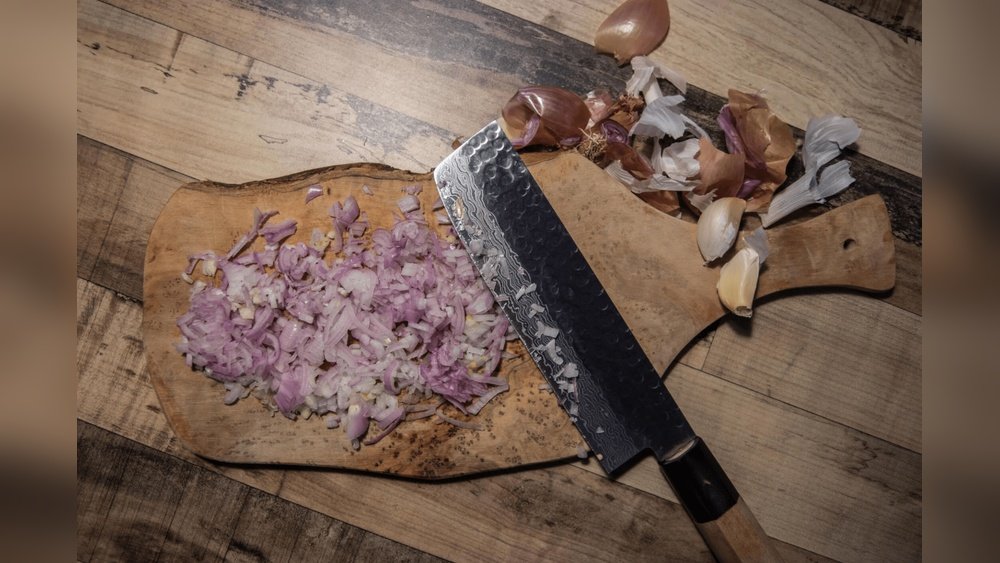
Getting rid of the stubborn onion smell from a cutting board can feel impossible. You wash it. You scrub it. Still, the sharp, pungent scent lingers. This can be frustrating, especially if you love to cook or use the same board for fruits and vegetables. No one wants their fresh apple slices to taste like yesterday’s onions. But why is the onion smell so hard to remove, and what actually works?
This guide will help you understand why the odor sticks, what methods truly work, and how to keep your kitchen boards fresh. You will find practical advice, step-by-step cleaning methods, and real comparisons. Whether your board is wood, plastic, or bamboo, you’ll find answers here.
Get ready to say goodbye to that unwanted onion smell for good.
Why Does Onion Smell Stick To Cutting Boards?
The onion odor is strong and persistent because of sulfur compounds. When you slice an onion, it releases these compounds, which can penetrate porous surfaces. Wooden cutting boards and bamboo are especially absorbent. Even after a regular wash, the smell can remain trapped inside tiny pores and grooves.
Plastic boards might seem less smelly, but they often develop knife marks. These small cuts can hold onto onion juice and microscopic particles. Over time, the odor builds up. If not cleaned properly, the smell transfers to other foods.
Another point beginners miss is that water alone is not enough. Onion compounds don’t dissolve easily in water. That’s why special cleaning agents or techniques are needed. Many people are surprised to learn that even hot water doesn’t break down these sulfur compounds. Soap helps, but sometimes it only masks the smell instead of fully removing it.
Also, onion odor can become stronger if boards are stored damp or stacked without air flow. Moisture and warmth let odor-causing particles sink deeper into the board. If you notice your cutting board smells even after cleaning, this is often the reason.
A hidden detail: people often underestimate how quickly onion smell can bond to a board’s surface. Even a few minutes of contact is enough for the odor to stick, especially if you cut several onions in one session. So, fast cleaning is not just about hygiene—it actually makes the smell much easier to remove.
Understanding Different Cutting Board Materials
Not all boards are the same. The material makes a big difference in how easily smells are absorbed and removed. Here’s a quick look at the three most common types:
| Material | Odor Absorption | Cleaning Difficulty | Durability |
|---|---|---|---|
| Wood | High | Medium/High | Very Durable |
| Plastic | Medium | Low/Medium | Medium |
| Bamboo | Medium | Medium | High |
Wooden boards look beautiful and feel great for chopping, but they hold onto smells. Plastic boards are easier to sanitize, but knife grooves can collect onion residue. Bamboo is harder than wood, so it’s less absorbent, but not smell-proof.
Choosing the right method to remove onion odor depends on your board’s material. For example, you should never soak wood but can sometimes do this with plastic. Some people make the mistake of using the same cleaning routine for every board, but this can damage the material or simply not work.
A practical tip: if you’re buying a new board, consider a color-coded plastic set for onions, garlic, and strong-smelling foods. This makes it easier to keep smells separate, and you won’t have to fight with lingering odors as often.
Quick Fixes For Onion Smell
If you need a fast solution, try these simple tricks first. They use common kitchen items and work surprisingly well for mild smells.
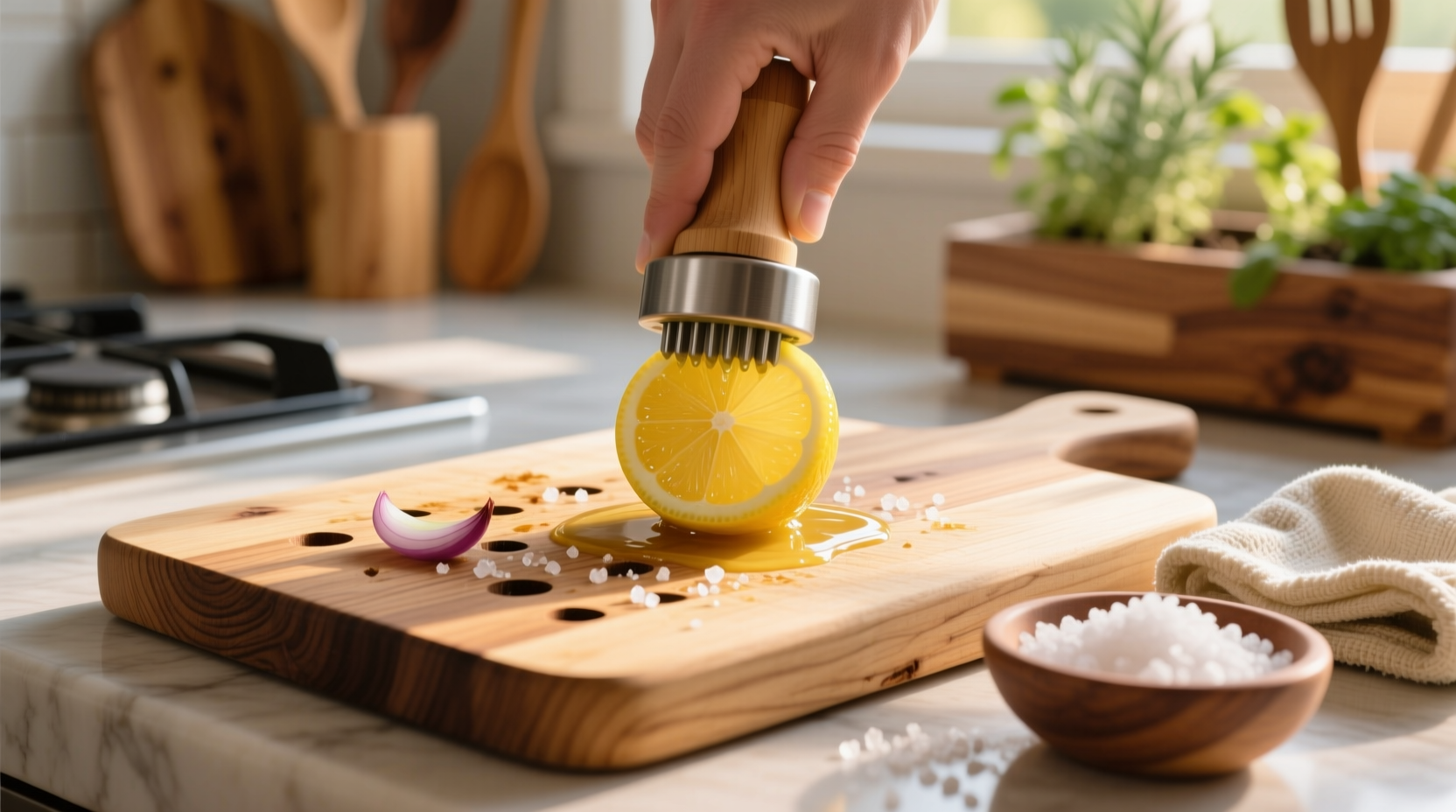
- Lemon Wipe: Cut a lemon in half and rub it over the board’s surface. The natural acidity helps neutralize odors. Let it sit for 5 minutes, then rinse with warm water.
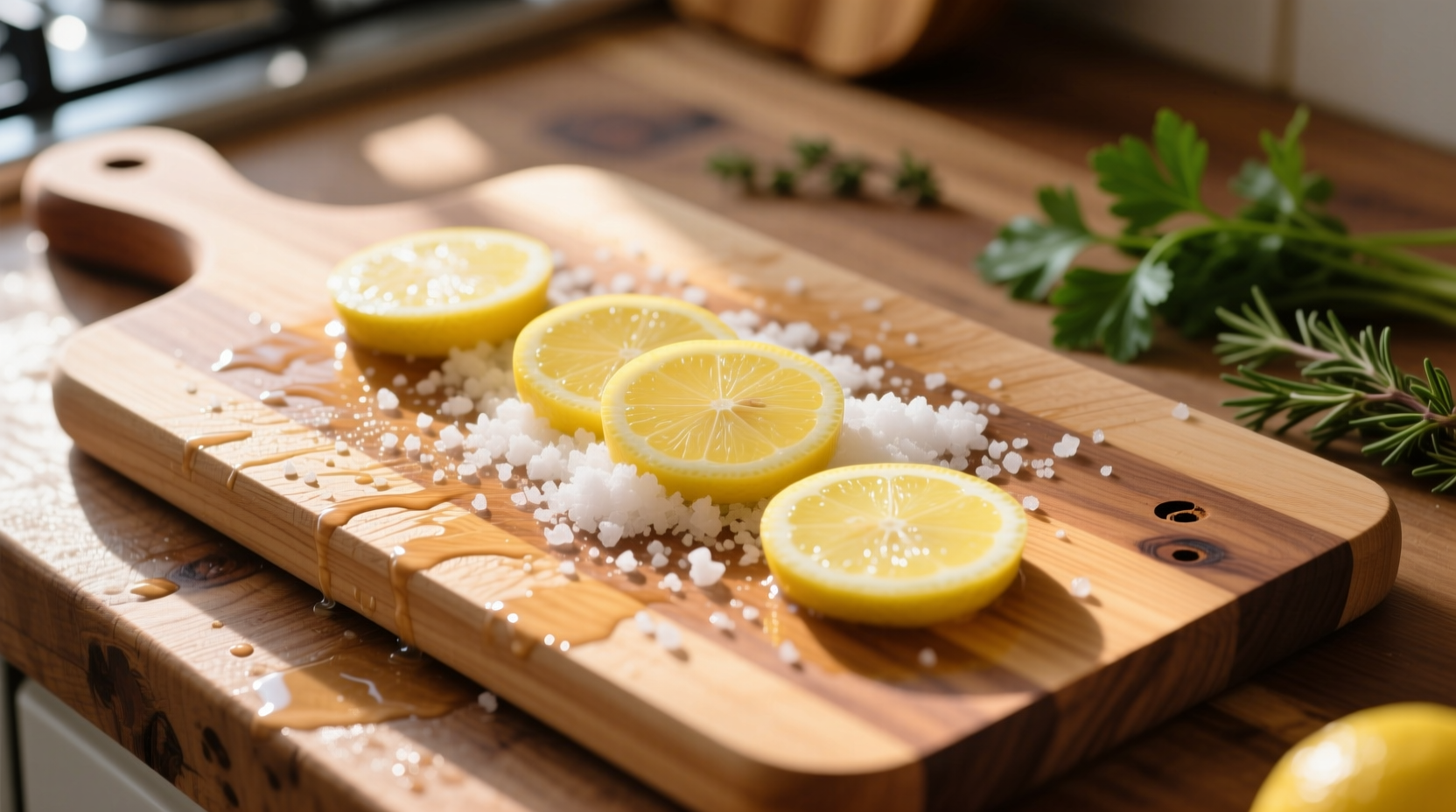
For stronger effect, squeeze some juice as you rub. The lemon’s oils also help lift particles from the surface. You can also sprinkle a little salt on the board before rubbing the lemon for extra scrubbing power.
- Salt Scrub: Sprinkle coarse kosher salt on the board. Scrub with a damp sponge or half a lemon. Salt draws out the odor and lifts stains.
Salt acts as a gentle abrasive and absorbs moisture from the board. For wooden boards, always scrub along the grain to avoid scratching.
- Baking Soda Paste: Mix baking soda with a little water to form a paste. Spread over the board, scrub gently, and rinse. Baking soda absorbs strong smells.
Baking soda is especially good for boards that have been used for both onions and other foods. It won’t harm wood or plastic and can be used often.
- Vinegar Rinse: Spray or wipe the board with white vinegar. The acid breaks down sulfur compounds. Rinse after 3–5 minutes.
Vinegar is a powerful deodorizer. For a slightly stronger effect, warm the vinegar first (never boil). This helps open the pores of the board and allows the acid to penetrate deeper.
- Sunlight Exposure: Place the clean board outside in direct sunlight for a few hours. Sunlight naturally deodorizes and kills bacteria.
Sunlight works because UV rays break down odor molecules. Rotate the board during sun exposure for even results. This is a great follow-up step after washing.
These methods are best for fresh smells or routine cleaning. But if the odor is deep or old, you’ll need a deeper clean.
Deep Cleaning Methods That Work
When the onion smell just won’t go away, it’s time for a thorough cleaning. Here are the most effective methods, with steps for each type of board.
For Wooden And Bamboo Cutting Boards
1. Baking Soda And Vinegar Combo
- Sprinkle baking soda generously over the board.
- Spray or pour white vinegar over the baking soda.
- It will fizz. Let it bubble for 5–10 minutes.
- Scrub with a stiff brush, focusing on knife grooves.
- Rinse well with warm water.
- Dry with a towel, then air-dry standing upright.
This method works because the fizzing action lifts out particles stuck in wood fibers. It’s important to scrub into any grooves, as that’s where the onion compounds hide. Repeat if needed for stubborn smells.
2. Hydrogen Peroxide Soak
- Pour 3% hydrogen peroxide over the board.
- Spread evenly and let sit for 5 minutes.
- Scrub with a brush.
- Rinse thoroughly and dry.
Hydrogen peroxide disinfects and removes odors. It’s safe for wood but avoid using too much or soaking for long periods.
A useful detail: hydrogen peroxide bubbles when it contacts organic material. If you see fizzing, that means it’s working. It’s also good for removing stains as well as odors.
3. Dish Soap And Hot Water Scrub
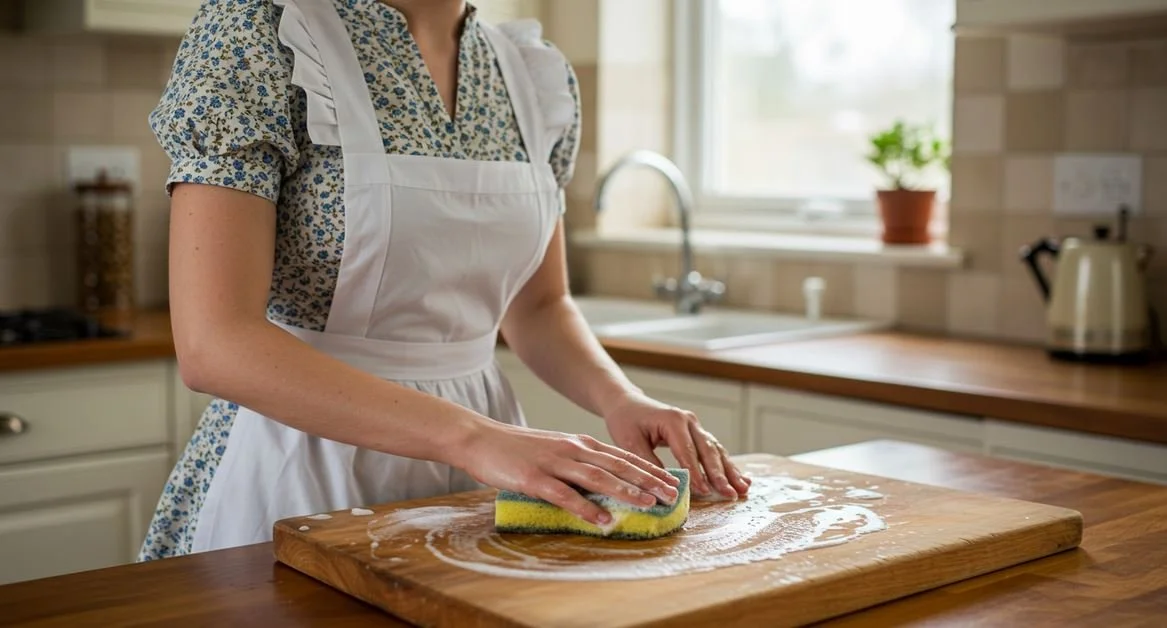
- Wash with hot, soapy water using a scrub brush.
- Focus on any stained or smelly areas.
- Rinse and dry immediately.
This is the safest step for everyday use and should be your starting point before trying stronger methods.
4. Salt And Lemon Overnight Treatment
- After using lemon and salt, let the mixture sit overnight on stubborn spots.
- In the morning, rinse and dry well.
This slow treatment helps with older, deeper smells. It’s especially good for boards you don’t use every day, as it gives the cleaning agents time to work.
For Plastic Cutting Boards
1. Dishwasher Cycle
- Place the board in the dishwasher’s top rack.
- Use the hottest, longest cycle.
- Dry completely.
Plastic boards can handle dishwasher heat, which removes most onion smells. If your dishwasher has a “sanitize” setting, use it for even better results.
2. Bleach Solution (for Severe Odor)
- Mix 1 tablespoon of bleach in 1 gallon of water.
- Soak the board for 2–3 minutes (no longer).
- Rinse very well and dry.
Do not use bleach on wood or bamboo. A quick bleach soak can also remove stains and disinfect at the same time, but always rinse several times to remove bleach residue.
3. Baking Soda Scrub
- Sprinkle baking soda, scrub with a little water.
- Let sit for 10 minutes.
- Rinse and dry.
This method is simple and safe for frequent use. For tough smells, repeat the process or add a little white vinegar.
A tip for all materials: always check the manufacturer’s instructions. Some boards are treated or coated and may need special care.
Credit: lifetips.alibaba.com
Mistakes To Avoid
Many people make common errors when trying to remove onion smell. These can make the odor worse or damage your board.
- Soaking wood in water: Wood absorbs water, causing it to warp or split. Always wash and dry quickly.
- Using harsh chemicals on wood: Bleach and strong cleaners can dry out or crack wood.
- Not drying completely: A wet board can grow bacteria and mold, making smells worse.
- Storing boards flat while wet: Always store upright to let air circulate.
- Mixing cleaning methods: Some combinations (like vinegar and bleach) produce harmful fumes.
A non-obvious tip: Rotate between methods. If one approach fails, try another after a few days. This prevents buildup and keeps the board in good condition.
Many people think leaving a board to “air out” in a closed cabinet will help, but in reality, this traps moisture and makes the smell worse. Avoid using steel wool or very rough scrubbers on wood, as they can create new grooves that trap odors.
Routine Maintenance To Prevent Odor
Prevention is easier than removal. Regular care will stop smells from sticking in the first place.
- Wash the board right after cutting onions. Don’t let juices sit.
- Dry the board with a towel and let it air-dry standing up.
- Use food-grade mineral oil on wood or bamboo boards once a month. This fills pores and makes it harder for smells to settle.
- Rotate cutting boards if you cook with onions often.
- Use different boards for onions/garlic and for fruits/vegetables.
Here’s a comparison of cleaning frequency for different board types:
| Board Type | After Onion Use | Deep Clean Needed | Oil/Conditioning |
|---|---|---|---|
| Wood | Every use | Weekly | Monthly |
| Plastic | Every use | Every 2 weeks | Not needed |
| Bamboo | Every use | Every 2 weeks | Monthly |
Another tip: if you use your board for meat, always clean and sanitize right away. Cross-contamination can also cause lingering smells and even health risks.
For busy households, keeping a spray bottle of diluted vinegar or hydrogen peroxide near the sink makes it easy to do a quick deodorizing wipe-down after each use.
Credit: www.karensgreencleaning.com
Natural Deodorizing Methods
If you prefer eco-friendly solutions, these natural methods are safe and effective.
1. Coffee Grounds
Spread used coffee grounds over the board. Let sit for 30 minutes, then brush off and rinse. Coffee absorbs strong smells.
Coffee grounds are especially good for plastic boards, as they don’t scratch. They also leave a neutral scent behind, which is less likely to affect your next meal.
2. Activated Charcoal
Place a small bowl of activated charcoal near the board overnight. It attracts odors from the air and the board’s surface.
Activated charcoal is also used in refrigerators for the same reason. It’s reusable—just let it sit in the sun for a few hours to recharge.
3. Vinegar And Essential Oils
Mix equal parts white vinegar and water with a few drops of lemon or tea tree oil. Wipe the board and let it air-dry.
Essential oils add a pleasant scent and have mild antibacterial properties. Avoid using too much oil, as it can make the board greasy.
You can also use other household items, like baking soda mixed with a few drops of essential oil, as a scrub for both deodorizing and cleaning.
Natural methods are gentle but may need to be repeated for strong odors. They’re also safe for sensitive skin and kids’ cutting boards.
When To Replace Your Cutting Board
Sometimes, no matter how much you clean, the smell stays. This is usually a sign that the board is worn out. Deep grooves, cracks, or stains mean onion juices can hide where cleaning can’t reach.
Signs your board needs replacing:
- Deep knife grooves that don’t come clean
- Cracks or splits in wood or bamboo
- Stains that do not fade with cleaning
- Persistent odors after several treatments
Most experts suggest replacing plastic boards every 2–3 years and wooden boards every 5–10 years, depending on usage.
A hidden detail: if your board feels fuzzy or splintered when you run your hand across it, it’s time for a new one. Very old boards can even harbor bacteria, not just odors, making them unsafe for food preparation.
How To Store Boards To Prevent Smell
Proper storage keeps your boards dry and fresh.
- Store boards upright in a rack or against a wall, not flat.
- Keep away from damp areas or near the sink.
- Make sure air can move around both sides.
- Avoid stacking boards, as this traps moisture and odors.
A non-obvious insight: Don’t store boards in closed cabinets if they are even slightly damp. Moisture inside cabinets makes smells worse and encourages bacteria.
If you live in a humid climate, consider using a small fan or dehumidifier in your kitchen. This helps boards dry faster and stay odor-free.
For households with limited space, wall-mounted racks or magnetic strips can keep boards off the counter while allowing air flow.
Using Board Oils And Conditioners
Oiling your board is not just for looks. It helps prevent odors and keeps the material strong.
- Use food-grade mineral oil for wood and bamboo.
- Apply a thin layer, let it soak in for a few hours, then wipe off the excess.
- Do this monthly, or after deep cleaning.
Never use olive, vegetable, or coconut oil—they can go rancid and make smells worse.
If you want extra protection, try beeswax-based conditioners. They seal the surface and make it harder for onion juices to soak in.
A good practice is to oil your board after every deep clean. This not only protects it from odors but also from drying and cracking, which can create new places for smells to hide.
Comparing Cleaning Methods For Onion Smell
Let’s compare the most popular methods for removing onion odor:
| Method | Effectiveness | Best For | Notes |
|---|---|---|---|
| Lemon & Salt | Good | Wood, Bamboo | Natural, gentle |
| Baking Soda Paste | Very Good | All types | Absorbs deep smells |
| Vinegar Rinse | Good | All types | Quick and cheap |
| Hydrogen Peroxide | Excellent | Wood, Bamboo | Disinfects as well |
| Dishwasher | Excellent | Plastic | Not for wood |
| Bleach Solution | Excellent | Plastic | Short soak only |
Use this comparison to pick the right method for your board and odor level. For example, if you want something safe and natural, lemon and salt or baking soda are best. For quick, strong cleaning, hydrogen peroxide (wood/bamboo) or bleach (plastic) are more effective.
Bonus Tips For Onion Lovers
If you cook with onions often, these extra tips can help:
- Designate a separate board for onions and garlic.
- Clean immediately after use with hot water and soap before doing anything else.
- Keep a cleaning kit (lemon, salt, baking soda) near your sink for quick access.
- If the smell is very strong, repeat your cleaning method two or three times in a row.
- Remember: Consistency is key. Regular cleaning prevents buildup.
You can also try using a disposable sheet or parchment paper on top of your board when chopping large amounts of onion. This gives an extra layer of protection and makes cleanup easier.
A tip for families: teach everyone in the house the right way to clean boards. If even one person skips a step, the smell can return.
Scientific Perspective: Why Onion Smell Is So Persistent
Onions contain sulfur compounds like allicin, which are volatile and sticky. When you cut onions, these compounds react with the air and bond to surfaces. That’s why the smell is hard to wash away with just water.
Some studies have shown that acids (like vinegar or lemon juice) and alkaline cleaners (like baking soda) break down these molecules, making them easier to remove. That’s why these methods are most effective.
Another important detail: the warmth of your kitchen can actually make the smell stronger. Heat causes sulfur compounds to become even more volatile, so a board left on a warm counter will smell worse than one kept cool and dry.
If you want to read more about the science behind onion odors and cleaning, check out this Wikipedia article on onions.
Frequently Asked Questions
What Is The Fastest Way To Remove Onion Smell From A Cutting Board?
For a quick fix, rub the board with half a lemon or use a paste of baking soda and water. Let it sit for 5–10 minutes, then rinse. This removes most surface odor fast.
Is It Safe To Use Bleach On Wooden Cutting Boards?
No, bleach is too harsh for wood. It can dry out and crack the board. Use hydrogen peroxide or vinegar for wood instead. Bleach is safe for plastic boards with proper rinsing.
How Often Should I Deep Clean My Cutting Board?
Deep clean wooden boards weekly if used for onions often. For plastic or bamboo, every 2 weeks is enough. Regular maintenance keeps smells away.
Can I Use The Dishwasher For All Types Of Cutting Boards?
Only plastic cutting boards should go in the dishwasher. Wood and bamboo can warp or crack from the heat and moisture. Always hand wash these boards.
What If The Onion Smell Will Not Go Away?
If cleaning methods do not work, check for deep grooves, cracks, or stains. These trap odors beyond reach. If the board is old or damaged, it is best to replace it.
Removing onion smell from a cutting board is possible with the right approach. Choose the best method for your board’s material, clean regularly, and use preventive care. With these tips, your kitchen can stay fresh—no matter how many onions you chop.
Credit: lifetips.alibaba.com