
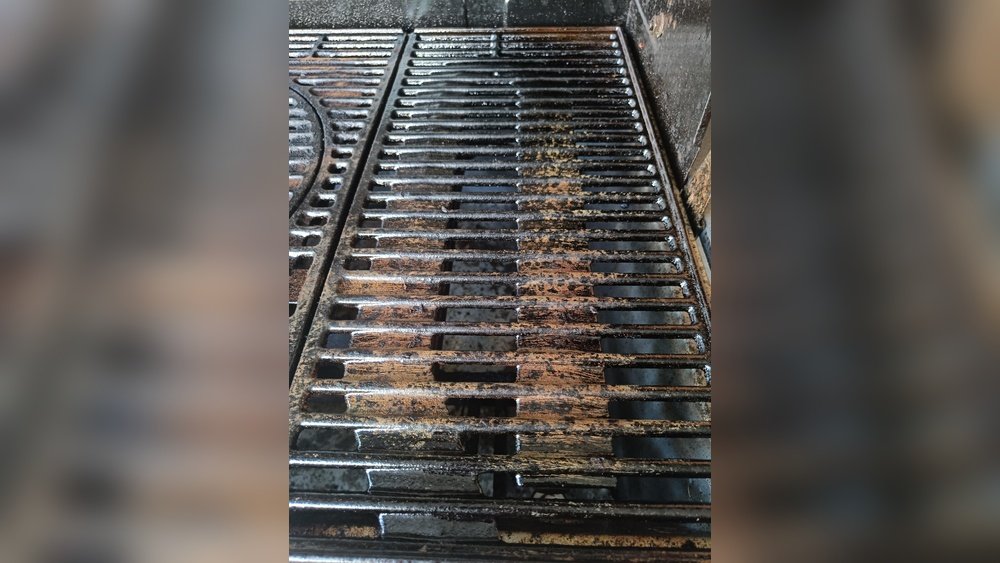
Grilling outdoors brings people together—there’s something special about the sizzle of meat, the smoky aroma, and that perfect char. But even the best grill can create problems if you don’t take care of your grill grate. Food sticks, rust forms, and the taste suffers. The secret to a great grilling experience is learning how to season your grill grate properly. This step-by-step guide will help you master the process, no matter what type of grill you own. You’ll learn the science behind seasoning, different methods for various grates, and pro tips to make your grill last longer and your food taste better.
Why Seasoning Your Grill Grate Matters
Seasoning a grill grate means applying oil and heat to create a protective layer on the surface. This makes food less likely to stick, prevents rust, and improves the flavor of your food. Many people skip this step, but it’s just as important as cleaning your grill.
A properly seasoned grate:
- Resists rust and corrosion—especially important for cast iron
- Creates a nonstick surface—making it easier to flip delicate foods
- Adds flavor—a seasoned surface helps build up that smoky barbecue taste over time
- Extends the life of your grill—reducing the need for repairs or replacement
It’s easy to overlook, but once you taste the difference, you’ll see why it’s essential.
The Science Behind Seasoning
When you season a grill grate, you’re causing a reaction called polymerization. This happens when oil is heated to a high temperature, causing it to bond to the metal and form a hard, smooth layer. Think of it as a shield that protects your grill and improves cooking.
Different materials—like cast iron, stainless steel, and porcelain-coated grates—react differently to oil and heat. Understanding these differences helps you choose the right method and products for your grill.
Types Of Grill Grates And Their Seasoning Needs
Not all grates are the same. The material affects how you season and care for them.
| Grate Material | Seasoning Required? | Common Issues | Best Oils |
|---|---|---|---|
| Cast Iron | Yes, essential | Rusts easily, food sticks | Flaxseed, canola, grapeseed |
| Stainless Steel | Yes, recommended | Some sticking, discoloration | Canola, vegetable, sunflower |
| Porcelain-Coated | Optional, gentle | Chipping, rust if cracked | Vegetable, canola (thin layer) |
Cast iron grates need the most attention, while stainless steel benefits from regular oiling. Porcelain-coated grates are easiest to maintain, but still need some care.
Choosing The Right Oil For Seasoning
Not all oils are equal for seasoning. The best ones have a high smoke point—the temperature at which oil starts to burn and break down. If you use an oil with a low smoke point, it can create sticky residue and bad flavors.
Here are some top choices:
- Flaxseed oil (smoke point: 225°F) – creates the hardest, most durable layer, but requires careful heating
- Canola oil (smoke point: 400°F) – affordable, widely available, and works well for most grills
- Grapeseed oil (smoke point: 420°F) – neutral flavor, very popular among grill masters
- Sunflower oil (smoke point: 440°F) – also a good option for high heat
- Vegetable oil (smoke point: ~400°F) – easy to find and works in most cases
Avoid butter, olive oil, or animal fats. Their low smoke points lead to burning and sticky buildup.
Preparing Your Grill For Seasoning
Before you season, your grill grate must be completely clean. Old food bits, grease, and rust will ruin the process.
Step 1: Remove Old Debris
- Use a stiff grill brush to scrub off all food and residue. For cast iron, a wire brush is best. For porcelain, use a soft brush to avoid scratching.
- If needed, soak the grates in hot, soapy water for 15–20 minutes, then rinse and dry.
Step 2: Check For Rust
- If you see rust, use steel wool or sandpaper to remove it. For heavy rust, a vinegar soak (1 part vinegar to 1 part water) can help. Rinse and dry completely.
Step 3: Dry Thoroughly
- Water left on the grate can cause steam and interfere with the oil. Dry the grates with a towel, then let them air dry for 15–30 minutes. You can also place them over low heat for a few minutes to evaporate remaining moisture.
How To Season A Grill Grate: Step-by-step Guide
Now you’re ready to season your grill grate. The method is similar for most types, but there are small differences.
Step 1: Preheat The Grill
- Place the clean, dry grates back in the grill.
- Turn on the grill to a medium-high heat (about 400°F/205°C).
- Let it heat for 10–15 minutes. This opens up the pores in the metal, allowing oil to bond better.
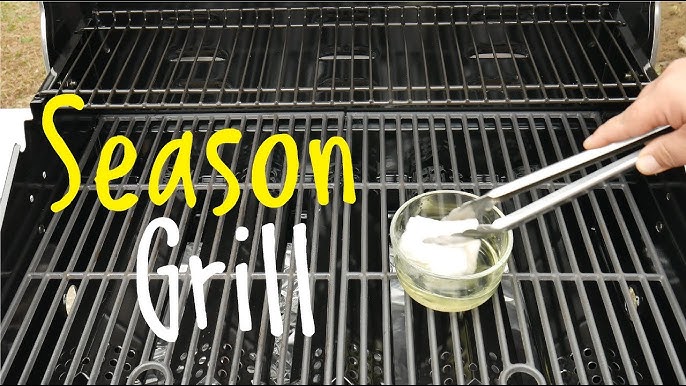
Step 2: Apply Oil
- Fold a paper towel into a small pad. Dip it into your chosen oil, but don’t soak it.
- Using long tongs, rub the oil-soaked towel over the hot grates. Cover every inch, including corners and edges.
- For cast iron, apply a generous but even layer. For porcelain, use a very thin layer.
Pro tip: If you have spray oil with a high smoke point, you can spray a light mist (but do not spray directly onto a gas flame).
Step 3: Heat Again
- Close the grill lid and let the grates heat for 30–40 minutes at high heat (450–500°F).
- The oil will start to smoke and darken. This means it’s bonding to the metal.
Step 4: Repeat For Best Results
- For new or rusty grates, repeat steps 2 and 3 two or three times. Each layer builds a stronger nonstick surface.
- For stainless steel or porcelain, one or two passes are usually enough.
Step 5: Let Cool And Store
- Turn off the grill and let it cool down naturally.
- Your grates should look shiny, dark, and slightly slick.
Here’s a quick comparison of the process for different grate types:
| Step | Cast Iron | Stainless Steel | Porcelain-Coated |
|---|---|---|---|
| Preheat | Yes, high heat | Yes, high heat | Yes, medium heat |
| Oil Layer | Generous, all over | Thin, even | Very thin |
| Repeat | 2–3 times | 1–2 times | 1 time |
| Cool Down | Fully cool | Fully cool | Fully cool |

Credit: www.reddit.com
Special Instructions For Different Grill Types
Cast Iron Grates
Cast iron is the classic grill surface, but it’s also the most vulnerable to rust. Always season cast iron before first use and after deep cleaning. Never let it air dry—always heat to remove moisture and oil immediately.
Tip: For brand new cast iron, season three to four times before cooking. This builds a strong, black patina that is highly nonstick and rust-resistant.
Stainless Steel Grates
Stainless steel grates are less likely to rust, but food can still stick. Seasoning isn’t as critical, but it makes cleanup easier and helps form grill marks. Oil lightly—too much oil can create sticky buildup.
Tip: If your stainless steel grates start to discolor, that’s normal. The color change is a sign of seasoning layers forming.
Porcelain-coated Grates
Porcelain-coated grates are rust-resistant, but the coating can chip if scrubbed with metal brushes or dropped. If the coating cracks, rust can develop underneath. Use a very thin layer of oil, and always avoid abrasive tools.
Tip: Never use wire brushes on porcelain. For stuck-on food, use a nylon brush or wood scraper.
How Often Should You Season Your Grill Grate?
Frequency depends on how often you grill and the grate material.
- After every deep cleaning: Always re-season if you clean with soap or remove rust.
- Every few cooks: For cast iron, oil lightly after each use, especially if you grill often.
- At the start and end of grilling season: Even stainless steel benefits from a full seasoning twice a year.
If your food starts sticking, or you see dull or rusty spots, it’s time for another seasoning.
Common Mistakes When Seasoning A Grill Grate
Even experienced grillers can make mistakes. Avoid these to get the best results:
- Using the wrong oil: Choose high smoke point oils. Olive oil and butter burn and leave residue.
- Applying too much oil: A thin, even layer is best. Excess oil can get sticky or catch fire.
- Not heating long enough: The oil must bond to the metal. If you rush, the surface stays sticky.
- Skipping cleaning: Seasoning over old food or rust creates a weak, uneven layer.
- Using the wrong tools: Metal brushes on porcelain, or soaking cast iron in water, can damage the surface.
- Ignoring maintenance: Regular touch-ups are easier than fixing rusty, sticky grates.
Insider tip: If your grate feels sticky after seasoning, heat it at high temperature (no added oil) for 20 minutes to burn off the excess.
Maintaining Your Seasoned Grill Grate
Seasoning isn’t a one-time job. Proper maintenance keeps your grill performing at its best.
After Every Cook
- While the grill is still warm, brush off food bits with a suitable brush (wire for cast iron/stainless, nylon for porcelain).
- Lightly oil the grates with a paper towel before storing. This helps maintain the nonstick layer and prevents rust.
Seasonal Care
- At the start and end of grilling season, do a full clean and re-season.
- Store your grill covered, or bring grates inside if you live in a humid area.
Spot Repairs
- If you see rust or sticky spots, scrub and re-season just that area.
- For major rust, repeat the full seasoning process.
Advanced Tips For A Perfect Seasoned Grate
Want to go beyond the basics? These pro tips will help you get the most from your grill.
Build Up Layers
Each time you season, you add another layer of protection. Over time, your grate will develop a deep black patina—this is the goal for cast iron and a good sign for other grates. The more you grill and maintain, the better the surface becomes.
Use Smoke Wisely
If you see a little smoke during seasoning, that’s good. Too much smoke means the oil is burning off, not bonding. Adjust the heat if your grill smokes excessively during seasoning.
Avoid Soap On Cast Iron
Soap removes the seasoning layer. For routine cleaning, use hot water and a brush only. Save soap for major deep cleans, and always re-season afterward.
Rotate Grates
If your grill has reversible or removable grates, rotate them occasionally. This ensures even wear and seasoning.
Season Accessories
Don’t forget about grill baskets, racks, or griddles. Season these just like your main grate.
What If You Don’t Season Your Grill Grate?
Many new grill owners skip seasoning, but you’ll quickly see why it’s important:
- Rust forms easily—especially in humid climates
- Food sticks and tears—ruining delicate fish or vegetables
- Off flavors from burnt-on debris or old oil
- Shorter grill life—grates will need replacement sooner
While stainless and porcelain grates are more forgiving, all grills benefit from a protective oil layer.

Credit: www.youtube.com
Health And Safety Concerns
Some people worry about oil smoke or burnt-on residue. Here’s what you need to know:
- High smoke point oils are safe when used correctly. They’re less likely to break down and form harmful compounds.
- Burnt-on carbon (from old food or excess oil) can be a health risk. That’s why regular cleaning and proper seasoning are key.
- Store oils safely—keep them away from open flames when applying.
For more details on food safety and grilling, the USDA Grilling Safety Guidelines are a good resource.
Real-world Examples: Seasoning In Action
Let’s look at two common scenarios.
Example 1: Restoring A Neglected Cast Iron Grate
Tom bought a used charcoal grill. The grates were rusty and covered in old food. He soaked them in vinegar, scrubbed with steel wool, and dried them thoroughly. Then, he applied canola oil and seasoned three times at 500°F. The result: a glossy black surface that didn’t stick to chicken or veggies.
Example 2: Maintaining A Stainless Steel Grate
Maya grills every weekend. She brushes her stainless grates after each use and wipes them with oil. Once every few months, she deep-cleans and seasons. Her grates have a golden-brown color and never stick, even when grilling burgers.
These examples show that with simple habits, anyone can keep their grill in top shape.
Cleaning Versus Seasoning: Finding The Right Balance
Some grillers over-clean, removing the seasoning each time. Others never clean, leading to burnt residue and off flavors. The best approach is balance:
- Clean after each cook to remove food and carbon
- Season lightly to maintain protection
- Deep clean and re-season a few times per year
Here’s a quick comparison of cleaning and seasoning:
| Action | Purpose | How Often | Tools |
|---|---|---|---|
| Light brush and oil | Remove bits, maintain nonstick | After every cook | Brush, paper towel, oil |
| Deep clean | Remove rust, old oil | 2–4 times/year | Soak, steel wool, soap |
| Full seasoning | Restore nonstick, protect metal | After deep clean or rust | High smoke point oil, heat |
Can You Use Commercial Grill Seasoning Sprays?
Some brands sell sprays or wipes designed for grill seasoning. These can be convenient, especially for stainless steel or porcelain grates. However, always check the ingredients—some contain additives that can leave residue or affect taste.
If you use a spray, choose one with only pure oil and no propellants. Never spray directly onto a hot open flame, as it can cause a flare-up.
Environmental Impact: Safe Oil Disposal
After seasoning, you may have oily towels or excess oil. Dispose of these in the trash, not the drain, to prevent clogs. Used oil can also be collected and recycled at special centers in some cities.
If you grill often, consider switching to a reusable grill brush and natural oils to reduce waste.
Frequently Asked Questions
How Do I Know If My Grill Grate Needs To Be Re-seasoned?
If food starts sticking, you see rust spots, or the grate looks dull or gray, it’s time to re-season. Regular touch-ups keep your grill performing well.
Can I Season My Grill Grate In The Oven?
Yes, for small or removable grates (like cast iron), you can season them in your kitchen oven. Place foil below to catch drips and heat at 450°F for 1 hour. This method is not suitable for large, fixed grates.
Is Vegetable Shortening Good For Seasoning Grill Grates?
Vegetable shortening has a high smoke point and can work for seasoning, especially for cast iron. However, many people prefer liquid oils like canola or grapeseed for easier application.
What Should I Do If My Grates Have Sticky Residue After Seasoning?
Sticky residue means too much oil was applied or the grates weren’t heated long enough. Burn off the excess at high heat with the lid closed for 20–30 minutes, then cool and wipe clean.
Do I Need To Season A Brand-new Grill?
Yes. Most new grates (especially cast iron and stainless) come with a factory coating that protects during shipping but is not suitable for cooking. Always wash, dry, and season before the first use.
Seasoning your grill grate might feel like an extra step, but it’s the foundation of great grilling. With a little care, you’ll enjoy nonstick cooking, easy clean-up, and delicious flavor—grill after grill, year after year.
Credit: www.youtube.com