
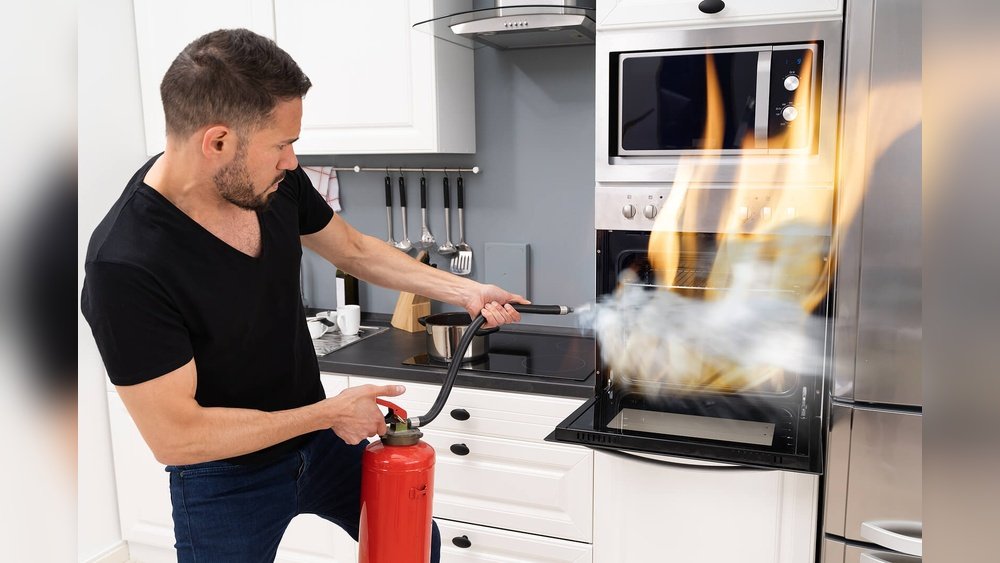
Every home cook faces small kitchen emergencies. One of the most alarming is when you see flames inside your oven. Oven fires can happen to anyone, even careful bakers or chefs. Grease, spilled food, or even a forgotten pizza box can turn a quiet evening into a stressful event.
The smell of burning, the orange flicker, the panic—it’s a situation that requires clear thinking and quick action.
But here’s the good news: most oven fires are manageable if you know what to do. You don’t need to be a firefighter to stop an oven fire safely. However, you must act fast and avoid common mistakes that can make things worse. In this guide, you’ll learn the step-by-step actions to stop a fire in the oven, how to prevent them, and what to do after the danger is gone. Whether you’re a new cook or someone who spends hours in the kitchen, these tips will help you handle oven fires with confidence.
Why Oven Fires Happen
Understanding what causes oven fires helps you prevent them. Most fires in ovens do not start from electrical faults or major malfunctions—they start from food or grease.
- Grease Buildup: Fatty foods drip grease, which can collect at the bottom of the oven. Over time, these grease spots can ignite.
- Spilled Food: Sauces, cheese, or pieces of food that fall onto the heating element or oven floor can burn and catch fire.
- Unattended Cooking: Leaving food in the oven too long, or setting the temperature too high, increases the risk.
- Foreign Objects: Accidentally leaving paper, cardboard, or plastic in the oven can quickly start a fire.
- Flammable Sprays: Using too much cooking spray or aerosol near a hot oven adds to the danger.
A less obvious cause is using the self-cleaning function when the oven has not been properly wiped out. High heat plus leftover debris can create a fire risk that surprises even experienced cooks.
Immediate Steps To Stop An Oven Fire
When you spot a fire in your oven, the right actions can keep you and your kitchen safe. Stay calm and follow these steps.
1. Don’t Open The Oven Door
Your first instinct might be to open the oven and try to put out the fire. Don’t do this. Oxygen fuels fire. Opening the door lets in air, which can cause flames to leap out and spread.
2. Turn Off The Oven
Immediately switch off the oven. Use the main control knob or the power button. If your oven is electric, this will stop the heating element. For gas ovens, turning off the oven shuts off the gas flow. If you can safely unplug the oven, do so.
3. Leave The Door Closed
Keep the oven door closed. This cuts off the fire’s oxygen supply. Most small oven fires burn out quickly once air stops feeding them. Watch through the oven window if you can, but don’t open the door to “check.”
4. Monitor The Situation
Stay nearby and keep an eye on the oven. Most fires will die down within a few minutes. If the flames start to shrink, continue to keep the door closed until you’re sure the fire is out.
5. Use A Fire Extinguisher (if Needed)
If flames do not go out, or if you see smoke pouring from the oven, be ready to use a Class B or multi-purpose (ABC) fire extinguisher. Open the oven just enough to aim the nozzle inside, then spray in short bursts. Never use water—it can cause grease to splatter and spread the fire.
6. Call 911 If The Fire Spreads
If the fire escapes the oven or fills the kitchen with smoke, evacuate immediately and call emergency services. Safety is more important than saving your appliance or dinner.
7. Ventilate Safely
After the fire is out and there’s no more smoke, open windows to let out fumes. Wait until all flames are gone before you open the oven door.

Credit: ucvfd.org
What Not To Do During An Oven Fire
Some actions can make an oven fire much worse. Avoid these mistakes:
- Don’t throw water on a grease fire. Water makes hot oil splatter and can spread the flames.
- Don’t use flour or baking powder. Only baking soda can help smother small grease fires, but in an oven, it’s usually better to keep the door closed.
- Don’t move the oven or try to take the food out while it’s on fire.
- Don’t use wet towels or dishcloths to try to put out the fire.
- Don’t open windows or doors near the oven until you are sure the fire is out. Drafts can feed the flames.
How To Prevent Oven Fires
You can avoid most oven fires with good habits and regular care. Prevention is always better than reacting to a fire.
Clean Regularly
Wipe spills and grease from the oven after each use. Do a deep clean every few weeks. Pay special attention to the oven floor and racks.
Use A Drip Tray
Place a drip tray or baking sheet under dishes that might bubble over. This catches grease and sauce before they can reach the heating element.
Watch Cooking Temperatures
Don’t cook food at higher temperatures than needed. High heat increases the risk of burning and fires, especially with fatty foods.
Never Leave The Oven Unattended
Stay nearby when cooking, especially with broilers or when roasting meats. Set a timer to remind you when food is ready.
Remove Flammable Materials
Always check the oven for paper, cardboard, or plastic before turning it on. Even a forgotten pizza box can start a dangerous fire.
Use Proper Cookware
Choose oven-safe dishes, pans, and trays. Some plastic or glassware can break or melt, creating a fire hazard.
Avoid Overcrowding
Give food space to cook evenly. Crowding can cause juices to spill and drip onto the heating element.
Regular Maintenance
Check the oven door seal for damage. Replace broken knobs or faulty wiring. If your oven isn’t heating evenly, have a professional inspect it.
What To Do After An Oven Fire
Once the fire is out, your kitchen may smell of smoke and your oven might look dirty or damaged. Here are the steps to recover safely:
1. Wait For The Oven To Cool
Don’t open the oven right away. Let it cool completely before cleaning or inspecting it.
2. Remove Burned Food And Ash
Once cool, wear gloves and carefully take out any burned food or debris. Use a dustpan or tongs.
3. Clean The Oven
Use a mixture of baking soda and water or a commercial oven cleaner to scrub away soot and grease. Avoid harsh chemicals that might damage the interior.
4. Check For Damage
Look for melted parts, cracked glass, or damaged wiring. If you see any, call a professional before using the oven again.
5. Test The Oven
After cleaning, run the oven empty at a low temperature for 10–15 minutes. Watch for smoke or odd smells. If all seems normal, you can resume cooking.
6. Air Out The Kitchen
Open windows and use fans to clear out smoke and odors. Wash curtains, towels, and other fabrics that absorbed the smell.
Comparing Oven Fire Safety Tools
Not all kitchen safety tools are equal. Here’s how the main options compare:
| Tool | Best Use | Pros | Cons |
|---|---|---|---|
| Fire Extinguisher (Class B/ABC) | Active flames in oven or kitchen | Quick, effective, easy to use | Can leave residue, needs proper storage |
| Baking Soda | Small grease fires | Cheap, easy to store | Not always practical for oven fires |
| Fire Blanket | Fires on stovetop or person | No mess, reusable | Not useful inside closed oven |
As you can see, a fire extinguisher is your best bet for most oven fires, but proper technique is important.
Common Mistakes When Handling Oven Fires
Many people panic and make dangerous choices. Here are mistakes to avoid:
- Opening the Oven Door Too Soon: This rush of oxygen can cause a small fire to flare up and escape.
- Pouring Water on Flames: Water and hot grease is a dangerous mix—it can cause explosive splattering.
- Using the Wrong Extinguisher: Only Class B or ABC fire extinguishers are safe for grease and electrical fires.
- Forgetting to Ventilate: Smoke can linger and damage your kitchen. Open windows after the fire is fully out.
- Not Checking for Damage: Using a damaged oven can cause another fire or electrical problem.
Real Examples: Oven Fires And Lessons Learned
Learning from others’ experiences can help you avoid similar mistakes. Here are some real-world scenarios:
Example 1: The Pizza Box Disaster
A college student preheated the oven with a pizza box inside. The box caught fire and filled the apartment with smoke. Luckily, he kept the door closed and called the fire department. The fire died out, but the oven needed heavy cleaning.
Lesson: Always check the oven before turning it on.
Example 2: Grease Spill From Roasting Pan
During a holiday meal, grease from a roast spilled onto the oven floor. Flames appeared through the window. The cook panicked and opened the door, making the fire worse. Quick action with a fire extinguisher saved the kitchen, but the oven was damaged.
Lesson: Keep the oven door closed, and use a drip tray for fatty foods.
Example 3: Self-cleaning Function Gone Wrong
A homeowner started the self-cleaning cycle without removing old food debris. The high heat ignited the leftovers. The owner left the house and returned to a smoky kitchen, but the oven’s safety features contained the fire.
Lesson: Clean your oven before using self-cleaning, and stay home during the cycle.
How Ovens Are Designed To Handle Fires
Most modern ovens have features to contain small fires:
- Tight Door Seals: Keeps flames and smoke inside.
- Heat-Resistant Glass: Prevents glass from breaking under high temperatures.
- Auto-Shutoff: Some ovens turn off automatically if they overheat.
However, these features are not foolproof. Regular cleaning and safe cooking habits are still essential.
Oven Fire Statistics And Trends
According to the National Fire Protection Association, cooking equipment is the leading cause of home fires in the United States. Oven fires are less common than stovetop fires, but they still cause significant damage each year.
- Cooking fires account for nearly 50% of all home fires.
- Unattended cooking is the main cause.
- Grease and food debris are behind most oven fires.
These numbers show that paying attention in the kitchen and knowing how to react can prevent most incidents.
Comparing Oven Fire Risk: Electric Vs Gas Ovens
Which type of oven is more likely to catch fire? Here’s a quick comparison:
| Oven Type | Fire Risk | Common Causes | Safety Features |
|---|---|---|---|
| Electric Oven | Moderate | Food spills, grease, faulty wiring | Auto shutoff, heat sensors |
| Gas Oven | Higher | Gas leaks, grease, food spills | Flame failure device |
While both ovens can catch fire from food or grease, gas ovens have an extra risk due to gas leaks. Always maintain both types carefully.
What To Keep Near Your Oven For Safety
Be prepared before a fire starts. Here’s what you should have close by:
- Class B or ABC Fire Extinguisher: Mount it in the kitchen, easy to reach.
- Oven Mitts: To handle hot trays if needed, once the danger is over.
- Baking Soda: For small stovetop grease fires (not always useful for oven fires).
- First Aid Kit: In case of burns or smoke inhalation.
- Phone: To call 911 if needed.
Many people keep fire extinguishers in the garage or another room—this is a mistake. Seconds count in a fire emergency.

Credit: www.amazon.com
Handling Smoke After An Oven Fire
Even a small fire can fill your kitchen with smoke. Here’s how to deal with it:
- Open windows and doors to let fresh air in.
- Use a fan pointed out a window to move smoke outside.
- Wipe down all surfaces with soapy water to remove soot.
- Wash fabrics (curtains, towels) to remove the smell.
- Replace the oven’s air filter, if your model has one.
Never ignore smoke damage—it can affect your health and linger for days.
When To Call A Professional
Not every oven fire needs expert help, but in some cases, you should call a technician or fire department:
- Flames escape from the oven.
- Fire will not go out after several minutes.
- You see melted wiring or broken parts.
- There’s a gas smell after the fire.
- You’re unsure if it’s safe to use the oven.
Firefighters can check for hidden damage, and an appliance professional can make repairs or advise on replacement if needed.
How To Teach Family Members And Kids About Oven Fire Safety
Everyone in your household should know what to do if a fire starts. Here’s how to prepare:
- Show where the fire extinguisher is and how to use it.
- Explain why not to open the oven during a fire.
- Practice emergency procedures, like leaving the house and calling 911.
- Keep young children away from the oven when cooking.
Teaching these steps can make a big difference in an emergency.
The Importance Of Regular Oven Maintenance
Many oven fires come from neglect. Simple maintenance reduces risk:
- Clean spills right away.
- Check heating elements for damage.
- Replace worn-out seals or gaskets.
- Test auto-shutoff features, if your oven has them.
- Schedule a yearly professional check-up, especially for gas ovens.
A well-maintained oven is safer and lasts longer.
Credit: glowenoven.com
Useful Resources For Oven Fire Safety
For more in-depth safety information, visit the National Fire Protection Association. They offer guides, statistics, and videos for home cooks and professionals.
Frequently Asked Questions
What Should I Do If There’s Smoke But No Flames In My Oven?
If you see smoke but no fire, turn off the oven and keep the door closed. Wait for the oven to cool, then carefully open it to check for burned food or spills. Clean any debris before using the oven again.
Can I Use Baking Soda To Put Out An Oven Fire?
Baking soda can help with small grease fires, but in an oven, it’s often better to keep the door closed to starve the fire of oxygen. Only use baking soda if the flames are small and you can sprinkle it safely without opening the oven wide.
How Do I Know If My Oven Is Safe To Use After A Fire?
After a fire, let the oven cool, clean it thoroughly, and check for damage. If you see broken parts or smell gas, call a professional before using it again. If everything looks normal and runs well, it should be safe.
What Type Of Fire Extinguisher Should I Keep In My Kitchen?
Keep a Class B or multi-purpose (ABC) fire extinguisher in your kitchen. These are safe for grease, electrical, and regular fires. Make sure everyone knows where it is and how to use it.
Are Self-cleaning Ovens Safer Or More Dangerous?
Self-cleaning ovens can be safe, but only if you remove all debris before starting the cycle. The high heat can ignite leftover food or grease. Always follow the manufacturer’s instructions and stay home during the cleaning process.
—
Knowing how to stop a fire in the oven is essential for every home cook. With the right steps, most oven fires can be handled quickly and safely. Remember to keep the oven door closed, turn off the heat, and call for help if needed.
Regular cleaning, good habits, and proper safety tools make your kitchen a safer place to cook and gather. Be prepared, stay calm, and you’ll keep small emergencies from becoming big disasters.