

Reheating crab legs in the oven is a simple way to enjoy seafood at home, but many people struggle to get the same taste and texture as fresh crab. If you want to keep your crab legs juicy and flavorful, knowing the right oven technique makes a big difference.
Whether you cooked too many crab legs for your last meal or just brought some home from a restaurant, reheating them the right way can turn leftovers into a delicious main dish.
Many make the mistake of just tossing crab legs into the oven and hoping for the best. This often leads to dry or rubbery crab. But with a few smart steps and some practical tips, you can reheat crab legs in the oven and keep them soft, moist, and full of flavor.
This guide will walk you through everything you need to know—from prepping the legs, to oven timing, to serving tips for the perfect finish.
Why Reheat Crab Legs In The Oven?
Crab legs are delicate. They dry out or lose flavor quickly if not handled carefully. While there are several ways to reheat seafood, the oven is especially good for crab legs because it distributes heat evenly and helps retain moisture.
Compared to methods like boiling or microwaving, oven reheating keeps the meat firm but not tough and helps prevent overcooking.
Many restaurants reheat crab legs in the oven because it gives consistent results. The oven’s gentle heat allows you to add flavor (like butter, lemon, or spices) and control the temperature better than other methods. Home cooks can use this technique to get restaurant-quality results.
It’s also a hands-off method, which means you can prepare sides or set the table while the crab legs are reheating. This makes it practical for family dinners or when you have guests. Unlike the microwave, there’s little risk of uneven heating or “hot spots” that can ruin the texture of the crab meat.
One more benefit: the oven method works well for both small and large batches. Whether you’re just warming a single serving or enough for a party, the results are equally good.
Preparing Crab Legs For The Oven
Before you start, a few simple steps will help make sure your crab legs come out tasting their best.
Thawing Frozen Crab Legs
Most crab legs sold in stores are pre-cooked and then frozen. If your crab legs are frozen, thaw them in the refrigerator overnight. This slow thawing helps keep the texture soft and moist. If you’re short on time, you can place the crab legs in a colander and run cold water over them for a few minutes.
Never thaw crab legs in hot water or at room temperature, as this can cause bacteria to grow.
If you forget to thaw the crab legs ahead of time, avoid using warm water or the microwave to speed up the process. This can start cooking the meat unevenly and damage the texture. In an emergency, submerging sealed crab legs in cold water is faster but still much safer than using hot water.
Cleaning The Crab Legs
Rinse the crab legs under cold running water to remove any ice crystals or surface debris. Pat them dry with a paper towel. If there are any sharp edges or broken shell pieces, use kitchen scissors to trim them so they’re easier to handle and eat.
It’s important to check for any sand or grit trapped between the shell joints, especially for wild-caught crab. A quick rinse can make a big difference in the final eating experience.
Prepping For Flavor
For extra taste, prepare melted butter, lemon wedges, or your favorite seafood seasoning. You can brush the crab legs lightly with melted butter before reheating, or add lemon zest to the foil packet for extra aroma.
If you want to add bold flavors, try making a simple garlic butter by melting butter with minced garlic and a pinch of chili flakes. Brushing this mixture onto the crab legs before sealing them in foil allows the flavors to penetrate as they heat.
You can also sprinkle fresh parsley or dill for a herbal note.

Credit: www.youtube.com
Step-by-step: How To Reheat Crab Legs In The Oven
Now, let’s get into the details. Reheating crab legs in the oven is easy if you follow these clear steps.
- Preheat your oven to 350°F (175°C). This is the sweet spot—hot enough to warm the crab legs through, but gentle enough to avoid drying them out.
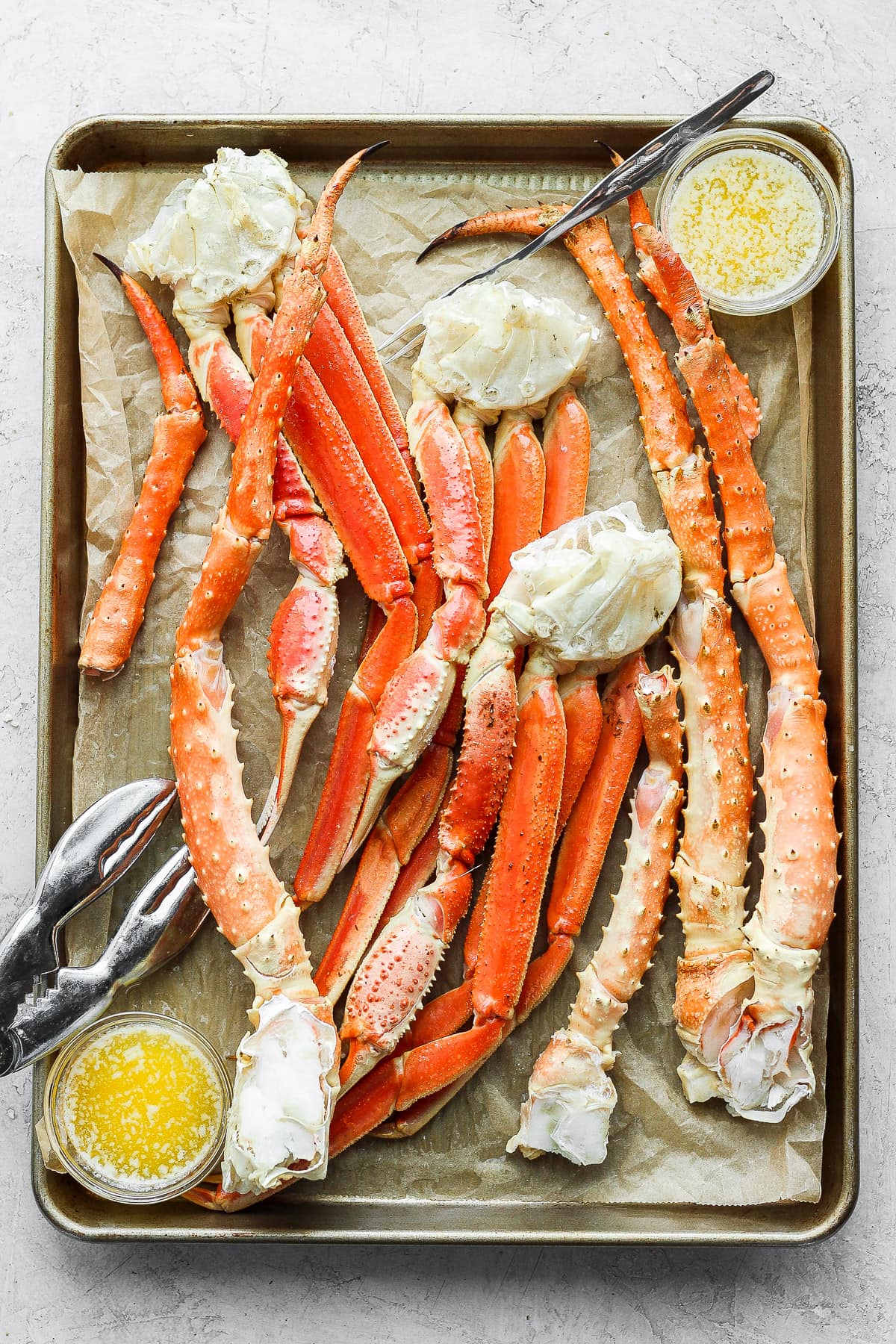
- Arrange the crab legs in a single layer on a baking sheet. If you’re reheating a lot, you can overlap them slightly, but try not to pile them up.
- Add moisture. This is the key step most people miss. Pour about ½ cup of water (or chicken broth for more flavor) into the bottom of the baking pan. The steam will keep the crab legs moist.
- Cover with aluminum foil. Seal the foil tightly around the pan, making sure there are no gaps. The foil traps steam and heat, helping the crab legs reheat evenly.
- Heat in the oven for 15–20 minutes. If the legs are very thick, add a few more minutes. If they were fully thawed, less time is needed.
- Check for doneness. Remove a crab leg and carefully crack it open. The meat should be hot all the way through, but not dry. If it’s not hot enough, reseal and heat for another 2–3 minutes.
- Brush with melted butter and a squeeze of lemon after heating. This final touch boosts both flavor and aroma.
If you want to get creative, you can add a splash of white wine to the pan with the water or broth for a more luxurious aroma. For a crowd, consider dividing the crab legs into two pans to avoid overcrowding and ensure even reheating.
Oven Reheating Time Table
Below is a simple reference for how long to reheat crab legs in the oven, depending on their size and if they are thawed or frozen:
| Crab Leg Size | Thawed | Frozen |
|---|---|---|
| Small/Medium (Snow crab) | 15–18 minutes | 20–25 minutes |
| Large (King crab) | 18–22 minutes | 25–30 minutes |
If you have a kitchen thermometer, the internal temperature should reach about 145°F (63°C) for safe and pleasant eating.
Tools And Equipment You Need
You don’t need fancy equipment, but the right tools make reheating and eating crab legs easier:
- Large baking sheet (or roasting pan)
- Aluminum foil (for sealing in moisture)
- Kitchen tongs (to handle hot crab legs safely)
- Kitchen scissors or crab crackers (to open shells)
- Basting brush (for melted butter)
- Oven mitts (for safety)
For serving, small seafood forks or picks help get all the meat out of the legs. If you enjoy crab legs often, investing in a good pair of crab crackers or shellers saves time and effort.
If you’re reheating a large batch, make sure your pan is big enough to lay the crab legs mostly flat. Overcrowding can lead to uneven heating.
Flavor-boosting Tips
Crab legs are delicious on their own, but a few extras can make your meal special.
Add Aromatics
Place lemon slices, garlic cloves, or fresh herbs like dill or parsley in the baking pan under the crab legs. As the crab heats, the steam will pick up these flavors and infuse the meat.
You can also try orange or lime slices for a different citrus note, or even a few sprigs of thyme for an earthy touch. These subtle flavors enhance the natural sweetness of crab without overpowering it.
Try Compound Butter
Mix softened butter with chopped garlic, herbs, or spices. Brush this on the crab legs before sealing with foil. As the butter melts in the oven, it soaks into the crab meat, adding richness.
A simple compound butter can be made with butter, finely grated lemon zest, a pinch of smoked paprika, and chopped chives. After reheating, use any leftover compound butter as a dipping sauce.
Spice Blends
Sprinkle a little Old Bay seasoning or Cajun spice on the crab legs before reheating for a punch of flavor. Be careful with salt—crab legs are naturally salty from the ocean.
If you like a little heat, a pinch of cayenne or a few dashes of hot sauce in the butter brings a spicy kick. Try different blends until you find your favorite combination.
Common Mistakes When Reheating Crab Legs In The Oven
Many people end up with dry or tough crab legs. Here’s how to avoid the most common errors:
- Skipping the water or broth in the pan. Without moisture, the crab legs will dry out.
- Not covering with foil. Heat escapes, and steam doesn’t build up. Always seal tightly.
- Overcooking. Crab legs are already cooked when you buy them. You’re just warming them. Too much time in the oven makes them rubbery.
- Using high heat. Anything over 375°F risks burning the shell and drying the meat.
- Reheating straight from frozen. For best results, thaw crab legs first. If you must reheat from frozen, add more time and check for doneness.
Also, don’t forget to let the crab legs “rest” for a minute after taking them out of the oven. The steam inside continues to gently warm the meat and helps keep it moist.
:max_bytes(150000):strip_icc()/GettyImages-157532566-2000-53a5bf46145b4ae2bc9bc600ad1d9372.jpg)
Credit: www.southernliving.com
Differences Between Oven And Other Reheating Methods
There are several ways to reheat crab legs: steaming, boiling, microwaving, grilling, or using the oven. Each method has pros and cons.
| Method | Texture | Flavor | Best For |
|---|---|---|---|
| Oven | Juicy, not rubbery | Preserved, easy to add flavor | All types, especially large batches |
| Steaming | Very moist | Natural taste, less added flavor | Single or small servings |
| Boiling | Can get waterlogged | Some flavor lost | Quick, but not ideal |
| Microwaving | Often uneven, can be rubbery | Best for emergencies only | Very small servings, last resort |
| Grilling | Can dry out if not careful | Smoky flavor | Outdoor meals, adds grill marks |
The oven method stands out for its balance of flavor, texture, and convenience. It’s also the easiest way to add extra ingredients like butter or herbs without making a mess.
Steaming is fast and great for one or two people but doesn’t allow for much added flavor. Boiling is easy but can wash out the crab’s natural sweetness. Microwaving is fast but unreliable—parts of the crab may end up cold or overcooked.
How To Serve Reheated Crab Legs
Once your crab legs are hot and ready, presentation and sides make the meal complete.
Cracking And Eating Tips
Use kitchen scissors or crab crackers to open the shells. Pull out the meat gently, so it doesn’t break into small pieces. Have a bowl for shells and a finger bowl with lemon water for easy cleanup.
If serving guests, provide extra napkins and small forks or picks. This helps everyone enjoy the meal with less mess. A little practice opening crab legs goes a long way—try twisting the joints gently before using a cracker.
Best Side Dishes
Crab legs pair well with several sides. Try:
- Steamed vegetables (like asparagus or broccoli)
- Garlic bread or crusty baguette
- Coleslaw for a fresh, crisp bite
- Corn on the cob with butter
- Baked potatoes or rice pilaf
A simple salad with a citrus vinaigrette can balance the richness of the crab. For a special dinner, try roasted Brussels sprouts or a creamy risotto.
Offer classic dipping sauces like melted butter, garlic butter, or cocktail sauce. Lemon wedges add brightness to each bite.
Expert Insights: What Beginners Often Miss
Two details often surprise people new to reheating crab legs:
- Crab legs are already cooked. Most crab legs are pre-cooked and then frozen at sea. You don’t need to cook them again, just warm them through. Overcooking ruins their texture.
- Shells protect the meat. Heating crab legs in their shells helps keep the meat moist and flavorful. If you remove the shells before reheating, the meat dries out much faster. Always reheat with shells on.
Another smart move: save the shells after eating. They can be used to make a delicious seafood stock for soups, risottos, or sauces.
Beginners sometimes forget that the flavor of crab is delicate. Adding too many strong spices or sauces can mask its natural sweetness. Start simple, and add more flavor only if you want.
What To Do With Leftover Reheated Crab Legs
If you have leftover crab legs, don’t throw them away. The meat can be removed and used in:
- Crab cakes
- Seafood salads
- Pasta dishes
- Sushi rolls
- Crab dip
Leftover crab is also great in fried rice or added to scrambled eggs for a quick breakfast treat. If you like Asian flavors, toss the meat with soy sauce, ginger, and a little sesame oil for a simple crab stir-fry.
Store any leftover crab meat in an airtight container in the fridge for up to two days. For longer storage, freeze the cooked meat (not the shells) in a sealed bag with as little air as possible.
Food Safety And Storage Tips
Seafood can spoil quickly if not handled properly. Here’s how to keep your crab legs safe and tasty:
- Don’t leave cooked crab legs at room temperature for more than two hours.
- Store leftovers in the refrigerator as soon as possible.
- Eat reheated crab legs within two days for best flavor and safety.
- Reheat only once. Each reheating reduces quality and increases risk of bacteria.
If the crab meat smells sour, feels slimy, or has an off taste, discard it. When in doubt, throw it out.
For extra safety, keep a cooler with ice packs if you’re transporting leftover crab legs from a restaurant or picnic.
Creative Ways To Use Reheated Crab Legs
If you want to go beyond just eating plain crab legs, try these ideas:
- Crab leg tacos: Fill soft tortillas with crab meat, avocado, and fresh salsa.
- Seafood soup: Add crab meat to a tomato or cream-based soup for extra richness.
- Crab melt sandwich: Mix crab meat with mayonnaise, pile onto bread, top with cheese, and broil until bubbly.
- Crab omelet: Fold chopped crab into eggs with scallions and cheese.
You can also sprinkle crab meat on a homemade pizza or add it to a seafood lasagna for a special dinner. Crab and corn chowder is another warming, crowd-pleasing option.
These recipes make good use of any extra crab and keep your meals interesting.
Nutrition Facts: Crab Legs
Crab legs are a healthy seafood option—low in calories, high in protein, and rich in minerals.
| Nutrition per 3 oz (85g) | Snow Crab | King Crab |
|---|---|---|
| Calories | 90 | 82 |
| Protein (g) | 18 | 16 |
| Total Fat (g) | 1.2 | 1.3 |
| Sodium (mg) | 539 | 911 |
| Cholesterol (mg) | 50 | 45 |
Crab legs are also a good source of zinc, copper, and vitamin B12. However, they can be high in sodium, especially if pre-cooked with salty water, so those on a low-sodium diet should eat them in moderation.
People looking for lean protein will appreciate that crab meat is naturally low in fat and almost free of carbs. It’s a great choice for low-calorie or high-protein diets.
Sustainable Seafood Choices
When buying crab legs, look for products labeled as sustainably sourced. Overfishing and poor practices can harm crab populations and ocean health. The Marine Stewardship Council (MSC) label or other eco-certifications are good signs. You can learn more about sustainable seafood at the Monterey Bay Aquarium Seafood Watch website.
Supporting responsible fisheries helps keep crab available for future generations. If you shop at a fish market, don’t hesitate to ask where the crab comes from and how it was harvested.
Credit: thewoodenskillet.com
Frequently Asked Questions
How Do I Reheat Crab Legs Without Drying Them Out?
The best way is to add some water or broth to your baking pan and cover the crab legs tightly with aluminum foil. The steam keeps them moist. Don’t overheat—just warm them through at 350°F for 15–20 minutes.
Can I Reheat Crab Legs More Than Once?
It’s not recommended. Reheating more than once reduces quality and raises the risk of bacteria. Only heat what you plan to eat, and store leftovers safely.
What’s The Difference Between King Crab And Snow Crab Legs?
King crab legs are thicker, have more meat, and are usually more expensive. Snow crab legs are thinner, sweeter, and easier to crack open. Both can be reheated in the oven using the same method, but king crab may need a few extra minutes.
Can I Season Crab Legs Before Reheating?
Yes! You can brush the legs with melted butter, sprinkle spices, or add lemon slices to the pan before covering and baking. The seasoning will infuse the meat as it warms.
Is It Safe To Eat Cold Crab Legs?
Yes, as long as they were cooked and stored properly. Some people enjoy cold crab in salads or sushi. But for the best taste and texture, reheating is usually preferred.
Enjoying crab legs at home is easy when you know the right steps. With these oven reheating techniques, you’ll get juicy, flavorful crab legs that taste just as good as when they were first cooked. Whether you’re serving a crowd or just treating yourself, the oven method is reliable, flexible, and perfect for adding your own twist.
Next time you have leftovers, you’ll know exactly what to do for a restaurant-quality seafood meal.