
Keeping your kitchen clean is not just about wiping counters and washing dishes. One area that many people forget is the kitchen floor mats. These mats catch crumbs, oil, and spills every day. Over time, they can hold bacteria, smells, and even mold. A dirty mat can make your kitchen look and feel unhygienic, no matter how clean the rest of the space is. Cleaning kitchen floor mats well is important for your health and for the look of your home. But not everyone knows how to do it right.
Many people just shake their mats or use a quick spray. However, a deep clean can make a big difference. There are different types of kitchen mats, and each one needs a little different care. Some mats are rubber, some are fabric, and some are made to stop slipping.
Some can go in the washing machine, but others will get ruined that way. This guide will walk you through every step, from the quick daily clean to the deep clean that removes tough stains and smells. You’ll learn what tools and products to use, and how to keep your mats looking new.
Let’s dive in and discover how to clean kitchen floor mats the right way, making your kitchen safer and fresher for everyone.
Why Clean Kitchen Floor Mats Matter
It’s easy to ignore the mats on the kitchen floor. But these mats do a lot of work. They catch drops of oil, bits of food, and water from your shoes. If you don’t clean them, dirt builds up. Here are some reasons why clean kitchen mats are important:
- Health and hygiene: Mats can hold bacteria, germs, and mold. If you do not clean them, they can spread sickness.
- Kitchen safety: Wet or greasy mats can be slippery. A clean mat helps stop slips and falls.
- Odor control: Old stains and spills can smell bad. Washing your mats keeps the kitchen fresh.
- Mat lifespan: Dirt and grit can wear down your mats. Regular cleaning helps them last longer.
Types Of Kitchen Floor Mats
Not all kitchen mats are the same. The material and design make a big difference in how you clean them. Here are the main types of kitchen floor mats:
1. Rubber Mats
These are often used in home and commercial kitchens. Rubber mats are strong, water-resistant, and usually have holes for drainage. They are good for wet areas and easy to wipe down.
2. Fabric Mats
These mats, often called carpet mats or woven mats, are softer. They absorb spills and feel nice under your feet. Most can be washed, but some need special care.
3. Anti-fatigue Mats
Made with foam or gel, anti-fatigue mats are designed to reduce stress on your feet and legs when you stand for a long time. They often have a smooth cover that needs gentle cleaning.
4. Vinyl Mats
Vinyl mats are thin, waterproof, and can have patterns or colors. They’re easy to wipe, but some cleaners can damage the surface.
5. Microfiber Mats
Microfiber mats are good at picking up small particles and are often machine washable. They dry fast but can hold onto oil and grease if not cleaned well.
Here’s a quick comparison of common kitchen mat types and their cleaning needs:
| Type | Main Feature | Best Cleaning Method | Can Be Machine Washed? |
|---|---|---|---|
| Rubber | Durable, water-resistant | Hose off, scrub, air dry | No |
| Fabric | Soft, absorbs spills | Vacuum, machine wash | Usually |
| Anti-fatigue | Comfort, supports feet | Wipe with mild cleaner | No |
| Vinyl | Colorful, waterproof | Wipe with damp cloth | Rarely |
| Microfiber | Traps dust, fast drying | Machine wash, air dry | Yes |
What You Need For Cleaning Kitchen Mats
Before you start, gather the right tools. You don’t need fancy equipment, but having the right items makes cleaning easier and safer.
- Vacuum cleaner or broom (for dust and crumbs)
- Mild dish soap
- White vinegar (for smells and bacteria)
- Baking soda (for stains and odor)
- Scrub brush (not too hard, to avoid damage)
- Bucket of warm water
- Old towels or rags
- Rubber gloves
- Garden hose (for outdoor cleaning of rubber mats)
- Enzyme cleaner (for stubborn organic stains)
- Washing machine (for fabric or microfiber mats)
- Spray bottle (for spot cleaning)
How Often Should You Clean Kitchen Floor Mats?
Cleaning frequency depends on how busy your kitchen is. For most homes, follow this simple schedule:
- Shake out or vacuum: Every 2–3 days, or daily if you cook a lot.
- Spot clean spills: As soon as they happen.
- Deep clean: Every 1–2 weeks for fabric or microfiber mats. Once a month for rubber or vinyl.
For commercial kitchens, mats may need daily deep cleaning. Always check the manufacturer’s label for special instructions.
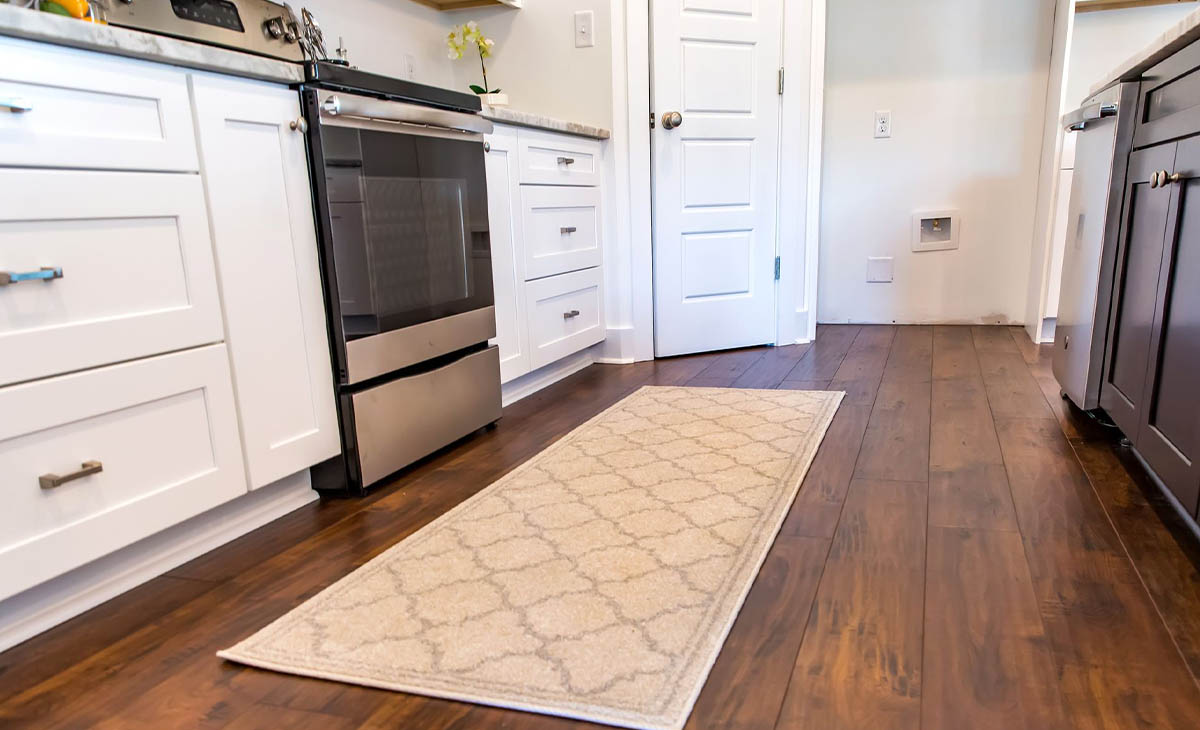
Credit: www.doormat.net.au
Quick Daily Cleaning Steps
If you clean mats a little bit every day, you won’t need to scrub as hard later. Here’s how to do a fast daily clean:
- Shake out the mat outside, or over a trash bin, to remove crumbs and loose dirt.
- Vacuum both sides of the mat to pick up dust and hair.
- Spot clean stains with a damp cloth and a drop of dish soap. Wipe away any spills right away.
- Let the mat dry before putting it back on the floor.
This routine takes less than five minutes but stops dirt from building up.
Deep Cleaning Kitchen Floor Mats: Step-by-step
Once or twice a month, your mats need more than a quick shake. Deep cleaning removes stains, grease, and odors. The steps are a bit different for each type of mat.
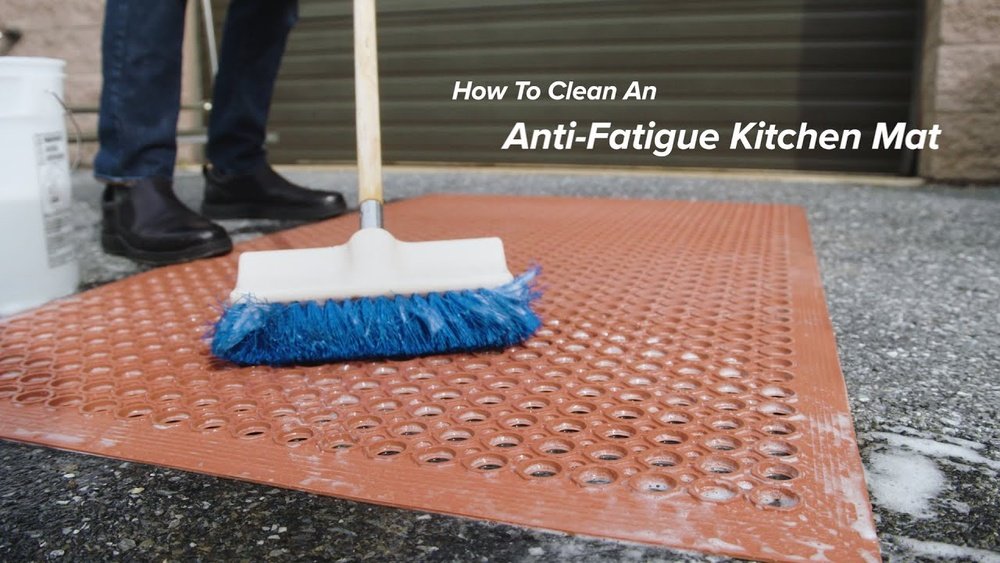
For Rubber Mats
- Take the mat outside. Place it on a flat surface.
- Rinse with a hose to remove loose dirt.
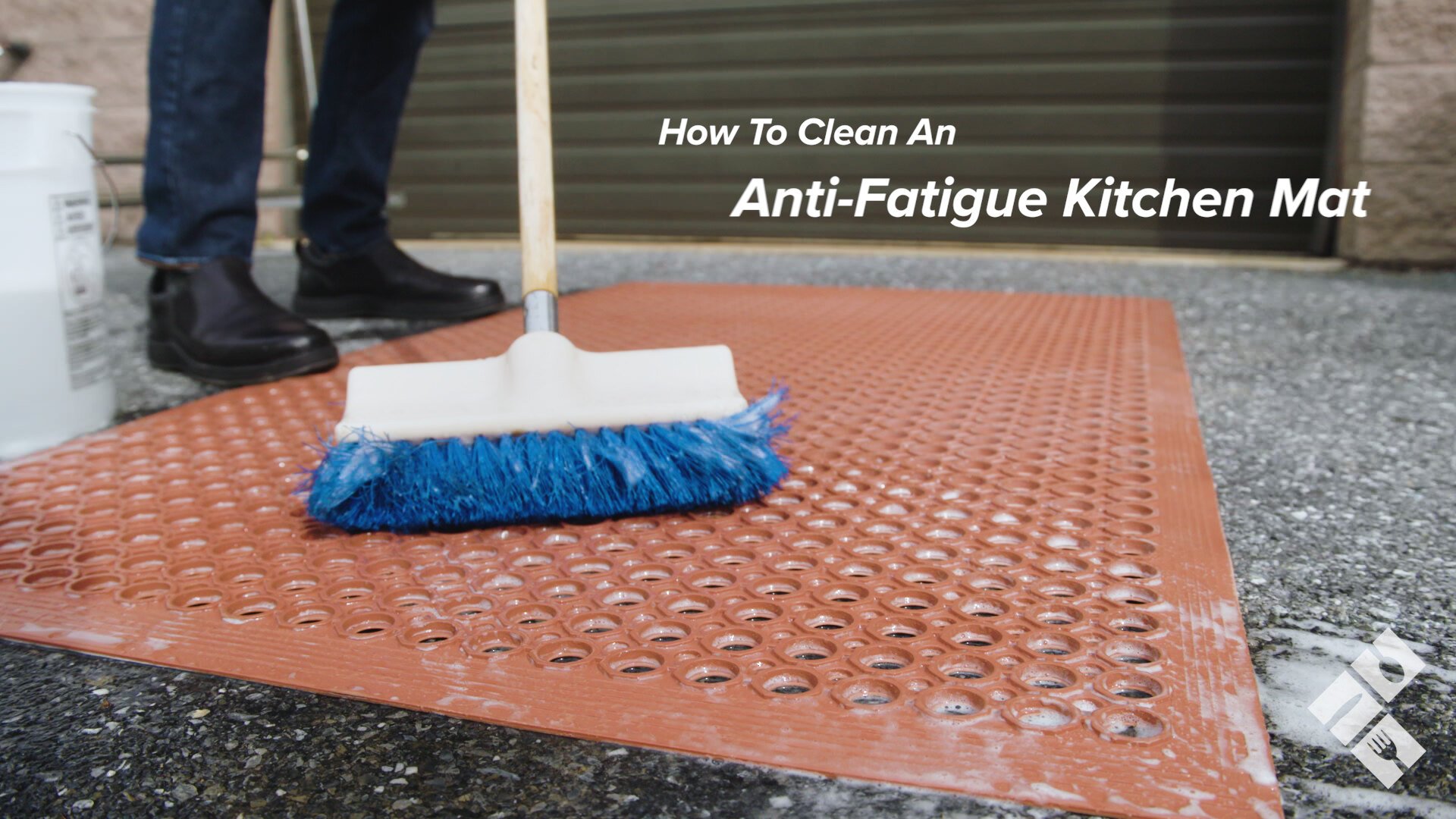
- Scrub with soapy water. Mix warm water with mild dish soap in a bucket. Use a soft brush or sponge. Scrub both sides, paying special attention to grooves or holes.
- Rinse well. Make sure all soap is gone.
- Disinfect. For extra cleaning, spray with a mix of half vinegar and half water. Let it sit for five minutes, then rinse again.
- Air dry fully. Hang the mat or lay it flat until completely dry.
Tip: Don’t use harsh chemicals like bleach. They can weaken rubber over time.
For Fabric Or Microfiber Mats
- Check the label. Most can go in the washing machine, but not all.
- Vacuum or shake out dust.
- Pre-treat stains. Sprinkle baking soda on oily spots, let it sit 15 minutes, then brush off. For colored stains, dab with a little vinegar.
- Machine wash on a gentle cycle with cold or warm water and mild detergent. Do not use bleach.
- Air dry. Avoid the dryer, as heat can shrink or damage the mat.
Non-obvious insight: Add a half-cup of white vinegar to the rinse cycle for extra odor control. It also softens the fibers.
For Anti-fatigue And Vinyl Mats
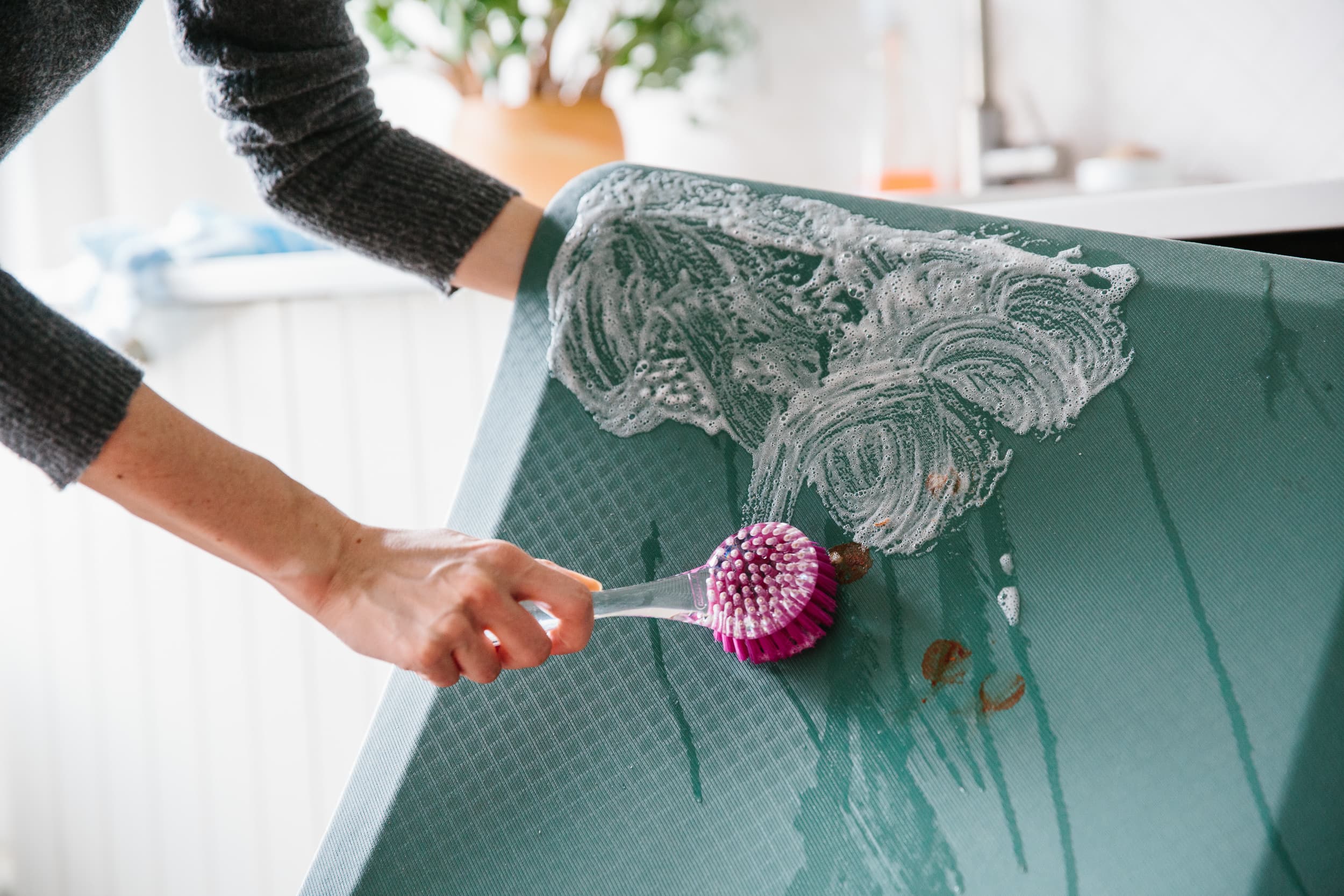
- Wipe with a damp cloth and a little dish soap. Do not soak these mats.
- Rinse the cloth and wipe again to remove soap.
- Dry with a towel or let air dry.
- For sticky messes, use a spray bottle with a mix of vinegar and water. Spray, wait two minutes, then wipe.
Practical tip: Never fold anti-fatigue mats to fit in a washer. The foam inside can break or lose shape.
How To Remove Stubborn Stains And Odors
Sometimes, a regular wash is not enough. Grease, tomato sauce, and coffee can leave tough marks. Here’s how to tackle them:
- Oil and Grease: Sprinkle baking soda on the stain. Let it sit at least 30 minutes to soak up oil. Scrub with a brush and a little dish soap.
- Food Color Stains: Mix equal parts vinegar and water. Dab on the stain, let sit 10 minutes, then blot with a clean towel.
- Odors: Sprinkle baking soda over the whole mat. Let it sit overnight, then vacuum or brush away. For strong smells, spray with vinegar, wait 10 minutes, then rinse.
For organic stains (like milk or egg), use an enzyme cleaner. These break down proteins and help remove both stains and smells.
Machine Washing Kitchen Mats: What To Know
Not every mat can go in the washing machine. Check the care label first. If the label is gone, remember these rules:
- Mats with a rubber or vinyl backing can break or peel in hot water or a dryer.
- Use cold or warm water only.
- Wash mats alone, not with clothes or towels.
- Use mild detergent, never bleach.
- After washing, hang to dry or lay flat. Do not use a dryer.
Here’s a side-by-side look at common mat types and their washing machine safety:
| Mat Type | Machine Washable? | Dryer Safe? |
|---|---|---|
| Microfiber | Yes | No |
| Fabric (cotton/polyester) | Yes | Low heat only |
| Rubber-backed | Sometimes (cold water, gentle cycle) | No |
| Anti-fatigue | No | No |
| Vinyl | No | No |
Credit: www.thekitchn.com
Natural Cleaning Solutions
You don’t need harsh chemicals to get mats clean. Many home ingredients work well and are safer for kids and pets.
- White vinegar: Cuts grease and kills many bacteria.
- Baking soda: Lifts stains and absorbs odors.
- Mild dish soap: Removes dirt without damaging materials.
- Lemon juice: Helps with tough stains and smells.
Example natural cleaning mix: Add 1/2 cup vinegar and a few drops of dish soap to a bucket of warm water. Use this for scrubbing mats instead of strong cleaners.
Drying And Storing Clean Mats
How you dry your mats matters as much as washing them. Wet mats can grow mold or mildew, especially in humid kitchens.
- Hang mats outdoors if possible, for fresh air drying.
- Lay mats flat in a sunny spot to dry both sides.
- Avoid dryers for rubber, vinyl, or anti-fatigue mats.
When not in use, roll up mats instead of folding them. This keeps foam or rubber inside from cracking.
Common Mistakes When Cleaning Kitchen Floor Mats
Even with the best intentions, it’s easy to make mistakes that shorten your mat’s life. Here are common errors to avoid:
- Using too much soap: Extra soap can leave sticky residue, which attracts more dirt.
- Skipping the rinse: If you leave soap on mats, they can become stiff or discolored.
- Not drying fully: Damp mats are a perfect place for mold.
- Washing all mats the same way: Each material needs different care.
- Putting mats in the dryer: Heat can melt rubber or shrink fabric.
- Using bleach: Bleach can break down mat fibers and fade colors.
Non-obvious insight: Even natural cleaners like vinegar can damage certain anti-fatigue or foam mats if used too often. Always test a small spot first.
How To Clean Commercial Kitchen Floor Mats
If you work in a restaurant or have a large home kitchen, mats get dirty fast. Commercial mats are usually rubber or heavy-duty vinyl. Here’s a method used by many professional cleaners:
- Remove mats at the end of each shift.
- Rinse with a high-pressure hose outside or in a mop sink.
- Apply degreaser (safe for rubber) and scrub with a stiff brush.
- Let sit for five minutes.
- Rinse thoroughly.
- Hang to dry overnight.
Tip: Rotate mats so each one has time to dry fully. This prevents mold and keeps mats from smelling.
For more details on commercial kitchen safety, the OSHA website has extra guidelines.
How To Keep Kitchen Floor Mats Cleaner, Longer
Regular cleaning is important, but a few good habits can keep mats fresh between washes.
- Wipe up spills right away.
- Ask everyone to remove shoes before entering the kitchen if possible.
- Place mats in high-traffic areas only, to reduce wear.
- Rotate mats every few weeks to spread out the use.
- Vacuum around the mats as well as on top, to stop dirt from building up under the edges.
Signs It’s Time To Replace Your Kitchen Floor Mat
Even the best mat will not last forever. Cleaning helps, but if you see these signs, it’s time for a new one:
- Cracks or splits in rubber or foam
- Permanent stains that do not wash out
- Strong smells that return after cleaning
- Edges curling up (can cause tripping)
- Mat feels thin or less cushioned than before
Replacing old mats helps keep your kitchen safer and cleaner.
Eco-friendly Tips For Cleaning Kitchen Floor Mats
If you want to clean mats in an environmentally friendly way, try these ideas:
- Use homemade cleaners (vinegar, baking soda, lemon juice).
- Wash mats with other laundry to save water.
- Air dry mats instead of using electricity for dryers.
- Choose mats made from recycled or natural materials.
Real-life Examples: Cleaning Different Kitchen Mats
Let’s look at how people clean different mats at home:
Example 1: Rubber Mat in a Busy Family Kitchen
Maria has a rubber mat by her sink. Every night, she takes it outside, shakes off crumbs, and hoses it down once a week. She scrubs it with a brush and dish soap, then leaves it to air dry. Once a month, she sprays it with vinegar and rinses again.
Her mat stays odor-free, and her kids don’t slip.
Example 2: Fabric Mat in a Small Apartment
David uses a woven mat in front of his stove. He vacuums it every few days and washes it in the machine every two weeks. He uses a gentle cycle and hangs it on his balcony to dry. For coffee spills, he dabs the spot with vinegar and water before washing.
His mat looks new after a year of use.
Example 3: Anti-Fatigue Mat in a Home Bakery
Jenna spends long hours baking. Her anti-fatigue mat gets flour and butter on it. She wipes it every night with a damp cloth and a little soap. For tough spots, she uses a soft sponge and mild cleaner. She never folds or soaks the mat.
It still feels soft and supportive after months of use.
Safety Tips When Cleaning Kitchen Floor Mats
- Always wear gloves when using cleaners, especially for stains or heavy-duty mats.
- Clean mats outdoors when possible to avoid getting floors wet and slippery.
- Rinse all soap or cleaner off completely to prevent residue.
- Do not use strong chemicals near food preparation areas.
- Make sure mats are dry before placing them back on the floor.
Frequently Asked Questions
How Do I Clean A Greasy Kitchen Floor Mat?
For greasy mats, sprinkle baking soda on the greasy area and let it sit for 30 minutes. Scrub with a brush and dish soap, then rinse well. For rubber mats, use a hose for best results. For fabric mats, treat the stain before machine washing.
Can I Put My Kitchen Floor Mat In The Washing Machine?
Many fabric and microfiber mats are machine washable. Check the care label first. Do not wash rubber, vinyl, or anti-fatigue mats in the machine, as this can damage them.
What Is The Best Way To Dry Kitchen Floor Mats?
The best method is to air dry mats outside or in a well-ventilated area. Hang them or lay them flat. Avoid using a dryer, especially for rubber or foam mats, as heat can cause damage.
How Do I Remove Odor From My Kitchen Mat?
Sprinkle baking soda over the mat, let it sit overnight, then vacuum or shake it off. For strong odors, spray with a mix of vinegar and water, wait 10 minutes, then rinse and dry.
How Often Should I Deep Clean My Kitchen Floor Mats?
For most homes, deep clean mats every 1–2 weeks. In busy kitchens, or if you cook often, clean them weekly. For commercial kitchens, deep cleaning is often needed daily.
Cleaning kitchen floor mats may seem like a small task, but it has a big impact on your kitchen’s cleanliness and safety. With the right tools and regular care, your mats can last longer, look better, and help keep your home healthier.
Start today—your feet and your family will thank you!
Credit: www.webstaurantstore.com