
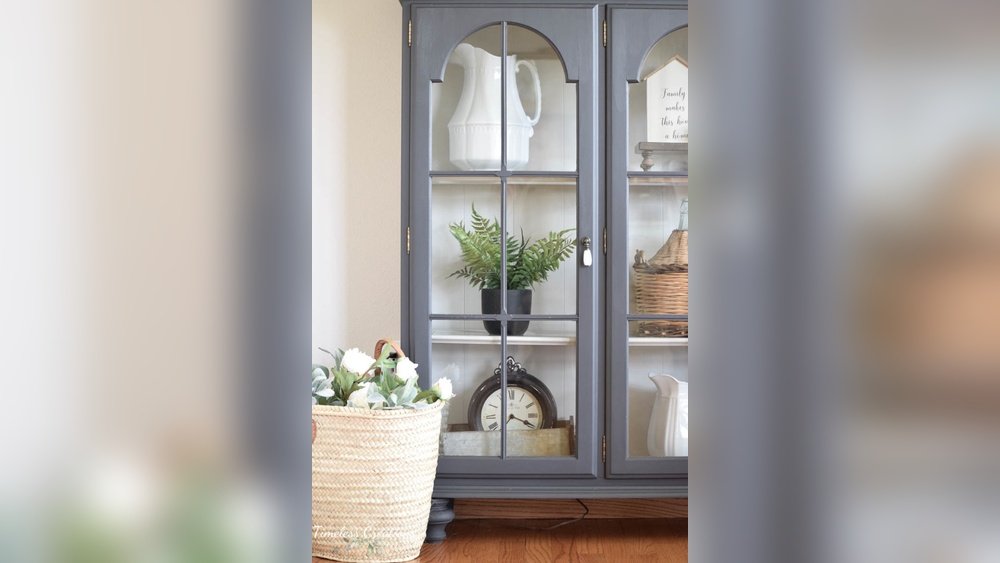
Decorating a hutch can transform an ordinary piece of furniture into a stunning centerpiece for your home. Whether you have a vintage hutch passed down through generations or a modern one from a popular store, how you style it makes a big difference.
Many people feel overwhelmed when they face those empty shelves and glass doors, unsure where to begin or how to make everything look balanced and beautiful. The good news? Anyone can decorate a hutch with style and confidence using some practical strategies and a keen eye for detail.
A well-decorated hutch does more than display dishes or trinkets—it tells a story about your home and your personality. For many, a hutch is one of the first things guests see in the dining room, kitchen, or living space. It can showcase your favorite collections, hold practical items, and add warmth to your daily life.
Still, most people only scratch the surface, lining up a few plates or glasses and calling it done. With the right approach, your hutch can become a highlight that draws compliments and brings you joy every day.
This guide walks you through every step, from choosing a style and color palette to arranging objects, mixing shapes and heights, and adding those finishing touches that make your hutch unique. Along the way, you’ll get practical tips, real-life examples, and some lesser-known tricks that even beginners can use.
By the end, you’ll know exactly how to decorate a hutch, avoid common mistakes, and create a look that feels collected—not cluttered.
Understanding Your Hutch
Before you start adding decor, it’s smart to know your hutch inside and out. Every hutch is different in size, shape, and function. Some have glass doors, others are open. Some have drawers or cabinets below, while some are all shelves.
Take a few minutes to study your hutch. Notice its best features and any areas you want to hide or highlight.
Think about these aspects:
- Size and scale: A large, tall hutch can handle more items and bigger pieces, while a small one needs lighter, airier styling.
- Material and finish: Is your hutch wood, painted, or metal? Natural wood adds warmth; painted hutches can be bold or subtle.
- Function: Do you need the hutch for storage, display, or both? Will you use it daily, or is it more decorative?
Write down what you like about your hutch and what you wish were different. This helps you set clear goals before you begin.
Choosing A Style And Theme
The style you choose sets the mood for your entire hutch and, often, the room around it. Are you drawn to farmhouse coziness, modern minimalism, vintage charm, or eclectic collections? Picking a clear theme prevents your hutch from feeling random or messy.
Some popular hutch decorating styles:
- Farmhouse: Uses white dishes, rustic wood pieces, and simple greenery. Works well with shiplap or distressed finishes.
- Modern: Features clean lines, glassware, and a limited color palette. Less is more in this style.
- Vintage/Antique: Mixes old china, glass bottles, and collectibles. Layered and collected over time.
- Coastal: Light colors, shells, driftwood, and blue accents create a relaxed, airy feel.
- Eclectic: Combines many styles, colors, and items that mean something personal.
If you’re unsure, look around your home and notice the items you already love. Match your hutch style to your overall decor for a seamless look.
Deciding On A Color Palette
A unified color palette keeps your hutch looking polished, not chaotic. Most designers suggest sticking to two or three main colors, plus a few neutrals. This doesn’t mean everything must match exactly, but colors should work together.
Tips for creating a color palette:
- Start with neutrals: White, cream, gray, and wood tones make a good base.
- Add one or two accent colors: Choose shades from nearby rooms for harmony.
- Repeat colors: Place similar colors at different heights and sides of the hutch for balance.
For example, if your kitchen is blue and white, use mostly white dishes with blue accents and maybe a pop of green from a plant. This creates a pulled-together look.
Gathering Items To Display
Now comes the fun part: choosing what to put on your hutch. Many people think hutches are only for dishes, but they can hold so much more. The best hutches mix practical and decorative pieces.
Consider these categories:
- Dishes: Plates, bowls, cups, and serving pieces
- Glassware: Wine glasses, pitchers, or vases
- Collectibles: Figurines, pottery, or small sculptures
- Books: Cookbooks, vintage hardcovers, or art books
- Plants: Small potted plants or faux greenery
- Baskets and boxes: For storage and texture
- Frames and art: Lean small pictures or artwork against the back
Try to gather more items than you think you’ll need. It’s easier to edit down than to come up short.
Declutter And Clean
Before you add anything to your hutch, give it a fresh start. Remove all old items, wipe down every shelf, and check for any repairs needed. Dust, fingerprints, or chipped paint can make even the prettiest decor look less appealing.
While cleaning, sort through your items and only keep what you truly love or need. Donate or store the rest. A common beginner mistake is overcrowding a hutch with too much stuff. Less can often be more.
Arranging Items: The Basics
Arranging a hutch is like creating a mini art display. Balance, height, and variety are key. Here’s a step-by-step approach:
- Start with the largest items: Place big platters, serving bowls, or tall vases at the back. These anchor the display.
- Layer in medium pieces: Stack plates, add books, or line up cups in front of the large items.
- Fill gaps with small objects: Candlesticks, figurines, or small plants work well.
- Mix heights and shapes: Vary tall and short pieces to keep the eye moving.
- Leave breathing room: Space between items prevents a crowded look.
Step back every so often and view your hutch from a distance. Adjust anything that looks off-balance.

Credit: www.cottageonbunkerhill.com
Creating Visual Balance
A balanced hutch looks good from every angle. You don’t want all heavy or colorful pieces on one side. Use these tricks for better balance:
- Mirror arrangements: If you have a big item on the left, place a similar-sized item on the right.
- Triangle shapes: Group items in threes, forming a triangle with tall at the back, medium in the middle, and small in front.
- Spread out colors: Don’t cluster all blues on one shelf—scatter them throughout.
Here’s a quick comparison of ways to create visual balance:
| Balance Method | When to Use | Benefits |
|---|---|---|
| Mirrored Sides | Symmetrical hutches | Classic, formal look |
| Triangle Groupings | Odd collections | Natural, relaxed style |
| Color Distribution | Bold accent colors | Prevents visual “weight” |
Layering And Stacking
Layering adds depth and interest to your hutch. Instead of lining everything up, overlap pieces for a more collected feel.
How to layer:
- Lean plates or art at the back of the shelf, then place smaller objects in front.
- Stack plates or bowls to add height and texture.
- Overlap glassware and ceramics to create shadows and dimension.
Stacking isn’t just for dishes. Try stacking books, trays, or even small boxes for variety.
Mixing Materials And Textures
A hutch filled with only one type of item can look flat. Mixing materials and textures brings life to your display.
Combine:
- Glossy and matte surfaces: Glass with ceramics, shiny metals with rustic wood
- Soft and hard textures: Linen napkins or woven baskets with plates and cups
- Natural and man-made: Fresh greenery with porcelain, or wood with painted items
A mix of textures catches the light differently and keeps the eye interested.
Using Books And Art
Books and art aren’t just for living rooms. They add personality and color to a hutch.
Ideas for using books:
- Stack a few cookbooks horizontally to use as a riser for a vase or plant
- Line up vintage books vertically with a pretty bookend
- Place a single art book open to a beautiful page
For art:
- Lean small framed prints or postcards at the back of shelves
- Hang a tiny painting on the back wall of an open hutch (use removable adhesive)
- Mix black-and-white photos with colorful dishes for contrast
Adding Greenery And Nature
Plants bring freshness and warmth to any display. Even one or two small pots can make your hutch feel more alive.
Good plant choices:
- Succulents: Small, low-maintenance, and tidy
- Herbs: Great for kitchen hutches—try basil, thyme, or mint
- Pothos or ivy: Trailing vines soften hard edges
If you don’t have a green thumb, faux plants or even a bowl of fruit can add a natural touch. Change plants seasonally for an easy refresh.
Displaying Collections
Many people use a hutch to show off collections—dishes, teapots, mugs, or pottery. The trick is to display them without looking cluttered.
Tips for collections:
- Group similar items together, but not all in a row. Vary heights and stack some pieces.
- Limit the number on display. Store extras and rotate them throughout the year.
- Use risers or stands to make smaller items more visible.
For example, if you love teacups, show three or five favorites (odd numbers look best) and arrange them with saucers at different levels.
Using Storage Baskets And Boxes
Not everything in your hutch has to be on display. Baskets and boxes help hide clutter and add texture.
How to use them:
- Place a woven basket on a bottom shelf for napkins or linens
- Use small decorative boxes for flatware, napkin rings, or keepsakes
- Label baskets if you store items you need often
Choose baskets and boxes that match your style—wicker for farmhouse, metal for modern, or painted for vintage.
Playing With Height And Scale
A common beginner mistake is using all items the same size. Varying height and scale makes the display more dynamic.
Ways to add height:
- Stand plates upright at the back (use plate stands)
- Use a stack of books as a riser for a vase
- Add tall candlesticks or pitchers
- Hang a wreath or garland above the hutch
For scale, mix large serving pieces with tiny collectibles for contrast. Don’t be afraid to leave some empty space—it gives the eye a place to rest.
Seasonal And Holiday Decorating
Your hutch is the perfect spot for seasonal touches. Swapping out a few items for each season keeps things fresh and fun.
Easy seasonal ideas:
- Spring: Add pastel dishes, tulips, or faux eggs
- Summer: Use bright colors, lemons, or seashells
- Fall: Display pumpkins, wheat, or amber glassware
- Winter: Add pinecones, evergreen sprigs, or red accents
For holidays, hang a small wreath, add festive mugs, or use themed linens. Don’t overhaul everything—just change a few key pieces.
Lighting Your Hutch
Lighting can take your hutch from ordinary to wow. Good lighting highlights your favorite pieces and adds warmth.
Options include:
- LED puck lights: Stick-on, battery-powered, and easy to hide under shelves
- Fairy lights: Add a soft glow, especially at night
- Candles or lanterns: For a cozy, vintage touch
Be careful with real flames in closed spaces. LED candles are a safe and pretty alternative.
Personal Touches And Sentimental Items
A hutch is more than just a display—it’s a place for memories and stories. Include a few personal items that make you smile.
Examples:
- Grandma’s teapot or a set of inherited dishes
- Souvenirs from travels, like a small bowl or piece of art
- A family photo in a pretty frame
Mix these pieces with your decor to create a hutch that feels truly yours.
Editing And Final Details
After you’ve arranged everything, step back and look at your hutch. Does anything look crowded or off-balance? Editing is as important as decorating.
Editing tips:
- Remove one or two items from each shelf for a lighter feel
- Move pieces around until you like the look from every angle
- Clean fingerprints or dust as needed
Take a photo and view it on your phone. Sometimes, things you miss in person stand out in a photo.
Common Mistakes To Avoid
Even experienced decorators make mistakes with hutches. Avoid these pitfalls:
- Overcrowding: Too many items look messy. Leave space for the eyes to rest.
- Ignoring scale: Mixing only small or only large items can look boring.
- Lack of color plan: Random colors can create chaos.
- Flat arrangement: Lining everything in a row feels stiff. Layer and stagger.
- Neglecting cleaning: Dust, fingerprints, or chipped paint ruin the effect.
If you catch one of these, don’t worry—just adjust and try again.
Real-life Examples
Seeing how others decorate their hutches can spark new ideas. Here are a few real-life examples:
- A vintage hutch with white ironstone dishes, old silver, and green plants for a farmhouse look
- A sleek, black hutch with glass shelves, modern vases, and gold accents for a chic, minimalist style
- A coastal-themed hutch using blue-and-white plates, driftwood, and a bowl of shells
Notice how each uses color, balance, and layering for a pulled-together look.

Credit: justagirlandherblog.com
Decorating A Hutch For Different Rooms
Hutches aren’t just for dining rooms. Here’s how to style them for other spaces:
| Room | Hutch Use | Decor Suggestions |
|---|---|---|
| Kitchen | Everyday dishes, cookbooks, herbs | Mix bowls, mugs, small baskets |
| Living Room | Books, art, collectibles | Add vases, framed photos, plants |
| Entryway | Keys, mail, seasonal decor | Use trays, baskets, a mirror |
| Bedroom | Bedding, jewelry, keepsakes | Store linens, display perfume bottles |
Choose items that fit the room’s purpose and style.
Updating Your Hutch Over Time
Your hutch doesn’t have to stay the same forever. In fact, the best hutches evolve with your tastes and needs.
Ways to update:
- Swap out decor for each season or holiday
- Rotate collections to keep displays fresh
- Repaint or refinish the hutch for a whole new look
- Add new hardware, like knobs or pulls, for a quick update
If you ever feel bored with your hutch, try moving things around or shopping your home for new inspiration.
Advanced Tips And Non-obvious Insights
Here are two insights many beginners miss:
- Use the back of the hutch to add style: Try peel-and-stick wallpaper, a painted accent color, or beadboard at the back of your hutch. This makes even simple items pop.
- Think about viewing angles: If your hutch is visible from a doorway or hallway, style the shelves so they look balanced from the side as well as the front.
Another advanced tip: Group items by function as well as style. Place all coffee mugs together or keep baking items on one shelf for both beauty and convenience.
Maintaining And Cleaning Your Hutch
A beautiful hutch needs regular care. Dust often, wipe glass with a soft cloth, and polish wood as needed. If you use your hutch for dishes, make sure everything is clean and ready to use. Rotate items so nothing sits for too long and gets forgotten.
Check for any signs of wear—loose hinges, sticky drawers, or chipped paint—and fix them quickly. A well-cared-for hutch lasts for years and keeps looking its best.
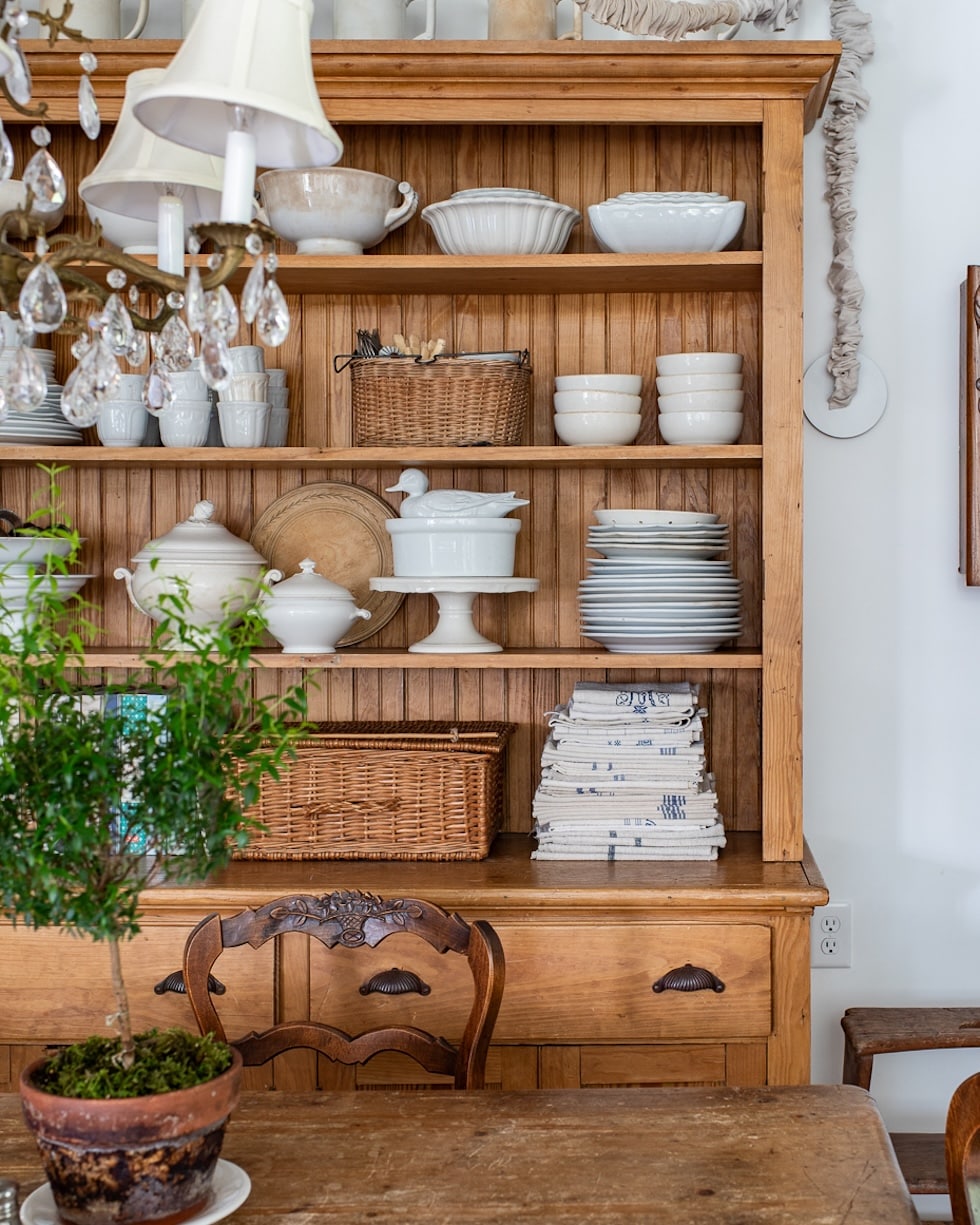
Credit: theinspiredroom.net
Where To Find Inspiration
If you’re ever stuck, look for inspiration in magazines, social media, or even museums. Pinterest and Instagram are full of creative hutch displays. Save a few photos that catch your eye and try to copy the arrangement with your own items.
For more history and uses of hutches, you might find this page interesting: Wikipedia: Hutch (Furniture).
Frequently Asked Questions
How Do I Choose What To Display In My Hutch?
Start with items you use or love, such as favorite dishes, glassware, or collectibles. Choose a color palette and theme, then gather more items than you need. Edit down to avoid overcrowding, and mix practical pieces with decorative touches.
What If My Hutch Is Small Or Has Awkward Shelves?
Use fewer, larger items to avoid clutter. Stack or layer to make the most of vertical space. Small baskets or boxes help organize awkward spots. Consider removing a shelf or adjusting its height if possible.
How Can I Decorate A Hutch On A Budget?
Shop your own home first for dishes, books, or art. Use thrift stores and yard sales for unique finds. DIY risers from old books or boxes, and use faux greenery for affordable style.
How Often Should I Change The Decor In My Hutch?
There’s no fixed rule. Many people change decor seasonally or for holidays. If you get bored or something feels off, move things around or swap pieces with other rooms.
Can I Use A Hutch In A Modern Or Minimalist Home?
Absolutely. Choose a simple color palette, use fewer items, and focus on clean lines. Glass, metal, and neutral ceramics look great in modern settings. The key is editing—less is more.
A well-decorated hutch blends style, function, and personality. By choosing a theme, balancing color and shape, and adding personal touches, you can create a display you’ll love to see every day. Take your time, experiment with arrangements, and enjoy the process.
Your hutch can become one of the most beautiful—and practical—spots in your home.