
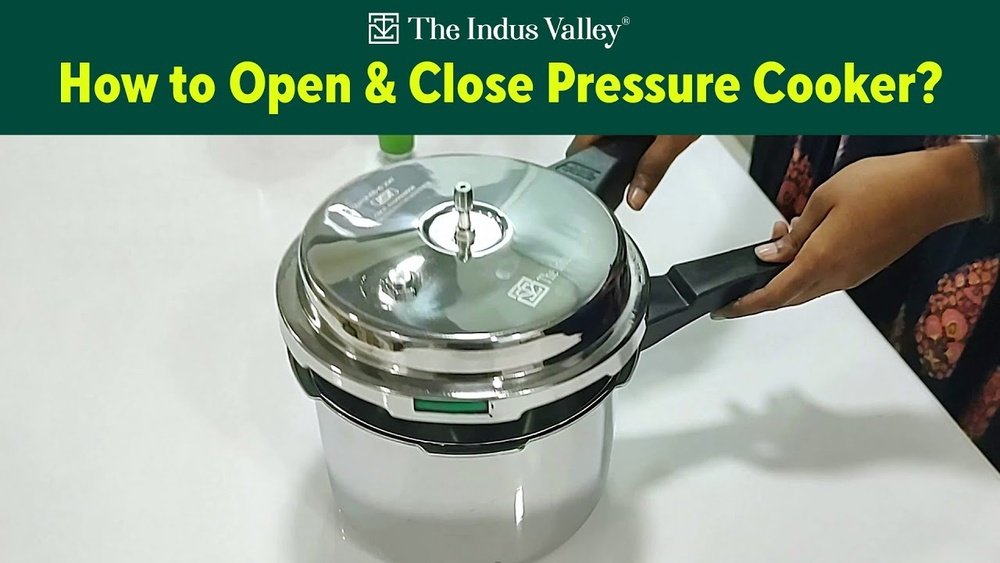
Opening a pressure cooker may look simple, but it can be dangerous if you don’t know the right steps. Every year, many home cooks get hurt because they try to open a pressure cooker too soon or don’t follow proper safety methods.
Pressure cookers are popular for cooking beans, rice, meat, and soups quickly, but they work by building up steam and pressure inside a sealed pot. If you open it at the wrong time, hot steam and food can spray out, causing burns or even kitchen accidents.
This guide will help you understand everything you need to know about how to open a pressure cooker safely. Whether you use a modern electric model or a classic stovetop version, you’ll learn the key steps, safety tips, and what to do if something goes wrong. We’ll also clear up common myths and share expert insights that most beginners miss. If you want to enjoy fast, tasty meals without any risk, keep reading for practical advice you can trust.
Why Pressure Cookers Need Careful Opening
Pressure cookers use high-pressure steam to cook food faster than regular pots. The sealed lid traps steam, raising the temperature inside above boiling point. This high pressure cooks food quickly and evenly, but it also makes the cooker dangerous if opened incorrectly. The pressure inside can be strong enough to push hot liquid and steam out forcefully. That’s why every step you take to open your pressure cooker matters.
Many new users are surprised at how much pressure builds up. Even after turning off the heat, steam and pressure may remain trapped for several minutes. Rushing this process is one of the most common mistakes and can lead to serious injuries.
That’s why manufacturers add safety valves and locking mechanisms, but you must still follow the right steps every time.
Types Of Pressure Cookers And Their Lids
Before you open your cooker, it helps to know which kind you have. There are two main types:
| Type | Features | Common Brands |
|---|---|---|
| Stovetop Pressure Cooker | Manual controls, heavier lid, whistles or weights to release steam | Presto, Hawkins, Fissler |
| Electric Pressure Cooker | Digital settings, automatic pressure release, safety lock | Instant Pot, Ninja Foodi, Crock-Pot Express |
Stovetop models often have a jiggle weight or whistle. You control the heat and must watch the pressure level yourself. Electric models have sensors and automatic release features but still require careful handling.
Each lid has its own locking system. Most will not let you open the lid until the pressure drops, but some older models may not have this safety. Always check your manual for details.
Basic Principles: How Pressure Cookers Build And Release Pressure
Understanding how your cooker works helps you open it safely. Here’s what happens:
- Sealing: The lid locks in place, creating an airtight seal with a rubber gasket.
- Heating: Water inside turns to steam, building up pressure.
- Cooking: High pressure raises the boiling point, cooking food faster.
- Pressure Release: When cooking is done, the pressure must be released before opening.
There are two main ways to release pressure:
- Natural Release: Let the cooker cool down on its own. Pressure drops slowly.
- Quick Release: Use a valve or button to vent steam quickly. Done carefully, this is faster.
Some recipes require natural release to keep food tender. Others use quick release for fast results.
Step-by-step: How To Open A Pressure Cooker Safely
Opening a pressure cooker the right way means following careful steps. Here’s a detailed process you should always use:
1. Turn Off The Heat
As soon as cooking time ends, turn off the stove or unplug the electric cooker. This stops pressure from building further.
2. Check Your Recipe
Some foods (like beans or large meat cuts) need natural pressure release. Others (like vegetables or pasta) can use quick release. Check your recipe instructions before continuing.
3. Choose A Pressure Release Method
Natural Release
- Leave the cooker alone after turning off the heat.
- Wait 10–30 minutes (depending on the amount of food and liquid).
- You’ll know pressure is gone when the safety valve drops or the lid unlocks.
- Don’t try to force the lid open during this time.
Quick Release
- Move the pressure release valve to “vent” or press the quick release button.
- Steam will come out quickly—keep your hands and face away.
- Wait until the steam stops completely and the safety pin drops.
- Only then, try to open the lid.
| Method | Time Needed | Best For |
|---|---|---|
| Natural Release | 10–30 minutes | Beans, tough meats, large batches |
| Quick Release | 1–3 minutes | Vegetables, seafood, delicate foods |
Pro tip: For large amounts of liquid or starchy foods, natural release is safer. Quick release can cause foaming or spitting if the pot is too full.
4. Wait For The Safety Indicators
Modern cookers have safety pins or locks that drop when pressure is gone. Never try to force the lid open before this. If your model doesn’t have a safety pin, wait until no steam is escaping and the lid turns easily.
5. Open The Lid Away From You
Once you’re sure pressure is released, gently turn the lid handle. Lift the lid slowly and tilt it away from your face and hands. This prevents any leftover steam from hitting you directly.
6. Let Food Settle
Sometimes, hot food or liquid can bubble up after opening. Let the pot sit for a minute before stirring or serving, especially with soups or beans.
Extra Steps For Older Or Non-electric Pressure Cookers
Older pressure cookers may not have all the safety features of modern ones. Here’s how to handle them:
- Always check that the pressure regulator (weight or whistle) has stopped moving.
- If unsure, run cold water over the lid (not the valve area) for a few seconds to help pressure drop. Only do this if your manual says it’s safe.
- Never use tools to force open a stuck lid. If the lid won’t open, there’s probably still pressure inside.
Expert insight: Some older cookers don’t have rubber gaskets or have worn-out seals. Check these parts regularly—old gaskets can fail and make opening the lid risky.
What To Do If The Lid Sticks
Sometimes, even after following all steps, the lid won’t open. Here’s what to do:
- Make sure the safety valve is down and no steam is escaping.
- Wait a few more minutes. Sometimes, pressure takes longer to drop.
- Gently wiggle the lid—don’t force it.
- If still stuck, let the cooker cool completely before trying again.
- Check the gasket and safety pin for stuck food or debris.
Non-obvious tip: Sticky foods like rice or beans can clog safety valves, keeping pressure trapped. Regularly clean the lid and valves after each use.
Common Mistakes When Opening A Pressure Cooker
Many beginners make the same errors when opening their pressure cookers. Avoid these pitfalls:
- Forcing the lid before pressure is gone. This can cause burns or explosions.
- Standing too close during quick release. Hot steam can cause serious injury.
- Not checking the safety pin or lock. Every model has a unique indicator—know yours.
- Ignoring recipe advice. Some foods foam or splatter more than others.
- Opening under a kitchen cabinet. Steam can damage wood or paint.
Safety Features That Protect You
Modern pressure cookers include several safety features:
- Locking mechanisms: Lids won’t open if pressure remains.
- Pressure release valves: Control steam release safely.
- Safety pins or floats: Show when it’s safe to open.
- Gaskets and seals: Prevent leaks.
But these are not foolproof. Regular maintenance and proper use are just as important.
Tips For Extra Safety
Even with good equipment, smart habits make a big difference. Here are some tips:
- Read your user manual before first use.
- Always inspect the gasket for cracks or damage.
- Keep valves clean and clear of food debris.
- Use proper amounts of water—never overfill.
- When in doubt, let the pot cool longer.
How To Open Different Brands Of Pressure Cookers
Each brand may have its own features. Here are examples for three popular brands:
Instant Pot
- Turn the steam release handle to “Venting” for quick release.
- Wait for the float valve to drop before opening.
- The lid will beep and unlock automatically when safe.
Presto
- Turn off heat and allow pressure to drop naturally, or use cold water on the lid.
- When the regulator stops rocking and the vent lock drops, turn the lid to open.
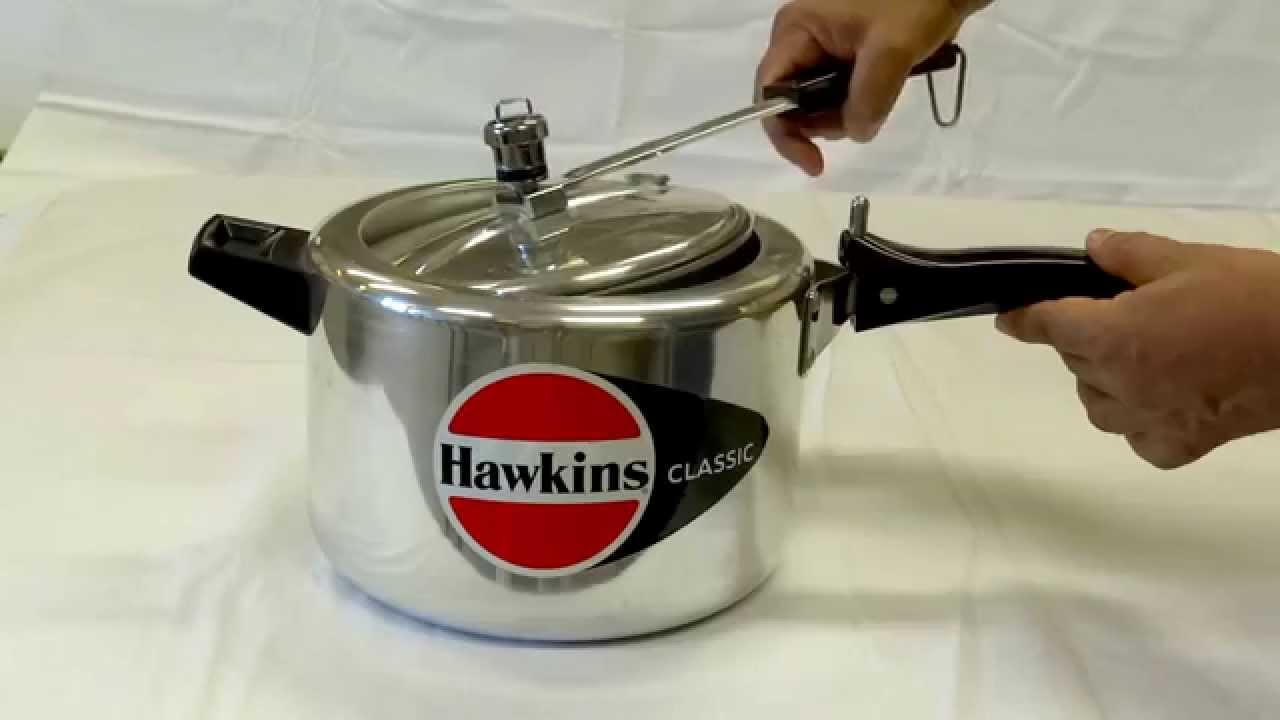
Hawkins
- Wait for the pressure regulator (whistle) to stop.
- Tap the handle slightly to check if pressure is gone.
- Open by lifting the lid away from you.
Note: Always check your brand’s manual for the exact method.
How To Tell If Pressure Is Fully Released
It’s not always clear when the pressure is gone. Here’s how to check:
- The safety pin or float drops down.
- No hissing or steam escapes when you move the valve.
- The lid turns easily without resistance.
- On older models, the weight or whistle is loose, not stiff.
Practical tip: Never rely just on time. Environmental factors (like altitude or temperature) can change how fast pressure drops.
What To Do If Pressure Won’t Release
If your cooker stays pressurized too long:
- Double-check that the heat is off.
- Wait 10–15 more minutes for natural release.
- For stovetop models, you can run the lid (not the vent) under cold water to speed up release.
- Never poke or force the safety valve—this can cause injury.
- If you think the valve is blocked, let the pot cool completely before opening.
Advanced insight: Starch from foods like lentils or pasta can block vents. Clean all parts thoroughly after each use to prevent this.

Credit: www.amazon.com
Cleaning And Maintenance After Opening
Proper cleaning helps keep your cooker safe for next time.
- Wash the lid, gasket, and valves after each use.
- Check for food residue in the vent or safety pin.
- For electric models, wipe the outside with a damp cloth—don’t submerge the base.
- Store the lid upside-down to keep the gasket fresh.
| Part | How to Clean | How Often |
|---|---|---|
| Lid | Wash with warm, soapy water | After every use |
| Gasket | Remove and hand-wash | Every use |
| Valve | Check for clogs, rinse out | Every use |
| Pot | Dishwasher or hand wash | Every use |
Extra tip: Replace your gasket every 1–2 years, or sooner if it feels stiff or cracked.
What To Avoid When Opening A Pressure Cooker
Some actions are never safe:
- Never open the lid under pressure.
- Don’t use knives or tools to pry open the lid.
- Never cover or block the steam vent.
- Don’t fill the pot above the max fill line.
- Never leave the cooker unattended when releasing pressure.

Credit: polienvasestransparentes.com
What If Something Goes Wrong?
Even with care, accidents can happen. If you notice:
- Steam escaping from the sides of the lid—turn off heat and let the cooker cool.
- The safety valve blows—wait until pressure drops before opening.
- Food foaming or spraying—let the pot sit for extra time before opening.
If you ever see damaged parts, replace them before using the cooker again. Never ignore strange noises, smells, or leaks.
Real-life Example: Avoiding A Common Accident
A home cook tried to open her pressure cooker right after turning off the heat. She didn’t wait for the safety valve to drop. When she forced the lid, hot soup sprayed out, burning her hands and staining the ceiling.
This accident could have been avoided by waiting for the safety indicator and using a towel to lift the lid carefully.
Two Insights Most Beginners Miss
- Altitude changes pressure release times. If you live in a high-altitude area, pressure takes longer to drop. Plan extra time for natural release.
- Starchy foods can block vents. Foods like oatmeal, beans, or pasta can foam and clog safety valves. Use less water, fill below the max line, and clean vents after every use.
Comparing Pressure Cooker Opening Methods
Here’s how different methods stack up:
| Method | Pros | Cons |
|---|---|---|
| Natural Release | Best for safety, keeps food tender | Takes longer, not good for quick meals |
| Quick Release | Fast, convenient for busy cooks | Can cause splattering, not for all foods |
| Cold Water Release (Stovetop only) | Speeds up process, good for old models | Not for electric cookers, can warp pot if done wrong |
How To Open A Pressure Cooker Safely With Kids Or Pets Around
- Always keep children and pets out of the kitchen when releasing pressure.
- Turn the pot so the vent points away from walkways.
- Use oven mitts to protect your hands.
- Never let kids touch the cooker until it’s cool and open.
Pressure Cooker Myths About Opening
- Myth: You can open the lid as soon as cooking stops.
Truth: Pressure stays high for several minutes after cooking ends.
- Myth: Quick release is always safe.
Truth: Not for starchy or large meals—can cause foaming or burns.
- Myth: All modern cookers are foolproof.
Truth: Human error can still cause accidents; always follow steps.
When To Replace Your Pressure Cooker Lid Or Parts
- If you see cracks, warping, or rust on the lid, replace it.
- If the gasket feels hard, sticky, or cracked, buy a new one.
- If the safety valve is blocked or damaged, get a replacement.
- Most manufacturers sell replacement parts—never use tape or glue to fix a lid.
The Role Of The User Manual
No article can cover every brand or detail. Always read your cooker’s user manual for exact instructions, as features and safety steps may vary.
For more technical information, the Wikipedia page on pressure cooking is a good resource.
Final Thoughts
Learning how to open a pressure cooker safely is essential for every cook who wants fast, delicious meals without risk. Take your time, follow each step, and respect the power of steam. Don’t rush—patience is your best tool. With these tips, you can use any pressure cooker confidently, knowing you’re keeping yourself and your family safe. Remember, a little caution now can prevent big problems later.
Frequently Asked Questions
How Long Should I Wait Before Opening A Pressure Cooker?
You should wait until the pressure indicator drops and no steam escapes. For natural release, this is usually 10–30 minutes. For quick release, it takes 1–3 minutes after venting, but check your manual for your specific model.
Can I Use Cold Water To Release Pressure In All Pressure Cookers?
No. Only some stovetop models support cold water release. Never use cold water on electric pressure cookers, as this can damage the electronics. Always check your manual before using this method.
Why Does My Pressure Cooker Lid Get Stuck?
A lid can get stuck if pressure remains inside, the gasket is old, or food debris blocks the safety pin. Let the cooker cool longer, and clean the gasket and lid regularly to prevent this.
Is It Safe To Use A Pressure Cooker With A Damaged Gasket?
No. A damaged gasket can cause leaks and prevent pressure from dropping safely. Replace any gasket that is cracked, stiff, or sticky before using your cooker again.
What Foods Should Never Be Quick-released?
Foods that foam, splatter, or expand—like beans, rice, pasta, and oatmeal—should usually not be quick-released. Use natural release to avoid burns or mess.
By following these steps and tips, you can open your pressure cooker safely and enjoy worry-free cooking every time.
Credit: www.youtube.com