
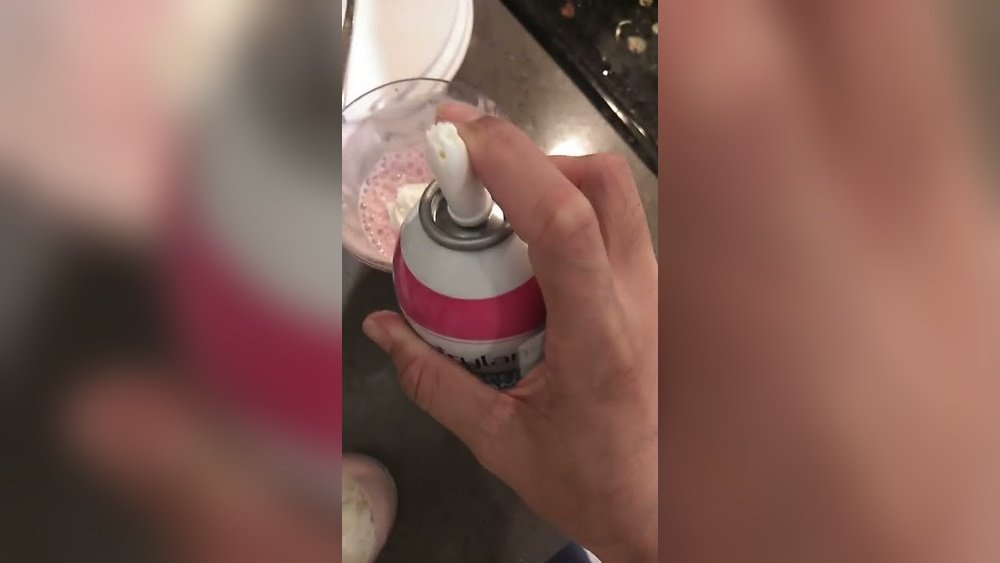
Opening a whip cream bottle should be simple, but for many, it turns into a confusing challenge. Maybe the cap won’t twist, or the nozzle won’t spray. Some people worry about breaking the bottle or making a mess. Understanding how to open a whip cream bottle safely and correctly can save you frustration and wasted dessert.
Whether you’re preparing a birthday cake, a cup of hot chocolate, or just want a dollop on your fruit, the right technique makes all the difference. This guide will walk you through every detail, from recognizing bottle types to solving common problems, so you’ll always get perfect whipped cream — without stress or spills.
Understanding Whip Cream Bottles
Before you open a whip cream bottle, it helps to know what kind you have. Not all bottles are the same. Some are disposable, some are refillable, and a few are designed for professional use in bakeries and restaurants.
Main Types Of Whip Cream Bottles
- Aerosol cans: These are the most common. Supermarkets sell brands like Reddi-wip or store brands. They use pressurized gas to push cream out when you press the nozzle.
- Reusable siphon bottles: Often called “cream dispensers” or “cream whippers.” These use separate gas chargers (usually nitrous oxide) and are popular in coffee shops and bakeries.
- Manual pump bottles: Less common, these use a pump or lever to squirt the cream. They’re usually found in diners or self-service stations.
Each type has its own opening method. Using the wrong technique can damage the bottle or cause leaks.
How Bottles Work
Aerosol cans and siphon bottles both use pressurized gas to force liquid cream through a nozzle, turning it into whipped cream as it comes out. The pressure inside is why opening these bottles carelessly can be risky.
Most aerosol cans are meant for one-time use and should not be refilled. Siphon bottles are made of metal, with a removable head for cleaning and refilling.
Safety First: Handling Pressurized Bottles
Pressurized bottles can be dangerous if misused. They can spray cream unexpectedly, or worse, release gas suddenly. Here are some safety tips before you try to open any whip cream bottle:
- Never shake a damaged or leaking bottle. Leaks mean the pressure system is broken.
- Do not point the nozzle at your face or others. The gas can shoot out quickly.
- Keep bottles upright. Especially when opening, to avoid accidental sprays.
- Do not attempt to open the metal body of an aerosol can. Only the nozzle or cap is meant to be opened.
If you notice hissing sounds, or if the bottle feels unusually cold or hot, wait before handling.
Tools And Items You’ll Need
For most store-bought whip cream bottles, you don’t need any tools. But for reusable siphon bottles, you may need:
- A clean towel for grip and wiping spills
- Warm water for loosening stuck parts
- A charger holder (for siphons)
- A small brush for cleaning
It’s best to have these items ready before you start.
Opening An Aerosol Whip Cream Can
Aerosol cans are simple, but using the wrong technique can waste cream or break the nozzle. Here’s how to open them correctly:
Step-by-step Guide
- Check the Expiry Date: Old cream can curdle or clog the nozzle. Don’t use if expired.
- Shake the Can: Hold the can upright and shake it for 10-15 seconds. This mixes the cream and gas inside.
- Remove the Outer Cap: Most cans have a plastic cap. Hold the base of the can with one hand, and use your other hand to gently pull the cap upwards. If it’s stuck, twist it slightly as you pull.
- Inspect the Nozzle: Make sure the nozzle isn’t clogged or broken. If clogged, rinse under warm water and dry.
- Test the Spray: Point the nozzle away from you, and press lightly to release a small amount. This ensures the can is working.
- Apply Cream: Hold the can upside down, aim, and press the nozzle to dispense.
Troubleshooting Tips
If the cream doesn’t come out:
- Shake again: Sometimes the cream settles.
- Warm the Nozzle: If the nozzle is cold or clogged, run under warm water for 10 seconds.
- Check the Position: Always use the can upside down. If used sideways or upright, only gas comes out.
Common Mistakes
Many people forget to shake the can or use it sideways. This causes the gas to escape without cream. Always store and use the can upright (or upside down when dispensing).
Opening A Reusable Whip Cream Siphon
Reusable siphons look professional, but their design can confuse beginners. Here’s how to open, use, and clean them safely.
Step-by-step Guide
- Release Pressure First: Before opening, make sure there is no pressure inside. Hold the siphon upright and press the lever until nothing more comes out. This step is critical for safety.
- Unscrew the Head: Grip the metal body with one hand and the head (top part) with the other. Turn the head counterclockwise to unscrew. Do this slowly; if you hear gas escaping, stop and release pressure again.
- Remove the Head: Once unscrewed, lift off the head. You’ll see the rubber gasket and the tube inside.
- Remove the Charger Holder: If you just used the siphon, the charger holder (where the small gas canister goes) can be unscrewed and set aside.
- Inspect and Clean: Wipe the threads, check the gasket, and clean out any cream left inside.
Refilling And Using
To refill:
- Pour in cold whipping cream (check your siphon’s max fill line).
- Reattach the head tightly.
- Insert a new gas charger into the holder and screw it on until you hear a hiss.
- Shake, then dispense as usual.
Cleaning Tips
Reusable siphons need regular cleaning. Take out all parts, including the nozzle and gasket, and wash with warm soapy water. Use a small brush for the nozzle. Never put the metal body in the dishwasher unless the manufacturer says it’s safe.
Opening A Manual Pump Whip Cream Bottle
Manual pump bottles are less common but are found in some diners and at self-serve stations. They’re usually plastic or glass with a pump top.
Steps To Open
- Check for a Lock: Some pumps have a twist lock. Turn the pump head counterclockwise to unlock.
- Remove the Pump Head: Hold the bottle steady and pull the pump head straight up.
- Clean if Needed: Wipe the pump with a towel or run under water if sticky.
- Refill (if refillable): Pour in fresh cream, then reattach the pump head.
Manual pumps may clog if not cleaned often. If you feel resistance, don’t force it—clean first.
Credit: www.reddit.com
Storing Whip Cream Bottles
Proper storage keeps cream fresh and prevents clogs.
- Refrigerate after every use: Both aerosol and siphon bottles must be kept cold.
- Store upright: This prevents clogging and gas leakage.
- Do not freeze: Freezing damages the pressure system and can cause leaks or cracks.
- Clean nozzle after each use: A quick rinse prevents dried cream from blocking the flow.
If your kitchen is especially warm, consider storing the bottle in the back of the fridge, where it’s coldest.
Table: Comparing Whip Cream Bottle Types
Here’s how the main bottle types compare on ease of use, refillability, and cleaning:
| Type | Ease of Opening | Reusable | Cleaning Needed |
|---|---|---|---|
| Aerosol Can | Very Easy | No | Low (just rinse nozzle) |
| Reusable Siphon | Moderate | Yes | High (disassemble and wash) |
| Manual Pump | Easy | Yes | Medium (clean pump and bottle) |
Handling Clogged Or Stuck Bottles
Sometimes, no cream comes out, or the cap just won’t budge. Here’s how to fix these issues:
If The Nozzle Is Clogged
- Aerosol can: Run the nozzle under warm water for 10-15 seconds. Wipe with a towel, then test spray.
- Reusable siphon: Remove and soak the nozzle in warm soapy water, then use a brush to clean.
If The Cap Is Stuck
- Use a rubber grip or towel for better traction.
- Warm water soak: Hold the cap under warm running water for 30 seconds to loosen dried cream.
- Do not use tools (like pliers) that can break plastic parts.
If The Cream Won’t Dispense
- Shake thoroughly. Cream and gas separate if stored for a long time.
- Check temperature. If the bottle is too cold or warm, the pressure inside may not work well.
- For siphons: Make sure you’ve used a new, full gas charger.
Many people try to force stuck parts. This often makes things worse. Patience and gentle cleaning usually solve most problems.
Table: Common Problems And Solutions
Here’s a quick look at frequent whip cream bottle issues and what to do.
| Problem | Possible Cause | Solution |
|---|---|---|
| No cream comes out | Clogged nozzle, not shaken, used upright | Shake, rinse nozzle, use upside down |
| Gas only, no cream | Bottle not upside down, almost empty | Invert can, check fill level |
| Cap stuck | Dried cream, overtightened | Warm water soak, use towel grip |
| Cream leaks at base | Broken seal, faulty gasket | Replace gasket, do not use damaged can |
Tips For First-time Users
There are a few things beginners often miss when opening whip cream bottles:
- Always shake before use: This mixes the gas and cream. Skipping this step is the #1 reason for poor texture.
- Hold the can upside down when dispensing: Gravity helps the cream and gas mix properly.
- Clean the nozzle after every use: Even a tiny bit of dried cream can block the flow next time.
- Don’t use excessive force: If something won’t open, check for clogs or stuck cream before trying harder.
- Use cold cream only in siphons: Warm cream won’t whip properly and can clog the dispenser.
Many people don’t realize that the temperature of the cream and the bottle makes a difference. Cold cream whips faster and has a better texture. Also, always check the bottle’s instructions—some have special steps or warnings.
Table: Shelf Life And Storage
Different bottle types keep cream fresh for different periods. Here’s how they compare:
| Bottle Type | Unopened Shelf Life | After Opening | Best Storage |
|---|---|---|---|
| Aerosol Can | 2-3 weeks (see date) | 7-10 days | Refrigerator |
| Reusable Siphon | N/A (depends on cream) | 1-2 days | Refrigerator |
| Manual Pump | N/A (depends on cream) | 1-2 days | Refrigerator |
Notice that homemade cream in siphons lasts less time than store-bought cans, so plan to use it quickly.
Cleaning And Maintenance
Regular cleaning is key for both hygiene and performance. Here’s how to keep each type working well:
Aerosol Cans
- Rinse the nozzle under warm water after each use.
- Dry well before putting the cap back.
Reusable Siphons
- Disassemble completely after use.
- Wash the head, gasket, nozzle, and tube with warm soapy water.
- Rinse thoroughly and let air dry.
- Store with the head loose—not tightly screwed—to prevent gasket sticking.
Manual Pumps
- Remove and wash the pump and bottle after each use.
- Check for cream buildup inside the pump.
Not cleaning can lead to mold, bad smells, or clogs.
When To Replace Or Discard
Knowing when to throw out a whip cream bottle is important for safety:
- Aerosol cans: Discard when empty, expired, or if they leak gas or cream.
- Siphon bottles: Replace if the gasket cracks, metal is dented, or if the pressure system fails.
- Manual pumps: Replace if the pump jams, plastic cracks, or if you can’t remove stuck cream.
Never try to open the metal body of a pressurized can. This is dangerous and can cause injury.
Environmental Impact
Most aerosol whip cream cans are made of aluminum or steel, and can be recycled in many areas. Check local rules about recycling pressurized containers.
Reusable siphons and manual pumps are better for the environment because you refill them and reduce waste. If you want to make your kitchen greener, consider switching from disposable cans to a siphon or manual pump.
For more on recycling and environmental tips, the US EPA offers practical advice.
Extra Insights For Professionals
If you work in food service, there are a few extra points to consider:
- Speed and efficiency: Siphons are faster for making lots of desserts, but need regular refills and cleaning.
- Consistency: Aerosol cans give a uniform texture, but can run out quickly during busy periods.
- Safety training: Staff should know how to release pressure, clean, and handle clogs.
Many restaurants have strict cleaning rules for whip cream bottles to prevent cross-contamination.
Credit: www.youtube.com
Frequently Asked Questions
What Should I Do If My Whip Cream Can Won’t Spray?
First, shake the can well and make sure it’s held upside down. If it still won’t spray, rinse the nozzle under warm water to clear any blockage. Don’t use sharp objects to poke the nozzle as this can damage it.
If nothing works, the can may be empty or defective.

Credit: cooking.stackexchange.com
How Do I Know If My Whip Cream Bottle Is Empty?
For aerosol cans, you’ll feel them get very light and only gas comes out when you spray. For siphons, if no cream comes out after shaking and pressing, and you’ve released all pressure, it’s empty. Manual pumps will stop working or cream will sputter out.
Can I Refill An Aerosol Whip Cream Can?
No, aerosol cans are designed for one-time use and cannot be refilled safely. Trying to refill them can be dangerous. Only reusable siphon bottles are made for refilling.
Is It Safe To Open A Whip Cream Siphon If There Is Still Pressure Inside?
No, always release all pressure by pressing the handle until nothing comes out. Opening a pressurized siphon can cause injury or a mess. If you hear gas escaping while unscrewing, stop and release more pressure.
How Long Can I Keep Whip Cream In A Siphon Bottle?
Homemade whipped cream in a siphon usually stays fresh for 1-2 days in the refrigerator. After that, it may lose texture or spoil. Always store it cold and clean the bottle after each batch.
Opening a whip cream bottle doesn’t have to be stressful or messy. By learning the type of bottle, following the right steps, and keeping everything clean, you can enjoy perfect whipped cream any time — for coffee, desserts, or just for fun. Remember: treat pressurized bottles with care, and never force stuck parts. With these simple habits, you’ll get the most from every bottle and avoid common mistakes that waste cream or cause accidents.