
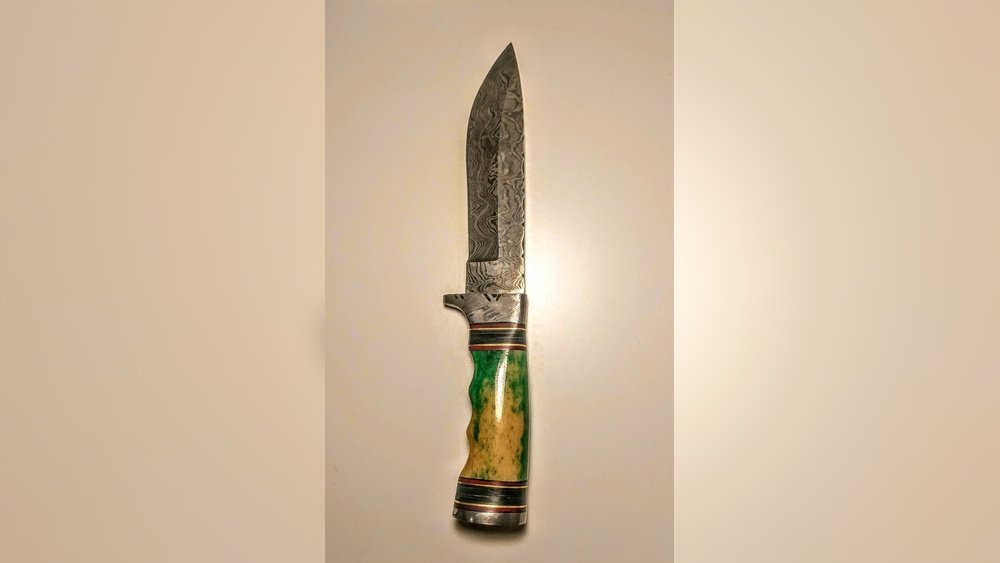
If you own a Damascus knife, you know its beauty and sharpness are unmatched. The unique wavy patterns on the blade make it a collector’s item, and its cutting performance is famous among chefs and outdoor enthusiasts. But there’s a downside—Damascus steel is prone to rust if not cared for properly. Whether you just spotted a few orange spots or your favorite knife has developed heavy corrosion, removing rust from Damascus steel needs a careful approach. Rushing or using the wrong method can damage the blade or ruin the intricate patterns.
This guide will show you, step by step, how to get rust off your Damascus knife safely and keep it looking stunning. You’ll discover what causes rust, practical cleaning methods, the best tools and materials, and smart tips for ongoing care.
By the end, you’ll have the confidence to restore your knife and protect it for years to come.
Why Does Damascus Steel Rust?
To treat rust, it helps to know why it happens. Damascus steel is made by folding and forging layers of high-carbon steel and sometimes iron. The result is a blade that’s hard, sharp, and visually unique. But the high carbon content, while good for sharpness, makes the metal less resistant to rust than stainless steel.
When your knife is exposed to moisture, acids, or even humid air, a chemical reaction starts between oxygen and the iron in the steel—this is rust. Everyday use, like cutting acidic foods (tomatoes, lemons), washing with water, or even sweaty hands, can speed up this process.
Most modern Damascus knives have a protective finish, but this can wear off over time, especially if you use abrasive cleaners or store the blade wet. Knowing what causes rust helps you not only remove it but prevent it from coming back.
Assessing The Rust On Your Damascus Knife
Not all rust is the same. Before you start cleaning, look closely at your knife to decide the best way to treat it.
Light Surface Rust
This looks like tiny orange or brown dots on the blade, often appearing after a humid day or if the knife was stored while wet. Light rust usually sits on the surface and hasn’t eaten into the steel.
Moderate Rust
You’ll see larger patches or thin layers of orange or reddish-brown rust. The knife may feel slightly rough in these areas, and the patterns of the Damascus steel may look less clear. At this stage, rust is starting to bond more strongly to the blade.
Heavy Or Pitted Rust
Here, rust has been left for a long time. The blade may have deep brown spots, flaking, or even tiny pits (holes) where the steel has been eaten away. This is the most serious type and needs gentle but thorough cleaning—sometimes, full restoration may not be possible.
Tip: If your knife has sentimental or high collector value, consider consulting a professional before removing heavy rust. Amateur cleaning can sometimes do more harm than good.
What You’ll Need: Tools And Materials
Having the right tools makes rust removal easier and safer for your knife. Here’s what you’ll need for most situations:
- Microfiber or cotton cloths (for wiping and drying)
- Soft-bristle toothbrush (for gentle scrubbing)
- Non-abrasive sponge (avoid steel wool)
- Baking soda or mild dish soap
- White vinegar
- Lemon juice
- Baking soda
- Rust eraser (specially designed for knives, optional)
- Protective gloves (to protect your hands from acids)
- Mineral oil or food-safe knife oil (for aftercare)
- Cotton swabs (for small areas)
- Plastic or wooden scraper (for stubborn flakes)
- Masking tape (to cover non-rusted areas if needed)
Note: Never use aggressive abrasives or harsh chemicals on Damascus steel. Avoid steel wool, sandpaper, or metal brushes—these can scratch and damage the blade’s pattern.
Step-by-step Rust Removal Methods
Different levels of rust need different approaches. Start with the gentlest method and move to stronger ones only if needed.
1. Soap And Water For Light Rust
For small dots or a thin film of rust, mild cleaning is often enough.
Instructions:
- Dampen a soft cloth or sponge with warm water.
- Add a drop of mild dish soap.
- Rub the rusty area gently in the direction of the blade’s pattern. Do not scrub across the grain.
- Rinse with clean water and dry thoroughly with another cloth.
- Apply a thin layer of mineral oil to protect the cleaned area.
Why this works: Light rust is often just on the surface and can be loosened without any strong chemicals.
Beginner Insight: Many people forget to dry the blade completely. Even a few drops of water left behind can start new rust!
2. Baking Soda Paste For Moderate Rust
If soap and water don’t work, baking soda is a safe and effective next step.
Instructions:
- Mix baking soda with a few drops of water to form a thick paste.
- Apply the paste to the rusty spots.
- Let it sit for 15–20 minutes.
- Gently scrub with a soft toothbrush in small circles, following the blade’s grain.
- Wipe clean with a damp cloth.
- Dry the blade fully and oil it.
Practical tip: Avoid using too much force. Let the baking soda do the work.
3. White Vinegar Or Lemon Juice For Tough Rust
Acids can dissolve rust, but they must be used with care to avoid damaging the steel or affecting the Damascus pattern.
Instructions:
- Soak a cotton ball or cloth in white vinegar or lemon juice.
- Place it on the rusty area and let it sit for 5–10 minutes.
- Gently rub the spot with a toothbrush or soft sponge.
- Rinse well with water and dry immediately.
- Apply oil to protect.
Caution: Do not soak the whole knife in vinegar or lemon juice. Prolonged exposure can etch the steel.
Non-obvious insight: Lemon juice works well for rust, but always rinse and neutralize afterward with water and a little baking soda. Acid left behind can cause more rust.
4. Rust Eraser For Stubborn Rust
A rust eraser is a special rubber-like block infused with fine abrasives. It’s designed to remove rust without scratching.
Instructions:
- Wet the rust eraser slightly.
- Rub gently on the rusted area, following the direction of the blade’s pattern.
- Wipe away residue with a damp cloth.
- Oil the blade.
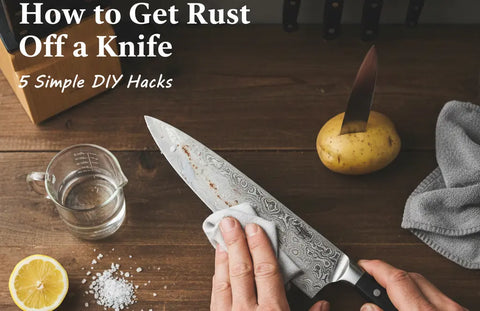
Tip: Test the eraser on a small, hidden area first.
5. Removing Deep Or Pitted Rust
If rust has eaten into the steel, you may see tiny holes or rough patches. Cleaning can remove the rust but not always the pits.
Instructions:
- Use a plastic or wooden scraper to lift off any loose flakes (never use metal).
- Apply a baking soda paste or vinegar as described above.
- Scrub gently with a toothbrush.
- Wipe clean, dry, and oil.
Realistic expectation: Deep pits may remain visible even after rust is gone. These spots are weak points—keep them well-oiled and check regularly.
Cleaning The Damascus Handle
Some Damascus knives have metal handles, while others use wood, bone, or composite materials. Rust usually attacks the blade, but can also affect metal handles.
- For wood handles: Avoid soaking. Wipe with a damp cloth and dry immediately. Use mineral oil for wood conditioning.
- For metal handles: Clean as you would the blade, but check for hidden rust around rivets or pins.
- For other materials: Check the manufacturer’s care recommendations.
Beginner mistake: Never submerge a Damascus knife with a wood handle in water. Swelling or cracking can occur.
Protecting The Damascus Pattern
The wavy lines on a Damascus blade aren’t just for show—they’re part of the steel. However, aggressive rust removal or strong acids can fade or blur the pattern.
- Always scrub gently and with the pattern, not across it.
- Limit acid exposure (vinegar, lemon) to short periods and rinse well.
- Oil the blade after each cleaning to enhance the pattern and prevent new rust.
If the pattern fades, some makers can professionally re-etch the blade using special acids. DIY re-etching is risky and not recommended for valuable knives.

Credit: www.reddit.com
Aftercare: Preventing Future Rust
Rust is easier to prevent than to remove. Good habits will keep your Damascus knife rust-free and looking its best.
Regular Cleaning And Drying
- Wash the blade by hand right after use.
- Dry with a clean towel—don’t air dry.
- Avoid the dishwasher, which uses harsh detergents and hot steam.
Oiling The Blade
A thin layer of mineral oil or food-safe knife oil provides a protective barrier against moisture. Apply after every cleaning, especially if you live in a humid climate or store the knife for long periods.
Proper Storage
- Store knives in a dry place.
- Use a knife block, magnetic strip, or blade guard.
- Avoid leather sheaths for long-term storage—leather holds moisture and can cause rust.
Handling Acidic Foods
Damascus steel can react with acidic foods. After cutting lemons, tomatoes, onions, or other acidic items, wash and oil the blade promptly.
Environmental Factors
- Humidity is a hidden enemy. Use silica gel packs or a dehumidifier in your kitchen or storage area if needed.
- Saltwater is especially dangerous. Never use your Damascus knife near the ocean without extra care.
Data insight: Studies show that carbon steel knives, including Damascus, rust up to 10 times faster in humid environments compared to dry ones.
When To Seek Professional Restoration
If your knife is rare, valuable, or has heavy rust and deep pitting, professional help may be the best choice. Knife makers and restorers use advanced tools and techniques to clean and, if needed, re-etch the Damascus pattern.
Warning: DIY methods can void warranties or lower collector value. When in doubt, ask the maker or a reputable knife restorer.
Comparing Rust Removal Methods
To help you choose the right method, here’s how common rust removal approaches compare for Damascus knives:
| Method | Best For | Risk Level | Pattern Safety | Time Needed |
|---|---|---|---|---|
| Soap & Water | Light Rust | Low | Very Safe | 5 min |
| Baking Soda Paste | Moderate Rust | Low | Safe | 20–30 min |
| Vinegar/Lemon Juice | Tough Rust | Medium | Use Short Time | 15–20 min |
| Rust Eraser | Stubborn Spots | Low | Safe if Gentle | 10–15 min |
| Professional Help | Heavy/Pitted Rust | Very Low | Best for Value | Varies |
Common Mistakes To Avoid
Many knife owners accidentally damage their Damascus blades by making simple mistakes. Here’s what to avoid:
- Using steel wool or sandpaper: These scratch the surface and can blur the Damascus pattern.
- Soaking in harsh acids or chemicals: Prolonged soaking can etch or ruin the blade.
- Leaving the knife wet: Even a few minutes of moisture can start rust.
- Ignoring the handle: Wood and metal handles also need care.
- Storing in leather sheaths: Leather traps moisture.
- Using a dishwasher: Heat and detergent strip away protective oils.
Experienced tip: Always test a cleaning method on a small, hidden part of the blade before treating the whole knife.
Real-world Examples
Sometimes, a practical story helps. Here are two real examples:
Example 1: Chef’s Daily Knife
A chef used his Damascus knife every day for slicing vegetables and fish. After a busy week, he noticed small orange dots on the blade. He cleaned it with baking soda paste, wiped it dry, and oiled it. The rust disappeared, and the pattern stayed bright.
Example 2: Forgotten Collector’s Knife
A collector stored a Damascus knife in its leather sheath for years. When he checked it, thick brown rust and deep pits had formed. He tried vinegar but saw the pattern fade. He sent it to a professional restorer, who removed the rust and re-etched the pattern.
The knife’s value was saved, but the pits remained.
Advanced Tips For Damascus Knife Care
For those who want to go beyond basic care, try these expert tips:
- Use camellia oil (traditional in Japan) for long-term storage. It’s light, non-toxic, and prevents rust.
- Wipe between uses with a dry microfiber cloth, even if you haven’t washed the knife.
- Inspect the blade under bright light regularly. Early rust can look like faint smudges.
- Keep a silica gel pack in your knife drawer to absorb humidity.
- Sharpen with ceramic stones rather than aggressive metal files, which can damage the pattern.
Credit: damascenknives.com
Comparing Damascus Steel To Other Knife Materials
Understanding how Damascus compares with other blades helps you care for it better.
| Blade Material | Rust Resistance | Edge Retention | Care Needed | Visual Appeal |
|---|---|---|---|---|
| Damascus Steel | Medium-Low | High | High | Very High |
| Stainless Steel | High | Medium | Low | Medium |
| Carbon Steel | Low | Very High | High | Low |
| Ceramic | Very High | Medium | Very Low | Low |
Damascus steel offers top cutting performance and beauty but needs more care than stainless or ceramic blades.
Recommended Maintenance Schedule
To make care easier, follow a simple routine:
| Task | Frequency | Purpose |
|---|---|---|
| Wash & Dry | After Every Use | Remove Food & Moisture |
| Oil Blade | Weekly or After Cleaning | Protect from Rust |
| Inspect for Rust | Monthly | Catch Early Spots |
| Professional Sharpening | Yearly | Maintain Edge & Pattern |
Additional Resources
For deeper reading on steel types, knife maintenance, or restoration, check out resources like Wikipedia’s Damascus steel page. Expert forums and knife maker sites also offer community advice and real user experiences.
Enjoying Your Damascus Knife For Years
Your Damascus knife is more than just a tool—it’s a piece of art and history. With proper care and quick action when rust appears, you’ll keep the blade sharp, beautiful, and ready for any task. Remember, gentle cleaning, regular oiling, and smart storage are the keys. If you ever face heavy rust or want to restore an old favorite, don’t hesitate to reach out to a professional.
A well-maintained Damascus knife will serve you for a lifetime and may even become a treasured heirloom. Treat it with respect, and it will reward you every time you hold it.

Credit: www.reddit.com
Frequently Asked Questions
How Often Should I Oil My Damascus Knife?
It’s best to oil your Damascus knife after every cleaning, especially if you use it often or live in a humid area. For knives in storage, oil them at least once a month to keep moisture away and protect the blade’s unique pattern.
Can I Use Wd-40 To Remove Rust From Damascus Steel?
While WD-40 can dissolve rust, it’s not recommended for food knives because it’s not food-safe. Use mineral oil or food-grade knife oil instead. If you must use WD-40, clean and rinse the blade thoroughly afterward.
What Is The Best Oil For Protecting Damascus Knives?
Mineral oil is popular because it’s food-safe, affordable, and easy to find. Camellia oil is another excellent choice, especially for long-term storage. Avoid cooking oils (like olive oil), as they can turn sticky or go rancid over time.
Will Removing Rust Damage The Damascus Pattern?
If you clean gently and avoid strong acids or abrasive tools, the pattern will stay intact. Aggressive cleaning, sandpaper, or long acid soaks can fade or blur the design. Always scrub with the grain and limit exposure to acids.
Is It Normal For New Damascus Knives To Rust Quickly?
Yes, high-carbon Damascus steel is more prone to rust than stainless steel. Even new knives can rust if exposed to moisture, acids, or humidity. Good aftercare and oiling are essential from the start to keep your knife in top shape.