
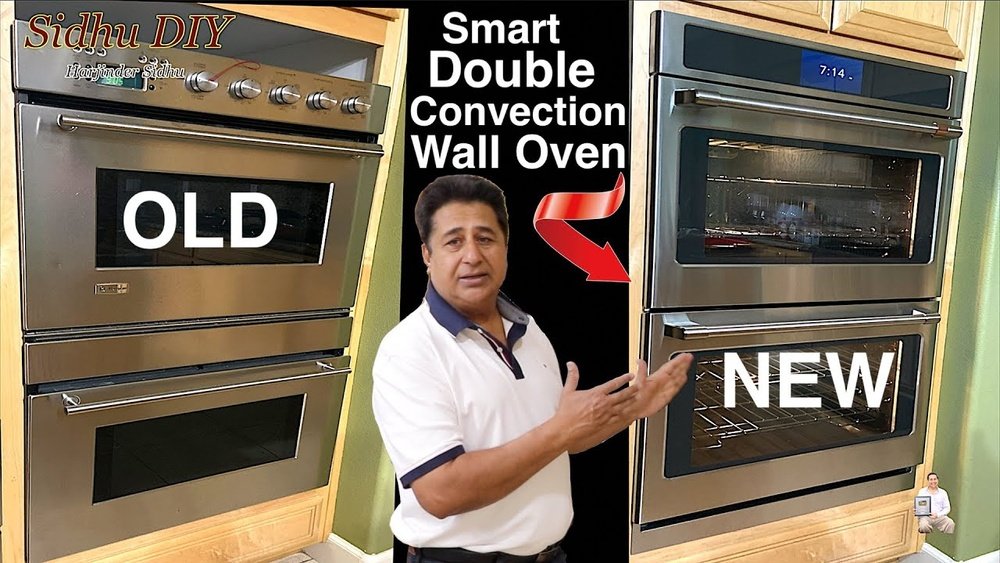
Removing a double oven from the wall is a big project, but it’s possible for a careful homeowner with some DIY experience. Double ovens are heavy, often wired directly into your home’s electrical system, and secured in place with screws and brackets.
If you’re planning a kitchen remodel or replacing an old oven, knowing how to remove it safely is important. This guide will walk you through every step, from preparing your kitchen to handling electrical connections and moving the oven out.
Along the way, you’ll learn tips to avoid common mistakes and keep yourself safe.
Why Remove A Double Oven?
A double oven can make cooking easier, but there are several reasons you might want to remove it. Maybe your appliance has stopped working, or you want to upgrade to a newer model with modern features. Sometimes, remodeling plans require a different layout, or you’re switching to a single oven to free up space.
In other cases, homeowners need to remove the oven before selling the house or making repairs behind the unit. Understanding your reason can help you plan for the best solution, whether it’s replacing, relocating, or simply disposing of the double oven.
Understanding The Challenges
Double ovens are not small appliances. They can weigh anywhere from 150 to 300 pounds, and their size makes them hard to handle. Unlike freestanding ovens, double ovens are built into the wall and connected to both electrical (sometimes gas) lines.
You’ll need to be careful with these connections. Also, the oven’s position might require you to work in tight spaces. Planning ahead and getting the right tools makes the process smoother. For some, hiring a professional is the safest option, especially if you’re not confident with electrical systems.
Credit: blog.fixyourboard.com
Tools And Supplies You’ll Need
Before you start, gather all the tools and materials. Having everything ready saves time and reduces stress during the process.
- Screwdrivers (Phillips and flat-head): For removing screws and panels.
- Cordless drill (optional): Speeds up screw removal.
- Adjustable wrench: For any bolts or wire connectors.
- Pry bar: To gently loosen the oven from the wall, if needed.
- Utility knife: To cut through caulk or sealant around the trim.
- Voltage tester: To make sure power is off before you touch any wires.
- Work gloves: Protects hands from sharp edges.
- Safety goggles: Shields your eyes from dust or debris.
- Drop cloths or cardboard: Protects your floor and nearby cabinets.
- Dolly or moving cart: For moving the oven out of the kitchen.
- Helper: Most double ovens require two people for safe removal.
If your oven is hardwired (not plugged into an outlet), you’ll also need wire nuts and electrical tape for safely capping wires.
Safety Precautions
Before starting, safety should be your main concern. Double ovens involve high-voltage wiring, and a mistake can cause injury or even fire. Here are important safety steps:
- Turn off the power at the circuit breaker for your oven. Do not rely on the oven’s controls alone.
- Test the wires with a voltage tester before touching them.
- If your oven is connected to a gas line (rare, but possible), shut off the gas supply and consult a professional.
- Wear gloves and goggles to avoid cuts and eye injuries.
- Clear the area of pets, children, and unnecessary items.
- Have a helper available to assist with lifting and moving.
Never skip these steps. Even experienced DIYers sometimes forget to double-check the power, which can be dangerous.

Credit: rtawoodcabinets.com
Step-by-step Guide To Removing A Double Oven
1. Clear The Kitchen Space
Start by removing everything near the oven. Take out any pans, trays, or items from the oven and surrounding cabinets. Lay down drop cloths or cardboard to protect the floor. Move rugs and fragile items out of the way. This gives you room to work and prevents accidents.
2. Cut Power To The Oven
Locate your home’s electrical panel. Find the breaker labeled for the oven or kitchen appliances and switch it off. If unsure, turn off the main breaker for maximum safety. Test the oven to confirm it’s off—none of the lights or controls should respond.
Next, use a voltage tester on the oven’s wiring (you’ll access this in later steps) to double-check there’s no live electricity. This step is crucial.
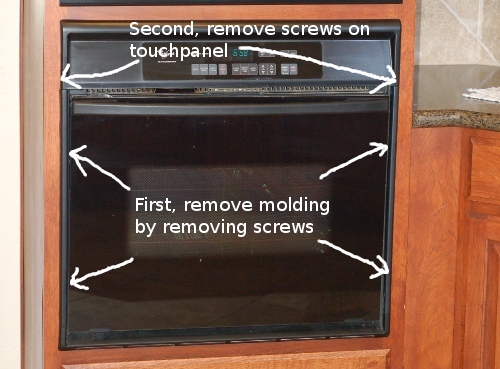
3. Remove Oven Trim And Mounting Screws
Most double ovens have a trim or faceplate around the edges to hide gaps. Look for screws holding the trim in place. These are often inside the door frame or along the outer edge.
- Open the oven doors.
- Use a screwdriver to remove the trim screws.
- Gently pry off the trim with your fingers or a flat-head screwdriver.
- Set the trim and screws aside in a safe place.
With the trim off, you’ll see mounting screws or brackets securing the oven to the cabinet. Remove these screws. Some ovens have brackets on the bottom or sides—check your model’s manual if you’re unsure.
4. Loosen The Oven From The Cabinet
After removing all visible screws and brackets, gently pull on the oven to see if it moves. It may be stuck due to caulk, paint, or a tight fit.
- Use a utility knife to cut any caulk or sealant around the oven edges.
- Slide a pry bar between the oven and cabinet, if needed, to loosen it.
- Be gentle; don’t force the oven or you might damage the cabinet.
Some ovens are extremely snug. Rocking the oven slightly from side to side can help break the seal.
5. Slide Out The Oven Partway
With your helper, grip the sides of the oven (use gloves for a better hold). Pull the oven out slowly, just enough to access the wiring at the back—usually 8–12 inches.
Do not try to pull the oven all the way out yet. The electrical connections will still be attached.
6. Disconnect The Electrical Wiring
Most double ovens are either hardwired or plugged into a heavy-duty outlet.
If Hardwired:
- Remove the access panel on the back or top of the oven.
- Identify the power wires: Typically black (hot), white (neutral), and green or bare copper (ground).
- Use a voltage tester again to confirm no power is present.
- Loosen the wire nuts or screws connecting the oven wires to the house wires.
- Cap the house wires with new wire nuts and wrap with electrical tape for safety.
If Plugged In:
- Locate the plug and heavy-duty outlet.
- Unplug the oven cord.
Never cut wires unless you’re sure the power is off. Always double-check before handling any connections.
7. Free The Oven Completely
Check for any remaining screws, brackets, or connections holding the oven in place. Sometimes, there are hidden fasteners at the bottom or back.
Once everything is disconnected, slide the oven fully out of the cabinet with your helper. Move slowly, as double ovens are heavy and can tip forward.
Set the oven on a dolly or moving cart for safe transport. Don’t try to carry it across the room by hand; this is a common way to get injured.
8. Move The Oven Out Of The Kitchen
Carefully wheel the oven out of the kitchen, avoiding sharp turns or sudden stops. Protect your floors with blankets or cardboard. If you need to go down stairs, use a sturdy ramp or get extra help.
Place the oven in a garage or storage area until you’re ready to recycle, sell, or dispose of it.
Comparing Double Ovens: Weight And Size
Understanding the typical weight and dimensions of double ovens helps you plan the removal. Here’s a comparison of common double oven models:
| Brand/Model | Width | Height | Depth | Weight |
|---|---|---|---|---|
| GE Profile PTD9000SNSS | 29.75 in | 51.13 in | 26.75 in | 249 lbs |
| KitchenAid KODE500ESS | 30 in | 51.25 in | 27.13 in | 256 lbs |
| Whirlpool WOD51EC0HS | 30 in | 51.5 in | 26.44 in | 231 lbs |
As you can see, double ovens are large and heavy. Make sure you and your helper can handle the weight safely.

Credit: www.youtube.com
Electrical Connections: Plug Vs. Hardwired
Double ovens connect to power in two main ways. Knowing which one you have changes how you remove the oven.
| Connection Type | How to Identify | Removal Steps | Difficulty Level |
|---|---|---|---|
| Hardwired | No visible plug; wires go directly into a junction box | Must disconnect wires and cap ends | Higher (requires electrical safety) |
| Plug-in | Large plug visible at back of oven | Simply unplug from outlet | Lower (more straightforward) |
Check your oven’s installation manual or look behind the trim to see which connection you have before starting.
Important Tips For A Safe Removal
Double oven removal is not just about muscle. Here are some expert tips you might not have thought about:
- Label wires as you disconnect them. Even if you’re not reinstalling, this helps electricians later.
- Photograph each step with your phone. This is useful if you run into trouble or need to reverse the process.
- Use wood blocks or shims under the oven as you slide it out. This prevents tipping and makes it easier to rest the oven if you need a break.
- Check for hidden fasteners inside the oven cavity or under the lower door.
- Inspect for old caulk or paint sealing the oven to the cabinet. Cutting this first avoids damaging your cabinetry.
- If you find signs of rodent nests or water damage behind the oven, stop and address these issues before continuing.
What To Do After Removing The Oven
Once your double oven is out, you have a few options:
- Clean the space: Vacuum dust, wipe down cabinets, and check for water or electrical damage.
- Inspect wiring: Make sure all wires are safely capped and there’s no exposed copper.
- Repair cabinets or walls: Removing a double oven may leave gaps or marks. Fill holes, sand, and repaint if needed.
- Recycle or dispose of the oven: Many cities offer recycling for old appliances. Some retailers will haul away your old oven when you buy a new one.
- Install a new oven: If you’re replacing the old unit, review your new oven’s installation manual and confirm dimensions before installing.
Common Mistakes To Avoid
Even experienced DIYers can make errors. Here are frequent pitfalls and how to avoid them:
- Forgetting to cut the power: This is dangerous and can lead to shock.
- Trying to remove the oven alone: Double ovens are too heavy for one person.
- Ignoring hidden screws or brackets: Forcing the oven out can break cabinets or damage the oven.
- Not capping electrical wires: Exposed wires are a fire and shock hazard.
- Dragging the oven across the floor: Always use a dolly or moving cart to prevent damage.
- Not measuring new appliances: If you’re upgrading, always measure the cabinet opening and compare with your new oven’s size.
Deciding Between Diy And Hiring A Professional
Removing a double oven is possible for a skilled DIYer, but not everyone should attempt it. Here’s a quick comparison to help you decide:
| Option | Pros | Cons | Estimated Cost |
|---|---|---|---|
| DIY Removal | Save money, learn new skills, control timing | Risk of injury, possible electrical mistakes, heavy lifting required | $0–$50 (tools/supplies only) |
| Hire a Professional | Expert handling, less risk, faster | More expensive, need to schedule, less hands-on involvement | $150–$400 (depending on location) |
If you’re unsure, consult a licensed electrician or appliance installer. Safety is more important than saving money.
Preparing For A New Oven Installation
After removing your double oven, you may want to install a new one right away. Here are steps to prepare:
- Measure the cabinet opening: Double ovens come in standard widths (usually 24, 27, or 30 inches), but heights can vary. Compare your opening to the new oven’s specs.
- Check electrical and gas connections: Make sure your home’s wiring or gas lines are ready for the new model.
- Read the new oven’s installation manual: Each oven has specific requirements for clearances, venting, and power.
- Upgrade as needed: Older homes may need new wiring or outlets. Consider hiring a professional for upgrades.
When To Call A Professional
Some situations require an expert:
- Complex electrical work: If you need to move or change wiring, call an electrician.
- Gas connections: Only certified technicians should handle gas lines.
- Unusual cabinet layouts: Custom cabinets or built-in designs may need a carpenter.
- Physical limitations: If you can’t lift heavy objects, don’t risk injury.
Remember, paying for professional help is often cheaper than fixing mistakes or recovering from an injury.
Environmental Disposal And Recycling
Double ovens contain metal, glass, and sometimes hazardous materials. Don’t just put your old oven on the curb.
- Check with your city’s recycling program: Many offer bulk appliance pickup or drop-off.
- Ask your retailer: Stores like Home Depot and Lowe’s often haul away your old oven when delivering a new one.
- Donate if possible: If your oven still works, some charities accept used appliances.
- Avoid illegal dumping: Leaving large appliances on the curb without scheduling a pickup can result in fines.
For more information on recycling appliances, see the EPA’s recycling page.
Real-world Example: Removing A 250-pound Double Oven
Let’s look at a real-life scenario. A homeowner in Texas wanted to remove a 250-pound KitchenAid double oven during a kitchen remodel. They followed these steps:
- Cleared the area and laid down cardboard to protect the floor.
- Turned off the breaker and tested the wires.
- Removed the oven doors for lighter handling (many doors lift off after unlocking hinges).
- Took off the trim and all screws, then loosened caulk with a utility knife.
- Used a pry bar to break the oven free from the cabinet.
- With two helpers, slid the oven out and rested it on 2×4 wood blocks.
- Disconnected the hardwired electrical connections, capped the wires, and taped them.
- Used a dolly to move the oven to the garage for recycling pickup.
Key insights from their experience:
- Removing the doors reduced the oven’s weight by about 30 pounds and made it easier to grip.
- Photographing each step helped with reinstallation.
- Having an extra person made moving the oven much safer.
Frequently Asked Questions
How Heavy Is A Typical Double Oven?
Most double ovens weigh between 200 and 300 pounds. The exact weight depends on the model and features. Always check your oven’s manual or manufacturer’s website for specific weight information before moving.
Can I Remove A Double Oven By Myself?
It’s not recommended. Double ovens are heavy, bulky, and awkward to move alone. You risk injury or damaging your kitchen. Always have at least one strong helper, and use a dolly or moving cart for safety.
Do I Need A Permit To Disconnect A Double Oven?
In most cases, you do not need a permit to disconnect an oven for replacement. However, if you’re changing wiring, moving outlets, or installing a new appliance, local codes may require a permit or inspection. Check with your city’s building department to be sure.
What Should I Do With The Wires After Removing The Oven?
Always cap the exposed wires with wire nuts and wrap them with electrical tape. This prevents accidental shocks or short circuits. If you’re installing a new oven soon, leave the wires accessible but secure. If you’re removing the oven permanently, consider having an electrician disconnect the circuit.
Is It Worth Hiring A Professional To Remove A Double Oven?
For many homeowners, hiring a professional is the safest choice, especially if you’re not familiar with electrical work or heavy lifting. The cost is often between $150 and $400, and it ensures the job is done safely and correctly.
Removing a double oven from the wall is a manageable project if you plan carefully, use the right tools, and put safety first. Whether you’re upgrading your kitchen or simply saying goodbye to an old appliance, following these steps will help you get the job done with confidence and avoid common pitfalls. Always remember: when in doubt, call a pro—your safety and your kitchen are worth it.