
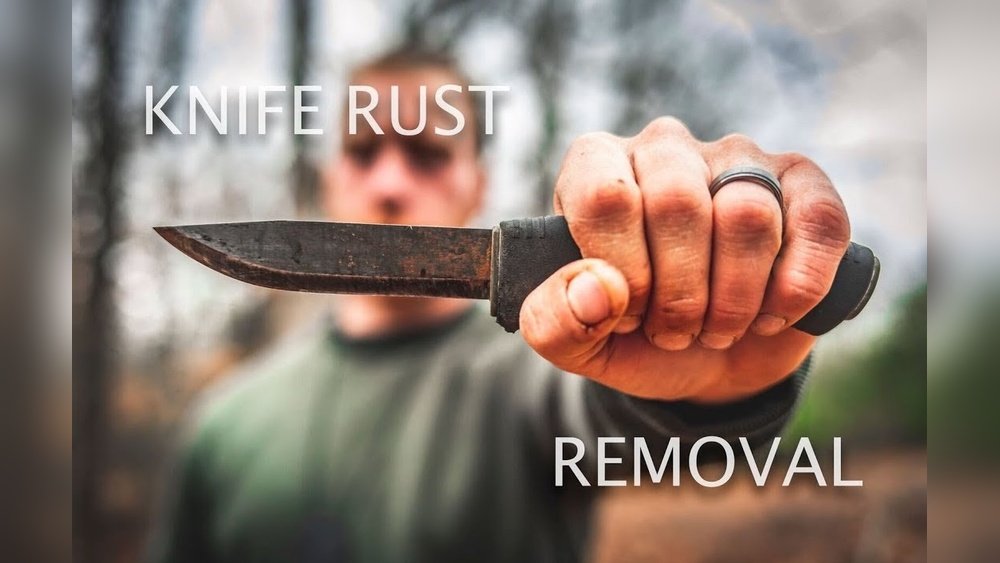
Every kitchen lover knows that a carbon steel knife is a special tool. It’s sharp, strong, and feels great in your hand. But there’s a catch: carbon steel rusts easily. If you’ve found orange spots or brown patches on your favorite knife, you’re not alone. Rust can appear after just one wash or a night left wet. The good news? You can remove rust from a carbon steel knife safely at home and keep it looking and performing its best. This guide explains the science, simple methods, and advanced tips for rust removal—even covering what not to do. Whether you’re a home cook or a professional chef, you’ll discover practical steps, common mistakes, and expert tricks to keep your carbon steel knives shining and sharp.
Why Carbon Steel Knives Rust Easily
Understanding why rust happens helps you prevent it. Carbon steel is mostly iron, with a small amount of carbon added for hardness and sharpness. Unlike stainless steel, it has very little chromium. Chromium helps stop rust, so with less of it, carbon steel knives are more vulnerable to moisture and acids.
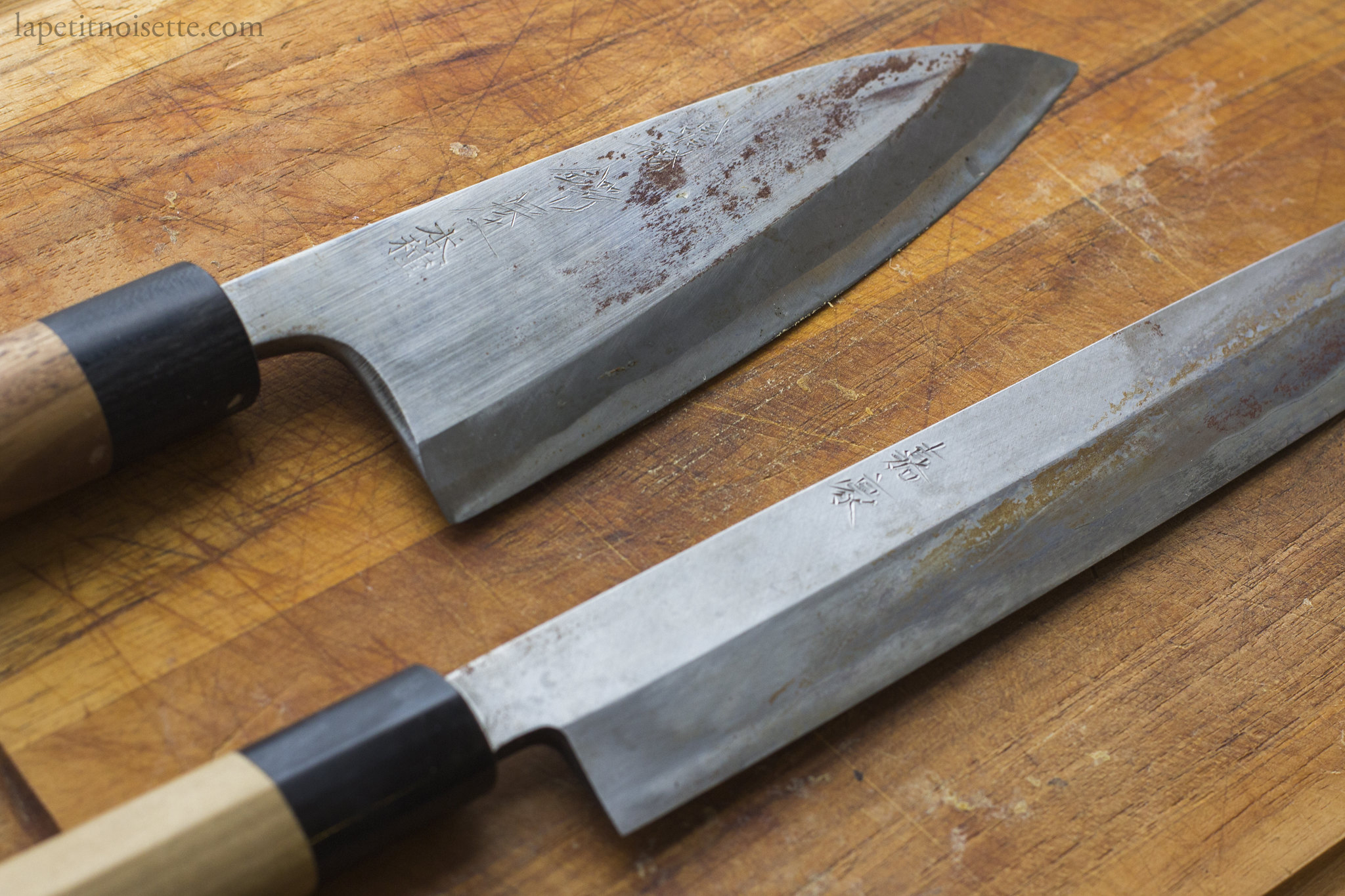
When water, even from the air, sits on the blade, it reacts with oxygen and iron. This creates iron oxide—the scientific name for rust. Even a drop of water or tiny bits of food can start this process. Acidic foods like tomatoes and citrus can speed it up. That’s why you might see rust after cutting a lemon or leaving a washed knife out overnight.
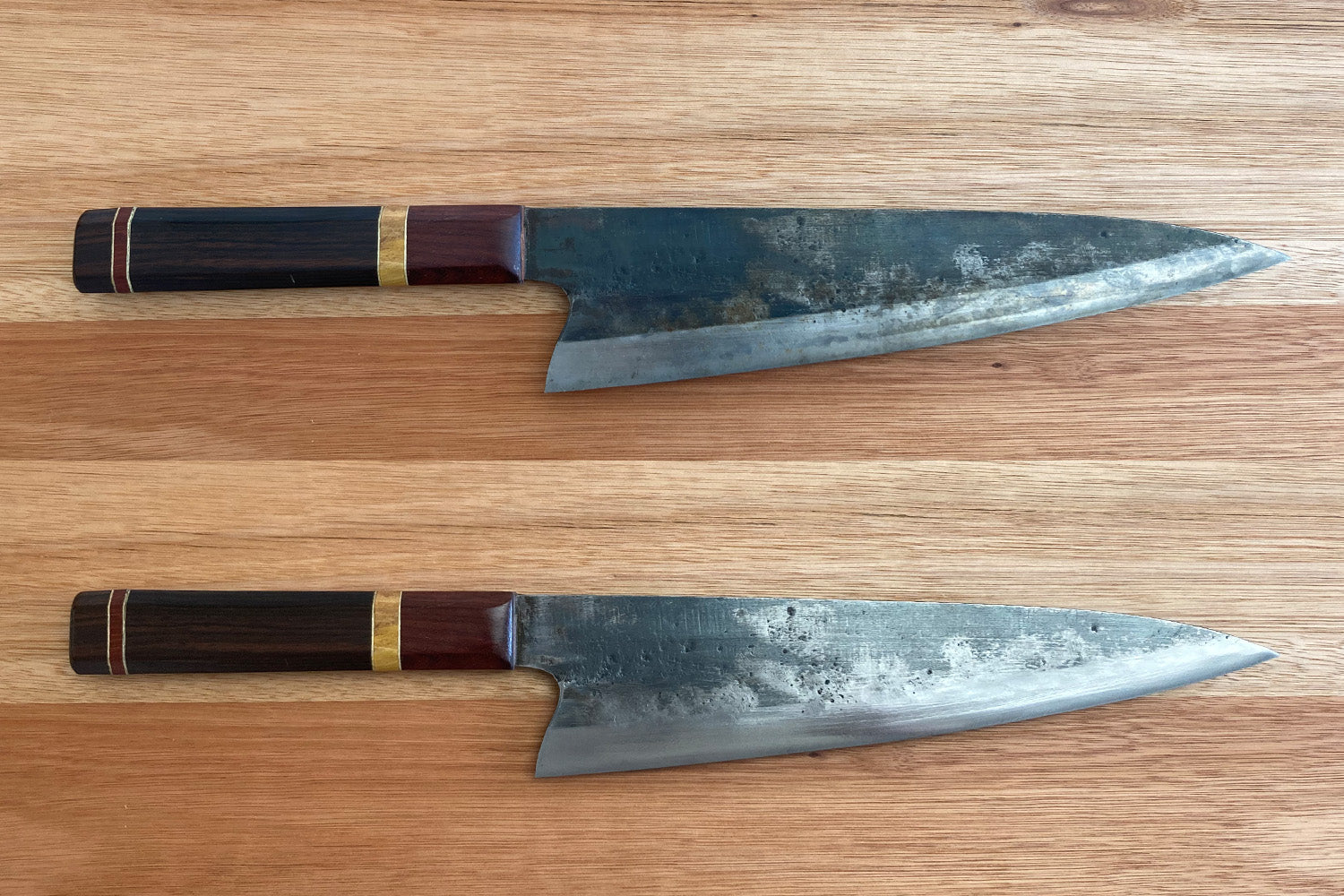
Non-obvious insight: Not all rust looks the same. Some appears as tiny orange dots (“flash rust”) after a short exposure to water, while deeper brown patches mean the rust has eaten further into the blade.
Dangers Of Rust On Your Knife
Rust is not just ugly. It affects your knife’s performance and safety.
- Sharpness loss: Rust eats away at the edge, making your knife dull.
- Food safety risk: Flakes can get into food, causing a metallic taste and possible health risk.
- Permanent damage: Deep rust can create pits that never go away, even after cleaning.
A rusty knife is also harder to sharpen and feels rough in use. That’s why removing rust quickly matters.
Credit: www.koiknives.com
What You Need Before You Start
It’s smart to gather the right tools before you begin. Removing rust is easier with the proper materials.
Common household items:
- Baking soda
- White vinegar
- Lemon juice
- Table salt
- Potato (yes, really)
- Aluminum foil
- Clean cloths or paper towels
- Soft sponge or old toothbrush
For deeper rust:
- Fine steel wool (0000 grade)
- Sandpaper (600–1500 grit)
- Specialized rust eraser (optional)
- Food-safe mineral oil or knife oil
Safety tip: Always work carefully. Steel wool and sandpaper can scratch your blade or fingers if used carelessly. Wear gloves if your skin is sensitive.
Non-obvious insight: Never use harsh chemicals or bleach. These can damage the knife and leave unsafe residues.
Quick Assessment: How Bad Is The Rust?
Before choosing a cleaning method, check how serious the rust is.
| Rust Type | Appearance | Best Method |
|---|---|---|
| Light surface rust (“flash rust”) | Orange spots, thin layer | Baking soda or vinegar |
| Moderate rust | Brown patches, some roughness | Lemon/salt, potato, or aluminum foil |
| Heavy/pitted rust | Dark brown, flakes, pits | Steel wool, sandpaper |
If you’re unsure, start with the mildest method. You can always try a stronger approach if needed.
Step-by-step Methods To Remove Rust
There are several ways to clean rust, from gentle to strong. Each method fits a different level of rust and uses common items you may already have.
Baking Soda Paste
Best for: Light surface rust
- Sprinkle baking soda over the rusty spots. Add a few drops of water to make a paste.
- Rub gently with a soft sponge or toothbrush in circles.
- Let it sit for 10–15 minutes.
- Wipe clean with a damp cloth.
- Dry completely.
Why it works: Baking soda is mildly abrasive and reacts with rust to loosen it. It’s gentle on the blade.
Extra tip: For stubborn spots, repeat or use a bit more pressure.
White Vinegar Soak
Best for: Light to moderate rust
- Pour white vinegar into a shallow dish.
- Lay the knife flat in the vinegar (blade only, not the handle if it’s wood).
- Soak for 5–10 minutes.
- Remove and scrub with a sponge or toothbrush.
- Rinse with water and dry thoroughly.
Why it works: Vinegar is acidic and dissolves rust, but does not harm the steel if you don’t leave it too long.
Mistake to avoid: Don’t soak too long—vinegar can darken the blade (“patina”) or damage some handles.
Lemon And Salt Scrub
Best for: Moderate rust
- Cover the rusty area with table salt.
- Squeeze lemon juice over the salt until it’s wet.
- Let it sit for 5–10 minutes.
- Scrub with a sponge or toothbrush.
- Rinse and dry.
Why it works: The acid in lemon and the grit of salt combine to loosen and remove rust.
Advanced tip: Use the spent lemon half as a scrubber for extra cleaning power.
Potato Trick
Best for: Moderate rust, especially on knives with curves
- Cut a potato in half.
- Dip the cut side in baking soda or salt.
- Rub the potato over the rusty area.
- Let the juice sit for a few minutes.
- Wipe clean, rinse, and dry.
Why it works: Potatoes contain oxalic acid, which breaks down rust safely.
Non-obvious insight: This method is especially good for removing rust from hard-to-reach curves, like around the knife heel.
Aluminum Foil And Water
Best for: Rust that resists scrubbing
- Tear off a small piece of aluminum foil.
- Dip it in water.
- Rub the foil gently over the rust spots.
- Wipe clean and dry.
Why it works: Aluminum is softer than steel, so it won’t scratch the blade. It also creates a chemical reaction that helps lift rust.
Steel Wool Or Sandpaper
Best for: Heavy or old rust
- Use 0000 steel wool or fine sandpaper (800–1500 grit).
- Rub gently along the blade, not across.
- Check progress often. Stop when rust is gone.
- Wipe, rinse, and dry.
- Apply a thin coat of food-safe oil.
Warning: This can remove the finish or scratch the blade if done carelessly. Always test on a small area first.
Comparing Rust Removal Methods
Here’s a quick look at how each method compares for effectiveness, safety, and cost.
| Method | Effectiveness | Blade Safety | Cost | Time Needed |
|---|---|---|---|---|
| Baking Soda | Good for light rust | Very safe | Low | 15 min |
| Vinegar | Good for light/moderate rust | Safe if not soaked too long | Low | 15 min |
| Lemon & Salt | Moderate rust | Safe | Low | 20 min |
| Potato | Moderate rust | Very safe | Low | 20 min |
| Aluminum Foil | Moderate rust | Safe | Low | 10 min |
| Steel Wool/Sandpaper | Heavy/pitted rust | Possible scratches | Low | 15–30 min |
What Not To Do When Removing Rust
Mistakes can make things worse. Avoid these common errors:
- No bleach or harsh chemicals: These can corrode the blade or make it unsafe for food.
- Don’t use power tools: Grinders and electric brushes are too aggressive for fine knives.
- No dishwasher: High heat and detergent are bad for carbon steel.
- Don’t soak the handle: Wood and some composites absorb water and can crack or warp.
- No scraping with hard metal: Screwdrivers, knives, or other hard tools will scratch your knife.
Extra tip: If the rust is very deep or covers most of the blade, consult a professional sharpener.
Finishing Touch: Polishing And Oiling
After rust removal, your knife needs finishing care.
- Rinse the blade with water to remove any cleaning residue.
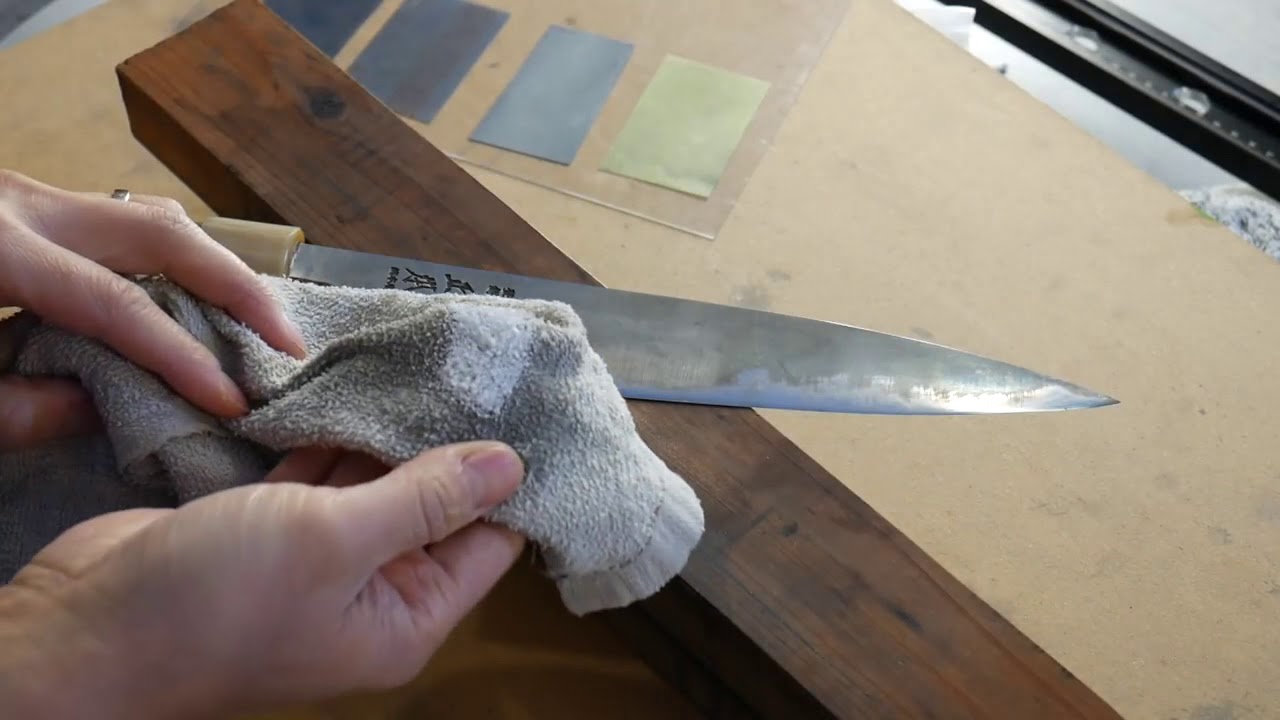
- Dry completely with a soft cloth—no water left on the blade.
- For extra shine, use a bit of metal polish (food-safe) and buff gently.
- Wipe the blade with a few drops of food-safe mineral oil or camellia oil. This protects against future rust.
Why oil matters: Oil creates a barrier that blocks water and air. It’s especially important if you live in a humid area or store your knife for long periods.
Non-obvious insight: Don’t use cooking oils (like olive or vegetable oil)—they can go rancid and attract dirt.
Credit: thejapanesefoodlab.com
How To Prevent Rust From Returning
A little prevention goes a long way. Here’s how to keep your carbon steel knife rust-free:
- Wash by hand: Use warm water and mild soap. Never leave the knife wet or dirty.
- Dry immediately: After washing, wipe with a towel until completely dry—even in the handle area.
- Oil regularly: Apply a thin layer of mineral oil after each use, especially if you won’t use the knife for a while.
- Store properly: Use a knife block, magnetic strip, or blade guard. Avoid leaving the knife in a damp drawer.
- Cut carefully: Avoid cutting acidic foods and leaving residue on the blade.
- Sharpen often: A sharp knife is less likely to rust, as the edge is smoother and easier to clean.
Real-world example: In busy restaurants, chefs often wipe their carbon steel knives with a towel between tasks. This simple habit keeps rust away.
Real-life Example: Restoring An Old Rusty Knife
Imagine finding your grandfather’s old carbon steel knife in a garage. The blade is covered in brown rust, but you want to save it.
- Assessment: The rust is thick and flaky—likely many years old.
- First step: Use white vinegar for a 10-minute soak, then scrub with baking soda.
- If needed: Move to 0000 steel wool, rubbing gently along the blade.
- Clean and repeat: Alternate between scrubbing and wiping to avoid scratching.
- Finish: When rust is gone, polish with metal polish, then oil generously.
The restored knife may have some dark spots or “patina,” but it will be safe and sharp again.
How Professionals Remove Rust
Professional sharpeners or knife restorers use similar steps, but with more precision.
- They start with a detailed inspection using a magnifier.
- They use Japanese rust erasers—rubber blocks filled with abrasive material.
- For deep rust, they may use wet/dry sandpaper in stages (800, then 1000, then 1500 grit).
- They finish by stropping the blade on leather, then applying a special food-safe wax.
Key takeaway: The tools are fancier, but the basic science is the same: gentle abrasion, acid to dissolve rust, and oil for protection.
When To Replace Instead Of Restore
Not every rusty knife can be saved. Sometimes, replacement is the best option.
- Blade is deeply pitted: If you can see or feel deep holes, the steel is permanently weakened.
- Blade is cracked or warped: Rust can hide cracks that make the knife unsafe.
- Edge is gone: If the knife can’t hold a sharp edge after cleaning, it’s time for a new one.
Pro tip: Save the handle or parts for other projects or as a keepsake.
Understanding Patina Vs. Rust
Carbon steel blades often turn gray or blue over time. This is called patina, and it’s not rust.
- Patina is a harmless, protective layer that forms naturally.
- Rust is orange/brown and flaky or rough, and damages the steel.
Important: Don’t try to remove patina—it actually helps protect the knife from rust.
Essential Maintenance Routine For Carbon Steel Knives
After you’ve removed rust, follow this routine to keep your knife in top shape.
- Wash and dry after every use.
- Oil the blade weekly (or after every use in humid climates).
- Sharpen monthly, or as needed.
- Store in a dry place, never in a sink or dishwasher.
Setting a reminder on your phone or adding a small bottle of oil near your knife block can help build this habit.
Credit: www.youtube.com
Advanced Tips For Long-term Rust Prevention
- Use silica gel packs in your knife drawer or toolbox to absorb moisture.
- Wrap knives in waxed paper if storing long-term.
- Consider forced patina: Rubbing the blade with mustard or vinegar can create a uniform gray patina, which helps protect against rust.
Non-obvious insight: If you travel with your knife (for work or camping), always carry a small towel and oil to clean and protect it on the go.
Comparing Carbon Steel With Stainless Steel
For those deciding between different knife types, here’s how carbon steel and stainless steel compare in terms of rust and maintenance.
| Feature | Carbon Steel | Stainless Steel |
|---|---|---|
| Sharpness | Very sharp, easy to hone | Sharp, but harder to sharpen |
| Rust risk | High | Low |
| Maintenance | Needs more care (oil, dry, polish) | Less care needed |
| Lifespan | Long, if maintained | Long, even with less maintenance |
Key point: Carbon steel knives reward you with better performance but need more attention to prevent rust.
Frequently Asked Questions
Why Does My Carbon Steel Knife Rust So Fast?
Carbon steel has little or no chromium, which means it does not resist rust like stainless steel. Moisture, even from the air, or acidic foods can cause rust quickly if the knife is not dried and oiled.
Can I Use Wd-40 Or Other Oils To Remove Rust?
WD-40 can remove rust, but it is not food-safe. For kitchen knives, always use food-safe mineral oil or specialty knife oils. Avoid motor oil or household cleaners.
Is It Safe To Use A Rusty Knife On Food?
No. Rust flakes can mix with food and affect taste and health. Always remove rust before using the knife for cooking.
How Often Should I Oil My Carbon Steel Knife?
Oil after every use if possible, especially in humid climates. At minimum, oil the blade weekly or whenever you see it getting dry or dull in color.
Can I Put My Carbon Steel Knife In The Dishwasher?
Never. Dishwashers cause high heat, harsh detergents, and wet conditions that quickly rust and damage carbon steel knives. Always wash and dry by hand.
Keeping your carbon steel knife free from rust is about regular care, quick action, and using the right methods. With the steps above, your knife can stay sharp, beautiful, and ready for any kitchen task. For more details on rust chemistry and kitchen knife care, see this Wikipedia article on carbon steel.
Treat your carbon steel knife with respect, and it will reward you with years of excellent performance.