
Most people use dishwashers daily without ever stopping to wonder how these machines actually heat water. You simply load the dishes, add detergent, close the door, and press start. Within an hour or two, you have sparkling clean plates and glasses—no scrubbing required.
But behind the scenes, your dishwasher is performing a complex process, especially when it comes to getting water hot enough for deep cleaning and sanitizing. If you’ve ever been curious about the science and mechanics inside your kitchen appliance, this guide will give you a full, clear understanding of how a dishwasher heats water, why water temperature matters, and what you can do to optimize your dishwasher’s performance.
Why Water Temperature Is Important In Dishwashers
Before diving into the technical details, it helps to understand why hot water is so critical in dishwashers. Most dishwashers run their cycles using water heated to 120°F to 160°F (about 49°C to 71°C). This temperature range is not random; it is designed for a few key reasons:
- Better cleaning: Grease, fat, and food residue dissolve much faster in hot water. Cold water simply cannot remove sticky or oily stains as well.
- Sanitization: High temperatures kill bacteria and germs. The U.S. Food and Drug Administration recommends water at least 155°F (68°C) for proper sanitization.
- Faster drying: Hot water evaporates more quickly, helping dishes dry faster at the end of the cycle.
- Detergent activation: Most dishwasher detergents are specially formulated to work best in hot water.
If water is not hot enough, dishes may come out dirty or with a cloudy film. In some cases, you might even notice a bad smell due to germs surviving the wash. This is why dishwashers have built-in systems to ensure water reaches the right temperature, even if your home’s hot water supply is cooler.
How A Dishwasher Gets Water: The Starting Point
The process starts with your dishwasher drawing water from your home’s supply line. Most homes keep their water heaters set between 120°F and 140°F (49°C to 60°C). However, by the time water travels through pipes to your kitchen, it may lose some heat, especially in colder climates or older buildings.
That’s why dishwashers are designed not to rely only on the household water heater.
When you press “start,” the dishwasher’s inlet valve opens, allowing water to flow into the bottom of the tub. Sensors inside the dishwasher measure when the right amount has been added—usually between 1. 5 and 2 gallons (5. 7 to 7.
6 liters) per cycle. The water is usually lukewarm to hot at this stage but not yet hot enough for sanitizing or deep cleaning.
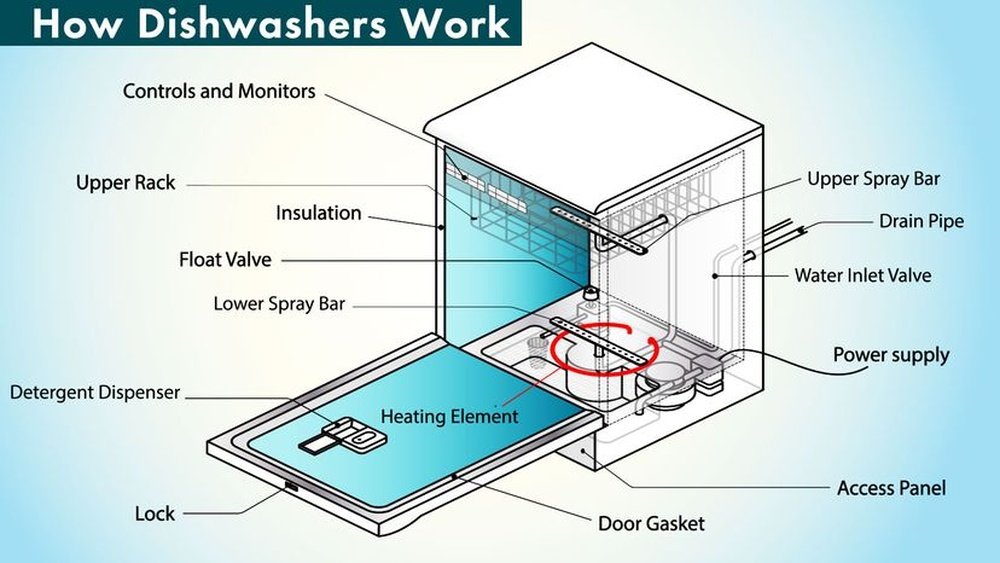
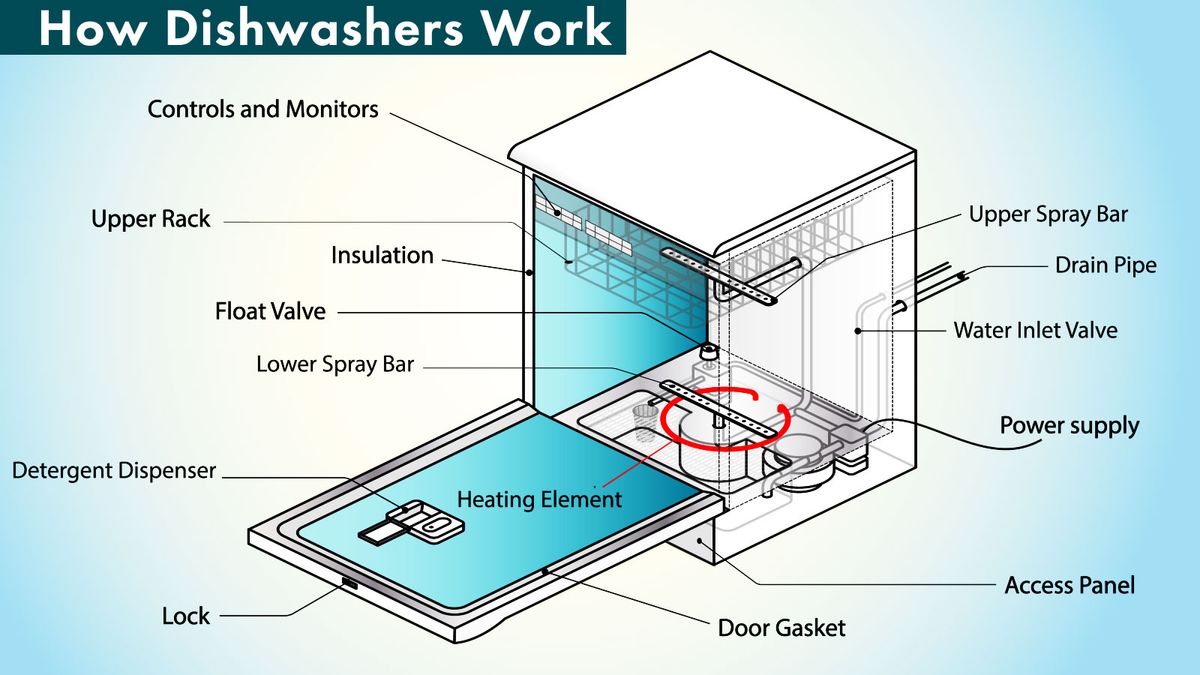
Key Components Involved In Heating Water
Dishwashers use several parts to heat water and control its temperature. Here are the most important ones:
- Heating element: This is a thick, metal coil or loop at the base of the dishwasher tub.
- Thermostat: A sensor that measures water temperature and signals the heating element to turn on or off.
- Control board: The “brain” of the dishwasher, coordinating timing and temperature.
- Circulation pump: Moves water through the spray arms and over the heating element.
- Temperature sensor (thermistor): Monitors changes and sends data to the control board.
Not every dishwasher model is built exactly the same, but almost all modern designs include some version of these parts.
The Heating Element: The Main Source Of Hot Water
The heating element is the heart of the dishwasher’s water heating system. Most dishwashers have a circular or U-shaped metal coil at the bottom of the tub, similar in principle to the heating element in an electric oven or kettle.
Here’s how it works:
- After the dishwasher fills with water, the heating element receives power and begins to heat up.
- As the metal coil gets hot, it transfers heat directly to the water sitting at the bottom of the tub.
- The circulation pump draws the water up and sprays it onto dishes, repeating the process until the water reaches the required temperature.
Some advanced dishwashers use a different method called flow-through water heating. Instead of a simple coil, they have a small, high-powered heater that heats water as it passes through a tube. This method is more common in European and high-end models.
Common Types Of Heating Elements
| Type | Location | Efficiency | Typical Models |
|---|---|---|---|
| Exposed Coil | Bottom of tub | Moderate | Basic and mid-range |
| Hidden (Flow-through) | Internal water line | High | Premium, European |
Hidden or flow-through heaters are more energy-efficient and heat water faster, but exposed coils are still very common in North America.
The Role Of The Thermostat And Sensors
The thermostat acts like a traffic light for the heating element. It continuously checks the water’s temperature and tells the control board when to turn the heater on or off. This prevents overheating, which could damage dishes or melt plastic.
- When the water is too cool, the thermostat signals the heating element to stay on.
- Once the target temperature is reached, the heater shuts off.
- If the water cools down during the cycle, the heater will turn on again as needed.
Modern dishwashers use thermistors (advanced temperature sensors) for more precise readings. These sensors can detect even small changes, making temperature control more reliable and energy efficient.
Heating Water Step-by-step: What Happens During A Cycle
To understand the process, let’s follow a typical dishwasher cycle and see how water is heated:
- Pre-wash phase: The dishwasher fills with water from your home supply. The water is usually between 100°F and 120°F (38°C to 49°C).
- Heating phase: The heating element turns on and warms the water to the set temperature (usually 120°F to 160°F). This can take several minutes, depending on starting temperature and model.
- Main wash phase: Hot water is sprayed over dishes, mixing with detergent to break down food and grease.
- Rinse phase: Fresh water is added and heated again, ensuring all detergent and debris are washed away.
- Sanitizing/Final rinse (optional): Some cycles include a final rinse with extra-hot water (up to 160°F or 71°C) to kill any remaining bacteria.
- Drying phase: The heating element may activate again, not for water heating but to dry dishes using heat.
This step-by-step process ensures every load gets clean, safe, and dry dishes.
How Different Dishwasher Brands And Models Heat Water
Not all dishwashers are built the same. Brands and models vary in how they heat water, how quickly they reach the desired temperature, and how much energy they use. Here’s a quick comparison of popular brands:
| Brand | Heating Technology | Typical Cycle Temp | Energy Efficiency |
|---|---|---|---|
| Bosch | Flow-through heater | 130°F – 160°F | Very High |
| Whirlpool | Exposed coil | 120°F – 150°F | High |
| GE | Exposed coil | 120°F – 150°F | Moderate |
| Samsung | Flow-through heater | 135°F – 160°F | Very High |
European brands like Bosch and Samsung often use hidden, flow-through heaters, which are faster and more efficient. North American brands like Whirlpool and GE still use exposed coils in many models. Both styles are safe and effective but have different strengths.
How Water Temperature Is Controlled During Washing
Dishwasher cycles are carefully programmed for each phase. For example:
- Eco or normal cycles aim for 120°F to 140°F, balancing cleaning and energy use.
- Sanitize or heavy cycles heat water up to 155°F to 160°F, which is necessary for killing tough germs and removing baked-on food.
Sensors keep checking the temperature throughout the cycle. If the water cools down, the heating element turns on again. Some dishwashers pause the cycle until the right temperature is reached. This is why certain cycles take longer if your home’s water supply is colder than usual.
Can You Run A Dishwasher With Only Cold Water?
Most dishwashers are designed to connect to a hot water supply line. However, there are situations where only cold water is available, such as in some apartments or older homes. Some European dishwashers are designed to work with cold water and heat it entirely themselves.
What happens if you connect to cold water?
- The dishwasher will still heat the water, but cycles will take longer because the heating element has to work harder.
- You may use more electricity, since it takes more energy to heat from cold.
- Very old or basic models may not reach high enough temperatures if water starts too cold, which can affect cleaning and sanitization.
If you have only cold water available, check your dishwasher’s manual to see if it can handle the extra heating load.
How Much Energy Does A Dishwasher Use To Heat Water?
Heating water is the most energy-intensive part of running a dishwasher. The U.S. Department of Energy estimates that about 80% to 90% of the energy used in a typical dishwasher cycle goes to heating water.
- A standard dishwasher uses about 1.5 kWh of electricity per cycle.
- If most of your water heating is done by your home’s water heater, your dishwasher uses less electricity but more gas or electric energy at the water heater.
- Energy Star dishwashers are designed to heat water efficiently, often using flow-through heaters and smart sensors to minimize waste.
Newer models with Eco cycles use lower temperatures and less water, saving energy but sometimes requiring longer cycles to get dishes clean.
The Difference Between Dishwasher Water Heating And Home Water Heaters
You might wonder: why not just let your home’s water heater do all the work? There are a few reasons why dishwashers heat water themselves:
- Consistency: Your dishwasher can guarantee water reaches the exact temperature needed for cleaning and sanitizing, regardless of your home’s hot water supply.
- Efficiency: It avoids running gallons of hot water from your tap just to fill the dishwasher.
- Safety: Some homes keep water heaters set lower to prevent burns, especially with children or elderly residents.
If your home’s water heater is set too low (below 120°F/49°C), your dishwasher’s built-in heater will compensate. However, this may increase cycle time and energy use.
Advanced Dishwasher Features That Improve Water Heating
Modern dishwashers include features that improve water heating, cleaning, and efficiency. Some of the most useful are:
- Soil sensors: These detect how dirty the dishes are and adjust water temperature and cycle time for the best results.
- Sanitize cycle: This extra-hot rinse kills 99.9% of bacteria, meeting NSF/ANSI Standard 184 for sanitization.
- Smart scheduling: Some dishwashers can delay starting until your home’s water heater is at its hottest, saving energy and time.
- Half-load or quick cycles: These use lower temperatures and shorter cycles for lightly soiled dishes, conserving energy.
Some models even connect to your home’s “smart grid,” heating water when electricity rates are lowest.
Common Problems With Dishwasher Water Heating
Sometimes, dishwashers fail to heat water properly. Here are common problems and their causes:
- Faulty heating element: If the coil is broken, water will not heat at all.
- Bad thermostat or sensor: If the sensor fails, the machine might not know when to heat the water.
- Control board malfunction: Electronic issues can prevent the heater from turning on.
- Low home water temperature: If your home’s hot water is set too low, cycles may run longer or fail to sanitize.
- Limescale buildup: Hard water can coat the heating element, reducing efficiency.
If you notice dishes are coming out dirty, greasy, or with a white film, it’s worth checking these parts. Some issues, like a broken heating element, require a technician to replace.
How To Check If Your Dishwasher Is Heating Water Properly
You don’t need special tools to check if your dishwasher is heating water. Here’s what you can do:
- Touch test: After a cycle, open the door and carefully touch a metal item (like a spoon). It should feel hot or very warm.
- Steam check: When you open the dishwasher right after the final rinse, you should see steam escaping.
- Cleaning results: Dishes should come out clean, dry, and free of greasy residue or cloudy film.
- Sanitize light: Some models have a “sanitize” indicator. If it’s not lighting up, the water may not be hot enough.
If you suspect a problem, try running a cycle with the hottest setting, and check the results. If your dishes are still not clean or hot, it may be time for service.
Credit: home.howstuffworks.com
How To Make Your Dishwasher Heat Water More Efficiently
Even the best dishwasher can work better with a few simple tips:
- Run hot water at the sink before starting: This ensures the dishwasher fills with hot water from the start, not cold water sitting in the pipes.
- Set your home’s water heater to 120°F (49°C) or higher: This provides a good starting point for the dishwasher’s internal heater.
- Don’t overload the machine: Crowded dishes block water flow, so the heat doesn’t reach every item.
- Use the right detergent: Some detergents are made for lower temperatures; others require hotter water to activate.
- Clean the filter and spray arms: Food buildup can block water and reduce heating efficiency.
By following these steps, you can improve cleaning and energy use without buying a new appliance.
The Impact Of Hard Water On Dishwasher Heating
Hard water contains extra minerals like calcium and magnesium. Over time, these minerals can build up as limescale on the heating element, making it less efficient. Signs of hard water problems include:
- White, chalky residue on dishes and glassware
- Cloudy or streaked glasses
- Reduced heating speed or lower water temperature
To prevent this, you can:
- Use a dishwasher cleaner or descaler every few months
- Add rinse aid to help break down minerals
- Install a water softener if your area has very hard water
Maintaining your dishwasher keeps heating elements working well and extends the machine’s life.

Credit: www.spinchill.com
How Dishwasher Heating Affects Drying
The same heating element that warms water is often used in the drying phase. After the final rinse, the element heats the air inside the tub, speeding up evaporation. Some dishwashers use a fan for extra airflow, while others rely on the heat from the rinse water alone (known as condensation drying).
- Heated dry: Uses the coil to heat air, drying dishes faster but using more energy.
- Air dry or condensation dry: Uses residual heat and air circulation, saving energy but taking longer.
If you want the fastest, driest results, use the heated dry option. For lower energy bills, choose air dry or open the door after the cycle ends.
Dishwasher Water Heating In Energy-efficient And Eco-friendly Models
Eco-friendly dishwashers are designed to use less water and energy. They often:
- Use flow-through heaters to warm water quickly and only as needed
- Run longer cycles with lower temperatures to save energy but still clean well
- Include sensors to adjust heating based on the load’s size and soil level
The U.S. Environmental Protection Agency’s Energy Star program certifies dishwashers that meet strict energy and water use guidelines. If you want to learn more about these standards, check the official Energy Star guide.
How To Troubleshoot Heating Problems At Home
If your dishwasher isn’t heating water properly, try these steps before calling a repair service:
- Check your home’s hot water setting: Make sure it’s at least 120°F (49°C).
- Inspect the heating element for visible damage: Look for cracks or heavy white buildup.
- Clean the filter and spray arms: Blockages can affect both cleaning and heating.
- Run a dishwasher cleaner: This removes limescale and food residue.
- Read your manual: Some brands have specific reset steps or troubleshooting tips.
If these steps don’t solve the issue, the heating element or thermostat may need replacement.
Myths And Misunderstandings About Dishwasher Water Heating
It’s easy to find myths about dishwashers, especially online. Let’s clear up a few:
- “Dishwashers use only cold water.” False—almost all dishwashers use hot water for cleaning and drying.
- “If my water heater is set high, the dishwasher doesn’t need its own heater.” Also false—the machine still uses its own heater to reach precise temperatures.
- “Heated drying is bad for dishes.” Not true—modern dishwashers use safe temperatures, but you should avoid high heat if you wash plastic items.
Understanding how dishwashers work helps you get better results and avoid common mistakes.

Credit: southendplumbingllc.com
Innovations And Future Trends In Dishwasher Water Heating
The future of dishwashers is focused on smart technology, energy efficiency, and better cleaning performance. Some trends include:
- Heat pump technology: Uses less electricity by recycling heat from the wash water.
- Wi-Fi connectivity: Lets users monitor cycles and energy use from their phones.
- Adaptive heating: Sensors adjust water temperature for each load, saving energy without sacrificing cleanliness.
- Ultrasonic cleaning: Experimental models use high-frequency sound waves instead of just hot water.
These innovations aim to reduce costs, conserve resources, and make dishwashers smarter.
How To Choose A Dishwasher With The Best Water Heating Features
If you’re buying a new dishwasher, here’s what to look for:
- Energy Star certification: Ensures high efficiency and good heating performance.
- Sanitize cycle: For deep cleaning and germ removal.
- Flow-through or hidden heater: For faster, more even heating.
- Adjustable temperature settings: Lets you customize for different loads.
- Soil sensors: For smart energy and water use.
Check reviews and user guides to see how each model performs in real homes, not just in the showroom.
What Beginners Often Miss About Dishwasher Water Heating
Even experienced users sometimes overlook these key points:
- Preheating matters: Running your kitchen tap until hot before starting the dishwasher helps the machine heat water faster.
- Cycle length depends on water temperature: If the water entering the dishwasher is cool, the cycle will run longer as the heating element works harder.
- Limescale can reduce performance: Hard water buildup acts as insulation, making the heating element less effective and increasing energy use.
By paying attention to these details, you can get cleaner dishes and save money over time.
Frequently Asked Questions
How Hot Does A Dishwasher Get During The Wash Cycle?
Most dishwashers heat water to between 120°F and 160°F (49°C to 71°C) during the main wash and rinse cycles. The highest temperatures are usually reserved for the sanitize cycle.
Can I Connect My Dishwasher To A Cold Water Line?
Some European dishwashers are designed for cold water supply, but most North American models require a hot water connection. If only cold water is available, the dishwasher will still heat the water, but cycles will be longer and energy use will increase.
Why Are My Dishes Not Coming Out Clean Or Dry?
This may be due to a faulty heating element, low home water temperature, or blocked spray arms. Check for limescale buildup, run a cleaner, and make sure your home’s water heater is set to at least 120°F (49°C).
Is It Safe To Wash Plastic Items With Heated Drying?
Most modern dishwashers use safe drying temperatures. However, thin or low-quality plastics may warp or melt. For these items, use air dry or place them on the top rack.
How Can I Make My Dishwasher Use Less Energy When Heating Water?
Choose Eco or quick wash cycles, keep your home’s water heater at 120°F (49°C), and run full loads. Clean filters and spray arms regularly, and use a rinse aid to improve drying without extra heat.
Understanding how a dishwasher heats water helps you make smart choices for cleaner, safer dishes, better energy use, and longer appliance life. With just a few small changes, you can enjoy better performance from your dishwasher for years to come.