
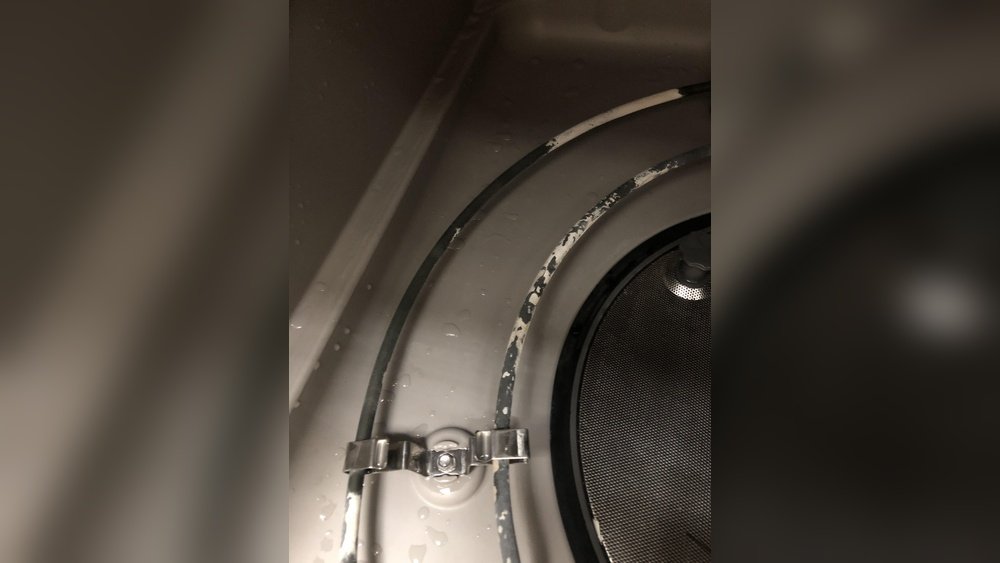
If you’ve ever opened your dishwasher and noticed strange white spots, cloudy buildup, or even a burning smell, you might be surprised to learn the problem could be your dishwasher heating element. This small but powerful part is responsible for heating water to high temperatures, which helps clean and sanitize your dishes. Over time, minerals from hard water, food debris, and even soap residue can build up on the heating element, reducing its efficiency and, in some cases, causing damage. Many people overlook this important part during routine cleaning, but giving it some attention can make a big difference in both dishwasher performance and the lifespan of your appliance.
Most guides for cleaning a dishwasher focus on the filters or spray arms. But if your dishes aren’t drying well, or if you see chalky deposits near the bottom rack, it’s time to check and clean the heating element. This process is straightforward but requires a bit of know-how and care.
Let’s explore how to clean your dishwasher heating element safely and effectively, why it matters, and how to keep it running at its best. Whether you’re a first-time homeowner or just want your dishwasher to work like new, this guide will give you all the information you need.
Why The Dishwasher Heating Element Matters
The heating element does more than just make your dishes hot. It boosts the water temperature during wash cycles, helps dissolve detergent, and dries your dishes at the end. A dirty or blocked element can lead to:
- Cloudy glassware and dishes
- Leftover food particles
- Unpleasant smells
- Higher energy bills (because the machine works harder)
- Even possible breakdowns
According to the U.S. Department of Energy, dishwashers with clean and well-maintained heating elements use up to 15% less energy than those with heavy buildup. That means regular maintenance can save you money and keep your kitchen running smoothly.
Signs Your Dishwasher Heating Element Needs Cleaning
Many people don’t notice a dirty heating element until there’s a clear problem. Here are some signs:
- White or gray chalky residue near the bottom rack (often from hard water minerals)
- Dishes aren’t drying or are still wet after the cycle
- Unpleasant smells (burnt or musty odors)
- Visible buildup on the element (scaly or crusty patches)
- Dishwasher taking longer to finish or failing to reach high temperatures
If you see one or more of these issues, it’s time for a deep clean.
Safety Precautions Before You Begin
Dealing with electrical appliances always requires care. Here are important safety steps:
- Unplug the dishwasher or turn off power at the breaker box. Never clean the heating element while the machine is plugged in.
- Wait for the element to cool down. The heating element can stay hot even after the cycle ends.
- Read your dishwasher’s manual. Some models have special instructions or warnings.
- Wear gloves if you use any cleaning chemicals or have sensitive skin.
- Keep water away from electrical components. Don’t soak the area or let liquids pool near wires.
Tools And Materials You’ll Need
You won’t need many tools, but having the right ones ready makes the job easier and safer:
- Soft brush or old toothbrush
- Non-abrasive sponge
- White vinegar
- Baking soda
- Lemon juice (optional, for extra power)
- Clean, dry cloth
- Plastic scraper (never use metal)
- Spray bottle
- Small bowl or cup
- Screwdriver (in rare cases where the element cover must be removed)

Credit: www.youtube.com
Step-by-step Guide To Cleaning The Dishwasher Heating Element
Cleaning your heating element is a process that involves more than just wiping it down. Let’s break it down into clear steps:
1. Turn Off And Empty The Dishwasher
Always start by turning off the power. Remove all dishes, racks, and the utensil holder so you can reach the heating element without obstruction.
2. Locate The Heating Element
Most dishwashers have a curved metal bar or coil at the bottom, often silver or black. Some models have a covered element or a flat strip. If you’re unsure, check your manual or look for a part that sits close to the base and is separate from the spinning arms.
3. Inspect For Build-up
Look closely for:
- White or gray limescale (from hard water)
- Brown or black burn marks
- Food particles or sticky residue
If you see heavy buildup, you’ll need to use more than just soap and water.
4. Remove Loose Debris
Using a soft brush or dry cloth, gently remove any loose crumbs, food, or debris around the element. Don’t use anything sharp or hard—metal tools can damage the heating element’s protective coating.
5. Apply Vinegar Solution
Mix equal parts white vinegar and water in a spray bottle. Spray the heating element and let it sit for 10-15 minutes. Vinegar helps dissolve mineral deposits and softens stubborn residue.
6. Scrub Gently
Using a soft toothbrush or non-abrasive sponge, gently scrub the heating element. Focus on areas with visible buildup, but don’t use excessive force. For thicker limescale, you can dip your brush in vinegar or lemon juice for extra cleaning power.
> Non-obvious tip: If your area has very hard water, mix a paste of baking soda and vinegar and let it sit on tough spots for 20-30 minutes before scrubbing.
7. Wipe Clean And Dry
Use a clean, damp cloth to wipe away any loosened residue, then dry the element with a soft towel. Make sure there’s no standing water near any wires or electrical connections.
8. Run A Rinse Cycle
Replace the racks and run an empty rinse cycle (hot water, no dishes or detergent). This washes away any remaining cleaner or particles and ensures the heating element is ready for use.
9. For Heavy Buildup Or Burn Marks
Sometimes, vinegar alone isn’t enough. If you see tough, burned-on residue:
- Use a plastic scraper to gently lift stubborn spots.
- Apply a paste of baking soda and water and let it sit for 10-15 minutes before scrubbing.
- For persistent marks, repeat the vinegar soak and gentle scrubbing process.
Never use steel wool or metal brushes. These can scratch the protective coating and cause the element to rust or break.
10. Final Check
Once finished, check that the element is clean, dry, and free of damage. If you see cracks or exposed wires, contact a professional for repairs.
Comparing Cleaning Methods For Dishwasher Heating Elements
It’s helpful to compare how different cleaning solutions work against common types of buildup. Here’s a quick look:
| Cleaning Method | Best For | Strengths | Limitations |
|---|---|---|---|
| White Vinegar | Limescale, light residue | Natural, safe, easy to use | May need repeated use for heavy buildup |
| Baking Soda Paste | Stubborn spots, mild stains | Mildly abrasive, deodorizes | Not as effective alone for thick limescale |
| Lemon Juice | Mineral buildup, odor | Natural, fresh scent, acid power | Less effective for burnt-on residue |
| Plastic Scraper | Thick, stuck-on residue | Removes tough buildup safely | Should not be used on delicate surfaces |
How Often Should You Clean The Heating Element?
Most experts recommend a deep clean every 3–6 months. However, if you notice signs of hard water (like white spots on glassware or chalky residue in the machine), you might need to clean more often—some homes require monthly care.
Factors that affect cleaning frequency:
- Water hardness in your area (the higher, the more often you clean)
- Dishwasher usage (daily users need more frequent cleaning)
- Type of detergent (some leave more residue than others)
- Rinse aid use (helps prevent mineral buildup)
> Pro tip: Run a monthly empty cycle with a cup of vinegar on the top rack to help maintain a clean element and machine.
Preventing Future Buildup
Once your element is clean, keep it that way with these habits:
- Rinse dishes before loading. Scrape off food, especially starchy or sticky items.
- Use the right detergent. Choose a quality detergent designed for your water type.
- Add rinse aid. This helps prevent mineral deposits and aids drying.
- Run hot cycles. Hot water is better at dissolving grease and minerals.
- Check for leaks. A leaking dishwasher can cause minerals to collect faster.
- Clean the filter regularly. A clogged filter makes the whole system work harder.
What If The Heating Element Is Still Dirty Or Not Working?
After cleaning, if you still see stains, or if dishes remain wet and cold, your heating element might be damaged or worn out. Common signs of a failing heating element include:
- Dishes never fully dry, no matter the cycle
- Visible cracks, blisters, or breaks in the element
- Dishwasher stops mid-cycle or trips the circuit breaker
At this point, it’s best to call a qualified technician. Replacing a heating element is usually not a DIY job for most people because it involves electrical connections and sometimes requires removing the dishwasher from under the counter.
Understanding Hard Water And Its Impact
Hard water contains a high level of minerals, mainly calcium and magnesium. When your dishwasher heats this water, these minerals can settle on the heating element and other parts. Over time, this forms a hard, chalky layer that’s tough to remove.
Some areas in the United States have much harder water than others. Check your local water report or ask your utility company if you’re unsure. If you have hard water, consider installing a water softener or using dishwasher-specific products that help prevent mineral buildup.

Credit: www.reddit.com
Comparing Heating Element Materials
Not all heating elements are the same. Here’s a comparison:
| Material | Durability | Resistance to Buildup | Common Issues |
|---|---|---|---|
| Stainless Steel | High | Good | Can discolor, rare to rust |
| Nickel-Chrome Alloy | Very high | Excellent | Can develop surface spots |
| Ceramic-coated | Moderate | Excellent | Coating can chip if scratched |
Non-obvious insight: If you know your heating element’s material, you can choose the safest cleaning method. For example, ceramic-coated elements are sensitive to scraping, while stainless steel tolerates mild abrasives.
Safe Cleaning Products And What To Avoid
Some cleaning products can damage your dishwasher or heating element. Here’s what’s safe and what to avoid:
Safe to use:
- White vinegar
- Baking soda
- Lemon juice
- Commercial dishwasher cleaner (follow instructions)
Avoid:
- Bleach (can damage seals and metals)
- Abrasive powders (like scouring cleaners)
- Steel wool or hard scrubbing pads
- Ammonia-based cleaners
> Important: Always check your dishwasher manual before using any product. Some brands have specific recommendations.
Common Mistakes To Avoid
Even experienced homeowners sometimes make mistakes when cleaning their dishwasher’s heating element. Here’s what to watch for:
- Using metal tools. This can scratch and ruin the element.
- Forgetting to turn off power. Always unplug or switch off at the breaker.
- Scrubbing too hard. Gentle cleaning is best.
- Letting water pool near wires. Dry everything thoroughly.
- Ignoring manufacturer instructions. Your model may have unique needs.
When To Call A Professional
If you see any of these warning signs, stop and get expert help:
- Cracks, chips, or exposed wires on the heating element
- Dishwasher trips the breaker or gives error codes
- Strong burning smells that don’t go away after cleaning
- Unusual noises during the drying cycle
Professional appliance repair techs can diagnose and fix problems safely. Attempting electrical repairs yourself is risky if you’re not trained.
Environmental Benefits Of Regular Cleaning
Maintaining a clean dishwasher heating element isn’t just good for your dishes—it’s also good for the planet. Here’s why:
- Efficient dishwashers use less water and energy
- You won’t need to run extra cycles to get clean results
- Clean elements last longer, reducing appliance waste
According to the Environmental Protection Agency (EPA), home appliances that are regularly maintained can last up to 30% longer than those that are neglected. This means fewer dishwashers in landfills and less energy used in manufacturing replacements.
For more on appliance efficiency, visit the EPA’s energy page.
Additional Tips For Long-term Dishwasher Health
Beyond just the heating element, a few simple habits can keep your entire dishwasher running smoothly:
- Clean the spray arms every few months (remove and rinse under water)
- Check the door seals for mold or debris
- Run a “clean dishwasher” cycle with a commercial cleaner every 3–6 months
- Use hot water (120°F or above) for best cleaning and drying results
- Avoid overloading the machine—this blocks the element and spray arms
Troubleshooting: If Cleaning Doesn’t Solve The Problem
After cleaning, if problems continue, try these steps:
- Check water temperature. Dishwashers need hot water to work well. Run the hot tap before starting a cycle.
- Inspect the thermostat. Some dishwashers have a thermostat that controls the heating element. If it fails, the element won’t work.
- Look for error codes. Newer models display codes if something is wrong. Check your manual or the manufacturer’s website.
- Listen for unusual noises. Clicking, buzzing, or popping sounds can mean electrical problems.
If you can’t fix the issue, it’s best to call a professional before further damage occurs.
The Role Of Detergents And Rinse Aids
Not all detergents are the same. Some leave more residue, especially powder forms, while others are designed to reduce buildup. If you have hard water, look for detergents labeled “for hard water” or “limescale prevention. ” Rinse aids help water slide off dishes and the element, preventing minerals from sticking.

Credit: www.reddit.com
Quick Reference: Cleaning Schedule
To help you remember, here’s a basic cleaning schedule:
| Task | Frequency |
|---|---|
| Clean heating element | Every 3–6 months |
| Run vinegar rinse cycle | Monthly |
| Clean filters | Monthly |
| Check spray arms | Every 3–6 months |
| Wipe door seals | Every 6 months |
Frequently Asked Questions
How Do I Know If My Dishwasher Has A Heating Element?
Most dishwashers have a visible metal bar or coil at the bottom, which is the heating element. Some newer models use hidden or covered elements. Check your manual or look for a part that sits separately from the spray arms and stays in place during the cycle.
Can I Use Commercial Dishwasher Cleaner For The Heating Element?
Yes, many commercial dishwasher cleaners are safe for the heating element. Make sure to follow the product instructions and check your dishwasher’s manual. Some cleaners are designed to target limescale and grease, which helps keep the element clean.
Is It Safe To Use Vinegar In My Dishwasher?
White vinegar is safe for most dishwashers and is effective at dissolving mineral deposits. Avoid using vinegar together with bleach, and don’t use it in large amounts too often, as it can wear out rubber seals over time. Once a month is enough for most homes.
What If My Heating Element Is Discolored But Works Fine?
Discoloration (such as brown or gray spots) is common and doesn’t always mean there’s a problem. If the element is free of thick buildup, cracks, or blisters, and your dishes are drying well, it’s likely working fine. Clean it as needed and watch for changes.
Do All Dishwashers Dry Dishes Using A Heating Element?
No, some modern dishwashers use condensation drying instead of a heating element. These models rely on hot water and air circulation. If your dishwasher doesn’t have a visible heating element, check your manual for the drying method used.
Keeping your dishwasher heating element clean is a simple but important task. A few minutes every few months can make your machine last longer, save energy, and give you sparkling clean dishes every time. With the right tools, safe cleaning solutions, and a bit of know-how, you can prevent most dishwasher problems before they start.