
Creating a beautiful charcuterie board is more than just arranging meats and cheeses. It’s about keeping everything fresh, safe, and delicious for your guests. If you’ve ever hosted a party, you know how quickly things can warm up on a crowded table.
Whether you’re serving at home, outdoors, or at an event, learning how to keep a charcuterie board cold is a skill every host needs. This guide gives practical advice, expert tips, and real examples to help you succeed.
Why Temperature Matters For Charcuterie Boards
A charcuterie board is a mix of perishable foods—meats, cheeses, fruits, dips. Keeping these items cold is not just about taste, it’s about safety. According to the USDA, perishable foods should not sit above 40°F (4°C) for more than two hours. After that, bacteria can multiply fast, leading to spoilage or foodborne illness.
Cheeses lose their texture and flavor if they warm up too much. Meats can become oily or even unsafe. Even fresh fruits wilt and look less appealing. For outdoor events, the risk rises because temperatures can reach 80°F (27°C) or more.
Guests may not notice, but food quality drops quickly.
Preparing Your Board: Pre-chill Everything
One of the most effective ways to keep your charcuterie board cold starts before you even assemble it.
- Refrigerate meats and cheeses: Chill all items overnight before serving. This ensures every piece starts at the lowest possible temperature.
- Pre-chill serving platters: Put your board—wood, marble, or ceramic—in the fridge for at least an hour. Marble and ceramic hold cold better than wood.
- Chill fruit and dips: Wash and refrigerate fruit. Place dips in the coldest part of your fridge.
This early preparation means your board has a strong “cold foundation,” making it easier to keep everything safe during your event.
Choosing The Right Board Material
The material of your board affects how well it keeps food cold. Each type has benefits and drawbacks.
| Material | Cold Retention | Durability | Best For |
|---|---|---|---|
| Marble | Excellent | High | Cheese, meats |
| Ceramic | Good | Medium | Fruit, dips |
| Wood | Poor | High | Bread, crackers |
| Slate | Very Good | Medium | Cheese |
| Plastic | Fair | Medium | Outdoor events |
Marble and ceramic boards are ideal. They absorb cold and keep it longer. Wood boards look beautiful but warm up quickly. If you use wood, consider placing a marble slab on top for extra cooling.
Using Ice Packs And Cooling Inserts
Ice packs are a simple solution, but they need careful placement. You want to keep food cold, not wet.
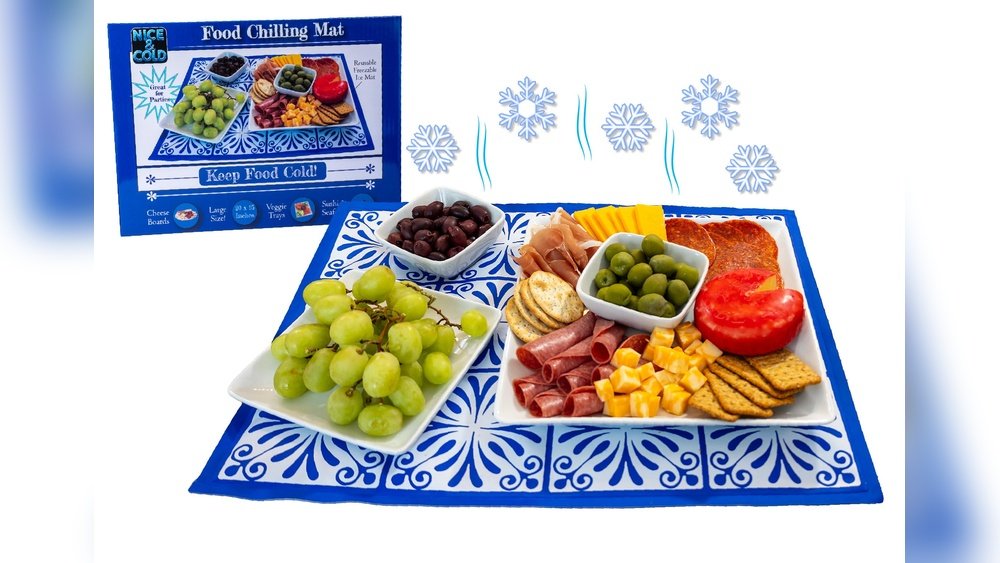
- Flat gel packs can be chilled and placed under the board. Choose packs that don’t sweat or leak.
- Reusable cooling inserts are often sold with charcuterie boards. They fit under or inside the board, keeping everything cold for up to 4 hours.
- For outdoor events, wrap ice packs in towels to prevent condensation.
Hidden Cooling Tricks
Some boards have built-in cooling sections. For example, a marble board with a slot underneath for ice packs. If you don’t have this, you can improvise:
- Place ice packs under a layer of parchment paper.
- Stack the board over a tray filled with ice, separated by a waterproof liner.
For small boards, freeze grapes or berries and use them as edible cooling “decor. ”

Credit: cravingcalifornia.com
Arranging Your Board For Maximum Cold
How you arrange food matters. It’s not just about looks—it’s also about food safety.
- Place meats and cheeses directly over cooling inserts or cold spots.
- Keep dips and spreads in chilled bowls, not just on the board.
- Use fruits and vegetables as a “buffer” on the edges, away from the warmest spots.
A common mistake is to pile everything together. This traps heat and raises the risk of spoilage. Instead, space items so air can circulate.
Using Elevated Boards And Airflow
Airflow helps keep food cooler for longer. Elevate your board above the table using risers or small blocks. This lets cold air circulate underneath.
- For outdoor parties, place the board on a mesh tray or cooling rack.
- Indoors, use ceramic feet or small stands.
This method is especially useful when combined with ice packs or trays beneath the board.
Covering The Board When Not In Use
Food left uncovered warms up faster. When guests arrive, it’s tempting to leave everything open, but a simple cover keeps things cold.
- Use cling wrap or plastic domes to cover the board between servings.
- For large events, use transparent lids to show off your board while protecting it.
- A damp, clean towel can cover fruit or cheese, keeping them moist and cool.
Covering reduces exposure to air and helps retain cold, especially in warm rooms or outside.
Serving In Stages: Rotating Fresh Boards
For parties longer than two hours, consider rotating boards. Prepare two or three boards in advance. Keep the extras in the fridge or cooler, and swap them as needed.
- Serve the first board for 60–90 minutes.
- Replace with a fresh, chilled board when the first warms up.
- This prevents food from sitting out too long.
This method is common at weddings and large gatherings. It keeps food safe and gives guests a fresh experience each time.
Using Insulated Serving Containers
Special containers designed to keep food cold can help, especially for dips and spreads.
- Double-walled bowls are filled with ice or gel, keeping dips cold for hours.
- Insulated trays work well for cheeses and meats.
If you don’t have these, improvise with a small metal bowl nested inside a larger bowl filled with ice.
Outdoor Events: Managing Heat And Sun
Outdoor events are the biggest challenge. Sun and heat make food spoil quickly. Here’s how to handle it:
- Shade: Always place the board under an umbrella or canopy.
- Portable coolers: Keep backup boards and extra food in a cooler.
- Frequent checks: Use a food thermometer to check the temperature. If it rises above 40°F, swap the board or add more cooling.
- Quick serving: Limit serving time outside to 1–1.5 hours.
Sunlight also causes cheeses to sweat and meats to dry out. Never place the board directly in sun, even for a short time.
Using Frozen Ingredients For Extra Cooling
Some ingredients can be served frozen or chilled, adding extra cooling.
- Frozen grapes or berries double as decor and edible ice.
- Frozen cheese cubes hold cold longer and slowly thaw.
- Chilled olives and pickles add a cool, tangy touch.
Frozen elements are especially popular in summer. They keep the board fresh and surprise guests with a unique texture.
Keeping Food Safe: Monitoring Temperature
Food safety is critical. It’s easy to overlook, but a small mistake can lead to illness.
- Use a digital food thermometer to check board temperature. Aim for 35–40°F.
- Check every hour, especially outdoors.
- If food warms above 40°F for more than 2 hours, discard it.
Most hosts don’t check temperature often enough. This simple step avoids risk and keeps your board safe.

Credit: www.youtube.com
Practical Tips For Large Gatherings
Big events need extra planning. Keeping a charcuterie board cold for dozens of guests means scaling up your efforts.
- Prepare multiple boards and rotate every hour.
- Use large coolers to store extra meats, cheeses, and dips.
- Assign a helper to monitor and swap boards.
- For buffet-style events, use ice-filled trays beneath every board.
Catering companies often use specialized cooling trays with gel inserts. For home events, try a shallow roasting pan filled with ice beneath a marble board.
Storing Leftovers Safely
After the event, leftover food must be handled carefully.
- Wrap meats and cheeses tightly and refrigerate within 2 hours.
- Store dips and fruits in airtight containers.
- Discard any food that sat above 40°F for more than 2 hours.
Most leftovers can be kept for 1–2 days if properly chilled. If unsure, it’s safer to throw away.
Common Mistakes To Avoid
Even experienced hosts make mistakes. Here are some you should avoid:
- Using only wood boards: Wood warms up fast and doesn’t keep food cold.
- Leaving boards in the sun: Sunlight heats food quickly, making it unsafe.
- Piling food too high: Air can’t circulate, so food warms up and spoils.
- Serving everything at once: Food sits out too long, especially at large events.
- Ignoring temperature checks: Without monitoring, it’s easy to miss dangerous warming.
- Not covering food: Exposure to air and light speeds up spoilage.
These mistakes can ruin your board and risk your guests’ health. Careful planning avoids them.
Comparing Cooling Methods: Pros And Cons
Different methods work for different situations. Here’s a quick comparison.
| Cooling Method | Effectiveness | Cost | Best Use |
|---|---|---|---|
| Marble board | High | Medium | Indoor events |
| Ice packs | Medium | Low | Small parties |
| Insulated containers | High | Medium | Dips, spreads |
| Rotating boards | Very High | Medium | Large gatherings |
| Frozen ingredients | Low | Low | Summer parties |
| Elevated board | Medium | Low | Outdoor events |
Choose methods based on your event size, location, and available tools.
Charcuterie Board Cooling Checklist
Before your event, run through this list:
- Pre-chill all ingredients and the board.
- Select marble or ceramic boards for best cold retention.
- Prepare ice packs or cooling inserts.
- Arrange food for airflow and cooling.
- Cover the board when not in use.
- Rotate boards for long events.
- Use shaded areas outdoors.
- Monitor temperature regularly.
- Store leftovers quickly.
This checklist covers the main steps. Following it helps keep your board fresh and safe.
Real-world Examples And Data
Studies show that food left at room temperature rises to 70°F (21°C) within 30 minutes, even indoors. Outdoors, it can reach 90°F (32°C) in 15 minutes. This means meats and cheeses can become unsafe faster than most people realize.
Professional caterers often use cooling trays with gel inserts. These keep food below 40°F for 2–4 hours, depending on size and placement. Home hosts can achieve similar results with marble boards and frequent rotation.
A survey of 500 event hosts found that 68% did not monitor board temperature, and 42% had food spoilage issues at outdoor parties. The lesson? Careful cooling and monitoring is essential.
Advanced Cooling Techniques
If you want to go beyond basic methods, try these advanced ideas:
Dry Ice Cooling
Dry ice can keep boards cold for hours, but it must be handled safely.
- Place dry ice under the board, separated by a thick towel.
- Never let dry ice touch food directly.
- Use in well-ventilated areas.
Dry ice lasts longer than regular ice but can be dangerous if mishandled.
Cooling Gel Trays
Professional gel trays are reusable and keep food cold for 4–6 hours. They’re more expensive but ideal for large events.
- Freeze overnight.
- Place under or inside your serving board.
- Clean and reuse for future events.
Portable Refrigerated Boards
Some companies sell boards with built-in refrigeration. These plug into outlets or run on batteries, keeping food cold all day.
- Great for weddings or high-end events.
- Expensive but reliable.
Eco-friendly Cooling Options
If you want to avoid plastic or disposable ice packs, use these eco-friendly methods:
- Freeze cloth napkins and use them under the board.
- Use stainless steel “ice cubes” that chill food without melting.
- Freeze ceramic bowls or plates.
These options reduce waste and still keep food cold.

Credit: curatedspread.com
Seasonal Adjustments
Different seasons require different cooling plans.
- Summer: Use more ice packs, frozen ingredients, and shade.
- Winter: Boards stay cold naturally, but monitor indoor heating.
- Spring/Fall: Prepare for changing temperatures and keep backup cooling ready.
Adjust your plan based on weather and location.
How Long Can You Keep A Charcuterie Board Cold?
With proper planning, a board can stay below 40°F for 2–4 hours indoors, or 1–2 hours outside. Using marble boards, cooling inserts, and rotation can extend this time. Always monitor temperature and swap boards as needed.
Adding Style While Staying Cool
You don’t have to sacrifice style for safety. Use colorful frozen fruit, decorative chilled bowls, and marble slabs to make your board beautiful and cold.
- Arrange frozen grapes as a border.
- Use elegant ceramic bowls for dips.
- Add edible flowers that tolerate cold.
Style and safety can work together with smart planning.
Frequently Asked Questions
How Long Can A Charcuterie Board Sit Out Before It Becomes Unsafe?
A charcuterie board should not sit out for more than 2 hours at room temperature. In hot weather, this drops to 1 hour. After that, bacteria can multiply, making food unsafe.
What Is The Best Material For Keeping A Charcuterie Board Cold?
Marble is the best material for cold retention. Ceramic and slate also work well. Wood boards look nice but warm up quickly and are less effective.
Can I Use Regular Ice Under The Board?
Yes, but only if you separate it from the food with a waterproof liner. Ice melts and can make the board wet. Gel packs or cooling inserts are usually better.
How Do I Keep Dips And Spreads Cold?
Use double-walled bowls or insulated containers. Nesting a small bowl inside a larger bowl filled with ice also works. Always chill dips before serving.
What Should I Do With Leftovers From A Charcuterie Board?
Wrap and refrigerate leftovers within 2 hours. Store meats and cheeses in airtight containers. Discard any food that sat above 40°F for more than 2 hours.
Creating a charcuterie board that stays cold is part art, part science. With the right tools, careful planning, and a few smart tricks, you can serve delicious, safe food for any event. Guests will enjoy fresh flavors—and you’ll enjoy peace of mind. If you want to learn more about food safety, visit the Food Safety Government Site. Your next charcuterie board can be both beautiful and perfectly chilled—no matter the occasion.