
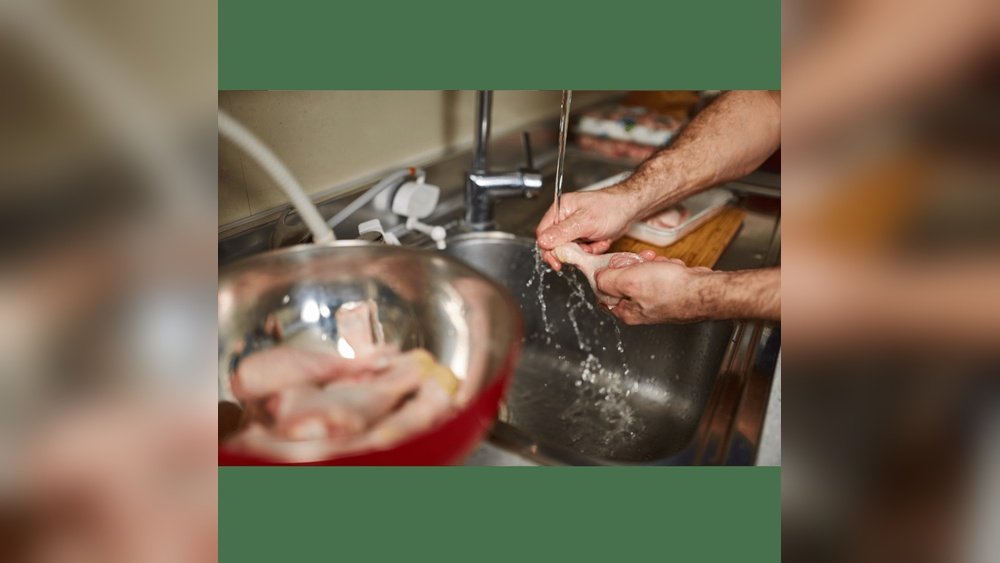
Cleaning your kitchen after handling raw chicken is not just about making things look neat. It’s about protecting your health. Raw chicken can carry harmful bacteria like Salmonella and Campylobacter. These germs are not always visible, and a quick rinse is not enough to remove them. If left on your sink, they can spread to other foods, your hands, and anything you touch. That’s why knowing how to clean your sink after raw chicken is critical for safe cooking.
In this guide, you’ll learn a step-by-step process to clean your sink properly. You’ll see why certain methods work better than others, what products to use, and how to avoid common mistakes people often make. You’ll also find practical tips and expert advice to help you build safe kitchen habits for life.
Why Cleaning After Raw Chicken Matters
Most people underestimate how easily bacteria can spread from raw chicken. Even small splashes of juice or bits of meat can leave dangerous germs behind. These bacteria are tough—they can survive on surfaces for hours or even days. If you wash vegetables or dishes in the same sink without cleaning it first, you risk contaminating your food and making your family sick.
The Centers for Disease Control and Prevention (CDC) reports that about 1 million people in the United States get sick each year from contaminated poultry. Many of these illnesses start in home kitchens, not restaurants. Simple cleaning can break this chain.
Understanding Cross-contamination
Cross-contamination is when germs from one thing (like raw chicken) move to another (like salad greens or your hands). In the kitchen, this happens easily:
- Using the same sponge for dishes and sink
- Placing cooked food where raw chicken sat
- Touching the faucet with dirty hands
Even if you don’t see chicken juice, germs might still be there. That’s why you need more than just water to clean up.
What You’ll Need To Clean Your Sink
Before you start, gather these cleaning items:
- Disposable gloves (optional but recommended)
- Paper towels or clean cloths
- Dish soap (any antibacterial or regular works)
- Disinfectant (bleach solution or kitchen-safe spray)
- Scrub brush or non-scratch sponge
- Hot water
- A small bowl or bucket (for mixing disinfectant)
- Clean towel (for drying)
Pro tip: Use color-coded sponges or brushes for raw meat zones to avoid confusion.
Step-by-step: How To Clean Sink After Raw Chicken
Each step in this process has a purpose. Skipping one can leave bacteria behind.
Step 1: Remove Visible Debris
Start by picking up any leftover chicken bits or packaging from the sink. Use paper towels to wipe up obvious juices or pieces. Don’t use your regular kitchen cloth, as it can spread bacteria.
Key insight: Even if you plan to disinfect, removing debris first makes the next steps more effective.
Step 2: Rinse With Hot Water
Turn on the tap and use hot water (as hot as your hands can handle safely). Rinse the entire sink to wash away loose particles and some bacteria. Hot water helps loosen any sticky juices.
Step 3: Wash With Dish Soap
Apply dish soap directly to your sponge or brush. Scrub all surfaces—sink basin, faucet handles, drain, and the rim. Don’t forget corners and under the faucet where splashes can hide. Rinse thoroughly with hot water.
Common mistake: People often skip scrubbing the faucet handles, but your hands touch them during cooking.
Step 4: Rinse Again
After scrubbing, rinse away all the soap and loosened dirt. Soap residue can stop disinfectant from working well.
Step 5: Disinfect
This is the most important step. Washing removes some germs, but only disinfection kills the ones that cause illness.
How To Make A Bleach Solution
Mix 1 tablespoon of unscented liquid bleach with 1 gallon of water (about 15 mL per 3.8 L). Always add bleach to water, not the other way around. Wear gloves if possible.
Apply Disinfectant
Pour or spray the solution over all sink surfaces and faucet handles. Let it sit for at least 5 minutes—this contact time is needed to kill bacteria. Don’t rush this step.
Alternative disinfectants: You can use a kitchen disinfectant spray, but check the label for correct usage and contact time.
Step 6: Final Rinse
After disinfecting, rinse the sink with hot water to remove chemical residue. This is important if you’ll use the sink for food after.
Step 7: Dry
Wipe the sink dry with a clean towel or paper towels. Bacteria grow faster in wet places, so drying helps keep things safe.
Disinfectant Comparison
Here’s a quick look at different disinfectants you can use after raw chicken:
| Disinfectant | Effectiveness | Contact Time Needed | Safe for Food Surfaces? |
|---|---|---|---|
| Bleach Solution | Very high | 5+ minutes | Yes, if rinsed |
| Kitchen Disinfectant Spray | High | Check label (usually 5-10 min) | Yes, if labeled for food use |
| White Vinegar | Moderate | 10+ minutes | Yes |
| Hydrogen Peroxide (3%) | High | 5-10 minutes | Yes |
Note: Vinegar does not kill all types of bacteria from raw chicken. It’s better than nothing but not as strong as bleach.
How Often To Clean Your Sink
- After every contact with raw chicken: Always clean and disinfect the sink right away.
- End of each cooking session: Even if you didn’t touch raw chicken, it’s smart to wash the sink at the end.
- Deep cleaning: Once a week, give your sink a deeper clean, including the drain and faucet aerator.
How Long Do Bacteria Survive In The Sink?
Research shows that Salmonella can survive on stainless steel surfaces for up to 32 hours. Campylobacter can last for several hours, sometimes days, if the sink stays moist. This means that if you only rinse, bacteria can still be there long after you finish cooking.
Best Practices For Sink Cleaning After Raw Chicken
Following the basic steps is good, but these extra tips make your kitchen even safer:
Use Separate Cleaning Tools
Have a special sponge or brush just for cleaning up after raw meat. Color-code it (for example, red for raw meat) and keep it away from other sponges.
Wash Cloths And Sponges Often
Bacteria love wet cloths and sponges. After cleaning, wash them in the hot cycle of your washing machine or soak them in bleach solution. Replace sponges every week or sooner if they smell.
Clean The Faucet And Handles
People often forget to clean faucet handles. Every time you touch the faucet with dirty hands, you can transfer bacteria. Always scrub and disinfect these areas too.
Don’t Forget The Drain
Small bits of chicken can get trapped in the drain. Pour some disinfectant down the drain after cleaning. You can also use boiling water to flush out bacteria.
Air Dry Vs. Towel Dry
Air drying is safe, but if you use a towel, make sure it’s clean and used only for drying cleaned surfaces. Do not use the same towel for your hands and for drying the sink.
Common Mistakes To Avoid
Even careful cooks make errors that can spread bacteria. Here are some to watch out for:
- Using the same cloth for everything: Don’t use your counter-wiping cloth to clean up raw chicken juice.
- Skipping disinfectant: Soap and water clean dirt, but only disinfectant kills germs.
- Cleaning before removing debris: Always remove all food bits before washing and disinfecting.
- Rushing contact time: Disinfectants need time to work. Wiping them off too soon means bacteria survive.
- Ignoring the drain and faucet: These are high-touch zones that collect bacteria.
- Using harsh chemicals then not rinsing: If you use bleach or other strong cleaners, always rinse well to remove residues before using the sink for food.
- Leaving wet surfaces: Bacteria grow faster on damp areas.
Example Cleaning Routine
Here’s a practical routine to follow after handling raw chicken:
- Put on gloves if you have them.
- Remove all chicken packaging and scraps from the sink.
- Wipe up juices with paper towels. Throw them away.
- Rinse sink and faucet with hot water.
- Scrub all surfaces with soap and a dedicated sponge.
- Rinse thoroughly.
- Spray or pour disinfectant everywhere, including handles and drain.
- Wait at least 5 minutes.
- Rinse with hot water.
- Dry with a clean towel.
Repeat this every time you prepare raw chicken. It only takes a few minutes but keeps your kitchen safe.
Comparing Sink Surfaces: Which Is Easiest To Clean?
The type of sink you have can affect cleaning. Here’s a comparison:
| Sink Material | Ease of Cleaning | Disinfectant Compatibility | Scratch Resistance |
|---|---|---|---|
| Stainless Steel | Very easy | All types safe | High |
| Porcelain | Easy | Most types safe; avoid harsh abrasives | Moderate |
| Composite Granite | Moderate | Check manufacturer advice | High |
| Plastic/Resin | Easy | Avoid bleach (may discolor) | Low |
Stainless steel is the best choice for easy, safe disinfection.
What About Garbage Disposals?
If your sink has a garbage disposal, it can collect bacteria after rinsing raw chicken. After cleaning the sink, do this:
- Run hot water and turn on the disposal for 30 seconds.
- Pour a cup of bleach solution or disinfectant down the disposal.
- Let it sit 10 minutes, then flush with more hot water.
This kills germs hiding in the disposal and reduces odors.
Should You Use Natural Cleaners?
Some people prefer natural cleaners like baking soda and vinegar. These can help with odor and light cleaning, but they are not strong enough to kill all bacteria from raw chicken. Use them for regular cleaning, but always use a disinfectant after handling raw meat.
Signs You Need To Deep Clean Your Sink
Sometimes, a regular wipe-down is not enough. Deep clean if you notice:
- Bad smells, even after cleaning
- Sticky or greasy feeling, especially near the drain
- Visible stains or buildup
- You or someone in the house has been sick with a stomach bug
A deep clean includes scrubbing all surfaces, soaking the drain, and disinfecting handles, faucet, and any nearby items.
Kitchen Habits To Prevent Contamination
Keeping your kitchen safe is about more than just cleaning once. Build good habits:
- Wash hands before and after handling raw chicken
- Use a cutting board just for raw meat
- Clean knives and utensils right away
- Don’t stack dirty dishes in the sink with raw chicken residue
- Wipe down counters and handles every time
Real-world Example: How Bacteria Spread In A Kitchen
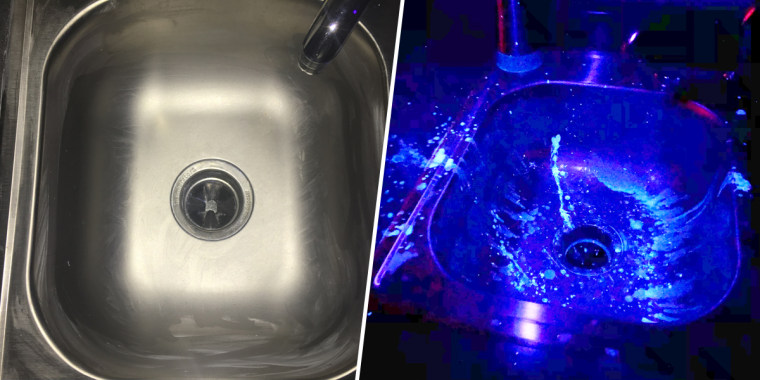
A study by the Journal of Food Protection found that when people washed raw chicken in the sink, bacteria spread to the faucet, nearby counters, and even the refrigerator handle within minutes. Most participants thought they cleaned well, but tests showed bacteria remained in the sink and on towels.
This shows why careful, step-by-step cleaning is necessary—even if you don’t see dirt.
Safe Disposal Of Cleaning Materials
After cleaning, throw away any paper towels used to wipe raw chicken. If you used gloves, remove them without touching the outside. Wash your hands thoroughly with soap and warm water for at least 20 seconds.
How To Store Cleaning Products Safely
Keep bleach and disinfectants out of reach of children and pets. Store them in original containers and never mix cleaning products together, as this can produce dangerous fumes.
Credit: emaidsinc.com
Cleaning Other Areas: Beyond The Sink
Don’t forget about:
- Sink handles and sprayer
- Soap dispensers
- Countertops around the sink
- Dish drying rack
Bacteria can spread easily, so include these in your cleaning routine.
Special Advice For Busy Families
If your household is busy, teach everyone the basic cleaning routine. Post a simple checklist near the sink. Use disinfectant wipes for quick cleaning if you’re in a hurry, but always deep clean at the end of the day.
Non-obvious insight: If you have small children, clean lower cabinet handles and step stools, since bacteria can reach surprising places.
Credit: www.nbcnews.com
What If You Don’t Have Bleach?
If you can’t use bleach (some people are sensitive), choose a kitchen disinfectant labeled for killing bacteria. Hydrogen peroxide (3%) is a good alternative—spray it on, wait 10 minutes, then rinse.
Should You Wash Raw Chicken?
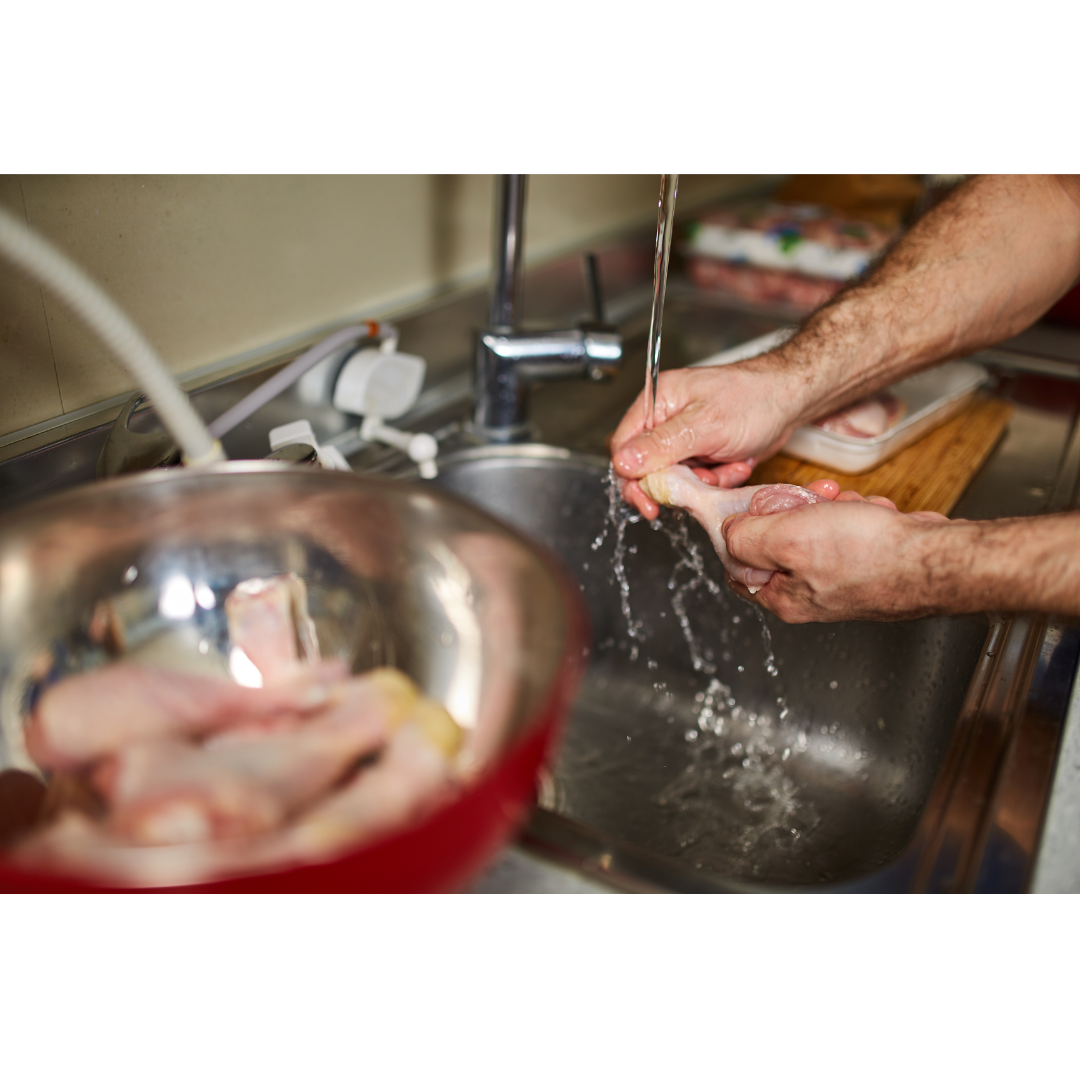
The USDA and most food safety experts say: Never wash raw chicken before cooking. Washing can spread bacteria to your sink, counters, and other foods. Cooking to 165°F (74°C) kills bacteria, but washing spreads them around.
For more on safe kitchen habits, see the CDC’s guide to chicken safety.

Credit: www.youtube.com
Frequently Asked Questions
How Often Should I Clean My Sink After Handling Raw Chicken?
You should clean and disinfect your sink every single time you handle raw chicken. Even a quick rinse is not enough. Bacteria can survive for hours or days, so always follow the full cleaning routine.
Can I Use Just Hot Water And Soap To Clean The Sink?
Hot water and soap remove some bacteria and debris, but they do not kill all germs from raw chicken. Always follow with a disinfectant step to make sure your sink is safe.
Is Vinegar Enough To Disinfect After Raw Chicken?
Vinegar is not strong enough to kill all types of bacteria found in raw chicken. It may reduce odor and clean some dirt, but it cannot replace bleach or a disinfectant for this purpose.
Can I Use The Same Sponge For Dishes And For Cleaning Up Raw Chicken Juice?
No, you should not. Use a dedicated sponge or brush for cleaning after raw chicken. Mixing sponges spreads bacteria to your dishes and other surfaces.
What Should I Do If I Accidentally Touched Other Surfaces After Handling Raw Chicken?
Immediately wash your hands with soap and water, then clean and disinfect any surfaces you touched—like faucet handles, fridge door, or counters. This stops bacteria from spreading further.
Cleaning your sink after handling raw chicken is one of the simplest ways to protect your family’s health. With the right tools, a clear routine, and smart habits, your kitchen stays safe—every meal, every day.