
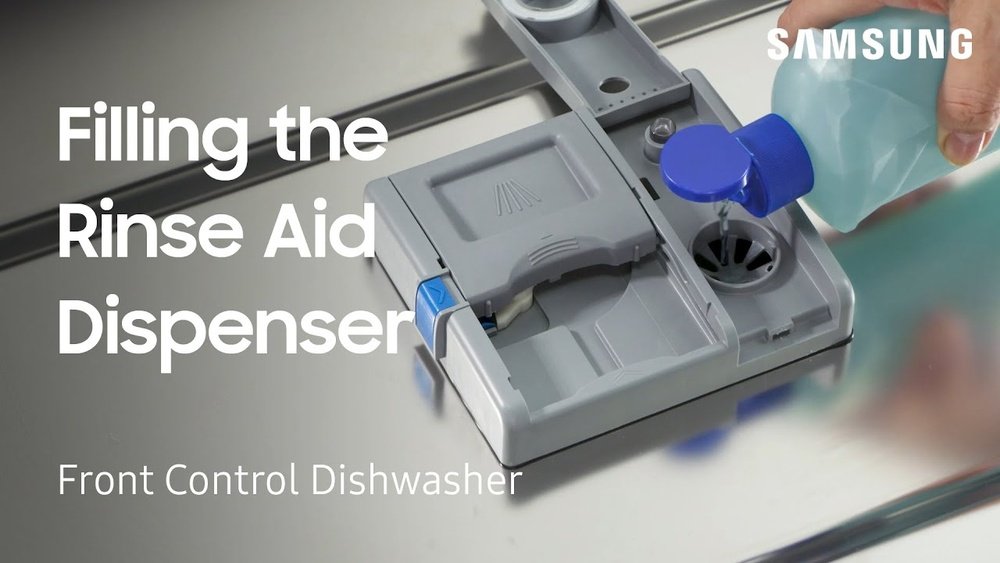
Every dishwasher owner wants sparkling clean dishes with minimum effort. But sometimes, you notice cloudy glasses, streaks, or water spots even after a normal wash cycle. This is where rinse aid comes into play. Many people know about dishwasher detergent, but fewer understand the importance of rinse aid or how to refill it correctly. Learning to fill rinse aid in your dishwasher is a simple task, but doing it right can improve your cleaning results, save you time, and even extend the life of your appliance.
If you’ve never filled rinse aid before, you might be unsure where to find the compartment, how much to use, or why it even matters. Whether your dishwasher is new or you’ve just never used this feature, this guide will walk you through everything you need to know.
You’ll learn what rinse aid does, how to find and fill the compartment, how often to refill, and how to avoid common mistakes. With practical tips and answers to common questions, you’ll be ready to get the most from your machine and enjoy spotless dishes every time.
Why Rinse Aid Matters In Your Dishwasher
Many people think dishwasher detergent is enough to clean dishes. However, if you notice spots or a film on your glassware, the missing link is probably rinse aid. Rinse aid is a special liquid that helps water slide off surfaces during the final rinse cycle. This means less water clinging to your dishes, leading to fewer spots, faster drying, and a cleaner shine.
What Does Rinse Aid Do?
Rinse aid works by reducing the surface tension of water. In simple terms, it makes water less “sticky,” so it slides off plates and glasses instead of forming droplets. This helps in a few important ways:
- Prevents water spots on glasses and dishes
- Reduces streaks on shiny surfaces
- Speeds up drying (less water left on dishes)
- Improves overall cleanliness (less residue)
Without rinse aid, especially in areas with hard water, you’ll likely see dull, spotty, or cloudy results.
Is Rinse Aid Safe?
Most commercial rinse aids are designed to be safe for use in dishwashers and on food-contact surfaces. They are formulated to rinse away completely during the wash cycle. If you have concerns about chemicals, there are eco-friendly and fragrance-free options available.
When Do You Need Rinse Aid?
Some dishwashers have built-in sensors that can adjust to water conditions, but rinse aid is helpful for almost everyone. It’s especially useful if:
- You have hard water (high mineral content)
- You notice spots or streaks after washing
- Your dishes take a long time to dry
Even in soft water areas, rinse aid helps dishes dry faster and look cleaner.
Understanding The Rinse Aid Compartment
Before you can fill rinse aid, you need to know where to find the compartment and how it works.
Where Is The Rinse Aid Compartment Located?
On most dishwashers, the rinse aid compartment is inside the door, near where you place the detergent. It usually has a small cap or cover, sometimes labeled with a water droplet or star symbol. Some brands use transparent windows to show the fill level.
How Does The Compartment Work?
The compartment releases a small amount of rinse aid during each wash cycle. Most machines have a dial or setting that controls how much is dispensed, allowing you to adjust based on water hardness and preferences.
Typical Compartment Capacity
Most rinse aid compartments hold 100–150 ml (3–5 oz), enough for about 20–30 wash cycles. The size may vary by brand and model.
Signs Your Rinse Aid Is Empty
- A warning light or symbol appears on your dishwasher’s display
- Dishes have more spots or take longer to dry
- Manual check reveals the compartment is empty
How To Fill Rinse Aid In Your Dishwasher
Filling rinse aid is quick and easy, even if you’ve never done it before. Follow these steps for best results.
Step 1: Gather What You Need
- Rinse aid product (choose based on your preference: Standard, eco-friendly, or fragrance-free)
- A clean, dry cloth (to wipe spills)
- Funnel (optional, for easier pouring)
Step 2: Open The Dishwasher Door
Make sure the dishwasher is off and completely cool. Open the door fully to access the inside.
Step 3: Locate The Rinse Aid Compartment
Look for a small round or rectangular compartment on the inside of the door, next to the detergent dispenser. It should have a cap marked with a water droplet, star, or “Rinse Aid” label.
Step 4: Open The Rinse Aid Cap
Twist or lift the cap to open. Some caps unscrew, others flip open on a hinge. If you’re unsure, check your dishwasher’s user manual for a diagram.
Step 5: Fill The Compartment
- Hold the rinse aid bottle above the compartment.
- Pour slowly until the compartment is full. Many compartments have a max fill line—do not overfill!
- If using a funnel, insert it into the compartment for easier pouring.
- Wipe up any spills with a dry cloth.
Step 6: Close The Cap Securely
Make sure the cap is tightly closed to prevent leaks during the wash cycle.
Step 7: Adjust The Dispenser Setting (if Available)
Some dishwashers have a small dial near the compartment. This lets you control how much rinse aid is used per cycle. For hard water, use a higher setting; for soft water, use less. Start with the middle setting and adjust if you see spots or streaks.
Step 8: Close The Dishwasher Door
After filling and securing the cap, close the door. The rinse aid will be released automatically during the next cycles.
Choosing The Best Rinse Aid For Your Needs
Not all rinse aids are the same. Your choice can affect cleaning results, safety, and even the environment.
Types Of Rinse Aid
- Standard Liquid Rinse Aid: Most common, works well for most users.
- Eco-Friendly/Plant-Based: Made from renewable materials, biodegradable, and often fragrance-free.
- Fragrance-Free/Allergy-Friendly: Good for sensitive users or those who dislike scents.
- Homemade Rinse Aid: Some people use vinegar as a natural rinse aid. However, this can damage some dishwasher parts over time.
Comparing Rinse Aid Types
Here’s a side-by-side look at common options:
| Type | Pros | Cons | Best for |
|---|---|---|---|
| Standard Liquid | Effective, widely available | Contains chemicals, sometimes scented | Most households |
| Eco-Friendly | Biodegradable, safer for environment | May be less effective in hard water | Eco-conscious users |
| Fragrance-Free | No added scents, gentle on skin | Limited choices | Allergy sufferers |
| Homemade (Vinegar) | Cheap, natural | May damage dishwasher parts | Short-term or emergency use |
How To Choose
- Consider water hardness: Harder water needs stronger rinse aids.
- Think about allergies or sensitivities: Go for fragrance-free or plant-based if needed.
- Check your dishwasher warranty: Using homemade rinse aids like vinegar can void warranties.
How Often Should You Refill Rinse Aid?
Your dishwasher uses only a small amount of rinse aid per cycle, so you don’t need to refill it every time.
Typical Frequency
- Average use: Every 1–2 months, depending on how often you run the dishwasher.
- Heavy use: Weekly, especially if you wash daily or have hard water.
Factors That Affect How Often You Refill
- Dishwasher model: Some use more rinse aid per cycle.
- Rinse aid setting: Higher settings use more.
- Water hardness: Hard water means you may need more frequent refills.
- Household size: More people means more loads.
How To Know When It’s Time
Many modern dishwashers have a rinse aid indicator light on the control panel. If your machine doesn’t have a light, check the compartment every few weeks.
Common Mistakes When Filling Rinse Aid
Even a simple task has its pitfalls. Here are mistakes to avoid:
- Overfilling the compartment: This can cause leaks or sticky residue inside the dishwasher door.
- Using the wrong product: Only use products labeled as dishwasher rinse aid, unless the manual says otherwise.
- Pouring rinse aid into the detergent slot: This reduces cleaning effectiveness and can cause foaming.
- Not closing the cap tightly: Rinse aid may leak out during washing.
- Ignoring the dispenser setting: Too much rinse aid can leave a soapy film; too little leads to spots.
- Using vinegar regularly: While it’s a popular DIY tip, regular use can corrode some dishwasher parts, especially rubber seals.
- Forgetting to check the compartment: If you let it go empty, you’ll see more spots and slower drying.
Credit: www.home-connect.com
How Water Hardness Affects Rinse Aid Use
The amount of minerals in your water makes a big difference in dishwasher results.
What Is Hard Water?
Hard water has high levels of calcium and magnesium. It leaves white spots, buildup, and can make detergents less effective.
How Do You Know Your Water Hardness?
You can check with your local water supplier or use a simple home test kit.
Adjusting Rinse Aid For Water Hardness
Many dishwashers have a setting for how much rinse aid to use. If you have hard water:
- Increase the rinse aid setting
- Consider using a water softener if your dishwasher has one
Here’s a comparison of rinse aid needs by water type:
| Water Hardness | Common Signs | Rinse Aid Setting | Refill Frequency |
|---|---|---|---|
| Soft | No spots, fast drying | Low | 1–2 months |
| Medium | Occasional spots | Medium | Every month |
| Hard | Frequent white spots | High | Every 2–3 weeks |
If your area has very hard water, you may also want to use dishwasher salt (for models with a salt compartment).
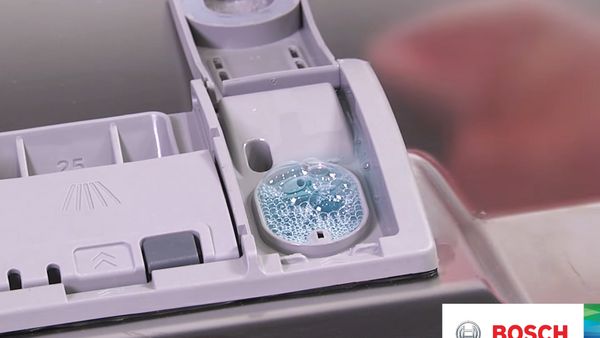
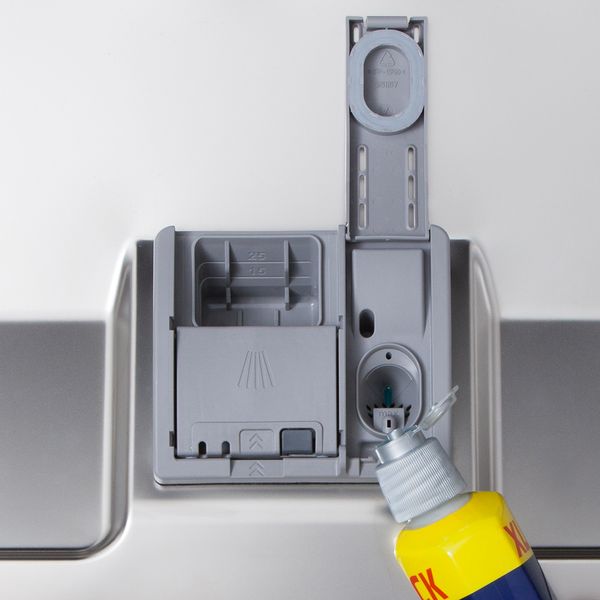
Step-by-step Example: Filling Rinse Aid In A Bosch Dishwasher
Let’s walk through a real example with a popular brand.
- Open the dishwasher door fully.
- Find the rinse aid compartment: On Bosch, it’s a round cap next to the detergent dispenser.
- Twist the cap counterclockwise to open.
- Pour rinse aid into the compartment until it reaches the max line (about 110 ml).
- Wipe any spills with a dry cloth.
- Close the cap tightly.
- Check the indicator window: Bosch models have a small window that turns dark when full and clear when empty.
- Adjust the dial (if needed) under the cap to match your water hardness.
This process is similar for most brands, but always check your manual if you’re unsure.
Tips For Getting The Best Results
Small adjustments can make a big difference in how your dishwasher performs.
- Check the rinse aid level regularly: Make it a monthly habit.
- Wipe up spills right away: Rinse aid can be sticky if left on surfaces.
- Use the right setting for your water: Don’t be afraid to experiment and adjust.
- Clean the rinse aid compartment if you notice buildup. Once or twice a year, rinse the compartment with warm water.
- Don’t mix rinse aid brands in the same fill: Use up one type before switching to another for the best results.
- Replace the cap securely every time to prevent leaks.
What If Your Dishwasher Uses All-in-one Tablets?
Some dishwasher detergents come as all-in-one tablets that promise to clean, shine, and dry dishes without extra rinse aid. But do you still need to fill the rinse aid compartment?
Tablets Vs. Liquid Rinse Aid
All-in-one tablets contain some rinse aid, but it may not be enough for hard water or extra-shiny results. Most dishwasher manufacturers still recommend filling the rinse aid compartment, especially if you see spots or streaks.
Here’s a quick comparison:
| Method | Spot Prevention | Drying Speed | Best For |
|---|---|---|---|
| All-in-one Tablet Only | Good in soft water | Average | Quick, simple use |
| Tablet + Rinse Aid | Excellent, even in hard water | Faster | Maximum shine |
| Tablet Only, No Rinse Aid | Fair, may see spots | Slower | Low-maintenance, but less shine |
If your machine has a rinse aid compartment, it’s usually best to fill it, even if you use tablets.
Troubleshooting: Common Rinse Aid Problems
Sometimes, even with proper filling, issues can arise.
If You See Streaks Or A Cloudy Film
- Check if you’re using too much rinse aid—try lowering the dispenser setting.
- Make sure the compartment cap is closed tightly.
- Run a cleaning cycle with dishwasher cleaner to remove any buildup.
If You Still See Water Spots
- Increase the rinse aid setting.
- Check for hard water buildup in the machine.
- Try a different rinse aid product.
If The Rinse Aid Light Stays On
- The sensor may be dirty—clean around the cap and indicator.
- The float or sensor could be stuck. Try gently tapping the area or consult the manual.
If You Smell A Strong Odor
- Some rinse aids have a scent. Try a fragrance-free version.
- Clean the compartment with warm water and let it dry before refilling.
Environmental And Health Considerations
Rinse aid is safe for most users, but some prefer to limit chemicals in their home.
- Eco-friendly brands use plant-based ingredients and fewer synthetic chemicals.
- Fragrance-free options help those with sensitivities or allergies.
- Homemade alternatives (like vinegar) are popular, but long-term use can harm dishwasher parts.
If you want to learn more about the environmental impact of rinse aid ingredients, you can check resources like the Environmental Working Group.

Credit: www.youtube.com
Practical Insights Most Beginners Miss
- Rinse aid is not just for glasses: It helps all types of dishes, including plastic containers, come out drier and cleaner.
- Adjust the dispenser dial seasonally: Hardness can change with local water supply or after plumbing work.
- Rinse aid works best with full loads: Overloading can block water and reduce effectiveness.
- Transparent windows help: If your model has a window, check it visually instead of waiting for the warning light.
- Old rinse aid can get thick: If the liquid is cloudy or sticky, clean the compartment before refilling.
Frequently Asked Questions
What Happens If I Don’t Use Rinse Aid?
Without rinse aid, you may see water spots, streaks, or cloudy glassware. Dishes may also take longer to dry. This is especially common in hard water areas.
Can I Use Vinegar Instead Of Rinse Aid?
White vinegar is sometimes used as a natural rinse aid, but it can damage rubber seals and hoses if used regularly. Most dishwasher manufacturers don’t recommend it for long-term use.
How Do I Know If My Dishwasher Needs More Rinse Aid?
Look for a rinse aid indicator light on your dishwasher’s control panel. If you don’t have a light, check the compartment every few weeks or if you notice spots on your dishes.
Is Rinse Aid Safe For All Dishwashers?
Most modern dishwashers are designed to use liquid rinse aid. Always check your user manual to confirm the type and amount recommended for your model.
Do I Need Rinse Aid If I Use All-in-one Detergent Tablets?
All-in-one tablets contain some rinse aid, but for the best drying and spot prevention, manufacturers still recommend filling the rinse aid compartment, especially in hard water areas.
Learning how to fill rinse aid in your dishwasher is a small task with big benefits. It keeps your dishes spotless, improves drying, and helps your machine run more efficiently. With the right rinse aid and proper technique, you’ll enjoy sparkling results every time you open your dishwasher.
Credit: www.bosch-home.com