
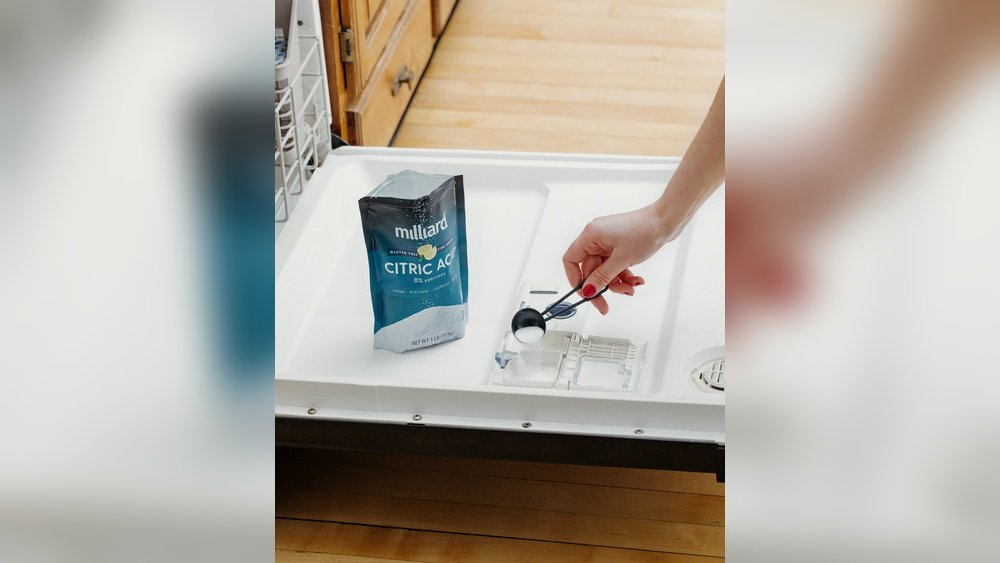
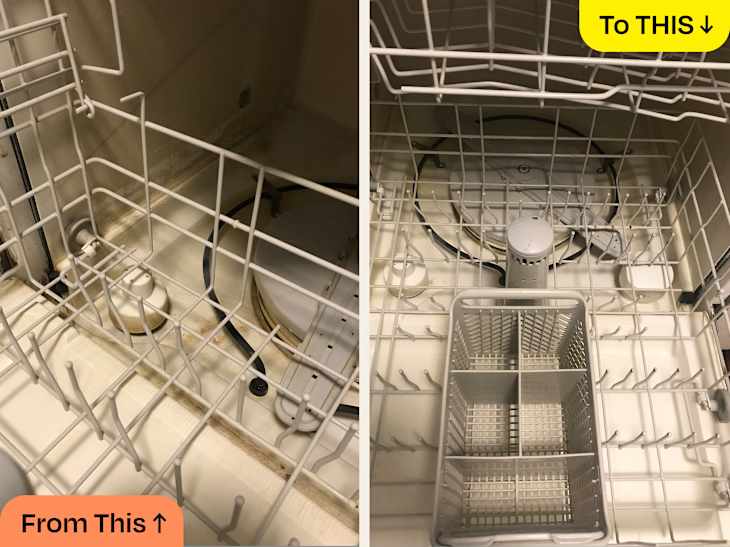
Cleaning your dishwasher with citric acid is a smart way to keep it running smoothly and looking fresh. Many people don’t realize their dishwasher needs regular cleaning, but neglect can lead to bad smells, cloudy dishes, and even poor performance. If you’re tired of opening your dishwasher and finding stains, limescale, or leftover food, citric acid could be your best solution. This natural cleaner removes mineral buildup, fights odors, and leaves your machine sparkling—all without harsh chemicals.
Most dishwashers collect hard water deposits, grease, and soap scum. Over time, these deposits block spray arms, clog filters, and reduce cleaning power. Citric acid, found in lemons and sold as a powder, dissolves these stubborn residues safely and effectively.
It’s also affordable, easy to use, and eco-friendly. Whether you’re dealing with a new dishwasher or one that’s been in use for years, citric acid can help restore its original shine.
This article will guide you step by step through the process of cleaning your dishwasher with citric acid. You’ll learn why citric acid works, how often to clean, and the best techniques for every part of your machine. We’ll also explore common mistakes, safety tips, and how citric acid compares with other cleaners.
By the end, you’ll know exactly how to maintain a spotless dishwasher and enjoy cleaner dishes every day.
Understanding Citric Acid As A Cleaner
Citric acid is a weak organic acid found in citrus fruits, especially lemons and limes. It’s widely used for cleaning because it dissolves minerals like calcium and magnesium, which cause hard water stains. When used in dishwashers, citric acid removes limescale, breaks down grease, and neutralizes odors. Unlike bleach or strong chemicals, it’s gentle on plastic and metal parts.
How Citric Acid Works
Citric acid attacks mineral deposits that build up in dishwashers. It binds to the minerals, making them soluble in water. When you run a cleaning cycle with citric acid, it spreads through the whole machine—spray arms, racks, filter, and walls.
This process lifts off stubborn stains and leaves surfaces clean.
Safety And Environmental Benefits
Unlike many commercial cleaners, citric acid is biodegradable and non-toxic. It doesn’t release harmful fumes, so it’s safe for your kitchen and family. It’s also gentle enough to use regularly without damaging dishwasher components. Citric acid is approved for food contact surfaces, making it a safe choice for cleaning appliances.
Why Dishwashers Need Regular Cleaning
Many people believe dishwashers clean themselves, but this isn’t true. Over time, grease, food particles, and hard water minerals stick to the inside. These residues block water flow and reduce cleaning power. Regular cleaning prevents:
- Bad smells from trapped food and mold
- Cloudy glassware from hard water stains
- Reduced performance as spray arms and filters get clogged
- Shorter appliance lifespan due to buildup on seals and moving parts
A clean dishwasher uses less energy and water. It also gives you cleaner dishes, saving time and money.
Signs Your Dishwasher Needs Cleaning
Some signs are easy to spot:
- Smelly interior after a cycle
- White or gray film on dishes and walls
- Visible food particles in the filter
- Spray arms not spinning freely
- Water pooling at the bottom
If you notice any of these, it’s time for a deep clean.
Comparing Citric Acid With Other Dishwasher Cleaners
You might wonder why not use store-bought cleaners or vinegar. Here’s how citric acid compares:
| Cleaner | Effectiveness | Safety | Cost | Odor |
|---|---|---|---|---|
| Citric Acid | Excellent for limescale, odor, and grease | Non-toxic, food-safe | Low | Neutral |
| Commercial Tablets | Good for general cleaning | Some contain strong chemicals | Medium to high | Perfumed |
| Vinegar | Moderate for limescale, good for odor | Safe, but can damage rubber parts | Low | Strong smell |
| Baking Soda | Good for odor, not for limescale | Safe | Low | Neutral |
Citric acid stands out because it removes mineral deposits better than vinegar or baking soda, and it’s cheaper than commercial tablets. Vinegar can harm some seals and hoses, while citric acid is much gentler.
How Often Should You Clean Your Dishwasher With Citric Acid?
Frequency depends on water hardness, dishwasher usage, and the type of detergent you use.
- Hard water areas: Clean every month
- Moderate water: Every 2–3 months
- Light use: Every 4 months
If you see stains or smell odors sooner, don’t wait. Cleaning too often won’t hurt your dishwasher, but it’s usually not necessary.
Professional Recommendations
Most appliance experts suggest monthly cleaning for best results. According to the National Sanitation Foundation (NSF), regular cleaning prevents bacteria and keeps dishwashers working efficiently.
Credit: www.thekitchn.com
Preparing For Dishwasher Cleaning
Before you start, gather your supplies:
- Citric acid powder (food-grade, 100–200 grams or 3.5–7 ounces)
- Measuring cup
- Soft brush or old toothbrush
- Microfiber cloth
- Rubber gloves (optional)
- Dishwashing detergent (optional for post-clean)
Remove all dishes, utensils, and racks if possible. Empty the filter and drain for best results.
Where To Buy Citric Acid
You can find citric acid at grocery stores, pharmacies, and online. Look for food-grade citric acid. Avoid industrial versions, which might have impurities.
Step-by-step Guide: Cleaning Your Dishwasher With Citric Acid
Here’s a detailed process to clean your dishwasher safely and effectively.
1. Empty The Dishwasher
Take out all dishes, racks, and utensil holders. This gives citric acid access to every surface.
2. Check And Clean The Filter
Pull out the lower filter. Rinse it under warm water and scrub with a brush if needed. Remove any food debris or grease.
3. Inspect Spray Arms
Check the spray arms for clogs. If holes are blocked, use a toothpick or small brush to clear them. This step ensures water and citric acid reach all areas.
4. Add Citric Acid
Pour 100–200 grams (about 3. 5–7 ounces) of citric acid powder into the bottom of the dishwasher. Don’t put it in the detergent dispenser; it works best directly in the machine.
5. Run A Hot Cycle
Set your dishwasher to the hottest, longest cycle. Some machines have a “sanitize” or “clean” setting. If not, choose the highest temperature. Close the door and let the cycle run fully.
The heat helps citric acid dissolve minerals and grease faster.
6. Wipe Down Surfaces
After the cycle, open the dishwasher and let it cool for a few minutes. Wipe down the inside walls, door, and seals with a microfiber cloth. Focus on corners and rubber seals, where buildup often hides.
7. Rinse And Replace Parts
If you removed racks or spray arms, rinse them under warm water and put them back. Make sure everything fits snugly.
8. Optional: Detergent Cycle
For extra shine, run another cycle with regular detergent and no dishes. This removes any leftover citric acid and freshens the machine.
9. Final Inspection
Check for streaks, stains, or lingering odors. If you see any, repeat the citric acid cycle. Most dishwashers look and smell fresh after one cleaning.

Credit: www.nytimes.com
Practical Tips For Best Results
Cleaning your dishwasher isn’t just about running a cycle. Here are some expert tips:
- Use hot water: Cold water slows citric acid’s reaction.
- Don’t overload with citric acid: Too much can cause foaming and make rinsing harder.
- Check water hardness: If you’re in a very hard water area, use citric acid more often.
- Clean rubber seals: These areas trap mold and grease. Wipe them gently with a damp cloth after cleaning.
- Leave the door open: After cleaning, let the dishwasher air dry. This prevents mold and odor.
Non-obvious Insights
- Citric acid can restore cloudy glassware: After cleaning your dishwasher, rerun a cycle with cloudy glasses. They often come out clear.
- Older dishwashers benefit most: Machines over 5 years old collect more limescale. Citric acid can give them new life.
Common Mistakes When Cleaning With Citric Acid
Even simple cleaning routines can go wrong. Avoid these mistakes:
- Using too little citric acid: Small amounts won’t dissolve tough stains.
- Mixing citric acid with bleach: This can create toxic fumes. Never combine cleaners.
- Skipping filter cleaning: Citric acid won’t remove large food particles. Always clear the filter first.
- Running a cold cycle: Heat is essential for dissolving minerals.
- Ignoring seals and corners: These spots collect hidden buildup.
Cleaning Different Dishwasher Types
Dishwashers come in many shapes and sizes. Here’s how to adjust cleaning for each:
Standard Built-in Dishwashers
Follow the steps above. Most built-ins have removable racks and filters. Make sure to clean around door seals.
Portable Dishwashers
Portable models often have smaller interiors. Use less citric acid (about 100 grams). Check hoses for buildup.
Drawer Dishwashers
Drawer dishwashers have unique spray arms and seals. Remove the drawer and clean underneath. Use a soft brush for tight spots.
Commercial Dishwashers
Industrial machines handle larger loads. Increase citric acid to 200–300 grams. Clean filters and drains daily.
Table Comparison: Amount Of Citric Acid Needed
| Dishwasher Type | Recommended Citric Acid | Cleaning Frequency |
|---|---|---|
| Standard Built-In | 150–200 grams | Monthly |
| Portable | 100 grams | Every 2 months |
| Drawer | 100–150 grams | Monthly |
| Commercial | 200–300 grams | Weekly |
How Citric Acid Affects Dishwasher Parts
Citric acid is safe for most dishwasher materials. It cleans stainless steel, plastic, and glass without damage. However, avoid using it on delicate painted surfaces or electronics.
Impact On Rubber Seals
Citric acid keeps rubber seals flexible and clean. It removes mold and keeps them from drying out. Always wipe seals after cleaning for extra protection.
Impact On Metal Parts
Unlike strong acids, citric acid won’t corrode stainless steel. It actually helps prevent rust by removing mineral buildup.
Impact On Electronics
Avoid direct contact between citric acid and control panels. Clean panels with a dry cloth.
Dealing With Hard Water And Limescale
Hard water is common in many homes. It leaves white deposits on dishes and inside dishwashers. Citric acid is especially effective against limescale.
Recognizing Hard Water Problems
- White stains on glass and plastic
- Mineral deposits around spray arms
- Reduced water pressure in the machine
Citric Acid Vs. Other Limescale Removers
Citric acid dissolves limescale without scratching surfaces. It’s preferred over vinegar, which can damage rubber. Commercial limescale removers work, but they’re expensive and often contain strong chemicals.
Example: Removing Stubborn Limescale
If your dishwasher has thick limescale, run two citric acid cycles back-to-back. Afterward, wipe the walls and spray arms with a damp cloth.
Citric Acid For Odor Removal
Dishwashers often smell bad due to trapped food and bacteria. Citric acid neutralizes odors by breaking down organic material.
How Odor Forms
- Food particles rot in filters and drains
- Mold grows in seals and corners
- Soap scum collects bacteria
Using Citric Acid For Freshness
After cleaning, your dishwasher should smell neutral. If not, check the drain and filter for leftover debris. Repeat citric acid cleaning if needed.

Credit: www.nytimes.com
Citric Acid And Dishwasher Longevity
Regular cleaning extends your machine’s life. Mineral deposits and grease cause mechanical parts to fail over time. By removing buildup, citric acid helps:
- Prevent leaks by keeping seals flexible
- Reduce repair costs from clogged spray arms
- Maintain cleaning performance
Manufacturers recommend regular cleaning to avoid breakdowns. A well-maintained dishwasher can last over 10 years.
Citric Acid Cleaning: Real-life Examples
Many homeowners share positive stories about citric acid. One common experience: dishwashers that were cloudy and smelly became fresh and shiny after a single citric acid cycle. Glasses that were dull for months started coming out clear.
A family in Minnesota with hard water cleaned their dishwasher monthly using citric acid. They saw fewer repairs and their dishes looked cleaner. Another user in California restored an old dishwasher by running two citric acid cycles. It removed years of buildup and improved performance.
Citric Acid And Dishwasher Warranty
Some people worry about voiding warranties. Most brands allow citric acid cleaning, as it’s food-safe and non-corrosive. Always check your manual. Avoid mixing citric acid with other strong chemicals.
If you’re unsure, contact your manufacturer. Brands like Bosch, Whirlpool, and GE recommend citric acid for limescale removal.
Where Citric Acid Fits In Kitchen Cleaning
Citric acid isn’t just for dishwashers. You can use it for:
- Descaling coffee makers
- Cleaning kettles
- Removing rust from sinks
It’s a versatile, affordable cleaning tool. For more details about citric acid uses, see Wikipedia’s citric acid page.
Comparing Citric Acid To Vinegar And Baking Soda
Many people use vinegar or baking soda for kitchen cleaning. Here’s a quick comparison:
| Cleaner | Best Use | Drawbacks |
|---|---|---|
| Citric Acid | Limescale, odor, grease removal | Not suitable for painted surfaces |
| Vinegar | Odor removal, mild cleaning | Can damage rubber seals |
| Baking Soda | Odor removal | Does not dissolve limescale |
Citric acid is the best choice for limescale and mineral deposits. Vinegar is good for mild cleaning but isn’t recommended for regular dishwasher cleaning. Baking soda works for odor but won’t remove hard water stains.
Citric Acid Safety Tips
Although citric acid is safe, follow these precautions:
- Keep out of reach of children: Store in a sealed container.
- Avoid inhaling powder: It can irritate your nose.
- Wear gloves if you have sensitive skin.
- Don’t mix with bleach: Can create dangerous fumes.
- Rinse thoroughly after cleaning, especially if you wash baby bottles.
Emergency Advice
If citric acid gets in your eyes, rinse with water. If you swallow a large amount, drink water and seek medical help.
Troubleshooting: If Dishwasher Smells Or Stains Persist
Sometimes, one cleaning isn’t enough. Here’s what to do:
- Repeat citric acid cycle: Stubborn buildup may need more than one treatment.
- Check drain and filter: Remove all debris.
- Clean spray arms: Blocked holes reduce cleaning power.
- Inspect seals: Mold and grease often hide here.
If problems continue, your dishwasher may need professional service.
Frequently Asked Questions
What Is Citric Acid And Where Can I Buy It?
Citric acid is a natural acid found in lemons and limes. It’s sold as a white powder for cleaning and cooking. You can buy it at grocery stores, pharmacies, or online. Always choose food-grade citric acid for cleaning appliances.
Will Citric Acid Damage My Dishwasher?
No, citric acid is safe for most dishwasher materials, including stainless steel and plastic. It’s gentle and non-corrosive. Avoid using it on painted surfaces or mixing with bleach.
How Much Citric Acid Should I Use?
Use 100–200 grams (about 3.5–7 ounces) for a standard cleaning cycle. Adjust for smaller or larger machines. Too little won’t work well; too much can cause foaming.
Can I Clean My Dishwasher With Lemon Juice Instead?
Lemon juice contains citric acid but is less concentrated. You’d need several cups to match the cleaning power of citric acid powder. Powder is more effective and affordable.
How Often Should I Clean My Dishwasher With Citric Acid?
If you have hard water, clean monthly. For moderate water, every 2–3 months is enough. If you notice smells or stains, clean sooner.
Keeping your dishwasher clean with citric acid is a simple, powerful routine. It fights limescale, odors, and grease, making your dishes shine and your appliance last longer. With the right supplies and knowledge, you can keep your kitchen running smoothly, save money, and avoid the hassle of repairs.
Try citric acid cleaning today and enjoy a fresher, more efficient dishwasher every time you open the door.