
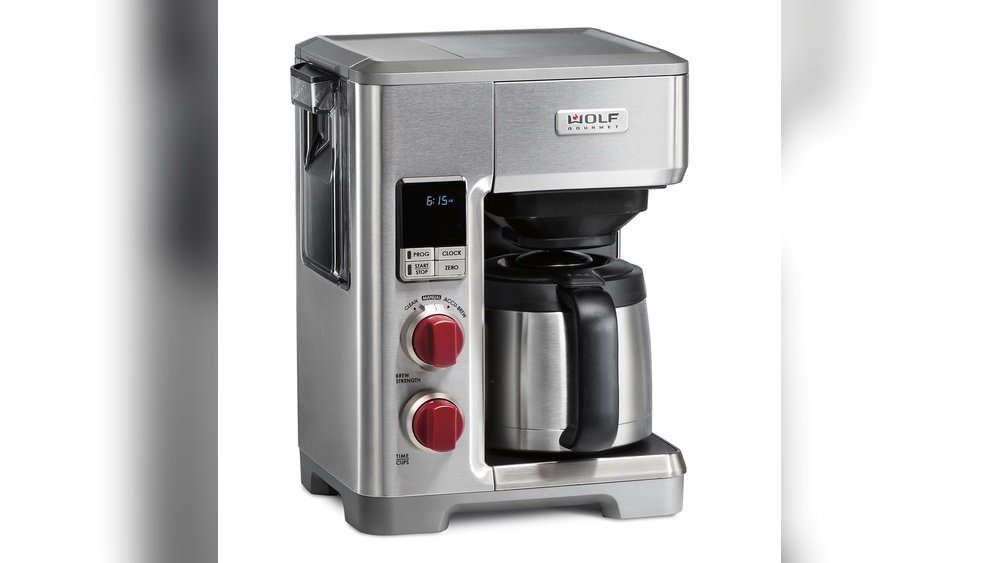
Owning a Wolf Coffee Maker is a joy for anyone who loves great coffee at home. These machines are known for their quality, precision, and stylish design. But to keep your coffee tasting perfect and your machine running smoothly, cleaning is not something you can ignore. Many people make the mistake of letting grime, coffee oils, and mineral build-up collect inside their machine. Over time, this not only affects taste but can also damage the coffee maker. The good news? With the right steps, cleaning your Wolf Coffee Maker is simple and doesn’t take much time. This guide gives you everything you need—from routine cleaning to deep descaling—so your coffee always tastes its best and your machine stays in top shape for years.
Why Cleaning Your Wolf Coffee Maker Matters
A clean coffee maker means better coffee and a longer-lasting machine. Coffee oils and mineral deposits can build up quickly. If you don’t clean these, you might notice your coffee tastes bitter, or the machine starts to slow down. In some cases, your Wolf machine could even break down.
Cleaning also helps prevent the growth of bacteria and mold, which can develop in moist places like water reservoirs and inner tubes.
What many owners miss is that even a small amount of leftover coffee oil can ruin the flavor of your next cup. Mineral build-up is also hard to see but can block water flow. For those who use filtered water, cleaning is still needed—just less often. The bottom line: regular cleaning protects your investment and your health.
Understanding Your Wolf Coffee Maker
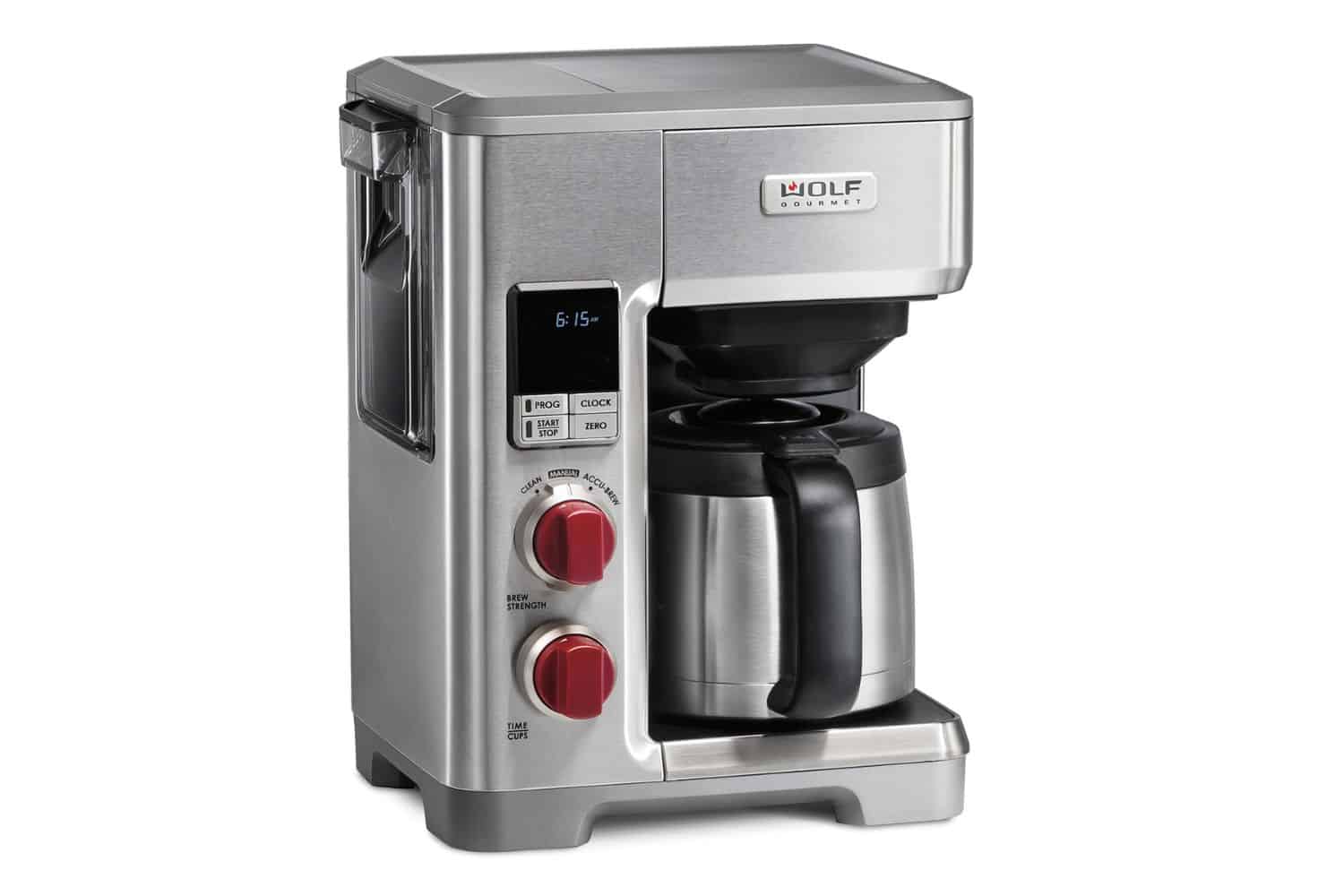
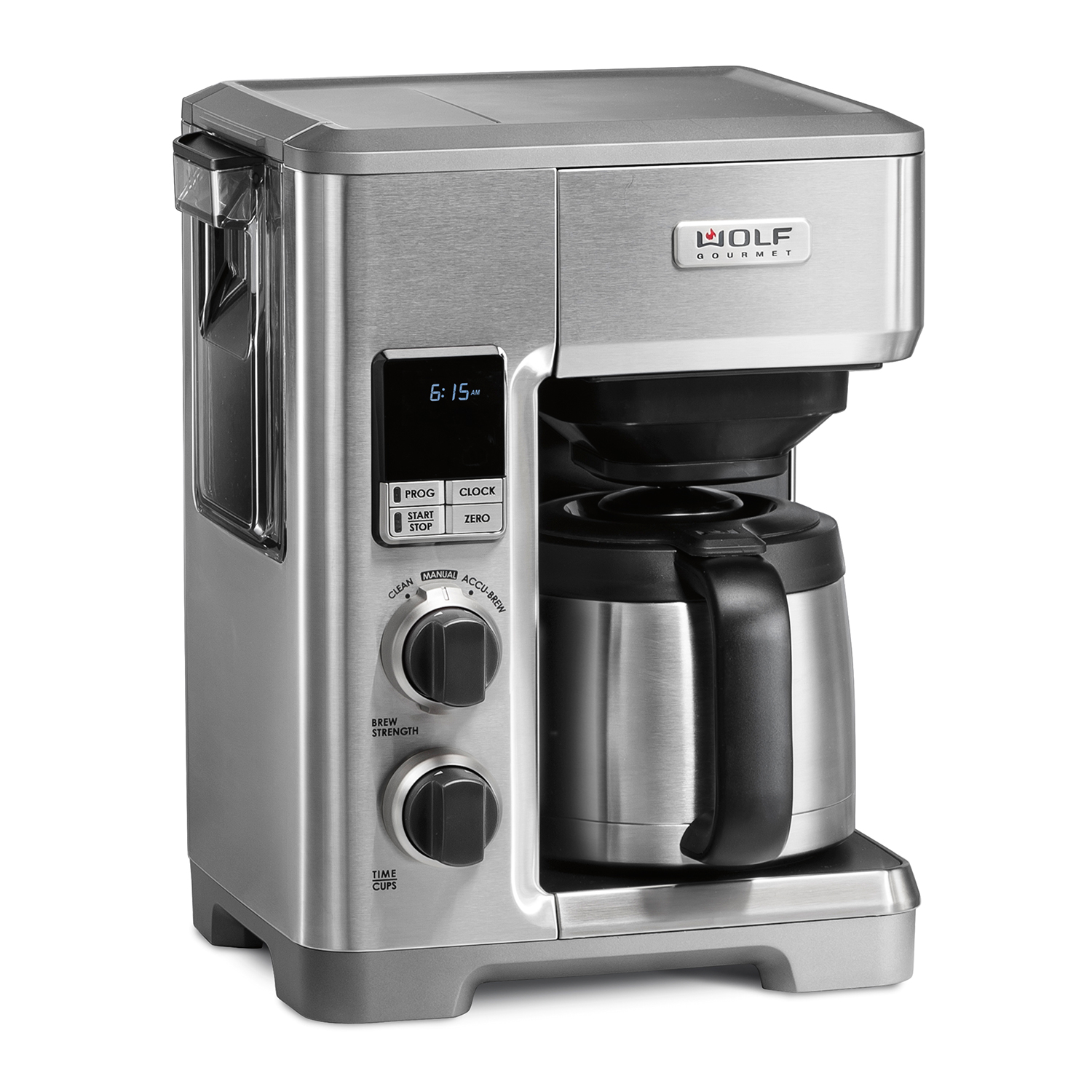
Before you start cleaning, it’s good to know the parts of your Wolf Coffee Maker. Most Wolf models have:
- Water reservoir: Where you add water for brewing.
- Filter basket: Holds your coffee grounds.
- Carafe: The glass or thermal pot that collects brewed coffee.
- Heating element: Heats water for brewing.
- Showerhead and brew basket: Where hot water sprays over coffee grounds.
- External surfaces and control panel: Buttons, dials, and display.
Some Wolf coffee makers have built-in grinders and milk frothers. If yours does, these parts also need regular cleaning. Always check your model’s manual for specific instructions. Most Wolf machines are made with stainless steel and high-quality plastics, which are easy to clean but still need care.
Daily Cleaning Routine
A simple daily cleaning routine can keep your coffee tasting fresh and stop grime from building up. After each use:
- Remove and empty the filter basket. Rinse it with warm water to remove coffee grounds and oils.
- Wash the carafe. Use mild dish soap and a soft sponge to clean the inside. Rinse well so there’s no soap taste.
- Wipe the water reservoir. If it’s removable, rinse it under running water. If not, use a damp cloth to wipe it out.
- Clean the brew basket and showerhead. Coffee oils can stick here. Use a soft brush or cloth.
- Dry all parts. Let them air dry or wipe with a clean towel before reassembling.
Many people forget to clean the lid and spout of the carafe, but these often collect splashes and coffee oils. Also, don’t skip the machine’s exterior—fingerprints and spills build up quickly.
Weekly Cleaning Steps
Every week, go a little deeper with your cleaning:
- Soak the filter basket and carafe in warm, soapy water for 15–20 minutes. This helps remove stubborn oils.
- Scrub the water reservoir with a bottle brush if it’s removable. For fixed reservoirs, fill with warm water and let it soak before wiping.
- Clean the showerhead thoroughly. Unscrew if possible (check your manual), and remove any coffee residue.
- Wipe all external surfaces with a damp microfiber cloth. For stainless steel, wipe in the direction of the grain to avoid streaks.
- Check the drip tray if your Wolf model has one. Wash and dry it.
A non-obvious step is to check for loose grounds or dust behind the filter basket and around the seals. These areas are often missed but can affect how well your machine seals and brews.
Deep Cleaning And Descaling
Descaling is the process of removing mineral build-up from inside your coffee maker. Hard water is full of minerals like calcium and magnesium. Over time, these minerals form scale that can block the water flow and damage the heating element.
Even if you use filtered or bottled water, descaling is still needed—just less often.
How Often To Descale
- Hard water area: Every 1–2 months
- Soft water area: Every 3–4 months
Your Wolf Coffee Maker may give a “clean” or “descale” alert. Don’t ignore it.
What You Need
- Descaling solution (commercial, or mix 1 part white vinegar with 2 parts water)
- Clean water
- Soft cloth
Step-by-step Descaling Process
- Empty the water reservoir and carafe.
- Mix the descaling solution or vinegar and water. Pour into the water reservoir.
- Start a brew cycle (without coffee grounds). Let the solution fill the carafe until halfway, then pause for 30 minutes. This lets the solution break down scale inside the machine.
- Resume the brew cycle until the reservoir is empty.
- Rinse by running 2–3 cycles with clean water only. This removes any vinegar or descaling solution taste.
A common mistake is not rinsing enough. Any leftover descaling solution can make coffee taste bad or even harm the machine. Another insight: if you see white spots in your carafe or around the showerhead, that’s usually scale—more rinsing is needed.
Cleaning The Wolf Built-in Grinder (if Equipped)
Some Wolf coffee makers include a built-in grinder. Coffee beans leave behind fine dust and oils. If not cleaned, these can cause blockages and off-flavors.
Grinder Cleaning Steps
- Unplug the machine for safety.
- Remove the bean hopper if possible, and empty leftover beans.
- Brush out the grinder burrs with a soft, dry brush. Do not use water on the burrs.
- Wipe the hopper with a dry or slightly damp cloth. Make sure it’s fully dry before adding beans again.
- Vacuum out any loose grounds if needed.
A non-obvious tip: use grinder cleaning tablets once a month. These remove oils you can’t reach with a brush. Never use rice or other food items, which can damage the grinder.

Credit: www.subzero-wolf.com
Cleaning The Milk Frother (if Equipped)
If your Wolf Coffee Maker includes a milk frother, it needs to be cleaned after every use. Milk residue spoils quickly and can clog the frother.
Frother Cleaning Steps
- Disassemble the frother parts (wand, nozzle, etc.) According to your manual.
- Soak the parts in hot, soapy water for 10–15 minutes.
- Scrub with a small brush to remove any milk film.
- Rinse thoroughly and let air dry.
- Wipe the exterior of the frother with a damp cloth.
If your machine has an auto-clean feature for the frother, run it after each use. A little leftover milk can quickly turn sour and block the frother.
Cleaning The Exterior And Control Panel
Stainless steel and glossy control panels need regular care to look their best. Use a soft, damp microfiber cloth for most cleaning. For tough stains, a small amount of mild dish soap helps.
Tips For A Streak-free Finish
- Always wipe in the direction of the stainless steel grain.
- Dry with a clean towel to prevent water spots.
- Avoid abrasive cleaners or pads; they scratch the surface.
For digital displays, use only a dry or slightly damp cloth. Never spray cleaner directly onto the controls.
Troubleshooting Common Cleaning Problems
Even with good habits, you might face some cleaning challenges. Here’s how to solve common issues:
Coffee Tastes Bitter Or Strange
- Possible cause: Old coffee oils or leftover descaling solution.
- Solution: Deep clean and rinse all parts thoroughly.
Machine Brews Slowly
- Possible cause: Mineral build-up or clogged filter basket.
- Solution: Descale and clean the filter basket.
Carafe Has White Spots
- Possible cause: Mineral deposits.
- Solution: Soak with vinegar and water, then scrub and rinse.
Water Leaks Around The Machine
- Possible cause: Blocked seals or misplaced parts.
- Solution: Check all seals and clean under the filter basket.
Sometimes, problems come from using the wrong cleaners or skipping steps. Always follow your Wolf manual and use only recommended products.
How To Clean Specific Wolf Coffee Maker Models
Wolf offers several coffee maker models, including the Wolf Gourmet Coffee System and built-in espresso machines. While the basic cleaning steps are similar, some details may change.
Wolf Gourmet Coffee System
- Removable water reservoir and filter basket make cleaning easier.
- Always clean the showerhead, which can be unscrewed.
- Carafe is dishwasher safe (top rack), but hand washing lasts longer.
Wolf Built-in Espresso System
- Has more internal tubing. Descale more often, especially with hard water.
- Milk frother and grinder require separate cleaning.
- Use only Wolf-approved descaling solutions.
Table: Key Cleaning Steps For Wolf Coffee Maker Models
| Model | Daily Cleaning | Weekly Cleaning | Descaling | Special Parts |
|---|---|---|---|---|
| Wolf Gourmet | Filter basket, carafe, reservoir | Soak basket, clean showerhead | Every 3 months | Showerhead, carafe lid |
| Built-in Espresso | Frother, drip tray, basket | Clean grinder, tubing | Every 1-2 months | Milk frother, grinder |
Always check your model’s guide for any unique parts or recommended cleaners.
Essential Cleaning Tools And Products
To clean your Wolf Coffee Maker properly, you’ll need a few basic tools and supplies:
- Soft microfiber cloths
- Bottle brush (for reservoirs and carafes)
- Soft-bristled brush (for filter baskets and showerheads)
- Descaling solution or white vinegar
- Dish soap (mild)
- Grinder cleaning tablets (for models with grinders)
- Small brush or pipe cleaner (for milk frothers)
Avoid steel wool or abrasive pads—these can scratch surfaces and ruin the look of your machine.
How To Keep Your Wolf Coffee Maker Cleaner, Longer
A few good habits can reduce how often you need deep cleaning:
- Use filtered water. This slows mineral build-up.
- Empty and rinse the carafe right away after brewing.
- Don’t let coffee grounds sit overnight in the filter basket.
- Wipe up spills as soon as they happen.
- Store your coffee maker with the lid open to let it air out and prevent mold.
Another tip: run a water-only brew cycle once a week. This helps flush out any leftover coffee oils and keeps the water path clear.
Credit: www.coffeeness.de
Comparing Cleaning Frequency: Wolf Vs. Other Brands
How does the Wolf Coffee Maker compare to other popular brands like Breville or Technivorm when it comes to cleaning? Here’s a quick look:
| Brand | Daily Cleaning | Weekly Cleaning | Descale Frequency | Special Parts |
|---|---|---|---|---|
| Wolf | Easy (removable parts) | Simple soaking | Every 1-3 months | Showerhead, grinder, frother |
| Breville | Moderate (more parts) | Requires more scrubbing | Every 2-3 months | Auto-clean features |
| Technivorm | Simple (few parts) | Quick rinse | Every 3-6 months | None |
Wolf coffee makers are designed for easy cleaning, especially with their removable baskets and carafes. However, built-in grinders and frothers add extra steps.
Mistakes To Avoid When Cleaning Your Wolf Coffee Maker
Many owners make the same cleaning mistakes. Avoid these for the best results:
- Using harsh chemicals: Only use mild dish soap and approved descalers. Bleach or ammonia can damage parts and leave residues.
- Skipping descaling: Mineral build-up affects taste and machine life.
- Forgetting hidden parts: The showerhead, seals, and under the carafe lid need regular attention.
- Not rinsing after descaling: Always run several cycles of clean water.
- Using rough sponges or steel wool: These scratch surfaces and can break seals.
A less obvious mistake: using too much soap, which can leave a film inside the machine. Always rinse thoroughly.
How To Store Your Wolf Coffee Maker
If you need to store your coffee maker for a while (for example, during a kitchen remodel or move), clean it first:
- Deep clean and descale before storage.
- Dry all parts completely to prevent mold or odors.
- Store with the water reservoir lid off for airflow.
- Keep in a cool, dry place.
When you bring the machine out of storage, rinse all removable parts before using again.
When To Replace Parts
Some parts of your Wolf Coffee Maker will wear out over time. Watch for these signs:
- Filter basket or carafe cracks
- Gaskets or seals look worn or loose
- Showerhead has blocked holes that won’t clean out
- Grinder burrs dull or damaged
Most parts are available through Wolf or authorized dealers. Replacing worn parts keeps your coffee tasting great and your machine running safely.
Saving Time: Quick Cleaning Tips For Busy Mornings
If you’re in a rush, here’s what you can do to keep things clean without taking much time:
- Rinse the filter basket and carafe right after use. Even a quick rinse stops stains and odors.
- Wipe the exterior with a damp cloth while the machine is still warm (not hot).
- Set a reminder for deeper cleaning on your phone or calendar.
Quick clean-ups make weekly and monthly deep cleans much faster and easier.
The Impact Of Water Quality On Cleaning Needs
The type of water you use has a big effect on cleaning. Hard water means more minerals and more frequent descaling. You can test your water hardness with test strips (cheap and available online).
If you have very hard water, consider using bottled or filtered water in your machine. You’ll notice fewer white spots and your coffee will taste better. For more on the science of water hardness, see this Wikipedia article.
How To Tell When Your Wolf Coffee Maker Needs Cleaning
Don’t wait for the coffee to taste bad. Look for these signs:
- Coffee is weaker or more bitter than usual
- Brewing takes longer
- Visible spots or build-up in the carafe or reservoir
- Strange noises during brewing
- “Clean” or “descale” alert appears (if your model has this feature)
If you see any of these, it’s time for a thorough cleaning.
Frequently Asked Questions
How Do I Know When My Wolf Coffee Maker Needs To Be Descaled?
You’ll know it’s time to descale if the machine takes longer to brew, makes odd noises, or if you see a “descale” alert on the display. Another clue is if your coffee starts tasting bitter or weak. If you use hard water, descale every 1–2 months.
For soft water, every 3–4 months is usually enough.
Can I Use Vinegar To Descale My Wolf Coffee Maker?
Yes, you can use a mixture of one part white vinegar to two parts water as a descaler. However, Wolf recommends using their approved descaling solution for best results. If you use vinegar, make sure to rinse the machine with plain water at least 2–3 times to remove any vinegar taste or smell.
Are The Carafe And Filter Basket Dishwasher Safe?
Most Wolf carafes and filter baskets are top-rack dishwasher safe. However, hand washing with mild soap is gentler and helps these parts last longer. Always check your user manual for your specific model’s recommendations.
What Should I Do If The Milk Frother Is Clogged?
Disassemble the milk frother and soak all parts in hot, soapy water for 10–15 minutes. Use a small brush or pipe cleaner to remove any dried milk. Rinse well and let air dry. For stubborn clogs, run the cleaning cycle if your machine has one, or repeat the soaking process.
How Can I Keep My Wolf Coffee Maker Clean Between Deep Cleans?
Rinse the carafe and filter basket after every use. Wipe the exterior daily and keep the water reservoir clean by using filtered water. Store the coffee maker with the lid open when not in use to let it dry out and prevent odors or mold.
Set a regular reminder for weekly and monthly cleaning tasks.
A clean Wolf Coffee Maker means delicious coffee, a longer-lasting machine, and fewer headaches. With these cleaning steps, tips, and insights, you’ll keep your machine running like new—and every cup will taste as good as the first.
Credit: wolfgourmet.com