
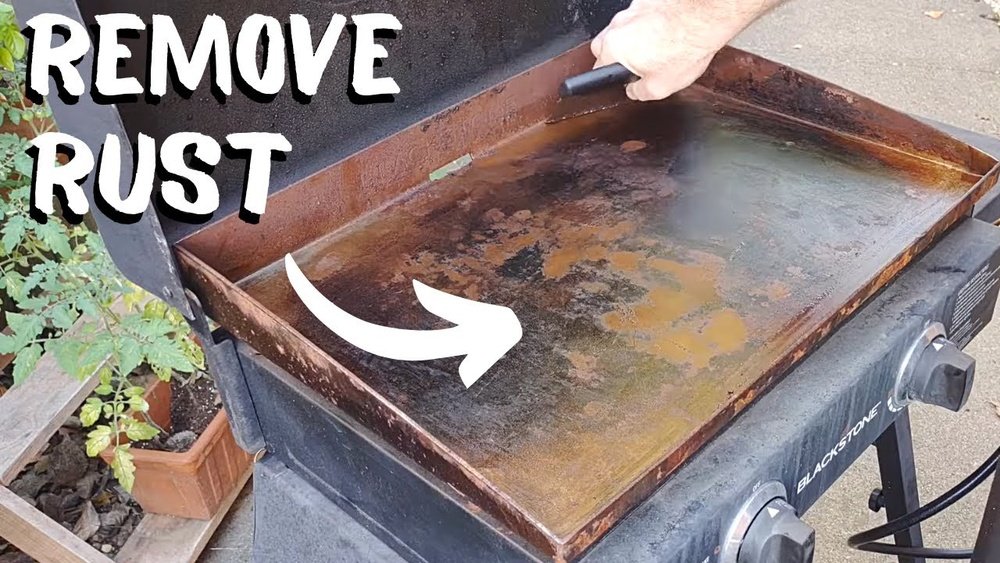
If you own a Blackstone griddle, you know how much fun it is to cook outside. The sizzle of bacon, the aroma of pancakes, and the joy of a perfectly seared steak are hard to beat. But nothing ruins the experience faster than seeing orange-brown rust spreading across your Blackstone’s flat top. If you’ve found rust on your griddle, you’re not alone. Many outdoor cooks face this problem, especially after humid weather or if the griddle is not covered. The good news is, you can fix a rusted Blackstone griddle and restore it to its original condition. This guide explains every step, from removing rust to preventing it in the future, with practical tips, common mistakes to avoid, and answers to questions many beginners have.
Why Blackstone Griddles Rust
Before you jump into cleaning, it helps to know why rust forms. Rust is iron oxide, which develops when water and oxygen react with iron or steel. Blackstone griddles are made from cold-rolled steel, which is strong and ideal for high-heat cooking but can rust quickly if not cared for.
Some reasons your Blackstone might rust include:
- Leaving it outside without a cover, especially in rain or humid conditions
- Not drying after cleaning with water
- Improper seasoning or letting the seasoning layer wear away
- Storing in damp areas (like garages without climate control)
Knowing these causes helps you avoid rust in the future. But for now, let’s focus on fixing the rust you already have.
Assessing The Rust: How Bad Is It?
Not all rust is the same. Sometimes it’s just a few small spots; other times, the whole surface is covered.
- Light rust: Small patches, orange dust, or thin flakes. Usually, you can see metal under the rust.
- Moderate rust: Thicker patches, rough texture, some pitting (tiny holes or craters).
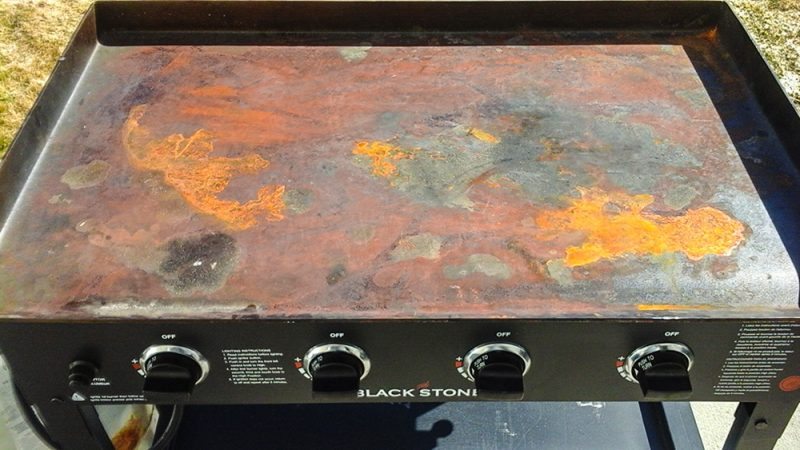
- Severe rust: Deep pitting, large areas where the surface feels uneven or rough, maybe even black spots (advanced corrosion).
If your Blackstone has severe rust, you’ll need more elbow grease, but most rusted griddles can be saved unless the metal is deeply damaged.
Tools And Materials Needed
To fix your rusted Blackstone, you’ll need:
- Metal scraper (Blackstone’s scraper or a wide putty knife)
- Grill stone or pumice stone (for tough rust)
- Steel wool or coarse sandpaper (60-100 grit)
- Cooking oil (vegetable, canola, or flaxseed oil)
- Paper towels or clean rags
- Water spray bottle
- Heat-resistant gloves
- Mild dish soap (if needed)
- Bucket of warm water
- Plastic spatula (optional, for delicate areas)
- Blackstone griddle cover (for prevention)
Many beginners forget about gloves or use the wrong type of oil. Make sure you have everything ready before you start.
Step-by-step: How To Remove Rust From Your Blackstone Griddle
Let’s get into the practical steps. Don’t rush—restoring your Blackstone takes time, but it’s worth it.
1. Prepare The Area
Work outside or in a well-ventilated space. Place your Blackstone on a flat surface. Remove the propane tank if it’s attached. Wear heat-resistant gloves for safety.
2. Heat The Griddle
Turn your griddle to high and let it heat up for 15–20 minutes. The heat loosens the rust, making it easier to scrape off. Be careful—the surface gets extremely hot.
3. Scrape Off Loose Rust
Use your metal scraper to push loose rust off the hot surface. Work in small sections, applying firm pressure. Hold the scraper at a slight angle. Collect the rust debris with a paper towel and dispose of it.
Pro tip: Don’t use a wire brush, as it can scratch the steel and damage the griddle.
4. Use A Grill Stone Or Pumice Stone
For stubborn rust, scrub the surface with a grill stone or pumice stone. Move in small circles. The stone will wear away, picking up rust as you go.
- For light rust, this may be enough.
- For heavier rust, you’ll see brown residue—keep scrubbing until most of the orange color is gone.
5. Sand The Surface (if Needed)
If rust remains, use steel wool or coarse sandpaper (60–100 grit). Rub gently in the direction of the grain. Don’t sand too hard—just enough to remove the last bits of rust.
6. Wipe Down And Clean
Turn off the griddle and let it cool slightly. Wipe away all rust particles with a clean, damp cloth. For extra cleaning, add a few drops of mild dish soap to a bucket of warm water. Wet a rag, wring it out, and wipe the surface. Dry thoroughly with paper towels.
Important: Never soak the griddle or pour water directly onto it. Water can seep into cracks and cause more rust.
7. Season The Griddle
After removing rust, your Blackstone’s cooking surface is “raw” steel. You must re-season it right away, or it will rust again.
- Pour a small amount of cooking oil on the griddle (about 2–3 tablespoons).
- Use paper towels to spread a thin, even layer across the entire surface, including corners and sides.
- Turn the griddle to high. Let the oil heat until it starts to smoke (usually 15–20 minutes).
- The oil will darken as it bonds with the metal, creating a protective layer.
- Let the griddle cool, then repeat the oiling and heating process 2–3 times for a strong seasoning.
Non-obvious insight: Flaxseed oil creates a harder seasoning but can flake if applied too thick. Canola oil is easier for beginners.
8. Final Clean-up
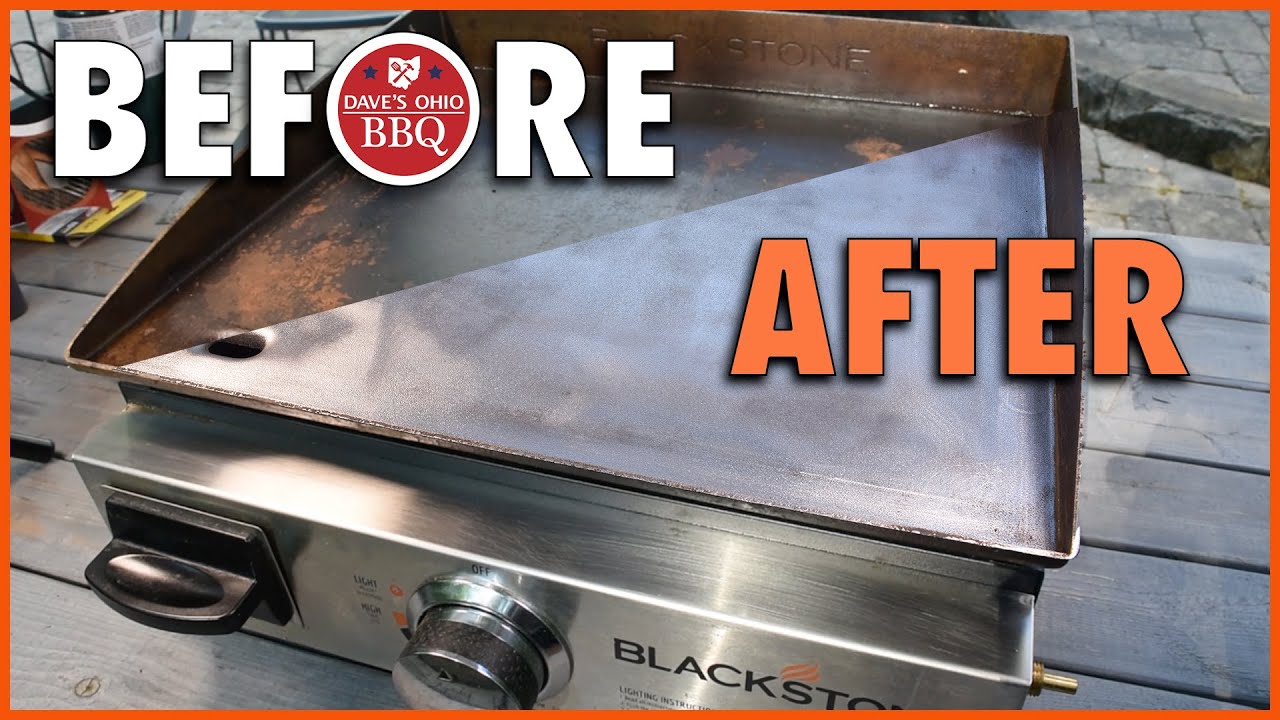
Once the griddle is cool, wipe off any excess oil with a clean paper towel. Your Blackstone should look dark, shiny, and smooth. You’re ready to cook again!
Common Mistakes To Avoid
Many people make errors when trying to fix a rusted Blackstone. Here’s what to watch out for:
- Using harsh chemicals: Oven cleaner, bleach, or vinegar can damage the steel and leave toxic residue.
- Wire brushes or grinders: These tools can scratch or gouge the surface, making future rust more likely.
- Skipping seasoning: Even if the griddle looks clean, skipping seasoning means rust will return.
- Not drying properly: Moisture is the enemy. Always dry thoroughly after cleaning.
- Applying too much oil at once: Thick layers get sticky and can peel off. Thin, even coats work best.
Preventing Rust On Your Blackstone
You fixed your griddle, but how do you keep it rust-free? Prevention is easier than constant repair. Follow these tips:
Cover And Store Properly
Always use a Blackstone griddle cover when not in use. If possible, store your griddle in a dry place, away from rain or humidity.
Regular Seasoning
After each use, add a thin layer of oil while the surface is still warm. This renews the protective coating and blocks moisture.
Clean After Every Cook
Scrape off food debris while the griddle is warm. Wipe with a damp cloth, then dry and oil. Avoid letting water sit on the surface.
Watch The Weather
If you live in a humid or coastal area, rust forms faster. Check your griddle often and add extra oil if you see dull spots.
Use The Right Oil
Choose oils with a high smoke point and low water content. Vegetable, canola, or flaxseed oil are good options.
How To Know When To Replace Your Blackstone Griddle
Sometimes, rust causes permanent damage. If you see deep pits, holes, or the metal feels weak, it may be time to replace the cooking surface. Most Blackstone griddles have replaceable tops. If only a small area is damaged, you can sometimes sand and re-season, but safety comes first.
Comparing Rust Removal Methods
Different rust removal methods have pros and cons. Here’s a quick look:
| Method | Effectiveness | Surface Safety | Time Needed |
|---|---|---|---|
| Metal scraper + oil | High (for light/moderate rust) | Safe if used correctly | 30–45 min |
| Grill stone/pumice | Very high (for moderate/heavy rust) | Safe, gentle on metal | 45–60 min |
| Steel wool/sandpaper | High (for stubborn spots) | Can scratch if overused | 15–30 min |
| Chemical removers | Variable | Unsafe for food surfaces | Not recommended |
Pro tip: Always start with the least aggressive method before moving to stronger abrasives.
How Seasoning Protects Your Griddle
Seasoning is not just for flavor; it’s a key part of rust prevention. When you heat oil on your Blackstone, it bonds to the metal in a process called polymerization, creating a hard, black layer that repels water.
Best Oils For Seasoning
Some oils work better than others:
| Oil Type | Smoke Point | Seasoning Quality |
|---|---|---|
| Flaxseed oil | 225°F | Very hard, long-lasting |
| Canola oil | 400°F | Good, easy to use |
| Vegetable oil | 400°F | Good, widely available |
| Olive oil | 375°F | OK, but not ideal |
Non-obvious insight: The seasoning layer can get damaged by acidic foods (like tomatoes or vinegar). If you cook these often, check your seasoning and reapply oil as needed.
Step-by-step: Deep Cleaning A Heavily Rusted Blackstone
If your griddle is heavily rusted or you haven’t used it for months, try these extra steps:
- Remove the griddle top (if possible) for easier access.
- Soak a rag in hot water and place it on the rust for 10 minutes to soften debris.
- Use a plastic spatula to lift stubborn flakes.
- Repeat scrubbing and sanding until you see shiny metal.
- Check for pits or holes. If they’re deep, consider replacing the top.
After deep cleaning, always season the surface multiple times before cooking.
Credit: www.youtube.com
How To Maintain Your Blackstone Griddle After Rust Removal
Restoring your Blackstone is just the start. For long life and great cooking, follow these maintenance tips:
- Check seasoning: If the surface looks dull or gray, add a new oil layer.
- Clean after every use: Don’t leave food bits or grease on the griddle.
- Store with a cover: Even in a garage, dust and moisture can cause problems.
- Inspect after rain: If your cover leaks, dry and oil the griddle right away.
- Cook regularly: Regular use keeps the seasoning strong.
Rust Vs. Discoloration: What’s The Difference?
Sometimes, new Blackstone owners worry about dark spots or color changes. Not all discoloration is rust.
| Type | Color | Texture | What It Means |
|---|---|---|---|
| Rust | Orange, brown, sometimes black | Rough, flaky | Surface damage, needs removal |
| Seasoning | Black, brown, blue/purple tints | Smooth, shiny | Protective, normal |
| Burnt food/oil | Dark brown, black | Sticky or crusty | Needs cleaning, not rust |
If in doubt, rub the area with a damp cloth. If orange comes off, it’s rust. If it stays black and smooth, it’s seasoning.
Real-world Example: Bringing A Blackstone Back From Rust
Jason, a weekend griller in Florida, left his Blackstone uncovered during a storm. The next morning, the whole surface was orange and rough. He followed these steps:
- Heated the griddle for 20 minutes.
- Scraped with a metal scraper, removing most rust.
- Used a grill stone for stubborn spots.
- Cleaned with warm, soapy water (mild dish soap), then dried.
- Applied three thin layers of canola oil, heating between coats.
It took about two hours, but his griddle looked new again. After that, he always oiled the surface and used a cover.
Key takeaway: With patience and the right tools, you can restore even badly rusted griddles.
When To Call A Professional
Most rust can be removed at home. But if your Blackstone’s top is warped, deeply pitted, or has holes, contact Blackstone customer service or a grill repair expert. Replacement parts are available for many models.
Environmental Factors That Speed Up Rust
Two big factors can make rust worse:
- Humidity: If you live in a coastal or humid area, rust develops faster.
- Temperature swings: Rapid changes cause condensation, which can sit on the griddle.
To fight these, keep your griddle as dry as possible and store it inside if you can.
What To Do If Rust Returns
If you see rust coming back, act quickly:
- Scrape and oil the spot as soon as possible.
- Don’t wait for rust to spread—it’s easier to fix small patches.
- Check your cover for leaks or tears.
Credit: blackstoneproducts.com
Why Blackstone Griddles Are Worth Saving
Some people think a rusty griddle means it’s ruined. That’s rarely true. Blackstone griddles are built tough, and most rust is just surface-level. With a little work, you’ll enjoy years of great outdoor cooking. Plus, a well-seasoned Blackstone gets better with age, just like cast iron.
Extra Tips For Blackstone Owners
- Keep extra oil and paper towels near your grill for quick touch-ups.
- Don’t cook acidic foods until your seasoning is thick and dark.
- Check bolts and fittings for rust—these can be cleaned and oiled, too.
- Keep a grill stone handy for spot cleaning.
- Join online forums for support and tips from other Blackstone fans. The BBQ Guys Blackstone guide is a great resource.

Credit: blackstoneproducts.com
Frequently Asked Questions
How Often Should I Season My Blackstone Griddle?
You should apply a thin layer of oil after every cook, while the griddle is still warm. For deep seasoning, do 2–3 coats after major cleaning or rust removal.
Can I Use Wd-40 Or Other Sprays To Remove Rust?
No. WD-40 is not food-safe and can leave harmful chemicals on your cooking surface. Stick to physical scrubbing and food-safe oils.
What If My Blackstone Griddle Keeps Rusting Even After Cleaning?
Check your storage conditions. Moisture and humidity are often the cause. Make sure you’re using a good cover and oiling the surface regularly.
Is It Safe To Eat Food Cooked On A Previously Rusted Griddle?
Yes, as long as all the rust is removed and the surface is properly seasoned. The seasoning layer creates a safe barrier for cooking.
Can I Use Vinegar Or Lemon To Remove Rust?
These acids can remove rust, but they can also strip seasoning and damage the steel if not rinsed and neutralized. Physical scrubbing with a grill stone and oil is safer for your Blackstone.
Keeping your Blackstone griddle in great shape takes effort, but the reward is years of tasty, outdoor meals. With the steps and advice in this guide, you’ll have the confidence and know-how to tackle rust—and prevent it from coming back.