
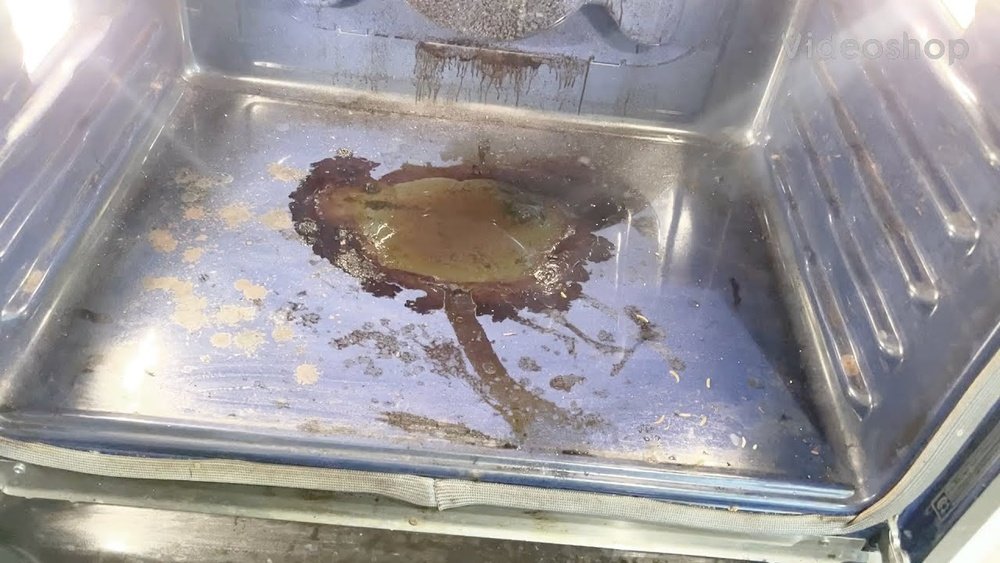
Cleaning up spilled oil in your oven can feel overwhelming. A small accident during cooking can quickly turn into a smoky, smelly, and sticky mess. Many people ignore the spill, hoping it will burn off during the next use. Unfortunately, this often leads to more smoke, stubborn stains, and even fire risks. If you want a safe kitchen and a fresh-smelling oven, learning how to properly clean up spilled oil is essential.
This guide will walk you through every step, from immediate actions to deep cleaning and prevention. You’ll discover practical tips, common mistakes to avoid, and solutions for different oven types. Whether you use your oven daily or just for special occasions, following these methods will help you keep your appliance in top shape, extend its life, and enjoy healthier cooking.
Why Cleaning Spilled Oil In The Oven Matters
Ignoring spilled oil in your oven is more than just a cosmetic problem. First, oil can burn at high temperatures, producing smoke that fills your kitchen and leaves an unpleasant taste in your food. Over time, leftover grease hardens into difficult-to-remove stains. This residue can cause unpleasant odors every time you turn on the oven.
Worse, a build-up of oil and grease is a real fire hazard. According to the National Fire Protection Association, cooking equipment is a leading cause of home fires. Many of these fires start with oil or grease left inside ovens and stoves. Proper cleaning is not just about hygiene; it’s about safety.
Immediate Steps After Oil Spills In The Oven
Acting quickly can make all the difference. Here’s what to do as soon as you notice an oil spill in your oven:
- Turn Off the Oven: Safety comes first. Switch off the oven and unplug it if possible. If the oven is gas-powered, turn off the gas supply.
- Let the Oven Cool: Wait until the oven is cool enough to touch. Never attempt to clean hot oil or surfaces.
- Ventilate the Area: Open windows and turn on your kitchen fan to clear smoke and odors. If there’s a lot of smoke, leave the room and let it clear before returning.
- Wipe Excess Oil: Use a paper towel or clean rag to blot up as much oil as possible. Do not scrub yet—just soak up the surface oil to prevent spreading.
Quick tip: If you spill oil during cooking, sprinkle baking soda or salt on the spill. This absorbs oil and prevents it from spreading further. You can wipe it away once the oven cools.
Tools And Supplies You’ll Need
Before you start deep cleaning, gather the right tools. Having everything ready makes the job faster and more effective.
- Rubber gloves for hand protection
- Paper towels and soft rags for wiping
- Non-scratch sponges or brushes
- Baking soda (for absorbing and scrubbing)
- White vinegar (for deodorizing and dissolving grease)
- Dish soap (grease-cutting)
- Spray bottle for applying cleaning solutions
- Plastic scraper (optional, for stubborn residue)
- Trash bag for used paper towels and rags
Never use steel wool or harsh scrubbing pads. These can scratch the oven’s enamel surface and create spots where oil can soak in.
How To Clean Spilled Oil In The Oven: Step-by-step
Let’s break down the full cleaning process into clear, manageable steps.
1. Remove Oven Racks And Accessories
Take out all oven racks, thermometers, and baking trays. If oil spilled on these items, clean them separately in warm, soapy water. Racks can soak while you work on the oven interior.
2. Blot Up Remaining Oil
With the oven cool, use paper towels to blot up any remaining oil. Do not rub, as this spreads the oil further.
3. Apply Baking Soda Paste
Mix 1/2 cup of baking soda with a few tablespoons of water to make a thick paste. Spread this paste over the oil-stained area. Let it sit for at least 30 minutes. Baking soda breaks down grease and lifts stains without damaging surfaces.
4. Scrub Gently
After the paste has set, use a soft sponge or brush to gently scrub the stained area. For stubborn spots, add a little white vinegar to your sponge. The fizzing action helps dissolve baked-on grease.
5. Wipe Clean
Use a damp cloth or paper towel to wipe away the baking soda and loosened oil. Rinse the cloth frequently and keep wiping until all residue is gone.
6. Deodorize With Vinegar
Spray the area with white vinegar and let it sit for 15 minutes. Vinegar helps remove odors and cuts any remaining grease. Wipe dry with a clean cloth.
7. Clean The Oven Floor
Most oil spills collect at the oven floor. Pay extra attention here. If needed, repeat the baking soda paste and vinegar steps.
8. Clean Oven Door And Seals
Oil can drip onto the oven door or rubber seals. Wipe these areas with a damp cloth and mild dish soap. Avoid soaking the seals, as too much moisture can damage them.
9. Dry And Reassemble
Once you’re satisfied, dry all surfaces with a clean towel. Return racks and accessories to the oven.
Practical insight: Many people forget to clean the oven door window. Oil splatters here can bake onto the glass, making it cloudy. Use a mix of vinegar and baking soda for a streak-free finish.
Cleaning Stubborn Or Burnt-on Oil
Sometimes, oil spills are discovered after they have burned onto the oven’s surface. Removing these stains takes extra effort.
Using A Commercial Oven Cleaner
For very tough stains, a commercial oven cleaner may be necessary. Choose a fume-free product and follow the instructions exactly. Wear gloves and ventilate the kitchen.
Homemade Heavy-duty Cleaner
Mix equal parts baking soda, salt, and dish soap. Apply this paste to the burnt areas and let it sit overnight. In the morning, scrub gently with a non-scratch sponge and wipe clean.
Using A Plastic Scraper
A plastic scraper can help loosen thick, burnt-on oil. Use gentle pressure to avoid scratching the surface.
Self-cleaning Ovens
If your oven has a self-cleaning function, check the manual to see if it’s safe to use after an oil spill. This cycle uses high heat to burn off residue, but can produce a lot of smoke and strong odor if there is a large amount of oil. Remove as much spilled oil as possible before starting self-clean mode.
Non-obvious tip: Avoid using aluminum foil on the oven floor to catch oil. While it seems helpful, it can block airflow and damage oven sensors.
Comparing Cleaning Methods For Oven Oil Spills
Here’s a quick comparison of the three main methods for cleaning oven oil spills:
| Method | Effectiveness | Safety | Best For | Drawbacks |
|---|---|---|---|---|
| Baking Soda & Vinegar | High | Very safe, non-toxic | Fresh spills, light stains | May require repeat scrubbing |
| Commercial Oven Cleaner | Very high | Use gloves, ventilate well | Heavy, burnt-on oil | Strong fumes, chemical residue |
| Self-Cleaning Cycle | High for light residue | Must follow manual | Thin oil layers, overall cleaning | Smoke, not for thick spills |
Cleaning Oil Spills In Different Types Of Ovens
Not all ovens are built the same. The best cleaning technique can depend on your oven type.
Gas Ovens
Oil in gas ovens can drip onto burners and cause smoke or uneven heating. Always clean up spills before using the oven again. Avoid getting water near the gas lines or igniters.
Electric Ovens
Electric ovens often have exposed coils. Make sure the oven is unplugged before cleaning. Don’t let water drip onto the heating elements.
Convection Ovens
These ovens circulate air with a fan. Oil can splatter onto the fan cover. Remove and clean the fan cover if possible, following your oven’s manual.
Steam Ovens
Steam ovens are sensitive to harsh chemicals. Use only mild cleaners and avoid abrasive pads.
Table: Features Of Common Oven Types
| Oven Type | Cleaning Cautions | Recommended Cleaner | Special Tips |
|---|---|---|---|
| Gas | Avoid wetting igniters | Baking soda/vinegar | Check burner area for clogs |
| Electric | Unplug before cleaning | Non-scratch sponge | Don’t soak heating coils |
| Convection | Clean fan cover | Mild soap/baking soda | Remove racks for access |
| Steam | No harsh chemicals | Mild soap | Wipe dry after cleaning |
How To Remove Oil Odors From The Oven
Even after cleaning, oil spills can leave behind a strong smell. Here’s how to freshen your oven naturally:
- Lemon Steam: Fill an oven-safe dish with water and slices of fresh lemon. Heat the oven to 250°F (120°C) for 30 minutes. The steam loosens residue and lemon removes odors.
- Baking Soda Deodorizer: Place a bowl of baking soda in the oven overnight with the door closed. Baking soda absorbs lingering smells.
- Vinegar Wipe-Down: After cleaning, wipe the oven with a solution of equal parts water and white vinegar.
Uncommon tip: Charcoal briquettes (the kind used for grilling) placed in a bowl inside the oven can also absorb strong smells. Leave them overnight for best results.
Preventing Future Oil Spills In The Oven
A little prevention saves you a lot of cleaning later. Here’s how to avoid messy spills in the first place:
- Always place a baking tray or sheet under casseroles, roasts, or pies that might drip oil.
- Use oven-safe mats or liners designed for catching spills (never aluminum foil directly on the oven floor).
- Avoid overfilling pans with oil or butter.
- Check pan seals to prevent leaks, especially with springform pans.
- If cooking fatty meats, use a roasting rack so oil drips onto a tray below.
Pro tip: If you’re baking something very oily, pause halfway through cooking to carefully wipe up fresh spills before they burn on.
How Often Should You Clean Oil Spills?
Clean up oil spills as soon as possible after they happen. If you cook with oil regularly, it’s smart to do a deep clean of your oven every 1–2 months. Frequent cleaning prevents buildup and keeps your appliance running safely.

Credit: www.reddit.com
Mistakes To Avoid When Cleaning Spilled Oil
Many people make these common errors:
- Scrubbing with steel wool: This scratches the enamel and makes future spills harder to clean.
- Using too much water: Excess water can damage electric or gas components.
- Ignoring the oven door: Oil often splatters on the door glass and seals.
- Starting self-clean with a big oil spill: This can create thick smoke or even cause a fire.
When To Call A Professional
Most oil spills can be cleaned at home. However, call a professional if:
- The oil spill is large and reached oven vents or fans.
- Smoke or burning smell remains after cleaning.
- You have a built-in oven and can’t reach all areas.
A technician can safely dismantle and deep clean your oven if needed.

Credit: www.youtube.com
Environmental Impact: Safe Disposal Of Oil And Cleaning Waste
Never pour oil or greasy cleaning water down your sink. This can clog pipes and harm the environment. Instead:
- Wipe up oil with paper towels and place them in a sealed trash bag.
- Pour small amounts of used oil into a container with a lid before disposing.
- Use biodegradable cleaners where possible.
For more tips on eco-friendly cleaning, visit the US EPA’s recycling page.
Real-world Example: A Weeknight Oil Spill
Imagine you’re roasting chicken and some oil spills onto the oven floor. You finish cooking, but the next day, the oven smokes and smells. Here’s how to handle it:
- Turn off the oven and let it cool.
- Remove racks and blot up oil.
- Spread baking soda paste, wait 30 minutes.
- Scrub gently and wipe clean.
- Finish with a vinegar spray and dry.
- If the smell remains, steam with lemon water.
This approach saves you from a smoky kitchen and keeps your oven in great shape.
Comparing Diy Vs. Professional Oven Cleaning
A quick look at the advantages and disadvantages:
| Cleaning Method | Cost | Time Needed | Effectiveness | Best For |
|---|---|---|---|---|
| DIY (Home methods) | Very low | 1–2 hours | High for small spills | Most home cooks |
| Professional Service | High ($100+) | 2–3 hours | Very high, deep clean | Heavy buildup, hard-to-reach areas |
Safe Cleaning Products For Ovens
Not all cleaners are safe for your oven. Avoid products with strong chemicals unless absolutely necessary. Look for:
- Cleaners labeled as oven-safe
- Fume-free or non-toxic ingredients
- Biodegradable or eco-friendly formulas
Many store-bought oven cleaners work quickly but produce strong fumes. Always ventilate your kitchen well and follow the instructions.
How To Clean Oil Spills Under Oven Heating Elements
Sometimes, oil seeps under the oven’s heating elements, making cleaning harder. If your oven allows, gently lift or remove the bottom panel (check your manual). Clean underneath using baking soda and a damp cloth. Be careful not to disturb wiring or gas lines.
If you can’t reach under the elements, use a long-handled sponge or brush to carefully scrub the area.
Tips For Keeping Your Oven Clean Year-round
A little routine goes a long way:
- Wipe up small spills as soon as the oven cools.
- Clean racks and trays regularly.
- Run a vinegar steam cycle monthly to keep odors away.
- Check for leaks or worn seals every few months.
Insider advice: Keep a small bowl of baking soda in your oven when not in use—it absorbs odors and moisture.

Credit: www.reddit.com
Frequently Asked Questions
What Is The Safest Way To Clean Oil Spills In An Oven?
The safest method is to let the oven cool, blot up excess oil, and use a baking soda paste. Avoid harsh chemicals, and never clean a hot oven.
Can I Use A Self-cleaning Cycle After An Oil Spill?
Only if you have removed as much oil as possible first. A large oil spill can create heavy smoke or damage the oven during the self-cleaning process.
How Do I Remove Burnt Oil Stains From Oven Glass?
Apply a mix of baking soda and water to the glass, let it sit for 30 minutes, then scrub gently with a non-scratch sponge. Rinse with vinegar for a clear finish.
Are Commercial Oven Cleaners Safe For All Ovens?
Not always. Check your oven manual first. Many cleaners are too harsh for steam or self-cleaning ovens. Always ventilate the area and wear gloves.
How Can I Prevent Oil From Spilling In My Oven?
Use trays or oven liners under your dishes, avoid overfilling pans, and check pans for leaks before placing them in the oven.
Keeping your oven clean after an oil spill may seem like a chore, but it’s worth it for your health, safety, and peace of mind. With these tips and careful routines, you’ll enjoy cooking without the worry of smoke, smells, or stubborn stains.
Remember, a clean oven is a happy oven—and a safer kitchen for everyone.