
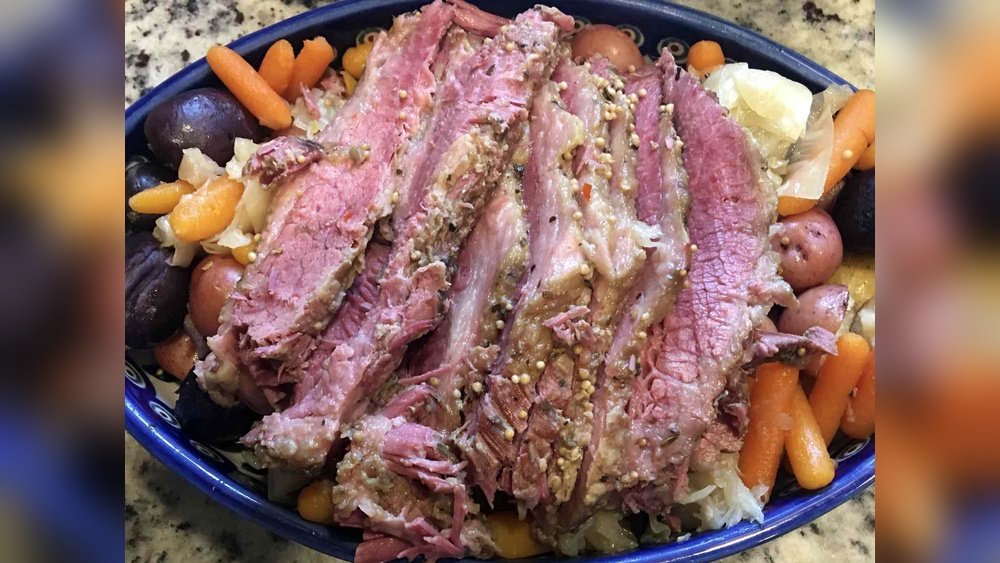
Cooking corned beef on the stove is a tradition in many kitchens. The promise of tender, flavorful meat brings people together, especially on holidays like St. Patrick’s Day. But sometimes, after hours of simmering, you lift the lid and find your corned beef is tough. This can be frustrating and disappointing. Luckily, tough corned beef can almost always be rescued with the right techniques.
In this guide, you’ll learn why corned beef gets tough, the science behind making it tender, and, step by step, how to fix it when things don’t go as planned. Whether you’re a beginner or someone who’s cooked corned beef many times, you’ll find practical tips and solutions that work.
You’ll also discover mistakes to avoid and insights that most recipe books leave out.
Why Corned Beef Turns Tough
Understanding why corned beef sometimes ends up chewy is the first step to fixing it. Corned beef is made from brisket, a cut from the lower chest of the cow. Brisket is full of muscle fibers and connective tissue, which need proper cooking to break down and become soft.
The Role Of Collagen
Brisket is rich in collagen, a protein that makes meat tough. When cooked low and slow, collagen breaks down into gelatin, making the meat tender and juicy. If the heat is too high or the cooking time is too short, collagen doesn’t have time to dissolve. The result? Tough, stringy beef.
Common Causes Of Toughness
- High heat: Boiling instead of simmering tightens the muscle fibers.
- Not enough time: Undercooked brisket doesn’t let collagen dissolve.
- Cutting meat the wrong way: Slicing with the grain makes fibers harder to chew.
- Poor quality meat: Some briskets have more connective tissue and need extra care.
Many people are surprised to learn that overcooking on high heat can also lead to toughness. The key is gentle, moist heat over several hours.
How To Test Corned Beef For Doneness
Before you decide your corned beef is tough, check if it’s actually done. The standard way is to use a fork.
- Insert a fork into the thickest part of the meat and twist.
- If the fork turns easily and the meat starts to separate, it’s tender.
- If you feel resistance, it needs more cooking.
The internal temperature should reach about 195°F (90°C) for best results. Lower temperatures don’t break down enough collagen.
How To Fix Tough Corned Beef On The Stove
If your corned beef is tough after the first cook, don’t worry. You can rescue it with these steps:
1. Slice And Return To The Pot
Often, the outside is softer while the inside stays tough. Here’s what to do:
- Let the corned beef cool until you can handle it.
- Slice the meat against the grain into 1/4-inch pieces. This shortens the fibers and makes it easier to chew.
- Return the slices to the pot with the cooking liquid.
- Simmer gently for 30-60 minutes. Add more water or broth if needed.
This extra time in the liquid will further soften the meat.
2. Add Moisture
If most of the liquid has evaporated, the meat can dry out. Replenish with water, beef broth, or even a splash of beer. Make sure the meat is mostly submerged as it simmers.
3. Use Low, Gentle Heat
Turn the stove to the lowest setting where you see a gentle simmer. Avoid boiling—this contracts the fibers and makes them chewy. If you have a heavy lid, keep it on to trap steam.
4. Check Every 20 Minutes
Test a piece with a fork every 20 minutes. Once it’s fork-tender, take it off the heat. Let it rest for 10 minutes before serving.
5. Add Vinegar Or Acid (optional)
A splash of apple cider vinegar or lemon juice can help break down tough fibers. Use only a little—about 1 tablespoon per quart of liquid. Acid can make the meat more tender, but too much will overpower the flavor.
6. Avoid These Mistakes
- Don’t add salt—corned beef is already salty.
- Don’t rush—high heat won’t fix tough meat, only time will.
- Don’t cut the meat until it’s cooled slightly; hot meat can fall apart unevenly.
The Best Cooking Method For Tender Corned Beef
If you want to avoid toughness next time, start with the right technique. Here’s a proven method for stove-top corned beef.
Ingredients
- 3-4 lb corned beef brisket (with spice packet)
- Water (enough to cover meat)
- 1 onion, quartered
- 2-3 garlic cloves, smashed
- 2 bay leaves
- 8-10 black peppercorns
- Optional: 1 carrot, 1 celery stalk, 1 tablespoon apple cider vinegar
Step-by-step Cooking Instructions
- Rinse the corned beef under cold water to remove excess salt.
- Place it in a large pot with spices and vegetables.
- Add enough water to cover by 1-2 inches.
- Bring to a gentle simmer over medium heat.
- Skim any foam from the surface.
- Cover with a tight lid and reduce heat to low.
- Simmer for 2.5 to 3.5 hours. Check for doneness after 2.5 hours.
- Add more hot water if needed to keep the meat submerged.
- Let the meat rest for 10-15 minutes before slicing against the grain.
This method gives the collagen time to dissolve, resulting in tender, flavorful beef.
Cooking Time Guide
Here’s a quick reference for how long to simmer corned beef based on weight:
| Weight | Simmer Time |
|---|---|
| 2 lbs | 2-2.5 hours |
| 3 lbs | 2.5-3 hours |
| 4 lbs | 3-3.5 hours |
| 5 lbs | 3.5-4 hours |
How To Slice Corned Beef For Maximum Tenderness
Even perfectly cooked corned beef can feel chewy if sliced the wrong way. Here’s how to do it right:
- Let the meat rest for at least 10 minutes after cooking.
- Place it on a cutting board.
- Look for the direction of the muscle fibers (the “grain”).
- Using a sharp knife, cut across the grain, not along it.
- Slice into 1/4-inch thick pieces.
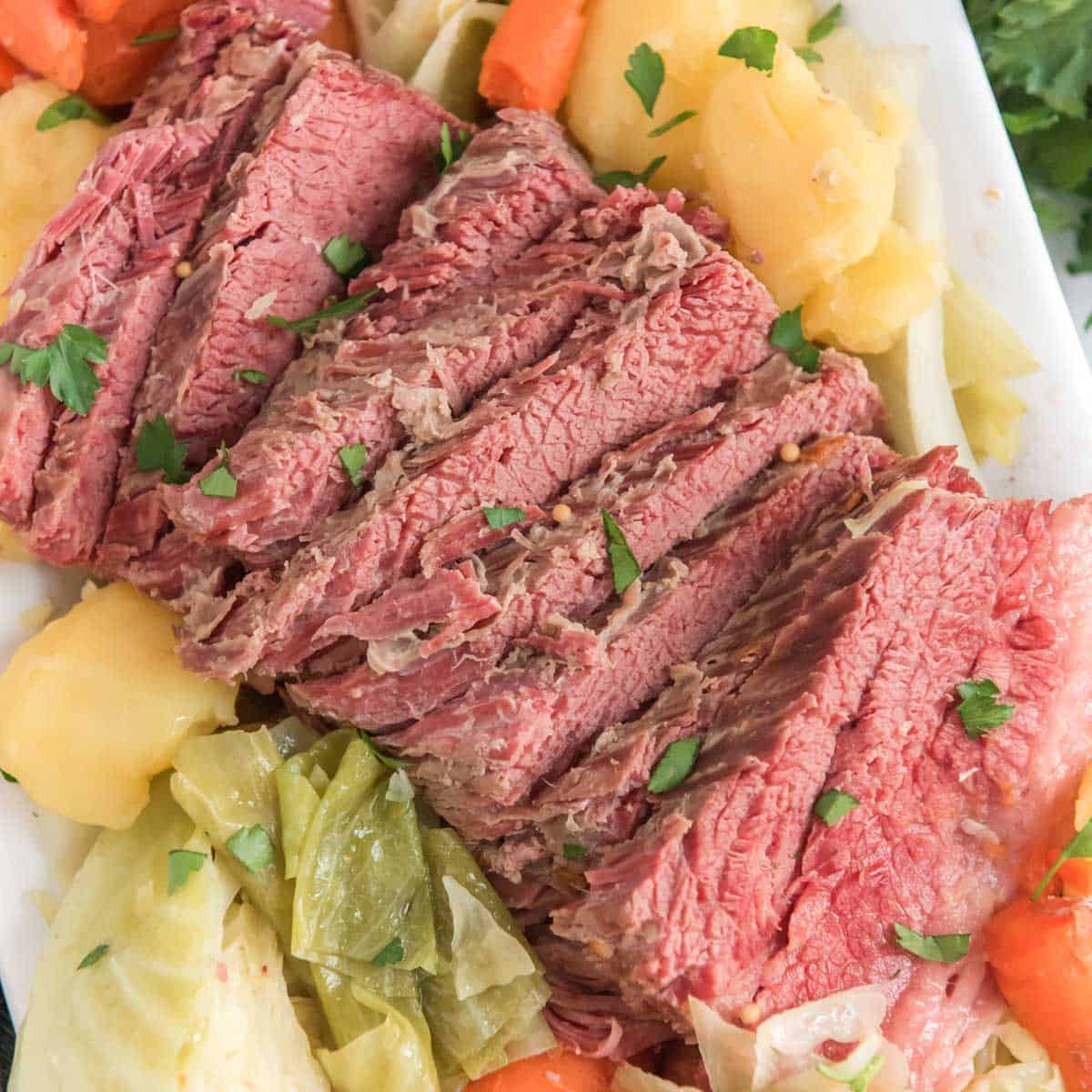
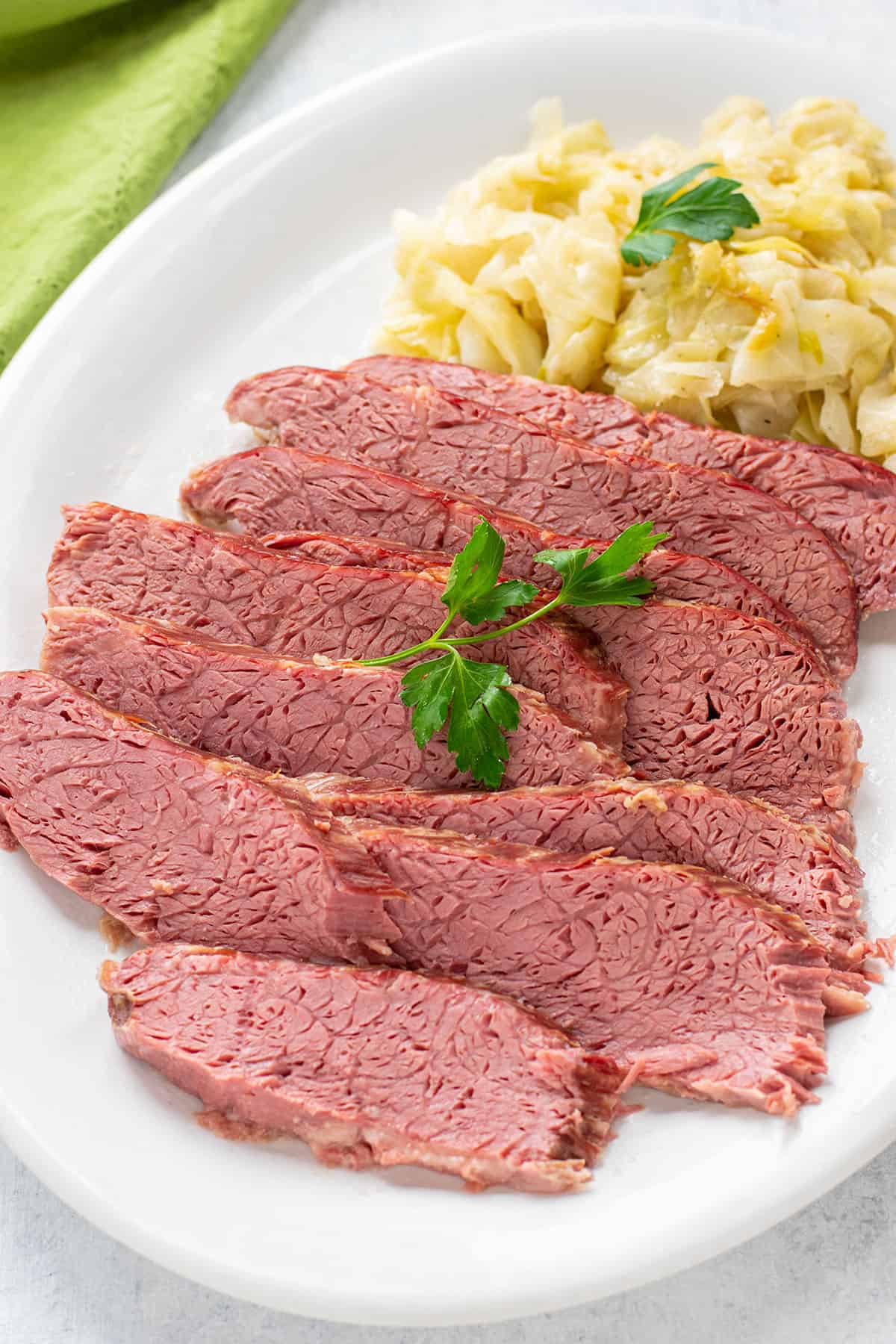
Cutting against the grain shortens the muscle fibers, making each bite much softer.
Should You Add Vegetables? When To Add Them
Many people love serving corned beef with cabbage, potatoes, and carrots. However, adding vegetables at the wrong time can affect both texture and flavor.
- Add root vegetables (potatoes, carrots, turnips) during the last 45 minutes of cooking.
- Add cabbage during the last 20-30 minutes.
If you put vegetables in at the start, they’ll become mushy and lose flavor.
Credit: thehappierhomemaker.com
Common Mistakes That Make Corned Beef Tough
Even experienced cooks can make these errors. Knowing what to avoid is as important as knowing what to do.
- Boiling instead of simmering: Too much heat tightens the meat.
- Cooking too fast: Collagen needs time to dissolve.
- Not enough liquid: The meat dries out and becomes stringy.
- Slicing with the grain: Chewy, unpleasant bites.
- Skipping the rest: Cutting hot meat can cause it to fall apart unevenly.
- Not checking for doneness: Undercooked corned beef is always tough.
- Using poor-quality brisket: Low-grade meat may never become truly tender.
Rescue Plan: What To Do If Corned Beef Remains Tough
You followed the steps, but your corned beef is still not as soft as you want. Here’s a troubleshooting guide.
1. Simmer Longer
If the meat is still chewy, return it to a gentle simmer. Be patient—sometimes brisket needs an extra hour, especially if it’s thick or from an older cow.
2. Add More Liquid
If much of the water has evaporated, add hot water or broth. The meat should always be mostly submerged.
3. Test Internal Temperature
Use a meat thermometer. For maximum tenderness, the ideal range is 190–200°F (88–93°C). Below 185°F (85°C), the collagen hasn’t fully broken down.
4. Slice And Simmer
Cutting the meat into slices and returning them to the pot speeds up tenderizing. Use a low simmer and check often.
5. Acid Trick
If you’re really stuck, a small splash of vinegar or lemon juice can help soften the fibers further.
Comparison: Stove-top Vs. Other Cooking Methods
Is the stove the best way to cook corned beef? Let’s compare with other popular methods.
| Cooking Method | Pros | Cons |
|---|---|---|
| Stove-Top | Easy to monitor; traditional; easy to add more liquid | Requires attention; risk of boiling over |
| Slow Cooker | Set and forget; hard to overcook | Takes 8+ hours; less control over final texture |
| Oven Braising | Even heat; can add flavorings | Less common; risk of drying out if uncovered |
| Pressure Cooker | Very fast (90 min); tender results | Easy to overcook; less flavor development |
Stove-top simmering gives you the most control and is easy to adjust if the meat turns tough.
Advanced Tips For Perfect Corned Beef
Most recipes skip these details, but they make a big difference.
1. Rest Before Slicing
Let the meat rest out of the hot liquid for 10–15 minutes before cutting. This helps juices redistribute and keeps slices moist.
2. Use A Heavy Pot
A heavy, enameled Dutch oven or thick-bottomed stock pot holds heat better and prevents scorching. Thin pans can lead to hot spots and uneven cooking.
3. Don’t Crowd The Pot
If you’re cooking more than one brisket, use a very large pot or cook in batches. Overcrowding lowers the temperature and leads to uneven doneness.
4. Skim Foam And Scum
In the first 15 minutes, you’ll notice foam on the surface. Skim this off with a spoon—it improves flavor and appearance.
5. Use Aromatics
Add onion, garlic, bay leaf, and whole spices to boost flavor. Avoid ground spices—they can make the broth gritty.

Credit: slimmingviolet.com
How To Store And Reheat Corned Beef Without Making It Tough
Leftover corned beef can become chewy if not reheated properly. Here’s how to keep it tender.
Storing
- Cool the meat in its cooking liquid.
- Store slices in an airtight container with a little broth to keep moist.
- Use within 4 days, or freeze for up to 2 months.
Reheating
- Place slices in a pan with a little broth.
- Cover and heat gently on the stove until warmed through—do not boil.
- For microwave, use a covered dish with broth and medium power.
Never reheat dry corned beef; always use liquid to prevent toughness.
Practical Example: Fixing Tough Corned Beef Step-by-step
Let’s look at a real-world example. Imagine you’ve just cooked a 4 lb brisket on the stove for 2 hours. You test it, and it’s still tough.
- Check the Temperature: It reads 170°F. Not high enough.
- Add Water: The pot looks dry, so you add 2 cups of hot water.
- Simmer Longer: You cover and simmer for another hour.
- Test Again: Now it’s 195°F and fork-tender.
- Let It Rest: Remove from the pot and rest for 15 minutes.
- Slice Properly: Cut against the grain into 1/4-inch slices.
- Result: Tender, juicy corned beef.
The main lesson: be patient and adjust as needed.
How To Choose The Best Corned Beef Brisket
The cut you start with makes a difference. Supermarkets usually offer two main types:
- Flat cut: Even thickness, leaner, easier to slice. Best for most recipes.
- Point cut: More marbled with fat, richer flavor, but uneven shape.
Flat cut is easier for beginners and produces more uniform slices.
What To Look For
- Bright pink color (from curing)
- Good marbling, but not too much fat
- Even thickness for even cooking
- Spice packet included
Avoid briskets with gray spots or off smells.
Simple Spice Additions For More Flavor
The standard spice packet is a start, but you can add more:
- Crushed garlic
- Whole allspice berries
- Mustard seeds
- Cloves
- Fresh thyme
Avoid adding ground spices—they can turn the broth cloudy.
Is It Safe To Eat Tough Corned Beef?
Yes, as long as it’s fully cooked to at least 145°F (63°C). Toughness is a texture issue, not a safety issue. However, undercooked brisket can be hard to digest, and you won’t enjoy the full flavor.
Nutrition Information: Corned Beef
Corned beef is rich in protein and iron but also high in sodium. Here’s a typical breakdown for a 3 oz serving:
| Nutrient | Amount |
|---|---|
| Calories | 210 |
| Protein | 15g |
| Fat | 16g |
| Sodium | 960mg |
| Iron | 1.5mg |
If you’re watching sodium, rinse the brisket before cooking and use fresh vegetables to balance the meal.
Credit: cookingwithmammac.com
Non-obvious Insights Most Beginners Miss
- Collagen needs time, not just heat. Even if your stove is hot, only a long, gentle simmer will break down collagen.
- Meat will firm up slightly as it cools. If the brisket feels just slightly softer than you want when hot, it will be perfect after resting.
- Cutting with the grain ruins tenderness, even if the meat is perfectly cooked.
- Adding vinegar too early can make the meat mushy. Use only at the end if you need a rescue.
Frequently Asked Questions
Why Is My Corned Beef Still Tough After Hours Of Cooking?
Usually, the meat hasn’t reached a high enough temperature for long enough. Collagen needs time at 190–200°F to break down. If the brisket is thick or cold from the fridge, it may need more time. Check with a fork and thermometer.
Can I Fix Corned Beef That Was Boiled And Turned Chewy?
Yes. Slice the meat against the grain, return to a pot with broth or water, and gently simmer for 30–60 minutes. Avoid boiling—gentle heat helps relax the fibers.
Is It Better To Use Water Or Broth For Simmering Corned Beef?
Both work, but beef broth adds more flavor. If you use water, add vegetables and spices for a richer taste. Avoid salty broths, as corned beef is already high in sodium.
What If My Corned Beef Is Dry And Tough?
Dryness means it lost moisture, often from not enough liquid or cooking uncovered. Rescue it by slicing and simmering in broth. Next time, keep the meat submerged and use a lid.
Can I Freeze Leftover Corned Beef?
Absolutely. Slice the cooled meat, store in an airtight container with a little broth, and freeze for up to 2 months. Thaw in the fridge and reheat gently in broth to keep it tender.
If you want to learn more about the science behind meat tenderness, visit the Wikipedia page on brisket for in-depth information.
Cooking corned beef is a journey that rewards patience and attention. Even if it turns out tough the first time, you can almost always fix it with a few expert moves. The key is slow, gentle heat, plenty of liquid, and the right slicing method.
With these techniques, you’ll serve tender, delicious corned beef every time—and impress anyone at your table.