
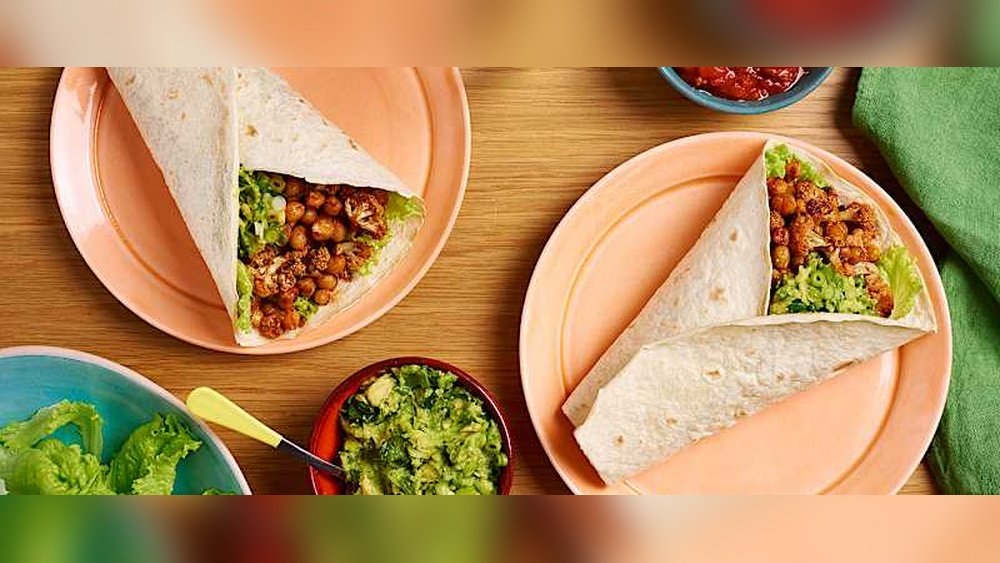
Defrosting tortillas sounds simple, but if you’ve ever tried it, you know it can go wrong fast. Tortillas can become dry and brittle, or worse, turn soggy and rubbery. The microwave offers speed, but only if you use the right method.
Whether you’re craving breakfast burritos or prepping for taco night, learning how to defrost tortillas in the microwave properly is a skill worth mastering. This guide will walk you through everything you need to know, from the science of freezing tortillas to expert microwave techniques, tips for different tortilla types, and solutions for common mistakes.
You’ll also find comparisons with other methods, safety advice, and answers to the most frequent questions. Let’s make sure your tortillas are always soft, warm, and ready to enjoy.
Why Tortilla Defrosting Matters
Tortillas—whether corn or flour—are a staple in many kitchens. They’re used for tacos, enchiladas, wraps, and more. Most people buy them in bulk and freeze them to keep fresh. But tortillas are delicate. If you don’t defrost them correctly, they can break, stick together, or lose their original taste and texture.
A poorly defrosted tortilla can ruin your meal. Imagine biting into a taco, and the tortilla cracks apart. Or trying to roll a burrito, but the tortilla rips. Defrosting the right way preserves moisture, softness, and taste. It also saves time and reduces food waste.
Many people overlook how much a tortilla’s texture affects a dish. For example, in enchiladas, a cracked tortilla means the filling leaks out and sauces can’t be absorbed evenly. In quesadillas, a stiff tortilla won’t fold or crisp properly. These small details change how your food looks, tastes, and feels, so learning to defrost tortillas well makes a real difference, especially if you cook for family or guests.
The Science Of Freezing And Defrosting Tortillas
Understanding what happens when tortillas freeze helps you defrost them better. Tortillas contain water, starch, and sometimes fat. Freezing causes the water to form ice crystals. If the tortilla is not wrapped well, ice crystals can dry it out, making it brittle.
When you defrost, you want the ice to melt evenly, without overheating spots or turning the tortilla soggy.
Microwaves heat food by agitating water molecules. If you microwave a tortilla for too long or at high power, the water evaporates and the tortilla dries out. Too little time, and it stays stiff. The goal is to restore the tortilla’s original flexibility without cooking it.
Some tortillas have ingredients like oil, lard, or shortening. These fats help tortillas stay soft during freezing, but they can also separate if overheated. That’s why lower microwave power is important—quick, high heat can melt fats unevenly, causing greasy or rubbery spots.
Also, tortillas with added flavors (like spinach or tomato) might have extra moisture, so they can turn soggy faster if not defrosted gently.
Another detail: tortillas absorb moisture from the air when defrosting. If you leave them uncovered in a humid kitchen, they might become sticky, and in a dry kitchen, they dry out. That’s why wrapping is so important for consistent results.
Preparing Tortillas For Freezing
Before thinking about defrosting, it’s important to freeze tortillas the right way. This step has a big impact on how well they will defrost.
- Separate with parchment or wax paper: Place a sheet between each tortilla. This prevents sticking and makes it easy to take out only what you need.
- Wrap tightly in plastic wrap or foil: This protects against freezer burn and moisture loss.
- Place in a freezer bag: Remove as much air as possible to keep tortillas fresh longer.
- Label with date and type: Helps you use older tortillas first.
Tortillas stored this way can last up to six months in the freezer without losing quality.
For best results, avoid freezing a whole package at once if you don’t plan to use all the tortillas. It’s better to divide a large stack into smaller bundles. That way, you won’t need to defrost more than you need, which also reduces food waste.
If you often use tortillas for single servings, freeze them individually or in pairs.
Another practical tip: If you make your own tortillas, let them cool completely before freezing. Warm tortillas will create steam, which forms ice crystals and makes them stick together. Taking a few extra minutes at this stage means easier defrosting later.
Microwave Defrosting: The Right Way
Defrosting tortillas in the microwave is fast and convenient. But many people use the wrong settings, leading to poor results. Here’s a step-by-step process for best results:
- Remove tortillas from the freezer: Take out only as many as you plan to use.
- Separate tortillas: If they’re stuck together, gently tap or twist to separate. If they won’t separate easily, microwave in short bursts (5–10 seconds) until they loosen.
- Wrap in a damp paper towel: This is the key to soft, flexible tortillas. Dampen a clean paper towel with water (not soaking wet). Wrap the tortillas in the towel.
- Place on a microwave-safe plate: Stack up to 5 tortillas for best results.
- Use the defrost setting or 30% power: Microwaves vary, but a lower power prevents overheating. Set for 30–45 seconds for 1–5 tortillas.
- Check and flip: After the timer ends, check the tortillas. Flip the stack, rewrap, and microwave for another 15–30 seconds if needed.
- Rest for 1 minute: Let the tortillas sit in the microwave or on the plate. Steam will finish the defrosting and soften the tortillas.
For larger batches, increase the time in small increments. Never microwave for more than 1 minute at a time without checking, as tortillas can quickly overheat.
If you’re defrosting just one tortilla, you can try folding it in half or quarters before wrapping in the damp towel. This helps trap steam and softens the tortilla evenly. If your microwave doesn’t have a defrost setting, use “power level” and set it to 30%–40%, as higher settings dry the tortillas too much.
A non-obvious detail: If your tortillas are on the thick side (like some homemade or “handmade” varieties), they may need an extra 10–15 seconds per batch. But always check after the first round—overdoing it can ruin the texture.

Credit: tortillafam.com
Timing Guide: How Long To Defrost Tortillas In Microwave
To make things easier, here is a timing reference for different quantities and types:
| Number of Tortillas | Corn Tortillas (seconds) | Flour Tortillas (seconds) | Power Level |
|---|---|---|---|
| 1-2 | 20-25 | 25-30 | 30% |
| 3-5 | 30-40 | 35-45 | 30% |
| 6-10 | 50-70 | 60-80 | 30% |
Tip: Microwaves vary in strength. If your tortillas are not warm and soft, add 10 seconds at a time.
Remember, thicker tortillas, or tortillas with added ingredients like cheese or herbs, might need slightly more time. If you’re unsure, always start with less time and increase as needed. This prevents overcooking, which is harder to fix than undercooking.
For party platters or family dinners, use the timing for 6–10 tortillas, but split into two stacks if your microwave is small. Overloading the plate leads to uneven heating and poor results.
Comparing Microwave With Other Defrosting Methods
You might wonder if the microwave is really the best option. Here’s a comparison of microwave, stovetop, and room temperature defrosting:
| Method | Time Needed | Texture | Risk of Dryness | Convenience |
|---|---|---|---|---|
| Microwave | 1-2 minutes | Soft, if done right | Medium | High |
| Stovetop (skillet) | 2-5 minutes | Very soft, sometimes crispy edges | Low | Medium |
| Room Temperature | 30–60 minutes | Original | Very Low | Low |
Microwave wins for speed and ease. The stovetop can add flavor but takes more time and attention. Defrosting at room temperature is best for large batches, but not always practical.
If you enjoy slightly toasted tortillas, try the stovetop after microwaving—just heat in a dry skillet for 10 seconds per side to add flavor. Room temperature defrosting is perfect for advanced meal planning, but if your kitchen is humid, tortillas may become sticky.
On busy nights, the microwave is the fastest way to get tortillas on the table.

Credit: www.oldelpaso.co.uk
Special Techniques For Different Tortilla Types
Not all tortillas are the same. There are differences in size, thickness, and ingredients. Knowing how to adjust your microwave method can help:
Corn Tortillas
Corn tortillas are smaller and more fragile. They dry out faster, so the damp paper towel is essential. For best results, heat in stacks of 3–5.
Extra tip: If your corn tortillas crack, sprinkle a few drops of water directly on the edges before microwaving.
Corn tortillas can also be more likely to break if they were stored for a long time or if the brand is naturally drier. After microwaving, keep them wrapped until ready to use. If making tacos, try doubling up tortillas—two thin tortillas together will hold fillings better and resist tearing.
Flour Tortillas
Flour tortillas are usually larger and more flexible. They can handle slightly more heat but will become chewy if over-microwaved.
Extra tip: For burrito-sized tortillas, fold them in half before wrapping in the paper towel to fit on the plate evenly.
If your flour tortillas are homemade or extra thick, add 5–10 seconds to the timing. After microwaving, gently stretch the tortilla edges—if they tear, add a bit more time next batch. Don’t over-stack; too many tortillas at once will not heat evenly.
Whole Wheat, Gluten-free, And Flavored Tortillas
These tortillas often have less moisture and can dry out even quicker. Always use a slightly wetter paper towel and check after 20 seconds.
Non-obvious insight: Some gluten-free tortillas contain extra starches. These can become gummy if microwaved too long. Try microwaving at 20% power for the first round.
Whole wheat tortillas, because of their bran content, tend to absorb and release moisture differently. If you see condensation inside the wrap after microwaving, open it slightly to let steam escape for 20–30 seconds. This avoids sogginess.
Flavored tortillas (like spinach or sun-dried tomato) often have added vegetable purees, which can steam and become sticky in the microwave. For these, use less water in the paper towel and separate immediately after microwaving.
How To Defrost Tortillas Without Getting Soggy
One common problem is soggy tortillas. Here’s how to avoid it:
- Don’t over-wet the paper towel: It should be damp, not dripping.
- Use a microwave-safe plate: Metal or certain plastics can create uneven heating.
- Rest after microwaving: Steam helps soften, but if you unwrap too soon, water collects on the tortilla.
- Separate immediately after defrosting: This prevents them from sticking together as they cool.
If you notice condensation collecting inside the wrap or on the plate, open one side slightly and let the steam escape. This helps prevent wet spots. If tortillas seem a little too moist after microwaving, let them sit uncovered for a minute before serving.
Defrosting Large Batches
If you need to defrost 10 or more tortillas, it’s better to work in small stacks. Here’s the process:
- Stack 5 tortillas with parchment between each.
- Wrap in a damp paper towel.
- Microwave for 45–60 seconds at 30% power.
- Flip the stack, microwave for another 30–40 seconds.
- Repeat for each stack.
- Pile all stacks under a clean kitchen towel to keep them warm and moist.
Non-obvious insight: For party-sized batches, after microwaving, keep tortillas in a warm oven (lowest setting, covered with foil) to maintain softness.
If you’re hosting and need tortillas ready for a crowd, try placing microwaved stacks in a tortilla warmer or insulated container. This keeps them soft for up to an hour. Avoid stacking too many hot tortillas at once, as steam can make the lower ones soggy.
What To Do If Tortillas Are Stuck Together
Frozen tortillas can stick, especially if they were frozen without parchment. Don’t pull them apart—they’ll break. Instead:
- Place the entire stack on a plate.
- Cover with a damp paper towel.
- Microwave for 10 seconds at 30% power.
- Gently try separating. If still stuck, repeat in 5-second bursts.
Patience is key; rushing will tear the tortillas.
If a few edges are still stuck after microwaving, use a thin spatula or butter knife to gently loosen them. Don’t use force—let the microwave do the work. If tortillas are still cold or stiff after separating, rewrap and microwave again for a few seconds.
Common Mistakes And How To Fix Them
Many people make these errors when defrosting tortillas in the microwave:
- Using high power: This cooks the tortilla instead of defrosting, making them tough and chewy.
- Skipping the damp paper towel: Dry heat equals brittle tortillas.
- Overlapping too many tortillas: Heat won’t reach the center, causing uneven defrosting.
- Not checking halfway: Tortillas on the outside may be hot, inside still frozen.
How to fix: If your tortilla gets hard, wrap it in a new damp towel and microwave for 10–15 seconds at low power. If soggy, air-dry for a minute on a plate.
Another common mistake is microwaving directly in the freezer bag. This traps steam and makes the tortillas rubbery or wet. Always remove and rewrap as described.
If a tortilla turns out uneven—part hot, part cold—fold or rearrange the stack before reheating. This helps distribute heat more evenly.
Food Safety: What You Need To Know
Microwave defrosting is safe for tortillas. However, a few safety tips:
- Always use microwave-safe plates and towels.
- Don’t refreeze tortillas that have been microwaved.
- Defrost only what you will use within 2 hours.
- If tortillas smell sour or have spots, discard them.
Did you know? According to the USDA, reheating or defrosting bread products in the microwave is safe as long as proper containers are used. For more food safety tips, visit the USDA Food Safety and Inspection Service.
Also, keep in mind that tortillas left at room temperature for several hours, especially in hot weather, can develop mold quickly. If you notice any change in smell, color, or feel, it’s safer to discard them.
Storing Defrosted Tortillas
If you have leftover defrosted tortillas, here’s how to keep them soft:
- Wrap in a dry kitchen towel.
- Store in a plastic bag at room temperature for up to 24 hours.
- For longer storage, refrigerate in an airtight container (up to 3 days).
- Reheat before using for best texture.
Avoid leaving defrosted tortillas uncovered, as they dry out quickly.
If you want to keep tortillas soft for a meal, place them in a tortilla warmer or wrap them in foil to keep the steam in. For picnics or lunchboxes, layer tortillas with parchment paper so they don’t stick together.
Refrigeration can make tortillas a bit stiff, but a quick 10-second microwave burst in a damp towel will restore softness. Don’t freeze again once tortillas have been fully defrosted, as repeated freezing and thawing damages texture.
Using Defrosted Tortillas In Recipes
Once your tortillas are defrosted, they’re ready for any recipe. Here are a few quick ideas:
- Tacos: Fill with grilled chicken, salsa, and avocado.
- Quesadillas: Place cheese between two tortillas and microwave for 30 seconds.
- Wraps: Spread with hummus, add veggies, and roll.
- Enchiladas: Roll with filling, cover with sauce, and bake.
Pro tip: Warm tortillas in a dry skillet for 10 seconds per side after microwaving to add a little char and extra flavor.
Defrosted tortillas are also perfect for chips—cut into triangles, brush with oil, and bake until crisp. Or try tearing leftover tortillas into strips for tortilla soup or casseroles. Soft, properly defrosted tortillas fold and roll without breaking, making meal prep quicker and less stressful.
When To Skip The Microwave
While the microwave is convenient, there are times when it’s better to use another method:
- For best taste: Use the stovetop or oven for an extra-soft texture.
- If tortillas are very old or dry: Gentle stovetop heating with a few drops of water restores moisture better.
- If you want crispy chips: Defrost, cut into wedges, and bake or fry.
If you have time, let tortillas thaw at room temperature before using the skillet. This gives a more authentic taste and texture, especially for special meals. For breakfast wraps, try steaming tortillas for 30 seconds in a steamer basket after defrosting—they’ll be extra soft and perfect for rolling.
Troubleshooting: Faqs About Defrosting Tortillas In Microwave
Why Do My Tortillas Turn Hard Or Chewy In The Microwave?
This happens if you microwave at too high a power or for too long. Always use the defrost setting or 30% power, and check halfway through. Wrapping in a damp paper towel is essential to keep moisture inside.
My Tortillas Came Out Soggy. How Can I Fix This?
Soggy tortillas usually mean too much water or not enough rest time after microwaving. Next time, wring out the paper towel better. If they’re already soggy, let them air-dry on a plate for 1–2 minutes before using.
Can I Defrost Tortillas In The Microwave Straight From The Freezer Bag?
It’s not ideal. Freezer bags can trap steam and make tortillas wet or rubbery. Always remove the tortillas, separate them, and wrap in a damp paper towel before microwaving.
How Do I Defrost Tortillas For A Crowd Using The Microwave?
Defrost in small stacks (no more than 5 at a time), then keep warm in a low oven or wrapped in a dry towel. Never try to microwave a huge stack at once—edges will overheat, centers stay cold.
Are There Any Risks To Defrosting Tortillas In The Microwave?
Microwave defrosting is safe if you use microwave-safe containers and avoid metal. Never refreeze tortillas that have been defrosted in the microwave, as this can affect texture and safety.

Credit: carolinagirlcooks.com
Frequently Asked Questions
How Do I Know My Tortillas Are Fully Defrosted?
Your tortillas should be soft, flexible, and at room temperature. If they’re still stiff or cold in the center, microwave for another 10 seconds at low power. Flex the tortilla gently; if it bends without cracking, it’s ready.
Can I Microwave Tortillas Without A Paper Towel?
It’s possible, but not recommended. Without a damp paper towel, tortillas dry out quickly and may become brittle. The paper towel keeps moisture inside for a soft texture.
What Should I Do If My Microwave Doesn’t Have A Power Setting?
If your microwave only has a high setting, microwave in very short bursts—5 to 10 seconds—checking often. Stack fewer tortillas at a time to avoid overheating.
Is It Safe To Eat Tortillas That Have Been Defrosted But Left Out For Hours?
Tortillas are low-risk, but it’s best to eat defrosted tortillas within 2 hours if left at room temperature, especially in warm weather, to prevent mold or spoilage.
Can I Use This Method For Homemade Tortillas?
Yes. Homemade tortillas may contain more moisture, so use a slightly shorter time and a less damp paper towel. Check after 15–20 seconds to avoid overcooking.
Defrosting tortillas in the microwave doesn’t have to be a guessing game. With these steps, you’ll get soft, flexible tortillas every time, whether you’re making a quick lunch or feeding a crowd. It’s all about the right power, timing, and a little moisture.
No more torn tacos or rubbery wraps—just perfect tortillas, ready when you need them.