
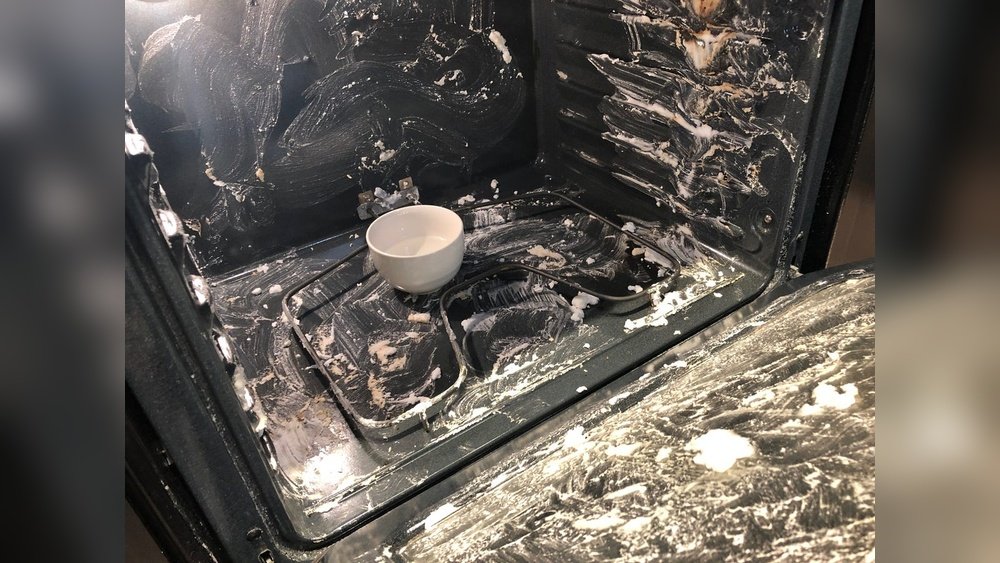
Spilled grease in your oven can be a real headache. It not only makes your oven look dirty, but it can also cause smoke, bad smells, and even small fires if left for too long. Many people try to ignore a greasy mess, hoping it will burn off next time they cook.
In reality, this only makes things worse and harder to clean later. If you’ve ever wondered how to clean spilled grease in your oven safely and effectively, you’re in the right place.
This guide covers everything you need to know, from the science of grease buildup, the best cleaning methods, and the tools you’ll need, to how to keep your oven clean in the future. Whether your oven is electric, gas, or even a self-cleaning model, you’ll find practical steps and helpful tips that go beyond basic advice.
With simple instructions and expert insights, you’ll learn how to tackle even stubborn grease with confidence and avoid common mistakes that many beginners make.
Why Grease Buildup Happens In Ovens
Before you start cleaning, it helps to know why grease spills happen and why they’re so tough to remove. When you cook fatty foods, some of the oil or fat can drip, bubble over, or even splatter inside the oven. This can happen when roasting meats, baking pies, making casseroles, or even reheating leftovers with oil.
Once grease lands on hot oven surfaces, it quickly turns into a sticky, baked-on layer. Over time, new grease sticks to old grease, creating thick, tough stains. If you use your oven often, these layers build up fast. The heat from the oven can also turn some grease into smoke, leaving a burnt smell and coating your oven with even more sticky residue.
Ignoring even a small spill can lead to bigger problems later. That’s why it’s important to clean up spills as soon as possible and know the right way to tackle old, stubborn grease.
What You’ll Need: Tools And Products For Grease Cleanup
Having the right tools makes cleaning easier and safer. Here’s a breakdown of the basic cleaning supplies you’ll need, along with some alternatives for tough or sensitive jobs.
| Tool/Product | Purpose | Best For |
|---|---|---|
| Baking soda | Gentle scrubbing | Light grease, routine cleaning |
| White vinegar | Degreasing, odor removal | Breaking down grease, natural cleaning |
| Dish soap (degreasing type) | Cutting through oil | Fresh spills, non-toxic cleaning |
| Commercial oven cleaner | Strong stain removal | Heavy, old grease layers |
| Plastic scraper or spatula | Removing baked-on residue | Protecting oven surfaces |
| Non-scratch scrubbing pad | Scrubbing without damage | Glass doors, enamel surfaces |
| Microfiber cloths | Wiping and drying | Final cleanup, polish |
| Rubber gloves | Hand protection | All cleaning tasks |
| Spray bottle | Applying solutions | Vinegar, soapy water |
Some ovens have special coatings or self-cleaning cycles. Always check your oven’s manual for warnings before using strong chemicals or tools like razor blades, which can scratch or ruin some surfaces.

Credit: www.reddit.com
Step-by-step Guide: Cleaning Fresh Grease Spills
The best time to clean a grease spill is soon after it happens, while the oven is still warm (but not hot). Here’s what to do:
- Turn off and unplug the oven. Safety comes first. Let it cool until it’s warm to the touch, not hot.
- Wipe up as much grease as possible with a paper towel or microfiber cloth. Don’t rub—dab gently to avoid spreading.
- Mix a cleaning solution. Combine a few drops of degreasing dish soap with warm water. For extra power, add a tablespoon of baking soda.
- Apply the solution. Dip your cloth or a non-scratch pad into the mix and gently scrub the greasy area.
- Rinse and repeat. Wipe with a clean damp cloth to remove soap and grease. If needed, repeat the process.
- Dry the area with a microfiber cloth to prevent water spots.
For oven racks, remove and wash them in hot soapy water or in a sink filled with a mix of baking soda and vinegar.
Pro tip: If the spill is thick or starting to harden, cover it with a wet cloth for 10–15 minutes. This softens the grease and makes it easier to remove without scratching.
How To Clean Baked-on Or Old Grease
Old grease is much harder to remove. It often turns dark brown or black and feels sticky or even hard. Here’s a deeper cleaning method that works for most ovens:
1. Remove Oven Racks And Loose Parts.
Take out anything you can (racks, trays, thermometers) for easier access.
2. Prepare A Baking Soda Paste.
Mix 1/2 cup baking soda with enough water to make a thick paste.
3. Spread The Paste On Greasy Areas.
Use gloves and a cloth or spatula to coat the stains. Avoid heating elements and gas vents.
4. Let It Sit For 10–12 Hours.
Overnight is best. The paste breaks down grease without harsh chemicals.
5. Scrape Off The Paste.
Use a plastic scraper. Wipe away loosened grease with a damp cloth.
6. Spray With Vinegar.
Fill a spray bottle with white vinegar and spritz over any leftover baking soda. It will fizz and help lift more grease.
7. Wipe Clean.
Use a clean damp cloth to remove everything. Dry with a microfiber cloth.
8. Repeat If Needed.
Stubborn spots may need a second or third application.
Non-obvious insight: Many people use more baking soda than needed. A thin, even layer works better than thick clumps, which can be hard to remove and waste product.

Credit: www.reddit.com
Using Commercial Oven Cleaners: What To Know
Sometimes, natural methods aren’t enough. Commercial oven cleaners are designed to cut through heavy, baked-on grease quickly. However, they are strong chemicals and must be used carefully.
How to use oven cleaner safely:
- Always wear rubber gloves and open windows for ventilation.
- Read the label and follow instructions exactly. Some cleaners require the oven to be warm; others, cool.
- Spray only on areas with grease. Avoid heating elements, fans, and seals.
- Let the cleaner work for the recommended time.
- Wipe away all cleaner with a damp cloth. Rinse multiple times to remove any residue.
- Never mix oven cleaner with other chemicals, especially ammonia or bleach.
Non-obvious tip: Oven cleaner can damage self-cleaning oven linings and some door seals. Test on a small hidden spot first.
Self-cleaning Ovens: Should You Use The Feature?
Many modern ovens have a self-cleaning mode. This cycle heats the oven to around 900°F (480°C), turning grease and food into ash you can wipe away. It sounds easy, but there are important things to know:
- Self-cleaning cycles use very high heat, which can make your kitchen smell and produce smoke if there’s a lot of grease.
- Remove all racks (unless the manual says they’re self-clean safe), as high heat can discolor or warp them.
- Wipe up large grease spills before starting the cycle. Too much grease can cause smoking or even fire.
- Allow several hours for the cycle and cooling. Never open the door during self-cleaning.
- After the oven cools, wipe away the ash with a damp cloth.
Pro insight: Using self-cleaning too often can wear out oven parts faster. For most homes, every 3–6 months is enough, unless you have a major spill.
Cleaning Oven Racks And Removable Parts
Grease often drips onto racks or trays. Cleaning them separately is usually easier and more effective.
Soaking Method
- Fill a bathtub or large sink with hot water and a few squirts of degreasing dish soap.
- Add 1/2 cup of baking soda and stir to dissolve.
- Submerge racks for 2–4 hours, or overnight for heavy grease.
- Scrub with a non-scratch pad or brush. Rinse and dry.
For Heavy Grease
If grease is baked on, sprinkle the racks with baking soda, then spray with vinegar. Let bubble for 10 minutes, then scrub and rinse.
Caution: Avoid using steel wool or metal brushes, which can scratch and rust racks.
Cleaning Oven Glass Doors
Grease on the glass door can block your view and look terrible. The process is a bit different than cleaning metal surfaces.
- Make a paste of baking soda and water.
- Spread a thin layer over the inside of the glass.
- Let it sit for 20–30 minutes.
- Wipe with a damp cloth. For stubborn spots, use a plastic scraper gently.
- Spray with vinegar, wipe dry for a streak-free shine.
Some ovens allow you to remove the door for easier cleaning. Check your manual for safe removal instructions.
Insider tip: Grease often collects at the bottom edge of the glass, so pay extra attention there.
What Not To Do: Common Mistakes
Cleaning ovens seems simple, but many people make mistakes that can damage the oven or make cleaning harder.
| Mistake | Why It’s a Problem | Better Alternative |
|---|---|---|
| Using sharp metal tools | Scratches enamel, glass, or coating | Plastic scraper, non-scratch pads |
| Ignoring fresh spills | Grease hardens and becomes harder to remove | Wipe up while warm |
| Using harsh chemicals on self-clean ovens | Damages special coating | Baking soda, gentle cleaners |
| Not rinsing after cleaning | Leaves residue that can smoke or smell | Wipe with damp cloth, dry well |
| Cleaning a hot oven | Risk of burns, fumes from cleaners | Let oven cool to warm |
Extra tip: Never line the bottom of your oven with foil to catch grease. This can block airflow, damage the oven, or void the warranty.
Natural Alternatives For Grease Removal
If you prefer not to use strong chemicals, there are several natural ways to clean grease. These are safer for your health and the environment.
- Baking soda and vinegar: The fizz helps lift grease.
- Lemon juice: The acid cuts through light grease and leaves a fresh scent.
- Salt and water paste: Good for scrubbing small spots.
- Steam cleaning: Place a pan of water with lemon slices in the oven at low heat for 20 minutes. Steam softens grease, making it easier to wipe away.
Non-obvious insight: Natural cleaners often take longer to work, so patience is key. Let them sit to break down grease before scrubbing.
How Often Should You Clean Grease In The Oven?
Regular cleaning keeps your oven working well and prevents tough grease buildup.
- Wipe up spills: After each use, once the oven cools.
- Deep clean: Every 1–2 months, or sooner if you cook a lot of fatty foods.
- Racks and trays: Soak and scrub every 2–3 months.
- Glass door: Clean as needed when visibility is poor.
Keeping a routine makes each cleaning faster and easier.
Preventing Future Grease Spills
Prevention saves time and effort. Here are some smart ways to reduce oven grease:
- Use baking sheets or trays under dishes that might drip or bubble over.
- Don’t overfill pans. Leave space for bubbling.
- Trim excess fat from meats before roasting.
- Cover dishes with lids or foil to stop splatter.
- Check food near the end of cooking to catch spills early.
- Clean up small spills immediately.
Pro tip: Oven liners are available, but only use ones designed for your oven type and place them on the lowest rack, not the oven floor.
Oven Types: Does It Change How You Clean?
Different ovens have different needs when it comes to cleaning grease.
- Electric ovens: Avoid getting water or cleaner on the heating elements. Clean around them, not on them.
- Gas ovens: Don’t let cleaning solution drip into the gas ports or pilot light.
- Self-cleaning ovens: Only use gentle cleaners on the inside. Never use abrasive pads.
- Convection ovens: Clean fan covers and vents carefully, as grease can build up and affect airflow.
Always check your oven’s user manual for specific advice.
When To Call A Professional
Most grease spills can be cleaned at home, but there are times when you should get help:
- Grease has dripped into inaccessible areas, like under the oven floor or behind panels.
- There’s a burning smell or visible smoke every time you use the oven.
- The oven door or controls become sticky or hard to use.
- You see signs of damage, like melted wires or blackened spots.
Professionals have tools and experience to clean and repair safely without voiding your warranty.
Real-life Examples: Tackling Stubborn Grease
Let’s look at a couple of situations and how they were solved.
Example 1: Jane noticed smoke every time she baked. She found a thick black spot of old grease in the back corner of her oven. She used a baking soda paste overnight, then sprayed vinegar and wiped. Most of the grease came off, but a small spot remained. She repeated the process twice more, and the smoke disappeared.
Example 2: Mike had an oven with a glass door covered in a greasy film. He tried commercial glass cleaner, but it just smeared the grease. He switched to a baking soda paste, let it sit for 30 minutes, and wiped with a damp cloth, then used vinegar to finish. The glass became clear with no streaks.
These examples show that patience and the right method make a big difference.
Quick Reference: Cleaning Timeline For Spilled Grease
For busy people, here’s a typical timeline for cleaning up a grease spill:
- Within 30 minutes: Dab up what you can while the oven is warm.
- Within 24 hours: Use baking soda and water for a gentle clean.
- For old grease (days or weeks): Try a baking soda paste overnight, or use a commercial cleaner if safe for your oven.
The longer grease sits, the harder it is to remove—so act as soon as you can.
Grease And Oven Performance: Why It Matters
You might think a little grease is just ugly, but it can also affect how your oven works.
- Reduced heating efficiency: Baked-on grease absorbs heat, so food may cook unevenly.
- Increased smoke and bad odors: Grease can burn and produce smoke every time the oven heats up.
- Fire risk: In rare cases, thick grease can catch fire.
- Shorter oven life: Grease can damage seals, fans, and electronics over time.
Regular cleaning keeps your oven safe and makes your food taste better.
Comparing Popular Grease Cleaning Methods
To help you choose the best cleaning method, here’s a simple comparison of the most popular options.
| Method | Best For | Time Needed | Safety | Effectiveness |
|---|---|---|---|---|
| Baking soda paste | General grease, eco-friendly cleaning | 12 hours (overnight) | Very safe | High for most stains |
| Commercial oven cleaner | Heavy, old grease | 1–2 hours | Use caution | Very high |
| Vinegar spray | Light to medium grease, deodorizing | 30–60 minutes | Very safe | Medium |
| Self-cleaning cycle | Heavy, widespread grease | 3–6 hours | Safe if used correctly | Very high |
Credit: www.thekitchn.com
When Grease Turns Into Smoke: What To Do
If you turn on your oven and see smoke, it’s a clear sign that grease is burning.
- Turn off the oven and let it cool.
- Open windows to ventilate.
- Once cooled, check for greasy spots. Clean as described above.
- Avoid cooking until the smoke problem is fixed.
Never try to clean a hot oven—wait until it’s warm, not hot, to avoid burns.
The Role Of Routine Cleaning
Getting rid of one big grease spill is good, but routine cleaning is even better. Wiping up small spills before they bake on keeps your oven in top shape. Set reminders every month, or clean after big roasts or baking projects.
Non-obvious insight: Even a quick wipe with a damp cloth after each use can prevent most grease problems.
Where To Find More Help
If you need more guidance or want to learn about oven-safe cleaning products, check the Oven cleaner entry on Wikipedia. It’s a reliable source for detailed information about oven cleaning chemicals and safety tips.
Frequently Asked Questions
How Do I Clean Grease From My Oven Quickly?
For a fast clean, wipe up the spill with a damp paper towel as soon as the oven cools to warm. Use a bit of dish soap and a non-scratch pad for any leftover grease. For older stains, a baking soda paste left for 15–30 minutes can help, but deeper stains may take more time.
Is It Safe To Use Oven Cleaner On All Ovens?
No, some ovens (especially self-cleaning models) can be damaged by strong chemicals. Always check your oven’s manual before using commercial cleaners. Test on a hidden spot first, and use gentle products like baking soda for sensitive surfaces.
Why Does My Oven Smoke After Cleaning?
If you see smoke, it’s usually leftover grease or cleaning product residue burning off. Rinse thoroughly with a damp cloth after cleaning, and dry well. Avoid using too much cleaning product, and always wipe away any extra before using the oven.
Can I Use Aluminum Foil To Catch Grease Spills?
It’s not recommended to line the oven floor with foil, as this can block airflow and damage the oven. If you want to catch spills, use a baking tray on a lower rack, but always check your oven’s manual for approved solutions.
How Often Should I Clean My Oven To Prevent Grease Buildup?
Wipe up spills after each use, and deep clean the oven every 1–2 months. If you cook a lot of greasy foods, you may need to clean more often. Regular cleaning keeps your oven working well and prevents tough, smoky grease stains.
Keeping your oven free of spilled grease is easier when you act quickly, use the right tools, and stick to a routine. With these tips and a bit of effort, you’ll enjoy a clean, safe, and great-smelling oven every time you cook.