
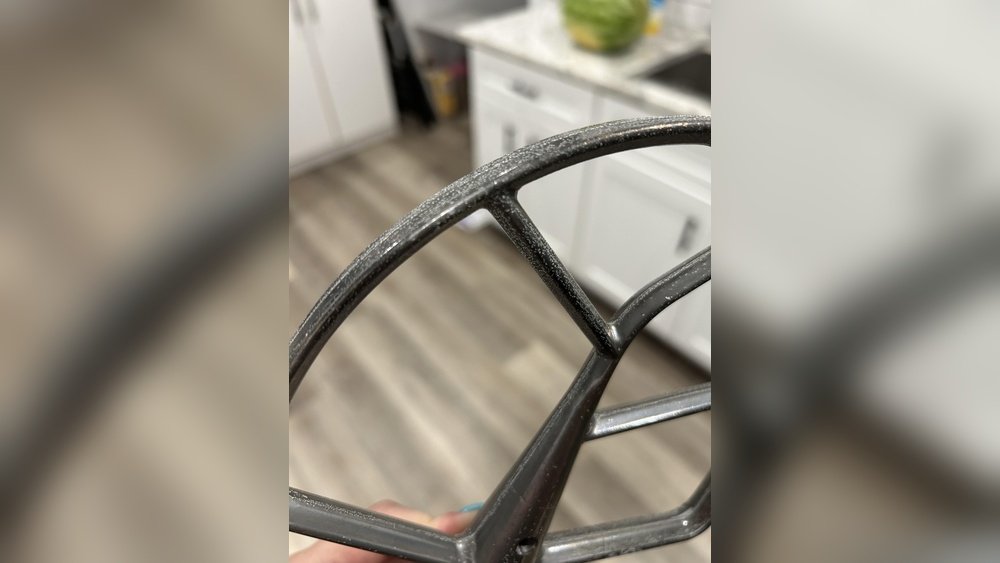
Keeping your Kitchenaid attachments clean is more than a matter of appearance—it’s about safety, performance, and longevity. Over time, you might notice your once-shiny beaters or dough hooks turning dull, gray, or even black. This is called oxidation, and it can make you wonder if your favorite mixer attachments are still safe to use. Many home cooks, even careful ones, are surprised when this happens, and don’t know how to fix it or prevent it. The good news is, you can restore your oxidized Kitchenaid attachments with simple methods and a bit of care. Understanding the right approach ensures your tools stay safe for food, and you don’t accidentally cause more damage.
This guide walks you through everything you need to know about cleaning oxidized Kitchenaid attachments—what causes oxidation, how to clean it off, which cleaning methods work best, what to avoid, and how to prevent the problem in the future. You’ll also learn how to identify different types of attachments, since material matters when choosing a cleaning method.
By the end, you’ll feel confident in caring for your mixer parts, with practical tips that even experienced cooks sometimes miss.
What Is Oxidation And Why Does It Happen?
Oxidation is a chemical reaction that happens when metal reacts with oxygen and moisture. For Kitchenaid attachments, especially those made from aluminum, exposure to air and water can lead to a chalky, gray, or black layer on the surface. This is not the same as rust, which is more common with iron or steel. Oxidation on aluminum is called aluminum oxide, and while it’s not toxic in small amounts, it can flake into your food or affect the attachment’s performance.
Many users notice oxidation after putting attachments in the dishwasher. The high heat, detergents, and water exposure can strip away the protective layer on metal, accelerating oxidation. Even hand washing in some cases, especially if you soak the attachments for a long time, can start the process.
Understanding why oxidation happens helps you prevent it and pick the right cleaning method.
Identifying Your Kitchenaid Attachments
Before you start cleaning, it’s important to know what kind of attachments you have. Kitchenaid offers several types, and each material reacts differently to cleaning methods. The three main types are:
- Burnished (uncoated) aluminum: Dull gray or silver, often found on older models. Prone to oxidation.
- Coated (usually white) aluminum: Covered in a white or off-white enamel. More resistant to oxidation but can chip.
- Stainless steel: Bright, shiny, and heavier. Less likely to oxidize, but still needs care.
Most oxidation problems happen with the burnished aluminum attachments. If yours are coated or stainless steel, you’ll follow a gentler cleaning process. If you’re unsure, check the Kitchenaid website or your user manual for part details.

Credit: startwiththebed.com
Why You Should Clean Oxidized Attachments
Some people wonder if cleaning oxidized attachments is necessary. Here’s why it’s important:
- Food safety: Oxidation flakes can mix into dough or batter.
- Taste and appearance: Black or gray residue can discolor food.
- Attachment lifespan: Cleaning prevents pitting and keeps metal strong.
- Mixer performance: Smooth, clean attachments work better and faster.
Ignoring oxidation can lead to permanent damage. It’s easier and cheaper to maintain attachments than replace them.
Essential Supplies For Cleaning
You don’t need expensive products to clean oxidized Kitchenaid attachments. Most supplies are already in your kitchen. Here’s what works best:
- Baking soda
- White vinegar
- Lemon juice
- Mild dish soap
- Non-abrasive scrub pad or sponge
- Soft cloth
- Toothbrush (old, clean)
- Plastic or glass bowl
- Water
Avoid steel wool, metal brushes, or harsh cleaners. They can scratch or remove protective coatings.
Step-by-step: Cleaning Oxidized Kitchenaid Attachments
Follow these steps for the most effective, safe cleaning. These methods focus on burnished aluminum attachments, but work for most types.
1. Basic Cleaning
Start with the simplest method before trying anything stronger.
- Mix warm water and a few drops of mild dish soap in a bowl.
- Dip a non-abrasive sponge or cloth into the solution.
- Gently scrub the attachment, paying attention to cracks or corners.
- Rinse under warm running water.
- Dry immediately with a soft towel.
This removes surface dirt and some mild oxidation. For deeper cleaning, go to the next step.
2. Baking Soda Paste Method
Baking soda is excellent for lifting oxidation without scratching metal.
- In a small bowl, mix 3 tablespoons of baking soda with 1 tablespoon of water to make a paste.
- Spread the paste over the oxidized areas.
- Let it sit for 5-10 minutes.
- Use a toothbrush to scrub gently, focusing on stubborn spots.
- Rinse thoroughly with warm water.
- Dry immediately.
If the oxidation remains, repeat the process. Don’t let the paste dry completely—it works best when moist.
3. Vinegar Or Lemon Juice Treatment
White vinegar and lemon juice are mild acids that can help dissolve oxidation.
- Pour enough vinegar or lemon juice into a bowl to cover the attachment.
- Soak the attachment for 5 minutes.
- Remove and scrub with a soft brush or sponge.
- Rinse well under running water.
- Dry completely with a cloth.
Do not soak for longer than 10 minutes—over-soaking can damage uncoated aluminum.
4. For Stubborn Oxidation
If your attachments are still dark or patchy, combine the above methods.
- Apply baking soda paste and let sit for 5 minutes.
- Spray or dab vinegar over the paste. It will fizz—this reaction helps lift oxidation.
- Scrub gently with a toothbrush.
- Rinse and dry.
Repeat only once or twice. Aggressive scrubbing may scratch the surface.
5. Polishing (optional)
For a shiny finish, buff attachments with a soft, dry cloth after cleaning. You can use a small amount of food-safe mineral oil (just a drop), but never use cooking oil, which can become sticky.
What Not To Do
Some cleaning habits can make oxidation worse or ruin your attachments. Avoid these common mistakes:
- Dishwasher cleaning: Even if labeled “dishwasher safe,” repeated cycles can strip coatings and speed up oxidation.
- Soaking for hours: Long soaks, especially in acidic solutions, can pit or weaken metal.
- Abrasive pads/cleaners: Steel wool, scouring powder, or hard brushes scratch surfaces and remove protective layers.
- Bleach or harsh chemicals: These can react with metal and cause black spots.
- Using attachments while wet: Moisture left on the surface can trigger more oxidation.
How To Clean Coated And Stainless Steel Attachments
If your Kitchenaid attachments have a white or off-white coating, or are made of stainless steel, use a gentler approach.
Coated Attachments
- Wash with warm, soapy water and a soft sponge.
- Avoid soaking for more than a few minutes.
- Never use metal scrubbers or harsh chemicals.
- Dry immediately to prevent rust under chips.
If the coating is chipped or cracked, the attachment should be replaced—metal underneath can oxidize and flake into food.
Stainless Steel Attachments
- Clean with mild soap and water.
- For stubborn spots, use a paste of baking soda and water.
- Rinse and dry thoroughly.
- Avoid soaking or using bleach.
Stainless steel rarely oxidizes, but water spots and residue can build up. Immediate drying prevents this.
Comparing Cleaning Methods
Choosing the right cleaning method depends on the attachment’s material and the severity of oxidation. Here’s a side-by-side look:
| Cleaning Method | Best For | Oxidation Level | Time Needed | Risks |
|---|---|---|---|---|
| Soap & Water | All Materials | Light | 5 min | None |
| Baking Soda Paste | Aluminum, Stainless Steel | Moderate | 10-15 min | Minimal if gentle |
| Vinegar/Lemon Juice | Uncoated Aluminum | Heavy | 10-15 min | Possible pitting with long soak |

Credit: www.reddit.com
How To Prevent Future Oxidation
Cleaning is important, but prevention saves more time and effort. Here’s how to keep your Kitchenaid attachments looking new:
- Hand wash only: Use warm water, mild soap, and a non-abrasive sponge. Avoid the dishwasher.
- Dry immediately: Don’t let attachments air dry. Use a soft towel right away.
- Store in a dry place: Moisture in cabinets or drawers can cause oxidation. Use a breathable bag or cloth if storing long-term.
- Avoid acidic foods: If you use attachments for lemon juice or vinegar-based recipes, wash and dry immediately.
- Check for chips or cracks: Replace coated attachments if the enamel is damaged. Exposed metal oxidizes quickly.
Frequently Missed Tips And Insights
Most guides cover the basics, but here are a few advanced tips even experienced cooks might overlook:
- Don’t ignore attachment screws and joints: Oxidation often starts in tight spaces. Use a toothbrush to clean around screws and moving parts.
- Rotate attachments: If you have more than one set, alternate their use. This gives time to inspect and maintain each one.
- Test with a white towel: After cleaning, rub the attachment with a white towel. If you see gray or black marks, repeat the cleaning process.
- Label older attachments: If you have a mix of old and new, label them with a marker underneath. Older, uncoated aluminum needs more care.
- Contact Kitchenaid support: If oxidation keeps coming back or parts look damaged, reach out. Sometimes, hidden manufacturing issues cause rapid oxidation.
When To Replace Your Attachments
Even with the best care, attachments don’t last forever. Here’s how to know it’s time to replace them:
- Deep pitting or corrosion: If the metal has holes, rough spots, or flakes, it’s unsafe.
- Chipped or peeling coating: Exposed metal can contaminate food and oxidize quickly.
- Loose or damaged joints: Attachments should fit securely in the mixer. Wobbling or rattling is a sign to replace.
- Persistent black residue: If cleaning doesn’t fix the problem, the metal may be compromised.
Replacement is an investment in safety and performance. Newer models often use improved materials that resist oxidation better.
Understanding Kitchenaid Attachment Materials
Kitchenaid attachments have changed over the years. Knowing what yours are made from helps with cleaning and prevention.
| Material | Appearance | Common Issues | Cleaning Advice |
|---|---|---|---|
| Burnished Aluminum | Dull gray/silver | Oxidation, discoloration | Hand wash, baking soda, avoid dishwasher |
| Coated Aluminum | White/off-white enamel | Chipping, hidden oxidation | Gentle hand wash, replace if chipped |
| Stainless Steel | Bright, shiny | Water spots, rare discoloration | Hand wash, dry immediately |
This table can help you identify your attachments and choose the right cleaning method.
Real-world Example
Sarah, a home baker, noticed her Kitchenaid dough hook turned gray and left marks in her bread dough. She had always put it in the dishwasher, thinking it was safe. After learning about oxidation, she switched to hand washing with baking soda paste.
The gray marks disappeared after two cleanings, and her attachment looked almost new. She now dries each part right away and stores them in a dry drawer, preventing further oxidation. Many users share similar stories, and simple changes make a big difference.
Common Myths About Oxidation And Attachments
- “Oxidation means it’s ruined.” Not true—most oxidized attachments can be restored unless deeply pitted or flaking.
- “Dishwasher safe means always safe.” Not for aluminum or coated parts. Dishwashers can strip coatings and cause oxidation.
- “All black residue is dangerous.” Aluminum oxide isn’t toxic in small amounts, but it’s best to clean it off for taste and appearance.
- “You need special cleaners.” Simple household products like baking soda and vinegar work best.

Credit: www.budget101.com
Professional Advice And Manufacturer Guidelines
Kitchenaid’s official support recommends hand washing and immediate drying for all attachments, especially uncoated aluminum. For more severe oxidation, they approve gentle baking soda or vinegar cleaning. They warn against using the dishwasher for burnished or coated parts, even if labeled “dishwasher safe,” due to changing detergent formulas and high water temperatures. You can read more on the official Kitchenaid Product Help page.
Frequently Asked Questions
What Is The Gray Or Black Residue On My Kitchenaid Attachment?
The gray or black residue is aluminum oxide, a harmless but unsightly byproduct of oxidation. It often appears after dishwashing or long-term exposure to moisture. While not toxic, it can discolor food and should be cleaned off for best results.
Is It Safe To Use Oxidized Kitchenaid Attachments?
Light oxidation is not dangerous, but it’s best to clean attachments before use. Deep pitting, flaking, or peeling can pose safety risks and may contaminate food. If you notice persistent residue after cleaning, replace the attachment.
Can I Put My Attachments In The Dishwasher If They Say “dishwasher Safe”?
It’s not recommended for burnished aluminum or coated attachments. Dishwashers can strip protective layers, causing oxidation. Stainless steel attachments are safer but still last longer with hand washing and immediate drying.
What Should I Do If My Attachment’s Coating Is Chipped?
Stop using the attachment and replace it. Chipped coating exposes metal underneath, which can oxidize and flake into food. Using damaged attachments is not safe for food preparation.
How Often Should I Clean And Inspect My Kitchenaid Attachments?
Clean attachments after every use, especially if exposed to acidic foods. Inspect monthly for signs of oxidation, pitting, or coating damage. Regular care extends their lifespan and keeps your food safe.
Caring for your Kitchenaid attachments is easier than you might think. By understanding what causes oxidation and following the right cleaning steps, you can keep your mixer parts in top condition for years. Simple habits—hand washing, drying, and gentle cleaning—make the biggest difference. A little attention now prevents big problems later, so you can focus on what matters most: creating delicious food with your Kitchenaid mixer.