
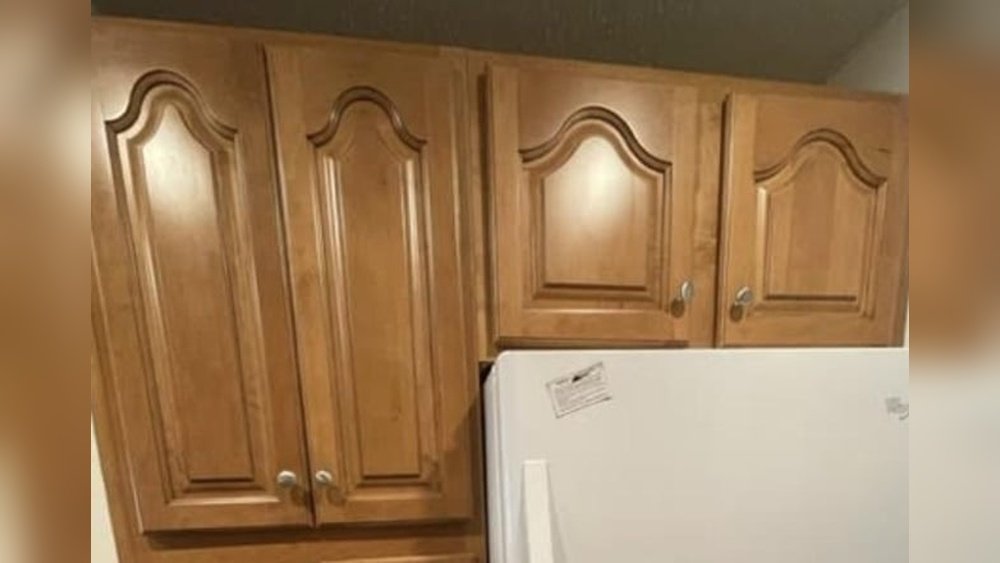
Changing cathedral cabinet doors can transform your kitchen or bathroom faster than most people imagine. The classic arch-top style of cathedral cabinet doors feels dated in many homes today, but replacing them often seems like a huge project. The truth? With the right steps, clear planning, and a bit of patience, you can upgrade your cabinets yourself—even if you’re not a professional woodworker or contractor.
Many homeowners start this project to update their space, boost home value, or prepare for a sale. Some simply want a fresher look. But most guides online leave out important details, common challenges, and the best ways to avoid mistakes.
This guide covers every step, from choosing new doors and removing the old ones to painting, installing, and finishing—so you can handle the whole process confidently.
Understanding Cathedral Cabinet Doors
Cathedral cabinet doors have a distinctive arched design at the top, often with raised panels and decorative edges. They were popular in homes built from the 1970s through the 1990s. Their name comes from the arch shape, which resembles the windows and doors found in old cathedrals.
While many people still like the style, others see it as old-fashioned. If you want a modern look, changing these doors is more effective than just painting over them.
Why People Replace Cathedral Doors
- Outdated style: The arch can make a room feel older.
- Damage or wear: Many older doors have chips, cracks, or broken hinges.
- Preference for new colors or finishes: Modern trends lean toward flat panels and simple lines.
Replacing just the doors—rather than the entire cabinet boxes—is a smart way to save money and reduce waste.
Planning Your Cabinet Door Replacement
Good planning makes the process smoother and helps you avoid expensive mistakes. Before you buy anything, take time for these key steps.
Measure Your Existing Doors And Openings
The most important step is accurate measurement. Measure the height and width of each door. Doors often vary slightly, even in the same kitchen, so measure every door instead of assuming standard sizes.
Write down:
- The door’s width (left to right)
- The door’s height (top to bottom)
- The overlay (how much the door covers the frame)
Tip: Measure in millimeters for more precision, then convert to inches if needed.
Decide On Your New Door Style
Popular choices to replace cathedral doors include:
- Shaker: Flat panel with a simple frame. Modern, clean look.
- Slab: Completely flat with no frame. Sleek and minimalist.
- Beadboard: Has vertical grooves for a cottage feel.
Think about your home’s style, and look for door samples at home improvement stores. Hold them next to your cabinets to see how they’ll look in your lighting.
Choose A Finish And Material
Most new doors are made from:
- Solid wood (maple, oak, cherry)
- MDF (medium-density fiberboard), often painted
- Thermofoil (vinyl wrap over MDF)
Solid wood is more expensive but very durable. MDF is affordable and paints well. Thermofoil is easy to clean but can peel near heat.
Create A Budget
Replacing cabinet doors is usually much less expensive than a full remodel, but costs add up. Plan for:
- Door costs ($25–$150 per door, depending on material)
- Hinges and hardware ($3–$10 per door)
- Paint or finish (if DIY)
- Tools, if you don’t have them
It’s smart to set aside 10–15% extra for mistakes or surprises.
Removing Your Old Cathedral Cabinet Doors
Now you’re ready to start the hands-on part. Removing the old doors is not hard, but you need to be careful to avoid damaging the cabinet boxes or frames.
Tools Needed
- Screwdriver (Phillips or flathead, depending on your hinges)
- Cordless drill (optional, for faster work)
- Step stool or ladder (for upper cabinets)
- Zip-top bags or small containers (for screws and hinges)
Step-by-step Removal
- Empty your cabinets: Take out dishes and items to prevent accidents.
- Label each door: Use masking tape to number each door and its location. This helps when installing new doors.
- Unscrew the hinges: Support the door with one hand as you remove the screws from the hinges. Remove one hinge at a time.
- Remove the door: Set the old door aside. Collect the hinges and screws in your container.
- Check for damage: Look at the cabinet box for cracks or loose wood. Make repairs before installing new doors.
Sometimes, hinges are painted over or stuck. Use a utility knife to score around the hinge if necessary.
Preparing For New Doors
Before you install new cabinet doors, the cabinet frames need to be clean and in good shape. Small problems can become big ones if ignored now.
Clean And Repair Surfaces
- Wipe down frames with a degreaser to remove cooking oils and dust.
- Fill any holes or chips with wood filler. Let it dry, then sand smooth.
- If you plan to paint the frames, sand lightly and wipe away dust.
Remove Old Hardware
If you’re changing handles or knobs, now’s the time to remove them. Fill old hardware holes if your new handles don’t line up with the existing ones.
Check Hinge Placement
Most modern hinges are “concealed” (hidden inside the cabinet), but older cathedral doors may have surface-mount or exposed hinges. Decide if you’ll reuse the existing hinge holes or drill new ones. Reusing holes is easier but may limit your choice of hinge.
Selecting And Ordering New Cabinet Doors
Ordering the right doors is crucial. Mistakes here can lead to expensive returns or long delays.
Decide Between Ready-made And Custom Doors
- Ready-made doors: Available in standard sizes at big box stores or online. Less expensive, but may not fit perfectly.
- Custom doors: Made to your exact measurements. More expensive, but ensure a perfect fit.
If your cabinets are not a standard size, custom is usually the best choice.
Where To Buy
- Local cabinet shops: Good for seeing samples in person.
- Home improvement stores: Offer both in-stock and custom options.
- Online suppliers: Many websites specialize in cabinet doors, with detailed guides for measuring and ordering.
Read reviews and check return policies before ordering.
Ordering Tips
- Double-check all measurements before sending.
- Ask about pre-drilling for hinges—some suppliers will do this for a small fee.
- Order a sample door if possible to check color and finish.
If you order unfinished doors, plan for extra time to paint or stain them before installation.
Painting Or Staining Your New Doors
Painting or staining your new doors lets you match your style exactly. This step takes patience but gives the best-looking results.
Painting Steps
- Sand the doors: Use 150–220 grit sandpaper to smooth the surface.
- Clean off dust: Wipe with a tack cloth.
- Prime the doors: Use a quality primer, especially on MDF or bare wood.
- Sand lightly again: For a smooth finish.
- Paint: Apply 2–3 thin coats of your chosen paint, letting each coat dry fully.
- Let cure: Wait at least 24–48 hours before handling.
Staining Steps
- Sand the doors: As above.
- Apply wood conditioner (for soft woods): Helps stain go on evenly.
- Stain with a brush or rag: Wipe off excess.
- Let dry: Follow stain manufacturer’s instructions.
- Apply clear finish: Use polyurethane or similar for durability.
Tip: Use a drying rack to hold doors flat while they dry. Hanging wet doors can lead to drips.
Choosing A Paint Or Stain
- Oil-based paints: Durable, smooth finish, but strong smell.
- Acrylic/latex paints: Easy cleanup, low odor, good for kitchens.
- Gel stains: Thicker, less drippy, good for vertical surfaces.
If unsure, take a sample door to your local paint store for recommendations.
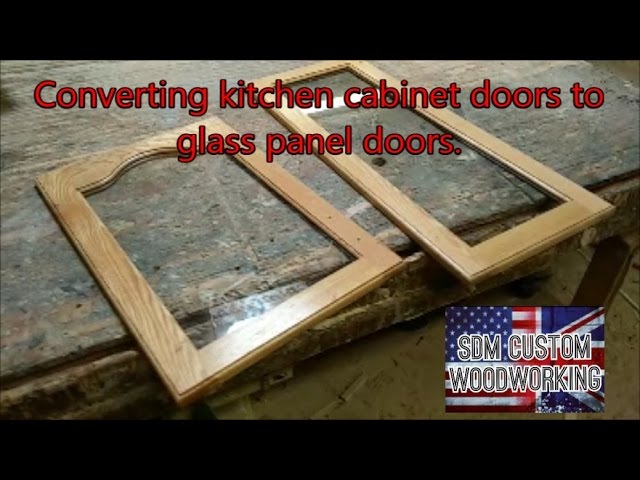
Credit: www.youtube.com
Installing New Cabinet Doors
Once your new doors are ready, installation is the most rewarding step. Proper alignment and careful attachment make cabinets look professional.
Gather Necessary Tools
- Cordless drill
- Screwdriver
- Measuring tape
- Pencil
- Level
- Hinge jig (optional, for drilling new hinge holes)
Attaching Hinges To Doors
Most new doors need the hinges attached before hanging. Place the hinge cups into pre-drilled holes (or drill them yourself if needed). Secure with screws, but don’t overtighten.
Tip: Use a piece of scrap wood under the door to keep it level while attaching hinges.
Hanging The Doors
- Hold the door in place: Rest it on a temporary spacer (like a book) to set the correct height.
- Attach the hinges to the cabinet: Screw in one hinge loosely, then the other. Check alignment before tightening.
- Test the door: Open and close to make sure it swings freely and lines up with the frame.
- Adjust as needed: Most modern hinges allow for small adjustments up/down, left/right, and in/out.
Tips For Even Gaps
- Use a measuring tape to ensure equal spacing between doors.
- Place a 1/8″ (3 mm) spacer between doors for a consistent look.
- Check that doors are not rubbing or binding.
Installing Handles Or Knobs
If your new doors don’t have holes, use a template to mark the spot before drilling. Drill from the front to the back to avoid splintering the finish.
Common Mistakes And How To Avoid Them
Many DIYers make the same errors when replacing cabinet doors. Here’s how to avoid the most common pitfalls.
- Wrong measurements: Always measure each door and opening. Don’t assume sizes.
- Mixing up doors: Label every door and its position before removing.
- Forgetting overlay: Order the right size so doors cover the cabinet frame as intended.
- Poor painting technique: Rushing paint or stain can cause drips, streaks, or rough spots.
- Incorrect hinge placement: If hinges aren’t lined up, doors won’t hang straight.
- Not allowing enough time: Let paint or stain cure fully before installing.
Advanced tip: If your cabinets are not perfectly square (common in older homes), you may need to trim or sand new doors slightly for a perfect fit.

Credit: www.freshdesignblog.com
Cost Comparison: Refacing Vs. Replacing Cabinet Doors
Many homeowners ask whether they should reface their cabinets (add a new veneer and doors) or just replace the doors. Here’s a quick comparison:
| Option | Average Cost (10’x10′ Kitchen) | Time Needed | Result |
|---|---|---|---|
| Replace Doors Only | $1,000–$2,500 | 1–2 days | New look, old boxes |
| Full Refacing | $4,000–$9,000 | 3–5 days | New look, new veneer on boxes |
| Full Replacement | $10,000–$25,000+ | 1–2 weeks | Brand new cabinets |
For most people, just replacing the doors gives the best balance of cost and visual impact.
Tools And Materials: Quick Reference
Here’s a summary of tools and materials you’ll need for changing cathedral cabinet doors:
| Tool/Material | Purpose | Estimated Cost |
|---|---|---|
| Screwdriver/Drill | Remove/attach hinges and hardware | $10–$60 |
| Measuring Tape | Measure doors and openings | $5–$15 |
| Hinges | Mount new doors | $3–$10 each |
| Paint/Stain | Finish new doors (if not pre-finished) | $20–$50 |
| Wood Filler | Patch holes or chips | $5–$10 |
| Sandpaper | Smooth surfaces | $5–$10 |
| Handles/Knobs | Open doors | $2–$10 each |
| Level | Ensure straight installation | $10–$20 |
Most homeowners already have many of these tools. If not, they’re a good investment for other DIY projects.
Real-life Example: Upgrading A 1990s Kitchen
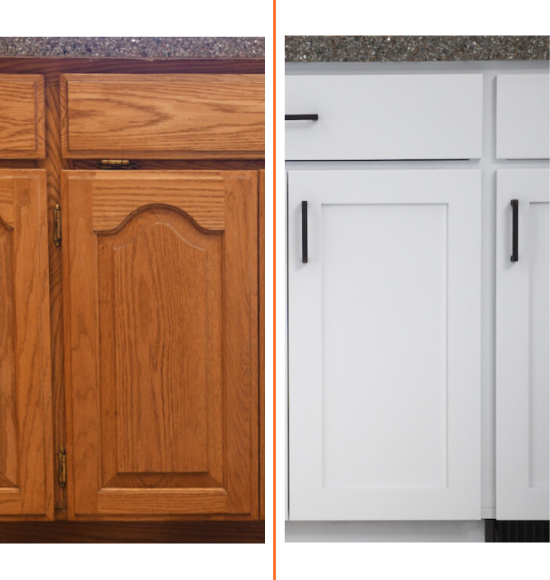
Let’s look at a homeowner’s journey. Jane had a kitchen with 18 cathedral-style cabinet doors, all in good shape but dated honey oak. She wanted a modern white Shaker look but didn’t want to spend $10,000.
- Step 1: Jane measured each door and ordered custom Shaker doors online for $1,500.
- Step 2: She painted the cabinet frames white herself using a high-quality enamel.
- Step 3: Jane removed the old doors, attached new hinges, and installed the new doors over two weekends.
- Result: The kitchen looked new for under $2,000. Jane saved money and got exactly the look she wanted.
One insight Jane shared: “I almost forgot to measure the overlay—the doors would have been too small!”
Maintenance Tips For Your New Cabinet Doors
After all your hard work, you want your doors to look great for years. Here’s how to keep them in top shape.
- Clean with a damp cloth: Avoid harsh chemicals or abrasive sponges.
- Touch up chips or scratches: Keep a small pot of matching paint or stain.
- Check hinges yearly: Tighten any loose screws.
- Avoid slamming doors: Install soft-close hinges if needed.
If you see peeling, cracking, or warping, address it quickly. Moisture is the main enemy of wood doors—wipe up spills right away.
Credit: www.nhance.com
Is Diy Or Professional Installation Better?
Should you install new cabinet doors yourself or hire someone? Here’s a quick comparison:
| Option | Pros | Cons |
|---|---|---|
| DIY | Lower cost, satisfaction, learn new skills | Time-consuming, risk of mistakes |
| Professional | Fast, high-quality finish, warranty | More expensive, scheduling required |
If you’re comfortable with basic tools and follow the steps in this guide, DIY is very possible. But if your cabinets are out of square, the job is large, or you want a flawless finish, a pro might be worth the cost.
Environmental Considerations
Replacing just the doors is much less wasteful than tearing out full cabinets. You can donate old doors to local charities, use them for garage storage, or recycle the wood if possible.
Also, choose low-VOC paints and sustainable wood options if you’re concerned about indoor air quality or the environment. Some manufacturers offer doors made from recycled or FSC-certified wood.
For more on eco-friendly remodeling, see the EPA’s guide to greener products.
Frequently Asked Questions
How Long Does It Take To Change Cathedral Cabinet Doors?
Most projects take 1–2 days for an average kitchen, plus drying time if you paint or stain the doors. Add extra time if you need to order custom doors or do repairs.
Can I Reuse My Old Hinges And Hardware?
You can reuse hinges and handles if they’re in good shape and fit the new doors. However, new doors often need different hinge placement. Many people choose new hardware for a fresh look.
Do I Need To Remove The Cabinet Boxes?
No, you only need to remove the doors and possibly the hinges. Cabinet boxes stay in place. This saves time and money compared to a full cabinet replacement.
What’s The Best Way To Choose A New Door Style?
Look at photos online, visit showrooms, and order samples if possible. Hold sample doors next to your cabinets to see how they look in your lighting before making a final choice.
Is Painting Over Cathedral Doors A Good Idea Instead Of Replacing?
Painting can freshen the look, but the arched shape will still show. If you want a completely different style, replacing the doors is the best option.
Changing cathedral cabinet doors is a smart way to update your home without breaking the bank. With careful planning, attention to detail, and these step-by-step instructions, you can achieve a professional-looking result that will make your kitchen or bathroom feel brand new.