
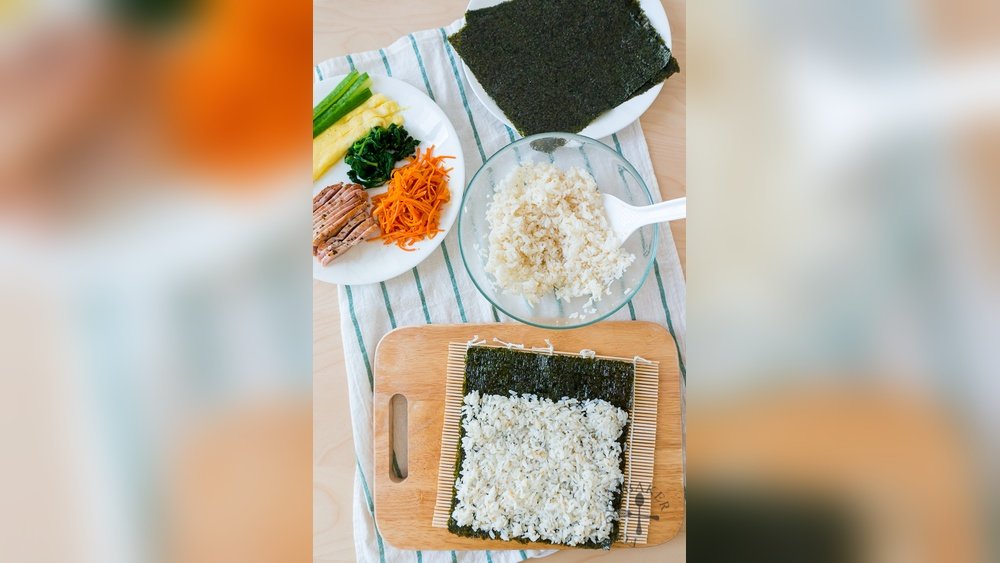
Kimbap is one of Korea’s most beloved foods—a delicious roll of rice, vegetables, and sometimes meat or seafood, all wrapped in seaweed. Its popularity has spread worldwide, thanks to its flavor, convenience, and visual appeal. Whether you make it at home or buy it from a Korean market, you might wonder: How do you store kimbap to keep it fresh, safe, and tasty? Unlike some other rice dishes, kimbap can dry out, spoil, or lose its texture quickly if not stored the right way. In this guide, you’ll learn everything you need to know about storing kimbap: from short-term and long-term methods to tips for keeping the rice soft and the seaweed crisp. You’ll also discover common mistakes, how storage affects taste, what containers work best, and even how to revive leftover kimbap. By the end, you’ll handle kimbap like a pro—no more soggy rice or spoiled rolls.
Understanding Kimbap: Why Storage Matters
Kimbap looks similar to Japanese sushi rolls, but they’re quite different. Kimbap is made with seasoned rice (often with sesame oil), a variety of fillings like spinach, carrots, pickled radish, eggs, ham, or crab sticks, and a sheet of roasted seaweed (gim). Unlike sushi, kimbap does not use raw fish, making it less risky for bacterial growth, but it’s still a perishable food.
One thing that makes kimbap tricky to store is the combination of rice and seaweed. Rice dries out fast, while seaweed can become soggy. If kimbap sits out too long, bacteria can multiply, especially in warm weather. Because kimbap is often eaten at room temperature (like picnic food), keeping it safe and fresh is important.
How Long Does Kimbap Last At Room Temperature?
Most people want to enjoy kimbap fresh, but sometimes it needs to be stored for later. At room temperature (about 68–72°F or 20–22°C), kimbap is best eaten within 2 to 4 hours after making or buying. After this time, the risk of bacterial growth increases, especially if you used eggs, meat, or seafood as fillings.
If you plan to eat kimbap later in the day, keep it in a cool, dry place—out of direct sunlight. Wrapping the rolls in a clean kitchen towel or parchment paper can help keep the rice soft for a short time.
But room temperature is not safe for more than a few hours, especially in summer or hot climates.
Short-term Storage: Keeping Kimbap Fresh For The Day
Sometimes, you need to store kimbap for a few hours—maybe you prepared it in the morning for lunch, or you have leftovers after a meal. Here’s how to keep it as fresh as possible:
Wrapping Techniques
To prevent rice from drying out and seaweed from getting soggy, wrapping is key. Use one of these methods:
- Plastic Wrap: Wrap each roll tightly in plastic wrap. This locks in moisture and prevents air from drying out the rice.
- Parchment Paper or Wax Paper: Some people prefer paper because it allows a little airflow and prevents the seaweed from becoming rubbery. Wrap the roll and secure with a piece of tape or a rubber band.
- Kitchen Towel: For extra protection, wrap the plastic- or paper-wrapped kimbap in a clean kitchen towel. This helps maintain a steady temperature.
Choosing The Right Container
After wrapping, place the kimbap in an airtight container. This keeps out air and odors from other foods. If you don’t have an airtight container, a zip-top plastic bag with the air pressed out works too.
Storing In A Cool Place
If you can, keep the container in a cool bag with an ice pack, especially in warm weather. This helps slow down bacteria and keeps the rice soft.
Pro tip: Do not cut the kimbap before storing. Whole rolls stay fresher than sliced pieces because less rice is exposed to air.
Refrigerating Kimbap: Pros, Cons, And Best Practices
If you need to store kimbap overnight or up to 24 hours, refrigeration is the safest option. However, it comes with a downside: cold rice gets hard and the seaweed can turn chewy. Here’s how to minimize these problems:
How To Refrigerate Kimbap
- Wrap Each Roll: Use plastic wrap to cover each roll tightly. This prevents rice from drying out in the cold air.
- Use an Airtight Container: Place the wrapped rolls in a container with a tight-fitting lid. This prevents odors from other foods from being absorbed.
- Store in the Main Fridge Compartment: Avoid the coldest spots (like near the freezer vent), which can dry out the rice even faster. The middle or lower shelf is best.
Effects Of Refrigeration On Kimbap
- Rice Texture: Chilled rice becomes firm and dry because refrigeration changes the structure of the starch. The longer it sits, the harder it gets.
- Seaweed: Seaweed absorbs moisture from the rice and fridge air, turning rubbery or sticky.
- Fillings: Some fillings (like spinach or pickled radish) survive well, while others (egg, crab sticks) can become watery or change flavor.
How Long Does Kimbap Last In The Fridge?
Properly wrapped and stored, kimbap can last up to 24 hours in the fridge. After that, it may still be safe to eat, but the taste and texture drop sharply. For best quality, eat within a day.
Reviving Refrigerated Kimbap
Before eating, let kimbap sit at room temperature for 30 minutes. If the rice is still hard, try gently microwaving:
- Place unwrapped slices on a microwave-safe plate.
- Cover with a damp paper towel.
- Heat in short bursts (10–15 seconds) until just warm and soft. Do not overheat, or the seaweed will melt.
Freezing Kimbap: Is It A Good Idea?
People often ask if you can freeze kimbap for longer storage. The short answer: it’s not recommended for most kimbap. Freezing damages the texture of rice and fillings, and seaweed becomes mushy when thawed. However, if you must freeze, here’s how to do it with the least damage:
When Is Freezing Kimbap Acceptable?
- You made too much and don’t want to waste it.
- You plan to use the frozen kimbap for cooked dishes (like stir-fries or fried kimbap).
- The fillings are sturdy and not watery (avoid egg, cucumber, or pickled radish).
How To Freeze Kimbap
- Wrap Rolls Individually: Use two layers—plastic wrap, then foil. This prevents freezer burn.
- Store in Freezer-Safe Container: Place wrapped rolls in a heavy-duty container or zip-top freezer bag.
- Label with Date: Kimbap is best used within 2 weeks for acceptable flavor.
Thawing And Using Frozen Kimbap
- Do not thaw at room temperature. Instead, place in the fridge overnight.
- For best texture, reheat in a microwave or lightly pan-fry.
Key insight: Most people find frozen-and-thawed kimbap lacks the fresh flavor and texture of new kimbap. It’s better used in cooked recipes than eaten as-is.
Storing Sliced Vs. Unsliced Kimbap
The way you store kimbap depends on whether it’s sliced or not. Whole rolls keep moisture in longer. Sliced pieces dry out faster and absorb more odors.
- Unsliced Rolls: Best for storage. Less rice is exposed to air, so it stays soft.
- Sliced Kimbap: If you must store sliced pieces, wrap them in a single layer with plastic wrap, then store in an airtight container. Try to eat sliced kimbap within a few hours for best taste.
How Storage Methods Affect Kimbap’s Taste And Texture
Each storage method changes kimbap’s qualities in a different way. Here’s a quick comparison:
| Storage Method | Rice Texture | Seaweed Texture | Best For | Time Limit |
|---|---|---|---|---|
| Room Temp (Wrapped) | Soft (few hours) | Crisp to soft | Picnic, short-term | 2–4 hours |
| Refrigerated | Firm, dry | Chewy, sticky | Next-day lunch | 24 hours |
| Frozen | Very dry, crumbly | Mushy | Cooked dishes | 2 weeks |
The Role Of Ingredients: Fillings That Store Best And Worst
The choice of fillings affects how well kimbap stores. Some ingredients keep better than others.
Fillings That Store Well
- Pickled Radish: Stays crunchy and doesn’t spoil fast.
- Carrots & Spinach: Cooked veggies hold up better than raw.
- Imitation Crab Stick: Keeps texture and flavor.
- Ham or Processed Meat: Less water content, less spoilage risk.
Fillings To Avoid For Storage
- Fresh Cucumber: Becomes soggy and releases water.
- Egg Omelet: Can become watery and change flavor.
- Cheese: May sweat or turn rubbery.
- Mayonnaise or Sauces: Can promote bacterial growth and make rice mushy.
Practical tip: If you plan to store kimbap, use sturdy, cooked fillings and avoid fresh, watery, or creamy ingredients.
What Containers Are Best For Storing Kimbap?
Not all containers are equal when it comes to keeping kimbap fresh. Here’s a comparison of common options:
| Container Type | Benefits | Drawbacks | Best Use |
|---|---|---|---|
| Airtight Plastic Box | Prevents air exposure, easy to stack | Can absorb odors if not clean | Short-term or fridge storage |
| Glass Container | No odor transfer, easy to clean | Heavier, can break | Home storage, fridge |
| Zip-Top Plastic Bag | Good for travel, compact | Rice can get crushed | Picnics, on-the-go |
| Traditional Bento Box | Classic, stylish, reusable | Not always airtight | Lunches, short trips |
Non-obvious insight: Glass containers keep kimbap fresher in the fridge because they prevent odor transfer better than plastic. But for travel, lightweight plastic is more practical.
How To Pack Kimbap For Travel Or Picnics
Kimbap is a favorite picnic food in Korea. Packing it right means it will taste fresh even after a few hours. Here’s how:
- Wrap Each Roll: Use plastic wrap or parchment paper.
- Use a Cool Bag: Place the wrapped rolls in an insulated bag with a small ice pack if the weather is hot.
- Keep Sliced and Unsliced Separate: If you need to slice, do it just before eating. Unsliced rolls stay fresh longer.
- Bring Extra Napkins or a Damp Cloth: Kimbap can be oily, so clean hands help.
- Avoid Mayonnaise or Perishable Fillings: Stick to cooked or pickled items for picnics.
Little-known tip: Korean moms sometimes brush the outside of kimbap with a bit of sesame oil to keep the seaweed shiny and less sticky during travel.
Reviving Leftover Kimbap: Make It Delicious Again
Leftover kimbap can seem dry or bland, but with a little effort, you can bring it back to life.
Simple Methods To Soften Rice And Seaweed
- Microwave with Damp Paper Towel: Place slices on a plate, cover with a damp towel, and heat for 10–15 seconds.
- Pan-Fry as “Kimbap Jeon”: Dip slices in beaten egg, then fry until golden. This gives a new texture and flavor.
- Steam for a Few Seconds: Use a steamer or a covered pan with a little water. The steam softens the rice.
When To Throw Away Leftover Kimbap
If kimbap smells sour, has a slimy feel, or the rice is discolored, it’s safest to throw it out. Eating spoiled rice can lead to food poisoning.
Expert tip: Leftover kimbap is best used up within 24 hours, especially if it contains egg or meat.
Safety Tips: Avoiding Food Poisoning With Kimbap
Because kimbap contains cooked rice and sometimes meat or eggs, bacteria can multiply quickly if it’s not handled right. Here’s how to keep your food safe:
- Wash Hands Before Handling: Prevents contamination.
- Use Clean Utensils and Boards: Avoids cross-contamination.
- Don’t Leave Out Too Long: Remember the 2-hour rule (or 1 hour in hot weather).
- Cool Quickly Before Refrigerating: Don’t put hot kimbap in the fridge—it can raise the temperature for other foods.
- Check for Spoilage Signs: If in doubt, throw it out.
Not-obvious insight: Bacillus cereus is a bacteria that grows fast in cooked rice at room temperature. It’s tasteless and odorless, so do not risk eating kimbap left out overnight.
Common Mistakes When Storing Kimbap (and How To Avoid Them)
Even experienced cooks make errors with kimbap storage. Here are the top mistakes:
1. Cutting Rolls Before Storage
Sliced kimbap dries out faster. Always store as whole rolls.
2. Using Watery Fillings
Fresh cucumber or sauces can make rice soggy and encourage bacteria. Use drier, cooked fillings if you plan to store kimbap.
3. Not Wrapping Properly
Exposed rice loses moisture and absorbs fridge odors. Use plastic wrap or parchment paper for every roll.
4. Refrigerating Hot Kimbap
Putting hot rolls in the fridge makes condensation, which ruins texture and can cause bacteria. Cool to room temp first.
5. Storing For Too Long
Even with perfect storage, kimbap is best within 24 hours. After that, the flavor and safety drop quickly.
Creative Ways To Use Leftover Kimbap
If your kimbap isn’t as fresh as you’d like, don’t toss it! There are delicious ways to reuse it:
- Kimbap Jeon (Egg-Battered Slices): Dip slices in egg and pan-fry.
- Kimbap Bokkeumbap: Chop up kimbap and stir-fry with extra rice, veggies, and sauce.
- Soup Add-In: Add chopped kimbap to a mild broth for a comforting meal.
- Kimbap Tempura: Coat slices in light batter and deep fry for a crispy snack.
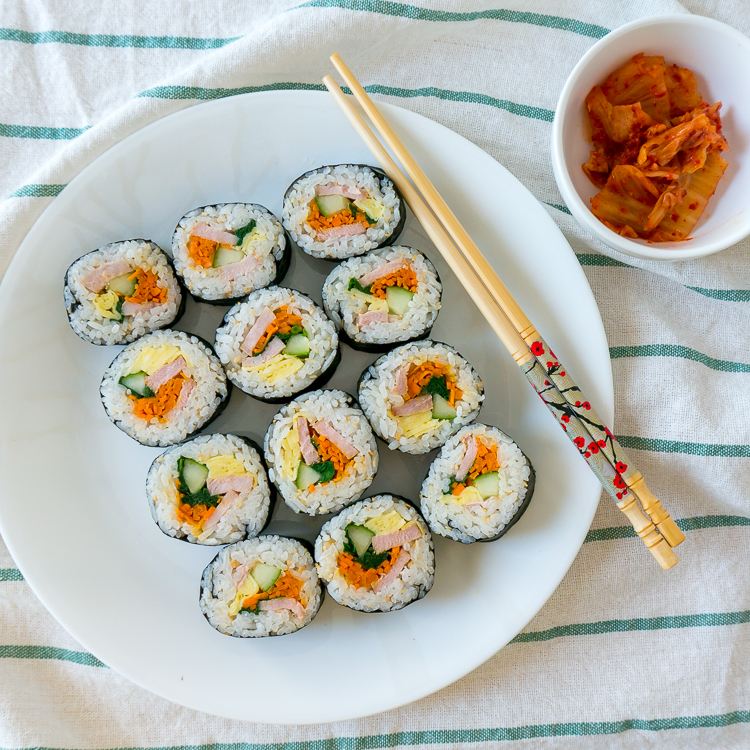
Credit: www.foodiebaker.com
How Do Restaurants And Stores Store Kimbap?
Korean restaurants and supermarkets make kimbap fresh daily. Here’s how they keep it safe and tasty:
- Display in Cool Cases: Kimbap is displayed at cool room temperature for a few hours, then discarded.
- No Overnight Storage for Sale: Most stores do not sell kimbap made the previous day.
- Prepared-to-Order Kimbap: For the best quality, some shops make it fresh when ordered.
Interesting fact: In Korea, leftover unsold kimbap is often donated or discarded, not stored for the next day.
What To Do If You Find Leftover Kimbap In The Morning
Sometimes, you forget a roll on the counter overnight. Is it safe to eat?
- No. Kimbap left at room temperature for over 4 hours should be thrown out, especially if it contains eggs or meat. The risk of bacteria is too high.
If you’re ever unsure, it’s safer to discard. Food poisoning is not worth the risk.
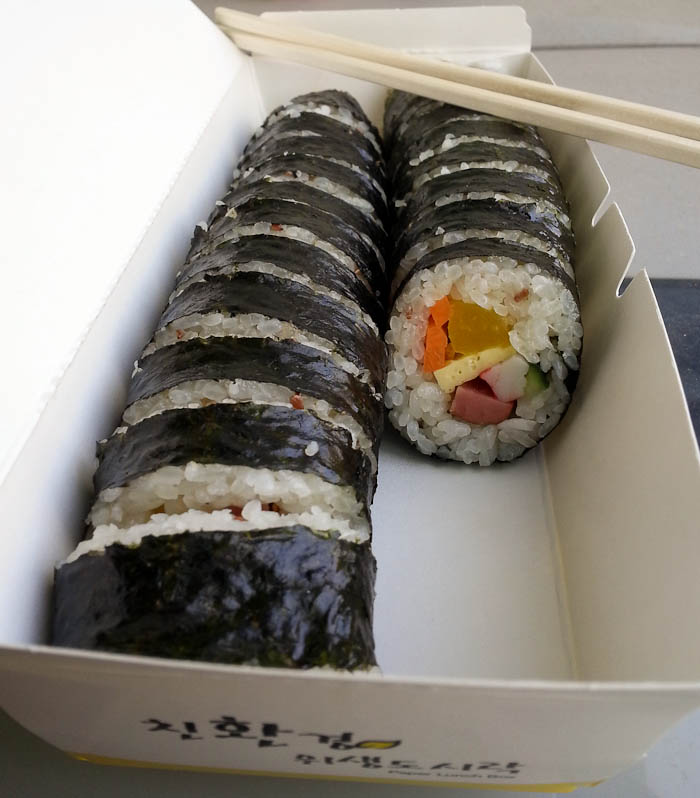
Credit: apocketfulofkimchi.com
Choosing Kimbap For Maximum Storability
If you know you’ll need to store kimbap, choose the right type:
- Vegetarian Kimbap: Holds up best, as veggies are less risky than meat or eggs.
- Simple Fillings: Fewer ingredients mean fewer chances for spoilage.
- No Creamy Sauces: Mayo or cheese spoil quickly.
Example: Classic veggie kimbap with pickled radish, carrot, spinach, and crab stick keeps better than a deluxe roll with tuna salad or perilla leaf.
Kimbap Storage: Quick Reference Guide
Here’s a handy summary for busy cooks:
- Eat kimbap fresh within 2–4 hours if possible.
- For short-term storage, wrap tightly and keep cool.
- Refrigerate for up to 24 hours—expect firmer rice and softer seaweed.
- Avoid freezing unless you plan to cook with it later.
- Choose sturdy, cooked fillings for best results.
- Always check for spoilage before eating leftovers.
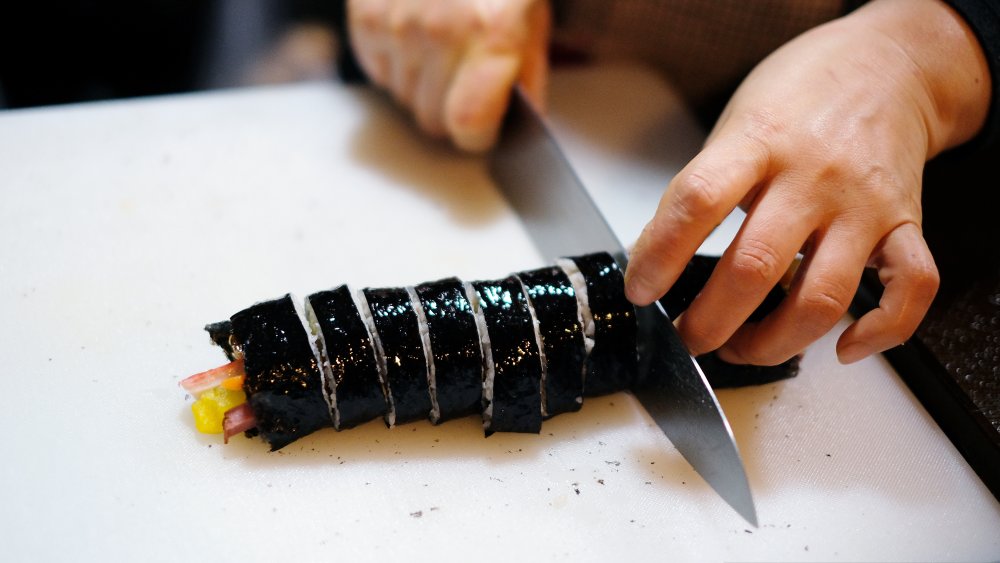
Credit: www.mashed.com
Frequently Asked Questions
How Do I Keep Kimbap Rice Soft Overnight?
The key is to wrap each roll tightly in plastic wrap and store in an airtight container in the fridge. Before eating, let the kimbap sit at room temperature for 30 minutes, or microwave briefly with a damp paper towel to soften the rice.
Can I Make Kimbap The Night Before For A Lunchbox?
Yes, but with care. Use sturdy, cooked fillings (no mayo or fresh cucumber), wrap the rolls well, and refrigerate. In the morning, let the kimbap warm up a bit before packing. For best taste, keep an ice pack in the lunch bag.
Why Does My Kimbap Get Soggy In The Fridge?
Moisture from the rice and fillings is absorbed by the seaweed, making it soft or rubbery. Wrapping tightly, using less watery fillings, and storing in an airtight container can help. Some sogginess is hard to avoid with refrigeration.
Is It Safe To Eat Kimbap Left Out Overnight?
No. Kimbap left at room temperature for more than 4 hours (or overnight) can be unsafe. Bacteria can multiply quickly in cooked rice and eggs, even if the food looks fine. Always store kimbap in the fridge if you’re not eating it soon.
Can I Freeze Kimbap For Later?
Freezing is not ideal for kimbap, as rice and seaweed lose texture. If you do freeze, wrap tightly and use within 2 weeks. Thaw in the fridge, and consider pan-frying or reheating before eating. For more on safe rice storage, see Food Safety.
Final Thoughts
Storing kimbap is a balancing act between food safety and keeping the texture you love. While nothing beats the taste of freshly made kimbap, good storage methods let you enjoy this Korean favorite even hours later. Remember to wrap tightly, use the right fillings, and keep it cool. Whether for a picnic, lunchbox, or midnight snack, these tips will help you keep kimbap delicious and safe. With a little practice and attention, you’ll never waste a single roll again.