
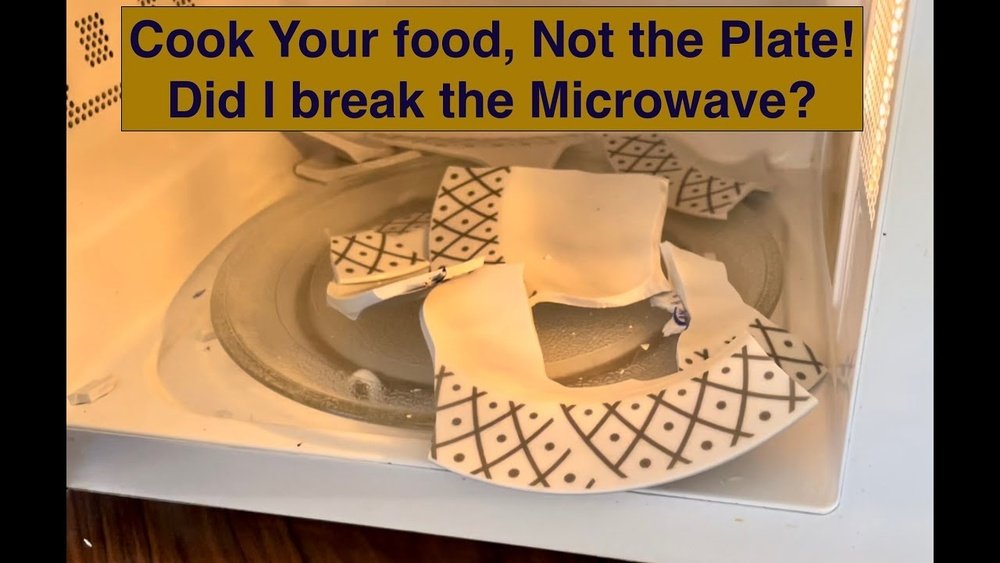
Microwaves are everywhere today. They make life easier by heating food quickly and safely. But what happens when you want to break a microwave? Maybe you’re curious, doing research, or trying to understand how these machines work. Knowing how to break a microwave is not just about destruction—it’s about understanding what makes them tick and what can cause them to stop working.
This article will explain, in detail, how to break a microwave, why people might want to, and the consequences of doing so. If you’re interested in science, safety, or just curious about your kitchen appliances, you’ll find this guide both practical and eye-opening.
Understanding How A Microwave Works
Before thinking about breaking a microwave, it’s important to know what’s inside and how the machine functions. A microwave oven uses microwave radiation to heat food. This radiation is created by a part called the magnetron. The magnetron sends microwaves into the cooking area, and these waves make water molecules in food vibrate, creating heat. Other key parts include:
- Turntable: Rotates food for even heating
- High-voltage transformer: Boosts power for the magnetron
- Waveguide: Directs microwaves into the cooking chamber
- Control panel: Lets you set time and power
Understanding these parts helps you see where weaknesses lie and what could go wrong.
Reasons People Want To Break A Microwave
While most people want their microwave to last, some want to break them for specific reasons:
- Testing for science projects: Some students or researchers want to see how microwaves fail for experiments.
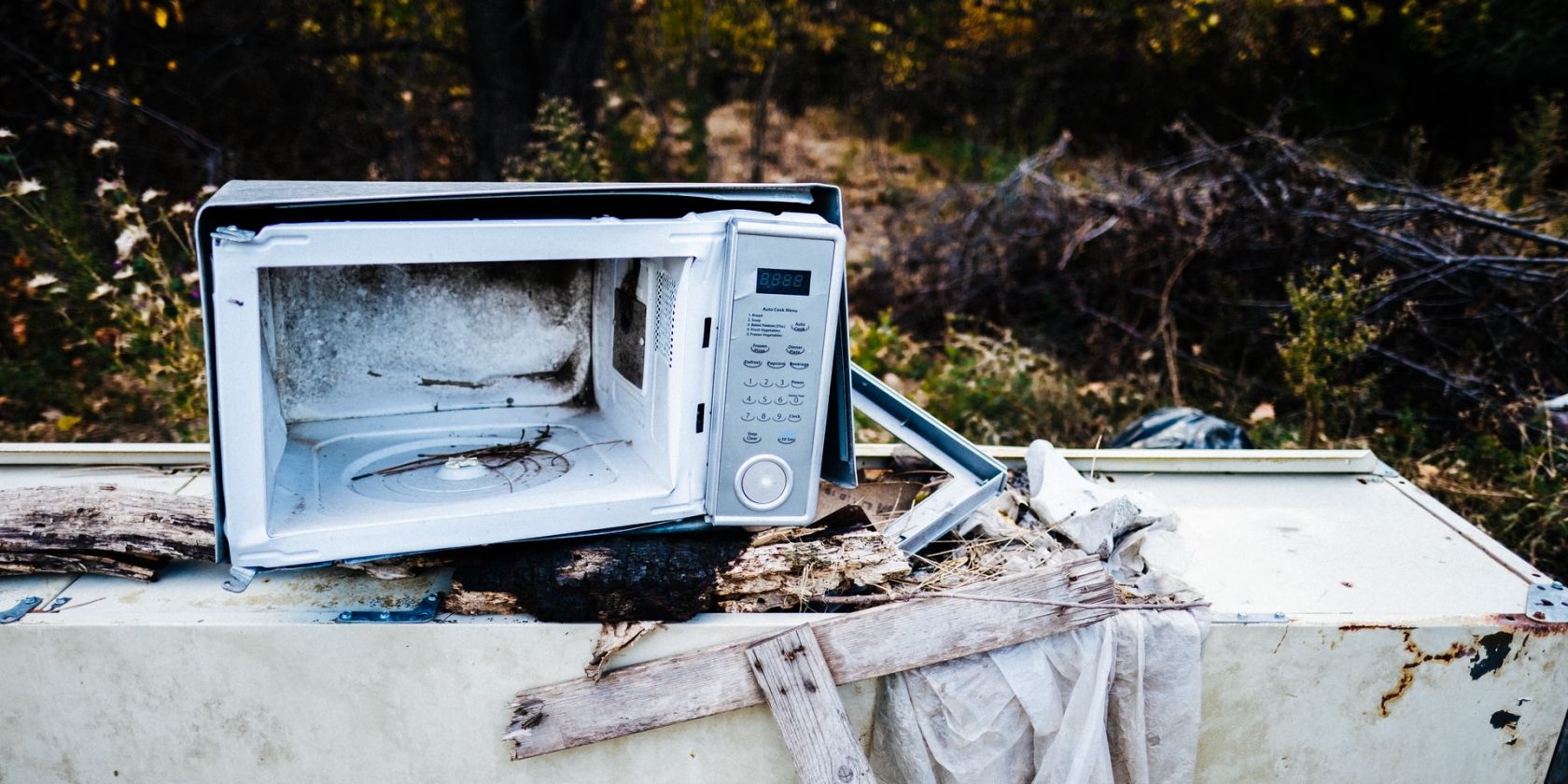
- Disposing of old appliances: Sometimes, people want to make sure the microwave is completely unusable before throwing it away.
- Curiosity: Many want to know what happens if you misuse or damage a microwave.
- Art or creative projects: Artists sometimes use old electronics in their work and need to disable them.
- Understanding safety hazards: Breaking a microwave can reveal what safety risks exist.
No matter the reason, knowing how microwaves break can help avoid accidents and learn more about these common machines.
Legal And Safety Warnings
Before going further, it’s important to understand the risks and legal issues:
- Microwaves can cause fires, explosions, or electric shock if misused.
- Breaking appliances may be illegal in some places, especially if you create environmental hazards.
- Microwave radiation is dangerous if the metal shielding is damaged.
- Never break a microwave in public or throw it out with regular trash—there are laws about electronic waste.
If you want to break a microwave for any reason, always follow safety guidelines, wear protective gear, and dispose of parts properly. Consider reading guidelines from the US Environmental Protection Agency for safe disposal.
Common Ways People Break A Microwave (and What Happens)
Most microwaves break in a few predictable ways. Here are the main methods, what causes the damage, and what happens when you try them.
1. Overheating The Magnetron
The magnetron is the heart of the microwave. If it gets too hot, it will fail. This happens when you:
- Run the microwave empty (no food or water)
- Use it for very long periods without stopping
Result: The microwave stops heating food. Sometimes, the machine makes strange noises before it dies.
2. Placing Metal Objects Inside
Metal reflects microwaves and causes arcing (sparks). If you put aluminum foil, forks, or cans inside, sparks will fly.
Result: Quick damage to the magnetron, burn marks inside the chamber, and possible fire.
3. Blocking The Ventilation
Microwaves need air to stay cool. Blocking vents with towels, boxes, or other objects causes overheating.
Result: The machine may smell burnt, shut off, or even catch fire.
4. Pouring Water On Electrical Parts
If water gets into the control panel or electronics, it can cause a short circuit.
Result: The microwave may stop working instantly, or it might work for a short time before failing.
5. Using The Microwave With A Broken Door Seal
The door keeps radiation inside. If the door seal is cracked or doesn’t close properly, microwaves can leak.
Result: Dangerous radiation leaks, which are a health risk. The machine may also shut off automatically if safety switches detect the problem.
6. Cooking Non-food Items
Heating CDs, light bulbs, or soap in a microwave is common in internet videos. These items can explode, burn, or break the microwave’s internal parts.
Result: Internal damage, smoke, and sometimes broken glass or plastic.
7. Overloading The Power Supply
Plugging the microwave into a weak outlet, or using long extension cords, can cause power surges.
Result: The transformer or fuse may blow, making the microwave stop working.
8. Dropping Or Hitting The Microwave
Physical force can break the door, control panel, or internal parts.
Result: The microwave may not turn on, or the door won’t close correctly, making it unsafe.
9. Tampering With Internal Parts
Opening the microwave and removing or damaging parts like the fuse, magnetron, or capacitor will break the machine.
Result: The microwave may not power up at all. You also risk electric shock, as capacitors can hold a dangerous charge even after unplugging.
10. Running For Hours Without A Break
While most microwaves have timers, forcing the machine to run for hours overheats key components.
Result: Melting or burning inside, strange smells, and total failure.

Credit: www.reddit.com
Step-by-step: How To Break A Microwave (for Research Purposes)
If you’re conducting a controlled experiment or need to break a microwave safely, follow these steps. Remember, this is for educational use, and all safety measures must be followed.
Step 1: Unplug And Inspect
Always unplug the microwave before doing anything. Open the case and look for the main parts: magnetron, capacitor, and control board.
Step 2: Overheat The Magnetron
Run the microwave empty for several minutes. This can overheat and destroy the magnetron.
- Set the timer for 5-10 minutes
- Watch for strange sounds or smoke
- Unplug immediately if you see fire
Step 3: Cause A Power Surge
Plug the microwave into a weak or overloaded outlet. Switch on and off rapidly.
- This may blow the internal fuse
- Be careful: Power surges can also damage your home wiring
Step 4: Tamper With The Door Switch
Open the case and disconnect the door switch wires. The microwave will think the door is open and refuse to run.
Step 5: Damage The Control Panel
Pour a small amount of water onto the control panel or touchpad (while unplugged). Let it dry, then try to turn the microwave on.
- This can cause a short circuit when you power it up
Step 6: Physical Damage
Drop the microwave from a height onto a hard surface. The impact can break internal parts.
- Wear gloves and eye protection
Step 7: Remove Or Short The Fuse
Find the internal fuse (usually near the power input). Remove it or replace with a blown fuse.
- The microwave will not power on
Note: Never open the microwave if you are not trained. The capacitor can hold a dangerous charge and cause severe shock or death.
What Happens To Microwave Parts When They Break?
Understanding how each part fails helps you see why microwaves are both useful and dangerous. Here’s a breakdown:
| Part | How It Breaks | Common Signs |
|---|---|---|
| Magnetron | Overheating, arcing, physical damage | No heating, humming or buzzing |
| Fuse | Power surge, short circuit | No power, display off |
| Door Switch | Physical force, disconnecting wires | Microwave won’t start |
| Control Panel | Water, physical damage | Buttons don’t work, random beeping |
| Turntable Motor | Overloading, water damage | Turntable doesn’t spin |
Comparing Microwave Damage: Accidental Vs. Intentional
Not all microwave damage is the same. Here’s how accidental and intentional damage compare:
| Type | Common Causes | Results |
|---|---|---|
| Accidental | Dropped food, spilled liquid, worn parts | Minor repairs, may keep working |
| Intentional | Overheating, metal objects, physical force | Complete failure, unsafe to use |
Typical Lifespan And Failure Statistics
On average, a modern microwave lasts 7-10 years with normal use. Here are some numbers to give you a sense of how and when they fail:
- 80% of failures are due to magnetron or control board issues
- 10% are from door switch problems
- Less than 5% are from turntable motor failures
- Most microwaves are replaced, not repaired, because parts are expensive
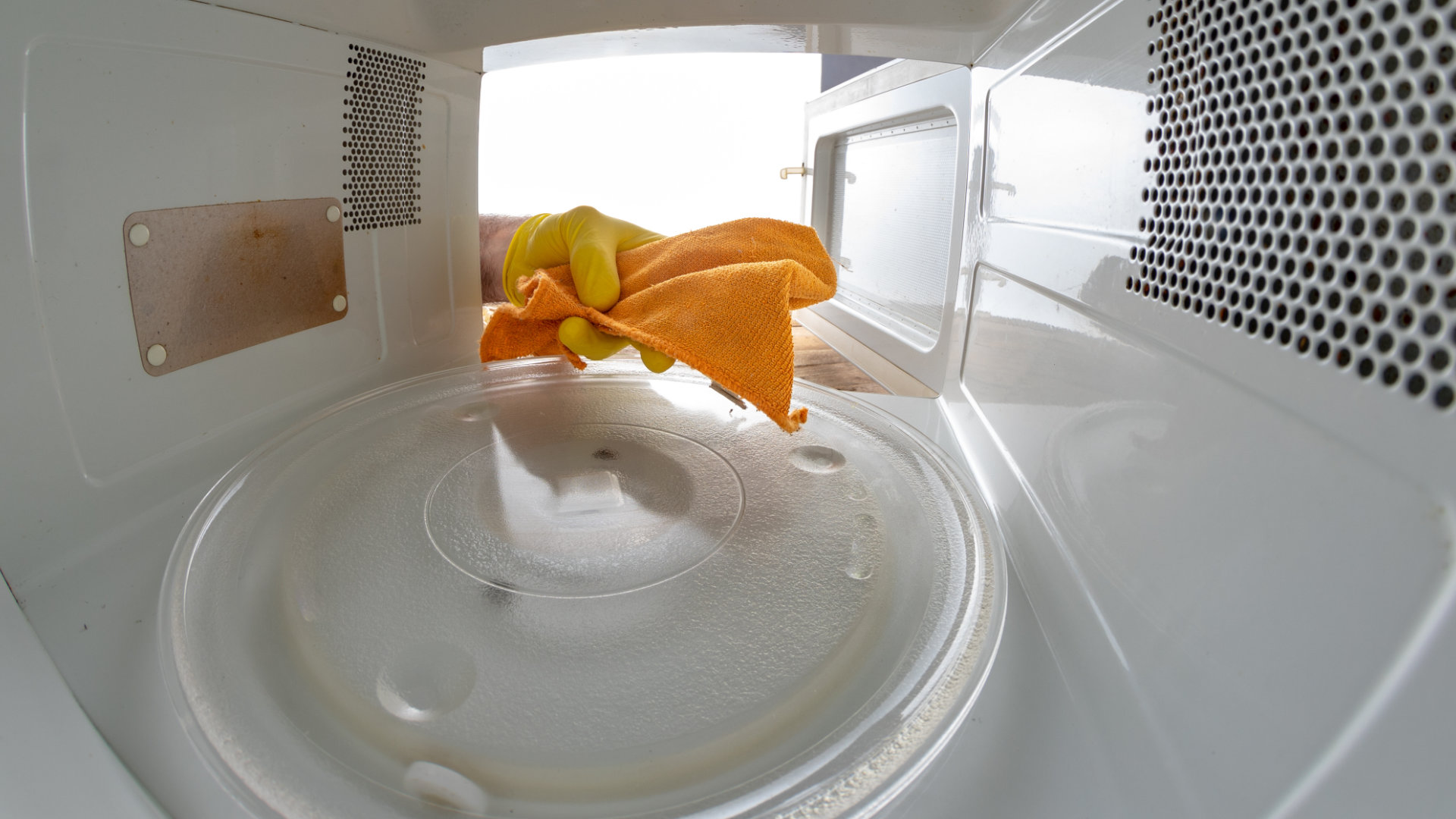
Regular cleaning and avoiding metal inside can extend the life of your microwave.
Credit: fleetappliance.com
Non-obvious Insights When Breaking A Microwave
Many people think breaking a microwave is as easy as smashing it or putting metal inside. Here are two things beginners often miss:
- Capacitor Dangers Remain After Unplugging
- The high-voltage capacitor inside a microwave can keep a deadly charge even after you unplug the machine. If you touch it, you can get a severe shock. Always discharge the capacitor before touching internal parts.
- Microwave Leakage Is Invisible but Harmful
- If you break the door or metal shield, microwave radiation can leak out. You can’t see, smell, or feel this radiation, but it can cause burns or other injuries. That’s why tampering with the door is especially dangerous.
Environmental Impact Of Breaking A Microwave
Breaking a microwave is not just a personal risk. Disposing of broken appliances can harm the environment. Microwaves contain electronic waste like circuit boards, heavy metals, and plastic. When thrown in regular trash, these materials can leak into the ground and water.
Proper recycling is important. Many cities have e-waste collection centers. Some parts, like the magnetron, may even contain beryllium, a toxic metal. Always check local regulations before throwing out a broken microwave.
What To Do With A Broken Microwave
After breaking a microwave, don’t just put it in the trash. Here are some responsible ways to handle it:
- Recycle at an e-waste center: These places safely handle electronics.
- Donate for parts: Some repair shops may use undamaged pieces.
- Use for science projects: Old microwaves are great for learning about electronics (if you follow safety rules).
- Creative reuse: Some artists turn microwave parts into sculptures or other projects.
The Most Common Mistakes People Make
Trying to break a microwave without knowing the risks leads to many mistakes:
- Touching internal parts while plugged in: Risk of shock or fire
- Not wearing protective gear: Cuts and burns are common
- Breaking the door without understanding radiation risks
- Throwing broken microwaves in the regular trash
- Not considering legal consequences
Take time to learn before acting.
How To Tell If A Microwave Is Already Broken
Sometimes, microwaves stop working without your help. Here’s how to check:
- The turntable doesn’t spin
- The light won’t come on
- No heat is produced, even if the timer runs
- Strange smells, smoke, or sparks appear
If any of these happen, unplug the machine and consider if it’s worth repairing or recycling.
How To Safely Experiment With A Microwave
If you’re doing science experiments or just curious, follow these safety tips:
- Work in a well-ventilated area
- Always unplug before opening
- Use gloves and eye protection
- Keep a fire extinguisher nearby
- Don’t do dangerous experiments indoors
- Ask a trained adult for help
Some schools and labs have special microwaves for experiments. If you want to learn more, consider joining a science club.
Comparison: Breaking A Microwave Vs. Other Appliances
How does breaking a microwave compare to breaking other household devices?
| Appliance | Risk Level | Common Failure Points | Disposal Needs |
|---|---|---|---|
| Microwave | High (radiation, shock) | Magnetron, door, capacitor | E-waste recycling required |
| Toaster | Low (burns) | Heating element, switch | General recycling |
| Blender | Medium (cuts, shock) | Motor, blades | Motor recycling |
| Oven | Medium (burns, fire) | Heating coil, thermostat | Metal recycling |
As you can see, microwaves are more dangerous than most kitchen appliances due to their high voltage and radiation.
Can You Repair A Broken Microwave?
Sometimes, broken microwaves can be fixed. If the problem is a simple fuse or door switch, repairs may be cheap. But if the magnetron or control board is broken, repairs are expensive and often not worth it.
- Fuses: Easy to replace, cost about $5–$10
- Magnetron: Hard to find, costs $40–$100
- Control board: Often not sold separately
If you’re not sure what’s wrong, get a professional opinion before trying to fix it yourself.
Myths About Breaking Microwaves
There are many myths about breaking microwaves. Let’s clear up a few:
- Microwaves explode easily: Not true unless you put metal or sealed containers inside.
- You can see microwave radiation: False. It’s invisible to the human eye.
- All parts are safe after unplugging: The capacitor can still shock you.
- Broken microwaves are harmless: They can leak radiation or cause fires.
Don’t believe everything you see on the internet or in videos.
Responsible Handling And Disposal
If you intentionally break a microwave, you’re responsible for what happens next. Here’s how to handle the process:
- Collect all broken pieces
- Remove the door and magnetron carefully
- Take the entire unit to an e-waste recycling center
- Never burn or bury old microwaves
By handling broken microwaves responsibly, you protect yourself and the environment.
Practical Uses For Broken Microwave Parts
Some people use parts from broken microwaves for DIY projects:
- Magnets from the magnetron can be used in science experiments
- Motors from the turntable can power small robots
- Metal mesh from the door can be used for shielding in other projects
If you try this, always check safety guidelines.
Frequently Asked Questions
Credit: www.makeuseof.com
What Happens If You Put Metal In A Microwave?
Metal reflects microwaves, causing sparks and arcing. This can damage the magnetron and even start a fire. Some metal items, like smooth spoons, may not spark right away, but crumpled foil or forks can cause instant arcing and break the microwave.
Can A Microwave Leak Radiation If It’s Broken?
Yes. If the door seal or metal shielding is damaged, microwaves can leak out. This radiation is invisible and can cause burns or other injuries. Always check the door for cracks and never use a microwave with a broken door.
Is It Safe To Open A Microwave After Breaking It?
Not always. The capacitor can hold a high-voltage charge even after unplugging. Touching it may cause a serious shock. If you need to open a microwave, always discharge the capacitor first or ask an expert.
How Do You Dispose Of A Broken Microwave?
Take it to a certified e-waste recycling center. Do not throw it in regular trash. These centers handle toxic parts safely. You can find centers in most cities or check with your local waste service.
What Are The Main Signs A Microwave Is About To Break?
Watch for strange noises, smoke, or burning smells. Other signs include food not heating, the turntable not spinning, or the display not working. If you see sparks or the door is damaged, stop using the microwave immediately.
Breaking a microwave may seem simple, but it’s more complex and risky than most people think. Understanding how these machines work, the dangers of breaking them, and the right way to handle electronic waste can keep you safe and help protect the environment.
Whether you’re experimenting, learning, or just curious, always respect the power and potential dangers of your microwave.