
If your oven suddenly stops working, it can be frustrating—especially if you’re in the middle of cooking. Sometimes, the problem is a blown oven fuse, which is a common issue in both electric and gas ovens. Resetting or replacing the oven fuse can often bring your appliance back to life. However, many people feel nervous about handling anything electrical. If you’re wondering, “How do I reset my oven fuse?” this article will guide you step by step. You’ll learn how oven fuses work, why they blow, how to find and reset them safely, and what to do if your oven still doesn’t work. With clear explanations and practical advice, you’ll gain the confidence to handle this problem without needing an expensive service call.
What Is An Oven Fuse And Why Does It Matter?
Before you can reset your oven fuse, it helps to understand what it does. The oven fuse is a small safety device designed to protect your appliance from electrical surges or overheating. If too much electricity flows through, or if there’s a short circuit, the fuse will “blow” (break the circuit) to prevent more serious damage or even fire.
Most modern ovens have more than one fuse. Common types include:
- Thermal fuse: Cuts off power if the oven gets too hot.
- Line fuse: Protects against electrical surges.
- Control board fuse: Protects the oven’s electronic controls.
The exact number and type of fuses vary by brand and model. In most cases, if the oven stops working suddenly—especially after a power outage or if you hear a “pop” sound—the fuse is a likely culprit.
Signs Your Oven Fuse Needs Resetting Or Replacing
How do you know if your oven fuse is the problem? Watch for these signs:
- Oven won’t turn on: The display is blank, and no lights or sounds come on.
- No heat: The oven powers up, but doesn’t heat.
- Certain functions fail: For example, the broiler works, but the bake function does not.
- Oven shuts off during use: The oven starts, then suddenly stops heating.
- Blown circuit breaker: The breaker for your kitchen trips when you use the oven.
Important: These problems can have other causes, but a blown fuse is common, especially after electrical surges or if the oven was run at very high temperatures.
Credit: www.hnkparts.com
Safety First: What You Must Know Before You Begin
Working with ovens can be dangerous if you don’t follow safety steps. Here’s what to do before touching anything:
- Disconnect power: Turn off the oven at the breaker panel. Never trust just the “off” button on the oven.
- Let the oven cool: Wait at least 30 minutes after use, so you don’t burn yourself.
- Use the right tools: You’ll need a screwdriver, gloves, and possibly a flashlight.
- Check your warranty: If your oven is under warranty, opening it may void protection.
- Read the manual: If you have it, check the oven’s user manual for fuse location and instructions.
Pro tip: Take photos as you go, so you remember how to put everything back.
Types Of Oven Fuses And How To Identify Them
Not all ovens are built the same. Knowing the type of fuse in your oven helps you find and reset or replace it correctly.
Common Oven Fuse Types
| Fuse Type | Function | Location |
|---|---|---|
| Thermal Fuse | Prevents overheating | Back panel or control panel |
| Line Fuse | Blocks electrical surges | Near power cord or wiring |
| Control Board Fuse | Protects electronic circuits | On control board |
Some ovens also use “resettable fuses” (thermal cutoffs), but most are single-use: if they blow, they must be replaced.
How To Find Your Oven Fuse
- Check the manual: The easiest way to find the fuse location.
- Look behind the back panel: Most fuses are found there.
- Examine the control panel: For ovens with digital displays.
- Near the wiring harness: For older or basic models.
Non-obvious insight: Sometimes, more than one fuse may blow at once. Always check all fuses, not just the first one you find.
Step-by-step Guide: How To Reset Or Replace Your Oven Fuse
Resetting an oven fuse is not always possible. Most standard oven fuses are not resettable—they need replacing. However, some ovens (especially high-end or European brands) use resettable thermal cutoffs. Either way, the process is similar.
Step 1: Turn Off The Power Completely
Locate your home’s electrical panel. Flip the breaker that controls your oven to the “off” position. Double-check by trying to turn on the oven; there should be no response.
Tip: If you can’t find the correct breaker, unplug the oven (for plug-in models).
Step 2: Access The Oven Fuse
- Move the oven away from the wall: For built-in ovens, you may need to open a cabinet or unscrew the trim.
- Remove the back panel: Use a screwdriver to take off the screws holding the panel.
- Locate the fuse: It’s usually a small, cylindrical, or flat component with wires on each end.
Caution: If you see any damaged wires or burn marks, do not continue—call a professional.
Step 3: Check The Fuse
Use a multimeter to test the fuse:
- Set the multimeter to “continuity” or the lowest ohms setting.
- Touch one probe to each end of the fuse.
- If the reading is “0” or beeps, the fuse is good. If “infinite” or no beep, it’s blown.
Step 4: Reset Or Replace The Fuse
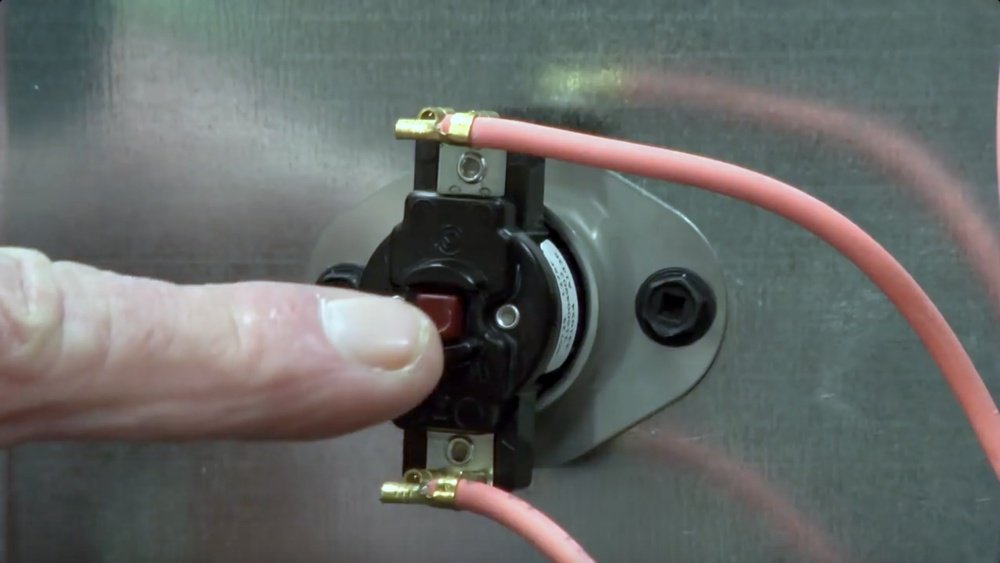
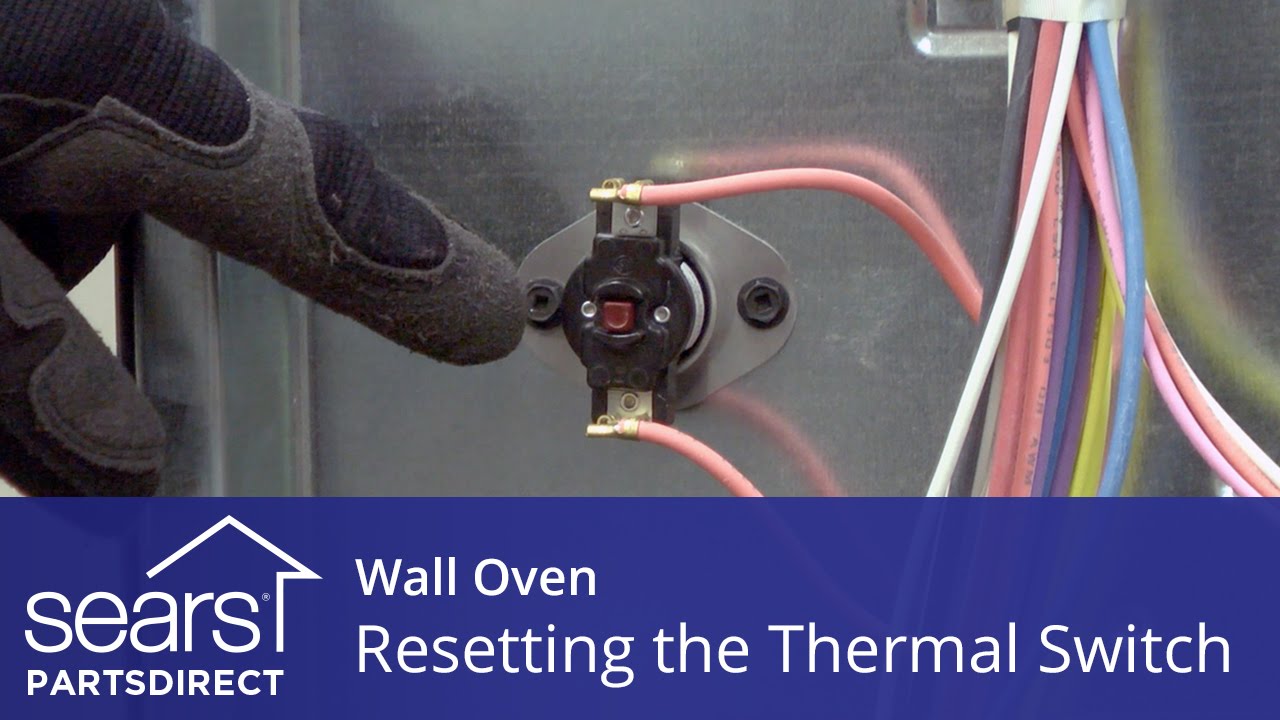
- Resettable fuse: Press the small button on the fuse (if present). Not all models have this!
- Standard fuse: Remove the blown fuse and replace it with an identical one. Match the voltage and amperage exactly (e.g., “250V, 15A”).
Pro tip: Bring the old fuse to the hardware store to ensure a perfect match.
Step 5: Reassemble The Oven
- Attach the back panel and secure all screws.
- Slide the oven back into place.
- Restore power at the breaker.
Step 6: Test Your Oven
Turn the oven on and check all functions. If everything works, you’ve fixed the problem! If not, check for other blown fuses or issues.
Common mistake: Forgetting to check all fuses—some ovens have more than one.
When To Call A Professional
Sometimes, resetting the fuse does not fix the oven. Call a licensed technician if:
- The new fuse blows immediately
- You smell burning or see smoke
- The oven display flickers or acts strange
- You find damaged wires or components
Trying to fix these problems yourself can be dangerous. Faulty wiring or components may cause electric shock or fire.
Oven Brands And Fuse Locations: Key Differences
Different oven brands use different designs. Here’s a general comparison:
| Brand | Common Fuse Location | Resettable? |
|---|---|---|
| GE | Back panel or control board | Usually no |
| Whirlpool | Near wiring harness | No |
| Samsung | Control board | Sometimes |
| Bosch | Back panel | Rarely |
| LG | Control board or back | Rarely |
Always check your model’s manual for exact details.
Why Oven Fuses Blow: Root Causes
Understanding why your oven fuse blew helps prevent future problems. Common reasons include:
- Power surges: Lightning, outages, or grid spikes.
- Short circuits: Wires touching or broken insulation.
- Overheating: Blocked vents or running the oven too hot.
- Faulty components: Old heating elements, fans, or thermostats.
- Moisture: Water getting into the electronics, especially after cleaning.
Non-obvious tip: Using aluminum foil on the oven floor can block airflow and cause overheating, leading to a blown thermal fuse.
If you keep blowing fuses, have an electrician check your home wiring.
Preventing Oven Fuse Problems
You can avoid blown fuses and keep your oven working with these habits:
- Don’t overload circuits: Avoid running the oven and other heavy appliances (like microwaves) on the same outlet.
- Keep vents clear: Clean oven vents regularly, so heat can escape.
- Use a surge protector: For plug-in ovens, use a high-quality surge protector.
- Avoid heavy steam cleaning: Excess water can damage electrical parts.
- Replace old components: If the heating element is worn or cracked, replace it before it fails.
Pro insight: Have your oven inspected every few years by a professional, especially if it’s over 10 years old.
What If Your Oven Still Doesn’t Work?
Resetting or replacing the fuse fixes most “dead oven” problems. However, if your oven still doesn’t work, consider these possibilities:
- Control board failure: The electronic “brain” of the oven may be damaged.
- Broken thermostat: The oven can’t sense or control temperature.
- Faulty wiring: Loose or burnt wires inside the oven.
- Failed heating element: The element that produces heat may be burned out.
Next steps:
- Test other oven functions (broil, bake, light).
- Listen for sounds (clicking, buzzing).
- Smell for burning or chemicals.
- Check for visible damage.
If you’re not sure, call a professional repair service. Trying to fix complex electronic problems without training can be dangerous and may void your warranty.

Credit: www.youtube.com
Comparing Diy Vs. Professional Oven Fuse Reset
Should you reset the fuse yourself or call an expert? Here’s a comparison to help you decide:
| Factor | DIY | Professional |
|---|---|---|
| Cost | Low (just fuse cost) | High ($80–$200+) |
| Time | 1–2 hours | Same day to 1 week |
| Risk | Medium (shock, damage) | Low (trained expert) |
| Warranty Impact | May void warranty | Usually protected |
| Tools Needed | Screwdriver, multimeter | All tools provided |
If you’re comfortable using tools and following safety instructions, DIY is fine for most people. Otherwise, professional help is worth it for peace of mind.
What Tools And Parts Do You Need?
Before you start, gather these items:
- Screwdriver set (Phillips and flat-head)
- Multimeter (for testing continuity)
- Replacement fuse (identical rating)
- Work gloves
- Flashlight (for dark corners)
- Camera or phone (to take reference photos)
Optional: Small container for screws, safety glasses.
Tip: Always buy a spare fuse—you might need it later!
Step-by-step Example: Resetting A Ge Oven Fuse
Let’s walk through a real-world example using a popular brand, so the steps are clear.
- Turn off power at the circuit breaker.
- Pull the oven out from the wall.
- Remove the back panel (usually 6–8 screws).
- Locate the thermal fuse—it looks like a small white or silver cylinder with two wires.
- Disconnect one wire carefully and test with a multimeter.
- If blown, remove the fuse and replace it with a new one of the same rating.
- Reconnect wires, reattach the back panel.
- Slide the oven back and restore power.
- Test all oven functions.
Real-world insight: On some GE models, you might find two fuses—one for the bake element, one for broil. Always test both.
Common Mistakes When Resetting Oven Fuses
Don’t fall into these traps—many beginners do:
- Not disconnecting power: This is dangerous! Always turn off the breaker.
- Using the wrong fuse: Match the numbers on the old fuse.
- Forgetting screws or wires: Take photos before you disconnect anything.
- Ignoring other damage: If you see burned wires, stop and call a pro.
- Not checking all fuses: Some ovens have more than one.
Credit: www.youtube.com
How To Tell If Your Oven Fuse Is Resettable
Most oven fuses are not resettable—they must be replaced. But how can you tell?
- Look for a small button or lever: Some resettable fuses have this.
- Check the part number: Search online or in the manual.
- Plastic vs. ceramic: Resettable fuses are often plastic, replaceable ones are ceramic or glass.
- Ask the manufacturer: Or check their website for your model.
If in doubt, replace the fuse. Resetting a blown fuse (if not designed to reset) won’t fix the problem.
How Often Should You Check Oven Fuses?
There’s no fixed schedule, but check your oven fuses if:
- You have frequent power outages
- The oven stops working suddenly
- You hear a “pop” or “bang” from the oven
- After a major repair or cleaning
For older ovens (10+ years), test the fuses once a year as preventive maintenance.
Tips For Safer Oven Fuse Handling
Keep these safety tips in mind:
- Never touch wires with wet hands
- Use insulated tools
- Don’t force parts back in place
- Store spare fuses safely (cool, dry place)
- Label wires if you disconnect more than one
When in doubt, ask an electrician or appliance tech.
Where To Buy Replacement Oven Fuses
You can find oven fuses at:
- Home improvement stores (Home Depot, Lowe’s)
- Appliance parts stores
- Online retailers (Amazon, AppliancePartsPros)
- Manufacturer websites
Bring the old fuse with you or write down the part number. Never “guess” the rating.
For more detailed information on appliance fuses, see this Wikipedia article.
Frequently Asked Questions
How Do I Know If My Oven Fuse Is Blown?
The most common sign is your oven not turning on at all—no lights, no display, no heat. Other signs are the oven shutting off during use or certain functions not working. To be sure, test the fuse with a multimeter.
If there’s no continuity, the fuse is blown.
Can I Reset My Oven Fuse Without Replacing It?
Most oven fuses cannot be reset—they are single-use. If the fuse is blown, you must replace it with the same type and rating. Only a few ovens use resettable fuses, usually marked with a small button or lever. Always check your model’s manual.
Is It Safe To Reset Or Replace An Oven Fuse Myself?
If you follow proper safety steps—turning off power, using insulated tools, and handling components carefully—it is generally safe for most people. If you see damaged wires, smell burning, or are unsure, call a professional. Never take risks with electrical repairs.
Why Does My Oven Keep Blowing Fuses?
Frequent blown fuses are usually a sign of a bigger problem: electrical surges, short circuits, overheating, or faulty components. Sometimes, poor ventilation or using aluminum foil can cause overheating. If you keep replacing fuses, have an electrician check your oven and wiring.
Where Is The Oven Fuse Located?
The location depends on your oven brand and model. Common places are behind the back panel, on the control board, or near the wiring harness. Check your user manual or the manufacturer’s website for details. Take photos as you go to help with reassembly.
Resetting or replacing your oven fuse can save you time and money. With careful steps and the right tools, most people can do it safely. But if you ever feel unsure, don’t hesitate to call a professional. Your safety—and a working oven—are worth it.