
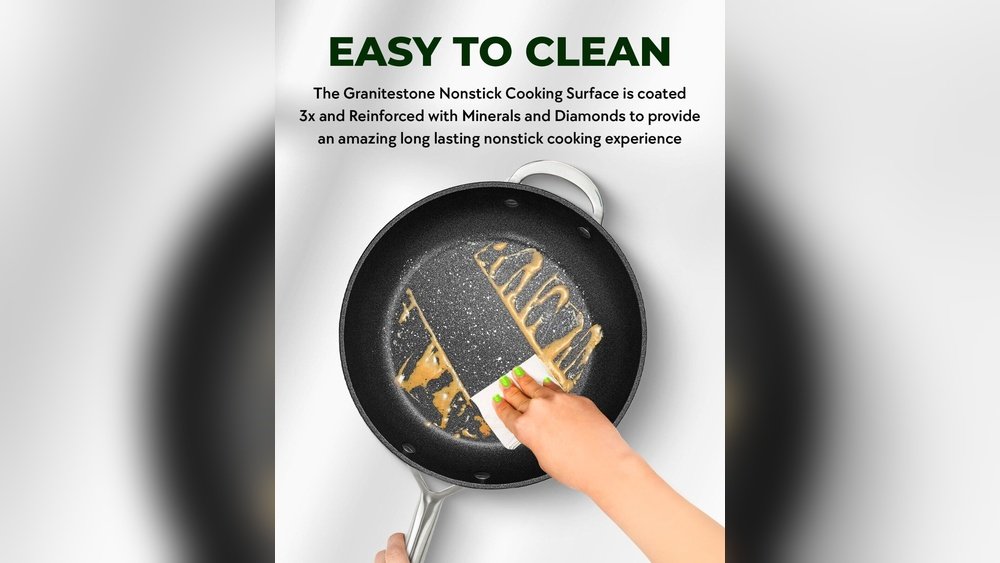
Keeping your granite stone cookware clean is not just about looks—it’s about performance and safety. Many people buy granite stone pans and pots for their nonstick qualities, beautiful design, and durability. But if you don’t clean them the right way, you can damage the surface, lose the nonstick effect, or even shorten the lifespan of your cookware. Whether you’re a busy home cook, a new user, or just someone who wants to protect their investment, understanding the right cleaning methods makes a big difference.
Granite stone cookware is not the same as cast iron or stainless steel. It has a smooth, often speckled surface that resists sticking and burning. But harsh chemicals, rough scrubbing, or sudden temperature changes can easily ruin it. The good news?
With the right steps, you can keep your granite stone cookware looking and working like new for years. In this guide, you’ll learn exactly how to clean granite stone cookware, what to avoid, and how to fix common problems that beginners often miss.
What Makes Granite Stone Cookware Unique?
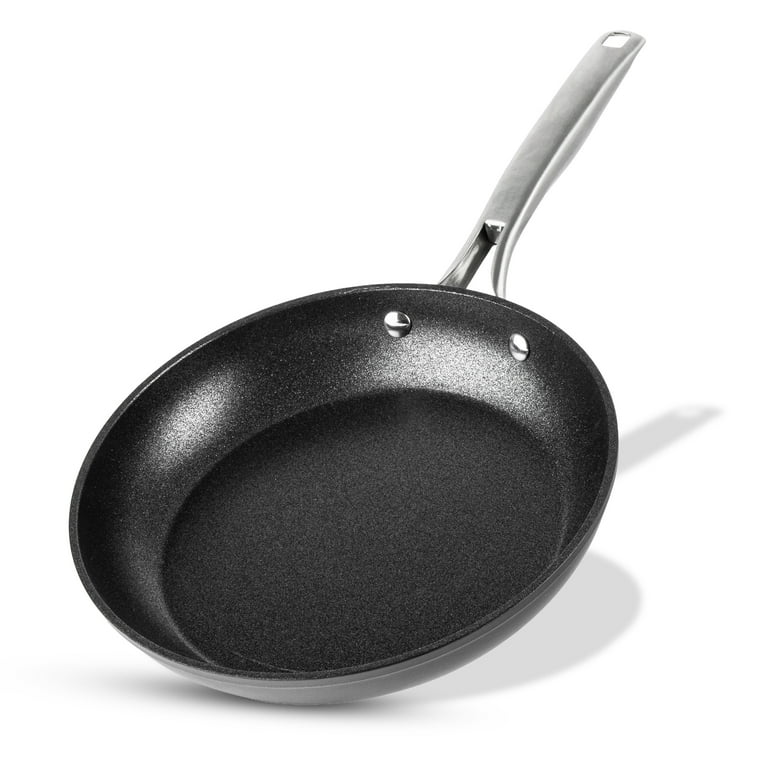
Granite stone cookware is made with a special nonstick coating on top of a metal base. Usually, the base is aluminum or stainless steel. The coating often includes stone particles, which give it a granite-like appearance and strength. These pans and pots are popular because food slides off easily, and you don’t need as much oil or butter.
But this special surface means you need to treat it differently than other cookware. Scratching, overheating, or using the wrong cleaning methods can break down the coating, making it lose its nonstick power or even become unsafe. Understanding these unique qualities is the first step to caring for your cookware the right way.
Common Problems With Improper Cleaning
Many people make mistakes like using metal scrubbers, putting pans in the dishwasher, or soaking hot pans in cold water. These mistakes can lead to:
- Scratched surface: Food starts to stick, or the coating peels.
- Stains and discoloration: The pan looks old or dirty, even when it’s clean.
- Warped shape: Sudden temperature changes can make the pan bend or twist.
- Loss of nonstick effect: Cooking and cleaning become harder over time.
Avoiding these problems is simple if you follow the right steps.
Essential Tools And Supplies For Cleaning Granite Stone Cookware
Before you start, make sure you have the right supplies. Using the proper tools helps you clean effectively without damaging your cookware.
- Soft sponge or cloth: Non-abrasive, so it won’t scratch the surface.
- Mild dish soap: Strong enough to remove grease, gentle enough for nonstick coatings.
- Warm water: Not too hot or cold, to prevent warping.
- Baking soda: Helpful for stubborn stains or residue.
- Plastic scraper: Removes stuck-on food without scratching.
- Soft-bristled brush: For cleaning grooves or edges.
- Paper towels or microfiber towels: For drying without leaving lint.
Avoid using steel wool, hard-bristled brushes, or harsh chemicals like bleach and oven cleaner. These can damage the nonstick coating.
Step-by-step Guide: How To Clean Granite Stone Cookware
Cleaning your granite stone cookware the right way is easy if you follow these steps. Each step is important to keep your cookware in top shape.
1. Let The Cookware Cool Down
Never clean a hot pan or pot. Sudden temperature changes can cause thermal shock, which may warp the metal or crack the coating. Wait until the cookware is cool to the touch before cleaning.
2. Remove Leftover Food
Use a plastic or wooden spatula to gently remove any large pieces of food. Don’t scrape hard, as this can damage the nonstick surface.
3. Wash With Warm, Soapy Water
Fill your sink with warm water (not hot or cold). Add a small amount of mild dish soap. Use a soft sponge or cloth to gently scrub the surface, both inside and outside.
- Focus on areas with grease or oil buildup.
- For the pan’s edges and handle, use a soft-bristled brush if needed.
Pro tip: If you see rainbow-like stains or a greasy layer, don’t scrub harder. Move to the next step.
4. Tackle Stubborn Stains And Stuck-on Food
If some food won’t come off with normal washing, don’t use force. Instead:
- Sprinkle a thin layer of baking soda over the stain.
- Add a few drops of water to make a paste.
- Let it sit for 10-15 minutes.
- Use a soft sponge to gently rub in circles.
- Rinse thoroughly with warm water.
If you still see stains, repeat the process. Most stubborn spots will come off with baking soda.
5. Rinse And Inspect
Rinse the cookware with warm water to remove all soap and residue. Check for any missed spots. If necessary, repeat the cleaning steps.
6. Dry Thoroughly
Use a microfiber towel or paper towels to dry the cookware completely. Letting it air dry can leave water spots or encourage rust on metal parts.
7. Optional: Restore The Nonstick Surface
If your granite stone cookware is starting to lose its nonstick effect, try this:
- Rub a small amount of vegetable oil (like canola or sunflower oil) over the surface.
- Wipe off any excess with a paper towel.
- Heat the pan on low for 2-3 minutes.
- Let it cool, then wipe again.
This step helps maintain the nonstick coating.
Quick Cleaning Summary
If you need a fast reference, here’s a quick summary:
- Cool the pan
- Remove food
- Wash with mild soap and warm water
- Use baking soda for tough stains
- Rinse and dry
Cleaning Granite Stone Cookware: Common Mistakes To Avoid
Even experienced cooks make mistakes when cleaning granite stone cookware. Here are some common errors and how to avoid them.
Using Metal Scrubbers Or Abrasive Cleaners
Never use steel wool, metal brushes, or harsh powders. These can scratch the nonstick coating and ruin the pan. Always choose soft sponges and gentle soaps.
Putting Granite Stone Cookware In The Dishwasher
Most manufacturers say granite stone cookware is “dishwasher safe,” but frequent washing in a dishwasher can:
- Fade or chip the coating
- Damage handles or other parts
- Shorten the pan’s life
Hand washing is always safer and keeps your pans looking new.
Cleaning While Hot
Pouring cold water onto a hot pan can cause warping or cracks. Always let cookware cool before washing.
Using Strong Chemicals
Cleaners like bleach, oven cleaner, or ammonia can break down the nonstick surface. Stick to mild dish soap and baking soda.
Storing Cookware Wet
Leaving pans damp or stacking them while wet can cause stains, rust (on metal parts), or stickiness. Always dry thoroughly before storing.
Credit: www.walmart.com
How Often Should You Clean Granite Stone Cookware?
Clean your granite stone cookware after every use. Even if it looks clean, small bits of oil or food can build up and damage the surface over time. For heavy use (like daily cooking), do a deeper clean with baking soda once a week.
For storage, make sure the cookware is completely dry. If you stack your pans, use a paper towel or soft cloth between them to prevent scratches.
Comparing Granite Stone Cookware With Other Types
It helps to know how granite stone cookware compares to other popular types. Here’s a quick look:
| Type of Cookware | Nonstick Surface | Cleaning Difficulty | Durability |
|---|---|---|---|
| Granite Stone | Excellent | Easy | High (if cared for) |
| Stainless Steel | Poor (no coating) | Medium | Very High |
| Ceramic | Good | Easy | Medium |
| Cast Iron | Good (if seasoned) | Hard | Very High |
| Teflon Nonstick | Excellent | Easy | Medium |
Insight for beginners: Granite stone pans are easier to clean than stainless steel or cast iron, but they need more care than you might think. Avoiding common mistakes is key to keeping them in top shape.
Special Cleaning Situations
Sometimes, regular cleaning is not enough. Here are solutions for common special problems.
Burnt-on Food
Burnt food can be tough to remove, but never use metal tools. Instead:
- Fill the pan with warm water and a little dish soap.
- Let it soak for 30-60 minutes.
- Use a plastic scraper to gently remove loosened food.
- If needed, use baking soda paste and a soft sponge.
Persistent Stains
Some stains may not come off with the first cleaning. For stubborn discoloration:
- Mix equal parts baking soda and water to make a paste.
- Spread it over the stain.
- Let it sit overnight.
- Scrub gently in the morning, rinse, and dry.
Lingering Odors
If your pan smells after cooking fish, onions, or garlic:
- Fill with warm water and add 2 tablespoons of white vinegar.
- Let it soak for 15-20 minutes.
- Wash, rinse, and dry as usual.
Sticky Surface
A sticky surface often means oil buildup. Remove it by:
- Washing with hot water and a little extra dish soap.
- Rinsing, drying, and then wiping with a small amount of vinegar.
- Rinsing again with water.
Beginner tip: Never try to “scrape off” sticky residue with sharp tools. This ruins the nonstick coating.
Deep Cleaning Granite Stone Cookware
Regular cleaning is usually enough, but sometimes you need a deep clean. Do this every month or if you notice reduced nonstick performance.
- Wash as normal with warm, soapy water.
- Make a paste of 3 tablespoons baking soda and 1 tablespoon water.
- Spread paste over the whole cooking surface.
- Let it sit for 30 minutes.
- Scrub gently with a soft sponge.
- Rinse thoroughly and dry.
After deep cleaning, restore the nonstick coating by rubbing a thin layer of oil as described earlier.
How To Remove Rust From Granite Stone Cookware
Rust is rare, but it can happen on handles or metal parts. To remove:
- Mix equal parts lemon juice and baking soda.
- Apply to rusted areas with a soft cloth.
- Let sit for 10 minutes.
- Rub gently until rust is gone.
- Rinse and dry.
Avoid letting water sit on metal areas to prevent rust.
Tips For Maintaining Your Granite Stone Cookware
Good cleaning is only part of the care. Here are extra steps for long-lasting cookware.
Use The Right Utensils
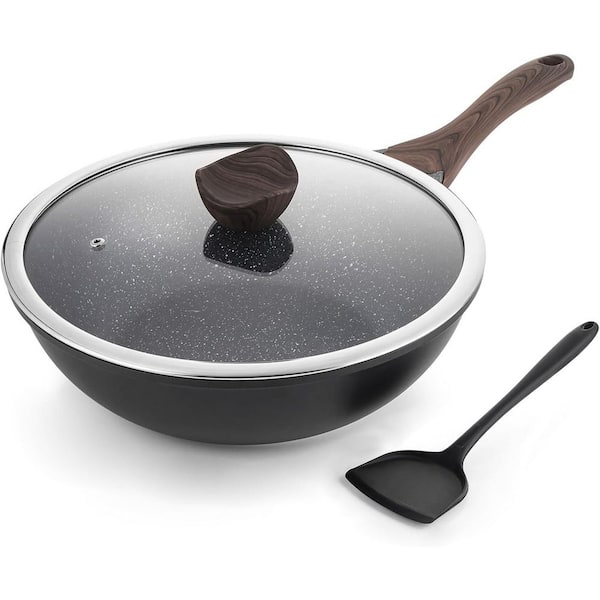
Always use wood, plastic, or silicone utensils. Metal spoons and spatulas can scratch and ruin the coating.
Avoid High Heat
Granite stone pans heat up quickly. Use medium or low heat to protect the nonstick surface.
Store Carefully
Stack pans with a soft cloth or paper towel between them. Hanging pans is also a good option if you have space.
Don’t Use Nonstick Spray
Many people use aerosol nonstick sprays, but these can leave a sticky film that’s hard to clean. Use a small amount of regular oil or butter instead.
Check Manufacturer Instructions
Every brand is slightly different. Read the care guide that comes with your cookware. If you lost it, check the manufacturer’s website.
Granite Stone Cookware Cleaning: Myths Vs. Facts
There’s a lot of confusion about how to clean granite stone cookware. Let’s clear up some myths.
| Myth | Fact |
|---|---|
| Granite stone cookware is indestructible | It’s tough, but can be damaged by rough cleaning or high heat |
| Dishwasher is always safe | Dishwasher use can reduce lifespan; hand washing is better |
| Baking soda is too harsh | Baking soda is gentle and safe for nonstick coatings |
| You need special cleaners | Mild dish soap and baking soda are enough for most cleaning |
| Oil is not needed on nonstick pans | Occasional oiling helps maintain the nonstick surface |
Environmental Impact: Cleaning Products And Granite Stone Cookware
Many people don’t think about the impact of their cleaning choices. Using harsh chemicals can harm the environment and your health. Mild dish soap and baking soda are not only safe for your cookware, but also better for the planet.
If you want to be even more eco-friendly:
- Choose biodegradable dish soaps.
- Use reusable sponges or cloths.
- Avoid single-use wipes or paper towels when possible.
Credit: www.homedepot.com
What If The Nonstick Coating Starts To Peel?
If you notice the nonstick coating is peeling or flaking, stop using the pan. Peeling means the pan is no longer safe. You cannot repair this at home. It’s time to replace the cookware. Using a damaged pan can lead to bits of coating in your food, which is not healthy.
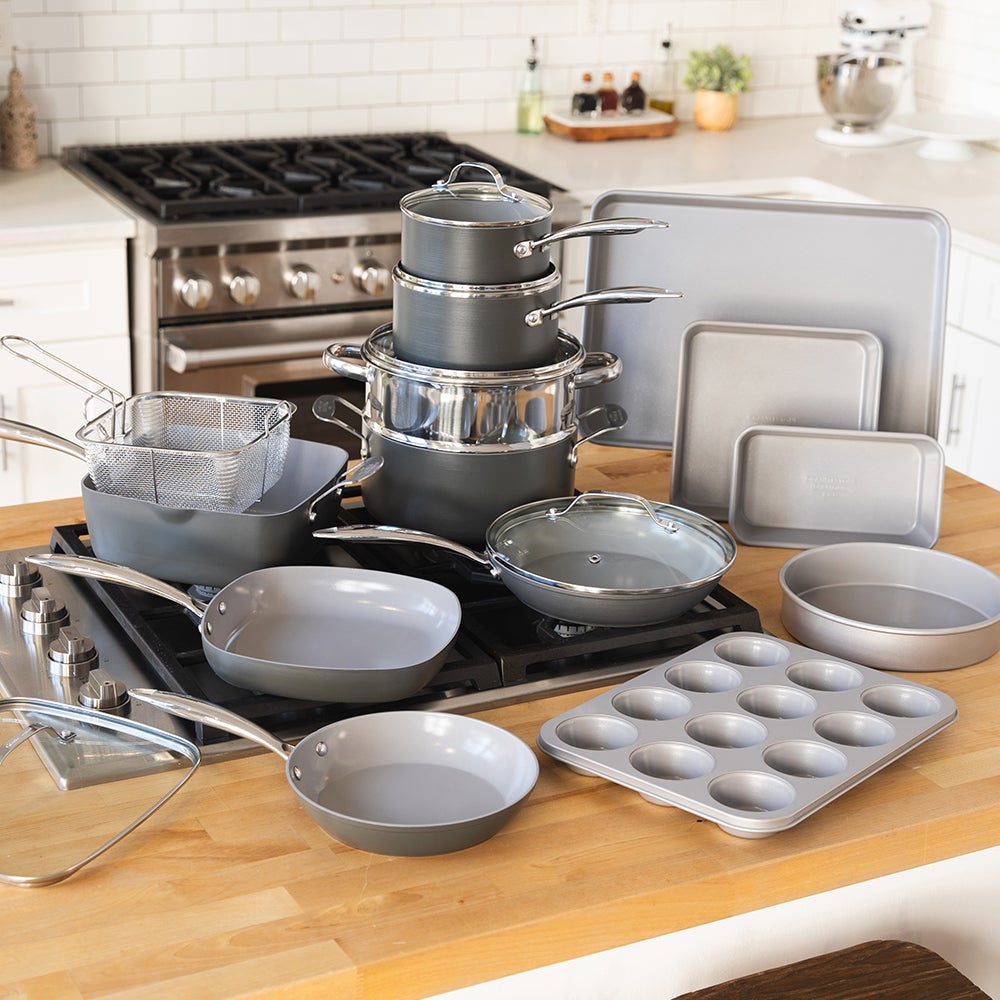
How To Store Granite Stone Cookware For Longevity
Proper storage can prevent scratches and damage. Here are some ideas:
- Hang pans on hooks with enough space between them.
- If you stack them, always place a paper towel or soft cloth between each piece.
- Store lids separately to avoid chipping the rim of the cookware.
Credit: granitestone.com
How To Clean Granite Stone Bakeware
Granite stone is also used for baking trays and dishes. The cleaning steps are similar, but here are a few extras:
- Let bakeware cool fully before cleaning.
- Use a soft sponge and mild soap.
- For baked-on stains, use baking soda paste as described earlier.
- Dry thoroughly before storing.
Avoid using sharp knives or pizza cutters directly on the surface.
When To Replace Granite Stone Cookware
No cookware lasts forever. Signs it’s time for a new pan:
- Surface is badly scratched or peeling.
- Nonstick effect is completely gone, even after oiling.
- Warping makes the pan unstable on the stove.
Regular cleaning and careful use can make granite stone pans last 3-5 years or more, but they are not permanent.
Real-life Example: Saving An Old Granite Stone Pan
A home cook noticed her favorite granite stone skillet was getting sticky and stained. She almost threw it out, but decided to try deep cleaning:
- She let the pan cool, washed with mild soap, and made a baking soda paste.
- After letting the paste sit for 30 minutes, she scrubbed gently with a soft sponge.
- She rinsed, dried, and wiped the pan with a little vegetable oil.
The nonstick effect was back, and the pan looked almost new. This shows that with the right care, you can often restore granite stone cookware instead of replacing it.
Where To Learn More
For more in-depth information about cookware care, visit the official Wikipedia cookware and bakeware page. This resource offers facts, history, and care tips for many types of cookware.
Frequently Asked Questions
How Do I Know If My Granite Stone Pan Is Safe To Use?
Check for signs like peeling coating, deep scratches, or warping. If the nonstick layer is coming off or the pan is no longer flat, it’s time to replace it. A safe pan should have a smooth, even surface and no flaking.
Can I Use My Granite Stone Cookware In The Oven?
Most granite stone cookware is oven safe up to a certain temperature (often 350–500°F). Always check the manufacturer’s instructions to be sure. Never use on the broiler setting, as high heat can damage the coating.
Is It Safe To Use Metal Utensils On Granite Stone Pans?
No. Metal utensils can scratch or chip the nonstick coating. Always use wooden, plastic, or silicone tools to protect your cookware.
What Should I Do If Food Burns Onto My Granite Stone Pan?
Soak the pan in warm, soapy water for 30–60 minutes. Use a plastic scraper and a soft sponge with baking soda paste to gently remove burnt bits. Never use harsh scrubbers or sharp tools.
Can I Season Granite Stone Cookware Like Cast Iron?
Granite stone pans don’t need regular seasoning like cast iron, but occasionally rubbing a little oil on the surface (after cleaning) can help maintain the nonstick effect.
Caring for your granite stone cookware doesn’t take much time, but it does require the right approach. By cleaning, storing, and using your pans properly, you’ll enjoy easy cooking and long-lasting performance. With these tips, you can keep your granite stone cookware looking and working like new for many meals to come.