
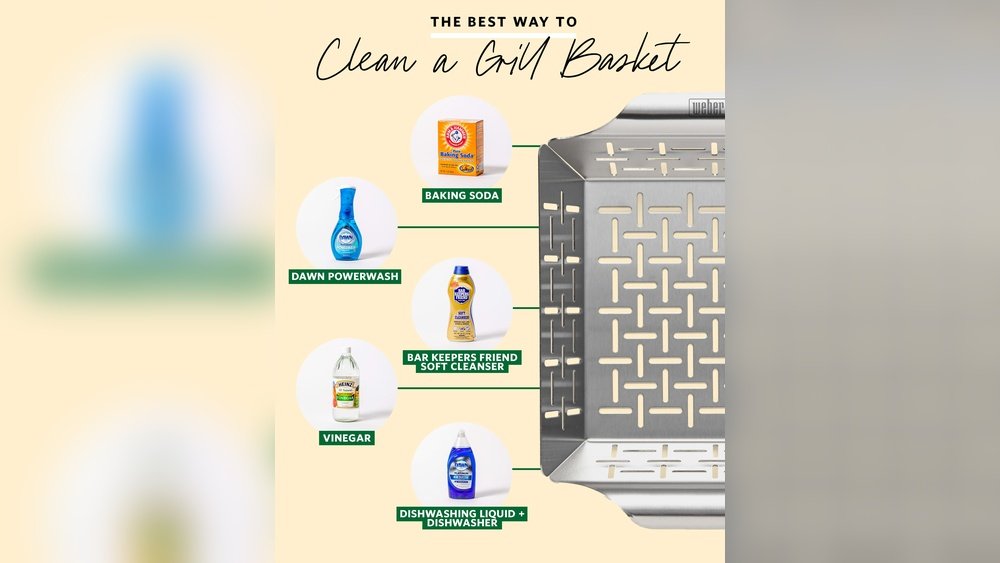
Cleaning your grill basket may seem simple, but doing it right can be the difference between delicious food and a frustrating grill experience. Many people give their baskets a quick scrub and call it a day, but leftover grease and burnt-on bits can ruin flavors, invite rust, and shorten the life of your basket.
Whether you’re grilling vegetables, fish, or meat, a clean basket ensures your food tastes fresh and your equipment lasts longer. Let’s explore the best ways to clean a grill basket, what products to use (or avoid), and tips for keeping your grilling gear in top shape.
Why Cleaning Your Grill Basket Matters
A grill basket is exposed to high heat, oil, and sticky marinades. Food particles and grease can get stuck in the mesh or holes, making cleaning harder if you wait too long. Besides hygiene, a clean basket prevents old flavors from sticking to your next meal. Over time, carbon buildup can even damage the basket or cause flare-ups. Clean tools last longer, work better, and keep your grilling safe and tasty.
When you don’t clean your grill basket, old food debris can burn again the next time you cook. This not only adds a bitter, unpleasant flavor to your fresh food but can also create smoke that isn’t healthy to breathe in.
Bits of burnt food left behind may also stick to your next batch of vegetables or meat, making them look and taste unappetizing. Even worse, grease and food residue are a magnet for bacteria and mold if you store your basket without cleaning it.
This can lead to food safety problems, especially if you store your grill gear outdoors or in humid conditions.
Another thing many people miss is how a dirty basket affects the performance of your grill. Excess grease and burnt particles can cause flare-ups—small fires that can burn your food and make your grill harder to control. Over time, this buildup also makes your basket less nonstick, so food is more likely to tear or break apart when you try to remove it.
Understanding Different Grill Basket Materials
Not all grill baskets are created equal. The material affects how you clean it and what cleaning tools you can use.
| Material | Common Features | Cleaning Tips |
|---|---|---|
| Stainless Steel | Rust-resistant, durable | Can handle scrubbing, dishwasher-safe |
| Nonstick Coated | Easy food release, delicate | No abrasive scrubbers, gentle soap |
| Chrome-Plated | Shiny, affordable | Soft sponge, avoid harsh chemicals |
| Cast Iron | Heavy, heats evenly | No soaking, keep dry to avoid rust |
Non-obvious insight: Some grill baskets have wooden or silicone handles. These parts can be damaged by soaking or harsh chemicals, so always check before you clean.
Material matters not just for cleaning, but for cooking, too. For example, cast iron retains heat very well, but it’s heavy and rusts easily if not cared for. Nonstick baskets are easy for delicate foods like fish, but their coating can wear off if you use the wrong brush.
Stainless steel is a favorite for many people because it’s tough and can survive both high heat and scrubbing—just remember, it’s not completely immune to rust, especially if left wet. Chrome-plated baskets look shiny, but the chrome layer can wear down with strong chemicals, exposing metal underneath that can rust.
If you’re not sure what your basket is made from, check the packaging or manufacturer’s website. Taking a few minutes to identify the material saves a lot of trouble and avoids accidental damage.
What You Need For Cleaning
Gathering the right tools first makes the job easier and faster. Here’s what you’ll need for most grill baskets:
- Mild dish soap
- Warm water
- Sponge or soft cloth
- Grill brush (brass or nylon bristles)
- Baking soda
- White vinegar
- Paper towels or a clean rag
- Gloves (optional, but helpful for greasy messes)
- Toothpicks or a small brush (for corners and mesh)
For nonstick or coated baskets, avoid steel wool or metal brushes as these can damage the surface.
Non-obvious insight: Toothpicks or old toothbrushes are perfect for cleaning between wires or in basket corners where food can hide. Many people forget these tools, but they save time and effort.
Having everything ready before you start means you won’t have to hunt for supplies mid-clean. If you grill a lot, keep a small cleaning kit near your grill area. This makes it simple to clean up right after cooking, when food comes off more easily.
Step-by-step: How To Clean A Grill Basket
Cleaning a grill basket is best done soon after grilling, while the basket is still warm (not hot). Follow these steps for a thorough clean.
1. Let The Basket Cool Slightly
Never try to clean a hot basket. Wait until it’s warm enough to handle but not so cold that the grease hardens. If you wait too long, stuck-on food becomes harder to remove.
If you’re in a hurry, set the basket on a heat-safe surface and fan it gently, or run cool water nearby to bring the temperature down faster (but never put a very hot basket directly in cold water—it can warp or damage the basket).
2. Remove Loose Debris
Tap the basket gently over the trash or sink. Use a grill brush or paper towel to wipe off large food particles. For mesh baskets, a quick shake helps dislodge bits stuck in the holes.
If pieces are really stuck, use a plastic scraper or the edge of a wooden spoon. Avoid using knives or metal tools, as these can scratch or bend the basket, especially if it’s coated.
3. Soak In Warm, Soapy Water
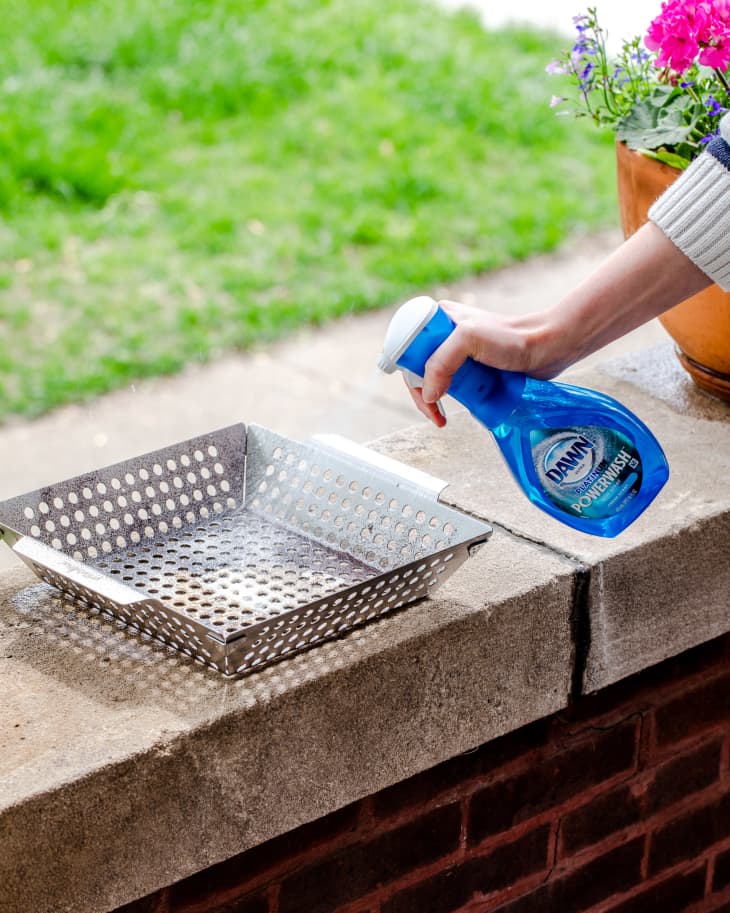
Fill your sink or a large tub with warm water and a few drops of dish soap. Submerge the basket for 15–30 minutes. This softens baked-on grease and helps food particles release.
Pro tip: For tough messes, add a tablespoon of baking soda to the soak. Baking soda helps break down grease without harsh chemicals.
If you don’t have a tub big enough, try using a large plastic bag. Add soapy water and the basket, seal it, and let it soak flat. This is handy for those with smaller sinks.
4. Scrub Away Residue
Use a sponge, soft cloth, or nylon brush to scrub the basket. Work in circles and pay attention to corners and mesh edges. For stubborn spots, dip your brush in baking soda and gently scrub.
Important: For nonstick or coated baskets, use only non-abrasive tools. Scratching the surface can ruin the nonstick layer and make cleaning harder in the future.
For mesh baskets, sometimes food gets stuck inside the wires. Use a toothpick or old toothbrush to loosen these bits. Take your time here—rushing leads to missed spots and a less clean basket.
5. Rinse And Inspect
Rinse the basket with warm water to remove soap and debris. Check for any missed spots. If needed, repeat the soak and scrub steps for tough buildup.
Pay close attention to the corners and where the handles meet the basket. These are common spots for grease to hide. Hold the basket up to the light to check for any shiny or sticky spots that you may have missed.
6. Dry Completely
Moisture can cause rust, especially on steel or cast iron. Dry your basket with a towel, then let it air dry completely before storing. For cast iron, wipe with a tiny bit of vegetable oil to prevent rust.
If you live in a humid area, consider placing the basket in a warm oven (about 200°F/90°C) for 10 minutes to make sure all moisture is gone. This extra step is especially important for cast iron or if you don’t use your basket very often.
7. Reassemble And Store
If your grill basket has removable handles, attach them once everything is dry. Store the basket in a dry spot, away from moisture and humidity.
Many people forget to clean and dry the handle attachments, which can trap grease and moisture, leading to hidden rust or odors.
Deep Cleaning For Burnt-on Messes
Sometimes, regular cleaning isn’t enough. If you have tough, burnt-on food or grease that won’t come off, use these deep cleaning methods.
Baking Soda Paste
Mix three parts baking soda with one part water to make a thick paste. Spread it on stubborn areas and let it sit for 15–20 minutes. Scrub with a brush, then rinse.
This method is gentle but surprisingly effective. Baking soda is a mild abrasive, so it lifts food without scratching most surfaces. For really tough spots, repeat the process, or cover the paste with a damp cloth to keep it moist longer.
Vinegar Soak
For heavy carbon buildup, fill a tub with equal parts white vinegar and water. Soak the basket for 1–2 hours. The acid in vinegar helps loosen carbon and grease. Scrub and rinse well afterward.
If you’re sensitive to strong smells, open a window or clean outside. Vinegar’s scent fades after rinsing, but it’s quite strong during soaking.
Grill Brush And Heat Method
Preheat your grill to high. Put the empty basket on the grill for 10–15 minutes. The heat burns off food residue, making it easier to brush away with a brass or nylon brush. Let the basket cool before handling.
Non-obvious insight: Don’t use this high-heat method for nonstick or coated baskets. The intense heat can damage the finish.
A small detail: after using the high-heat method, some baskets may develop a brownish tint. This is normal for stainless steel, but if you prefer a shiny look, polish it with a baking soda paste after it cools.
Cleaning Grill Basket Types: Special Considerations
Each basket material has unique care needs. Let’s look at specific tips for each type.
Stainless Steel
Stainless steel handles scrubbing and soaking well. For best results, clean soon after grilling. If you notice discoloration (rainbow colors), rub with a paste of baking soda and water. Avoid bleach, as it can pit the surface.
If you find stubborn blue or gold stains (from high heat), try a little vinegar on a soft cloth. For stains that won’t budge, don’t worry—these are only cosmetic and don’t affect performance.
Nonstick Or Coated
Never use metal brushes or abrasive cleaners. Hand wash only, even if the label says dishwasher safe. Prolonged soaking can loosen the coating. Dry immediately to prevent peeling.
If food sticks often, the coating may be wearing out. Try using more oil when cooking, or consider replacing the basket if cleaning becomes difficult.
Chrome-plated
Gentle cleaning is key. Avoid acidic cleaners (like pure vinegar) as they can strip the chrome. If you see rust spots, use a soft brush and baking soda paste.
If chrome starts to peel, stop using the basket. Exposed metal rusts quickly and can flake into your food.
Cast Iron
Never soak cast iron for long periods. Wash with hot water and a brush while still warm. Dry immediately and rub with a little oil to keep the surface seasoned and rust-free.
If your basket loses its nonstick “seasoning,” coat it with oil and bake at 350°F (175°C) for an hour, then let cool. This protects the surface from rust and sticking.

Credit: www.amazon.com
Can You Put A Grill Basket In The Dishwasher?
Many baskets are labeled dishwasher safe, but this isn’t always the best option. High heat and strong detergents can damage coatings, fade colors, or loosen screws and handles. Stainless steel baskets handle dishwashers well, but always check the manufacturer’s instructions.
For nonstick, chrome, or wood-handled baskets, hand washing is safer.
Remember, even if the main body is dishwasher safe, handles or attachments might not be. Some baskets have rubber, wood, or silicone parts that degrade in the dishwasher. If you want your basket to last, hand washing is usually best.
How Often Should You Clean Your Grill Basket?
Ideally, clean your basket after every use. This prevents buildup and keeps your food tasting fresh. For heavy grilling sessions, a quick brush between batches helps prevent sticking and mixing flavors.
If you use your grill basket only a few times a year, check it before each use. Sometimes rust or dust can collect during storage, so a quick wash ensures it’s safe to use.
Common Mistakes To Avoid
Even experienced grillers make mistakes. Here are some to watch out for:
- Letting debris sit overnight: Dried food is much harder to remove, and grease can go rancid.
- Using harsh chemicals: These can damage coatings and leave residue that affects food.
- Ignoring the handles: Grease and food can collect around rivets and screws, causing rust or odor.
- Skipping drying: Moisture is the enemy of all metal baskets, especially in humid climates.
- Using the wrong brush: Steel brushes scratch nonstick surfaces and shorten basket life.
Another common mistake: stacking damp baskets inside each other. This traps moisture and speeds up rust. Always let baskets dry fully before stacking or storing.
Quick Cleaning Between Batches
If you’re grilling several rounds, quick cleaning keeps food flavors pure. Here’s how:
- Use a grill brush to wipe the basket while it’s still hot (with heat-resistant gloves).
- Wipe with a damp cloth, then dry with a paper towel.
- For sticky marinades, dip the basket briefly in hot water and wipe clean.
If you’re grilling delicate foods like fish, even a quick rinse with hot water between batches can prevent flavors from mixing and stop sticking.
Storing Your Grill Basket
Proper storage keeps your basket ready for the next BBQ.
- Store in a dry, cool place.
- Hang on a hook to avoid scratches.
- For cast iron, wrap in paper to absorb moisture.
- Avoid storing in the grill, where moisture can collect.
If space is tight, a cloth bag or pillowcase works well to keep dust off. For long-term storage, especially in damp climates, add a small bag of rice or silica gel to absorb moisture.
Comparing Cleaning Methods
Here’s a side-by-side look at common cleaning methods and their pros and cons.
| Method | Best For | Pros | Cons |
|---|---|---|---|
| Soak & Scrub | All materials (except cast iron) | Simple, effective, cheap | Time-consuming for heavy messes |
| Baking Soda Paste | Stubborn spots | Natural, safe, no odor | May require several applications |
| Vinegar Soak | Carbon buildup | Powerful, inexpensive | Can damage chrome or coatings |
| Dishwasher | Stainless steel | Hands-free, convenient | Risky for nonstick or wood |
| High Heat Burnoff | Stainless steel, cast iron | Quick, no chemicals | Not for coated baskets |
One detail people miss: even with the best method, sometimes you need to mix techniques. For example, use a heat burnoff, then a baking soda scrub for a truly clean basket.
Natural Cleaning Alternatives
You don’t need harsh chemicals for a clean basket. Here are some natural options:
- Lemon juice: The acid in lemon helps break down grease. Rub half a lemon over the basket before scrubbing.
- Salt: Sprinkle coarse salt on a damp sponge for gentle scouring.
- Baking soda and vinegar: Combines fizz to loosen stuck-on bits, but don’t use on chrome-plated baskets.
For an extra cleaning boost, heat the basket slightly before using lemon or salt. Warm surfaces help loosen stuck bits, making natural cleaners more effective.
When To Replace Your Grill Basket
Even with good cleaning, baskets wear out. Replace your basket if you notice:
- Deep rust that doesn’t scrub off
- Flaking nonstick or coating
- Broken or loose mesh
- Warped shape that doesn’t fit your grill
Using a damaged basket is unsafe and can ruin your food.
It’s tempting to keep using a worn basket, but small flakes of coating or rust can end up in your food. If you’re unsure, err on the side of safety and buy a new one.

Credit: www.ebay.com
Grill Basket Maintenance Tips
Keeping your basket in top shape is about more than just cleaning. Here are some smart habits:
- Oil lightly before grilling: Prevents sticking and makes cleaning easier.
- Avoid metal utensils: These can scratch coatings and mesh.
- Clean immediately after use: Makes the job faster and prevents smells.
- Check for wear: Inspect before grilling to avoid surprises.
- Re-season cast iron: After cleaning, wipe with oil and heat to maintain the surface.
Also, consider using grill mats or foil for foods that are especially sticky or messy. This protects your basket and makes cleanup even easier.
Grilling Smarter: Cleaning Between Grilling Sessions
If you grill often, a little extra care saves time later. After each grilling session, do a quick clean, even if you plan to deep-clean later. Wipe away grease, soak for a few minutes, and let air dry. This prevents buildup that can become almost impossible to remove after several uses.
For frequent grillers, a routine is key. Make it a habit to clean your basket right after eating—when the meal is done, but before the food has dried on. Over time, this saves hours of scrubbing.
The Environmental Impact Of Grill Basket Cleaning
It’s easy to forget, but the products you use for cleaning also affect the environment. Choose biodegradable soaps and limit harsh chemicals. Baking soda and vinegar are safe for most surfaces and won’t pollute water systems.
Pro tip: Save water by filling a small tub instead of running the tap. Use leftover soapy water to pre-soak other grill tools.
If you want to go further, look for natural fiber brushes and sponges. These break down more easily than synthetic ones, reducing waste.
Frequently Asked Questions
How Do I Remove Rust From My Grill Basket?
For light rust, scrub with a paste of baking soda and water, then rinse and dry. For tougher rust, use white vinegar or a commercial rust remover. If the rust is deep or the coating is flaking, it’s safer to replace the basket.
Can I Use Oven Cleaner On My Grill Basket?
It’s best to avoid oven cleaner unless the basket is stainless steel and not coated. Oven cleaners are powerful but can leave residue and damage nonstick or chrome surfaces. Always rinse thoroughly if you try this method.
Is It Safe To Clean My Grill Basket With Steel Wool?
Steel wool is too abrasive for most baskets, especially nonstick or chrome-plated ones. For stainless steel, you can use fine steel wool, but only for stubborn spots and not regularly. Nylon or brass brushes are safer options.
What If My Basket Has Burnt-on Food That Won’t Come Off?
Try a baking soda paste or vinegar soak. If the basket is stainless steel or cast iron, you can also use the high-heat burnoff method. For coated baskets, stick to gentle soaking and scrubbing with non-abrasive tools.
Where Can I Find More Information About Grill Care?
For more grilling tips and equipment care, check resources like Serious Eats, which offers expert advice on all things grilling.
Cleaning your grill basket well takes a little extra effort, but it pays off in better-tasting food and longer-lasting tools. With the right approach, cleaning becomes simple, quick, and almost automatic. The next time you grill, you’ll be glad you took the time to do it right.
Happy grilling!
Credit: www.thekitchn.com