
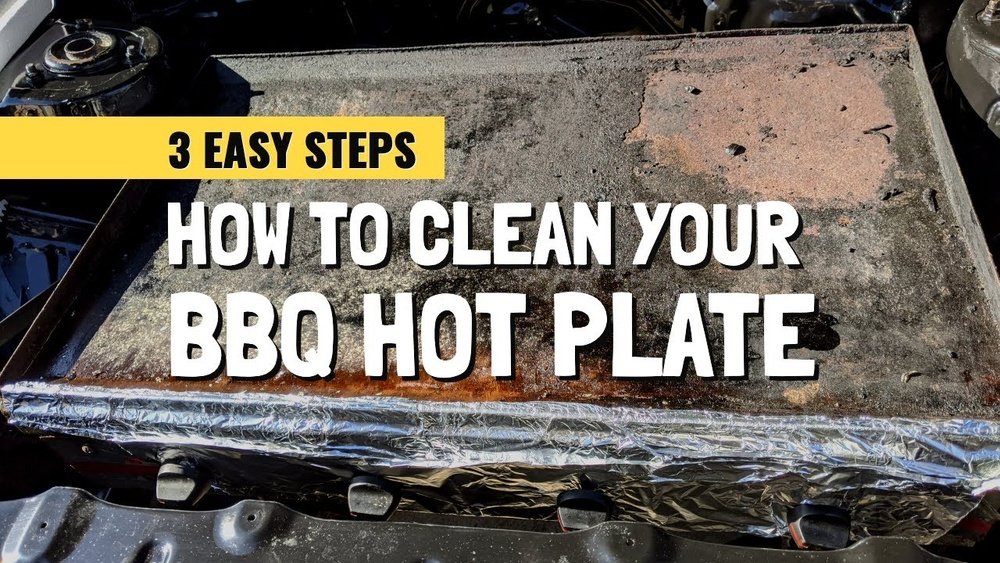
Cleaning a hot plate BBQ may look simple at first glance, but doing it right takes more than just a quick wipe. If you love grilling, you know how quickly food particles, grease, and burnt bits can build up. A dirty BBQ not only spoils the taste of your food but can also be a health risk.
Sometimes, cleaning feels like a chore you’d rather skip. But with the right method, you can keep your hot plate BBQ spotless, make it last longer, and enjoy tastier meals. This guide breaks down everything you need to know, from quick daily cleaning to deep cleaning, plus tricks even experienced grillers often overlook.
Why Cleaning Your Hot Plate Bbq Matters
Grilling is supposed to be fun, but a dirty hot plate BBQ can ruin the experience. Here’s why proper cleaning is important:
- Food safety: Old grease and bits of food can attract bacteria. These germs can end up on your fresh food.
- Better taste: Burnt leftovers from last time will stick to your new food, giving it a bitter taste.
- Longer life: Grease and food particles can cause rust and damage. Regular cleaning protects your BBQ.
- Efficient cooking: A clean surface heats evenly, cooks better, and prevents flare-ups.
- Less smoke and smell: Built-up grease can create too much smoke and bad odors.
Many people only think about cleaning when the BBQ looks dirty. But regular cleaning after every use is the secret to easy maintenance and safe, delicious food.
Understanding Your Hot Plate Bbq
Before you start, it helps to know your BBQ’s parts. Most hot plate BBQs have:
- Hot plate or griddle: The flat metal surface where you cook.
- Drip tray: Collects grease and food bits.
- Burners: Under the hot plate, these heat the surface.
- Body/casing: The main structure.
Hot plates are usually made from cast iron, stainless steel, or enameled steel. Each material needs a different cleaning approach. Always check your BBQ’s manual for special instructions.
Essential Tools And Cleaning Supplies
Having the right tools makes cleaning faster and more effective. Here’s what you’ll need:
- Grill scraper or spatula: Removes large chunks and burnt food.
- Stiff-bristled brush: For scrubbing the plate surface.
- Non-scratch pad or sponge: For gentle cleaning.
- Mild dish soap: Cuts through grease.
- White vinegar: A natural degreaser.
- Baking soda: Helps with tough stains.
- Hot water: Loosens grime.
- Microfiber cloth or paper towels: For drying and wiping.
- Protective gloves: Keeps hands safe from hot surfaces and chemicals.
- Cooking oil: For seasoning after cleaning.
Tip: Avoid steel wool or harsh chemicals unless your BBQ’s manual says it’s safe. These can damage the surface.
Step-by-step: Daily Cleaning After Each Use
The easiest way to keep your BBQ clean is to do a quick cleaning after every use. It only takes a few minutes and saves you from tough scrubbing later.
1. Turn Off And Cool Down (but Not Completely)
After cooking, turn off the burners and let the BBQ cool for 5-10 minutes. The surface should still be warm—not hot—to make cleaning easier.
2. Scrape Off Food Residue
Use a grill scraper or spatula to push off large food bits and burnt pieces. Scrape from back to front, moving debris into the drip tray.
3. Wipe With A Damp Cloth
Dampen a microfiber cloth or paper towel with hot water. Wipe the plate to remove grease and small particles. For stubborn spots, use a non-scratch pad.
4. Clean The Drip Tray
Pull out the drip tray and empty the grease into a safe container (never down the sink). Wash the tray with warm, soapy water and let it dry.
5. Dry And Oil The Surface
Wipe the hot plate dry. When cool, rub a few drops of cooking oil on the surface to prevent rust. Use a clean paper towel to spread the oil evenly.
Deep Cleaning: Weekly Or Monthly Routine
Even with daily cleaning, grease and carbon can build up over time. A deep clean keeps your BBQ performing its best.
1. Disconnect And Cool
Make sure the BBQ is off, disconnected from power or gas, and completely cool before deep cleaning.
2. Remove The Hot Plate
If your model allows, lift out the hot plate for easier access. Place it on a safe, flat surface.
3. Soak The Plate
Fill a large tub or sink with hot, soapy water. Soak the plate for 20-30 minutes to loosen tough grime.
4. Scrub Thoroughly
Use a stiff brush or non-scratch pad to scrub away grease, focusing on corners and grooves. For stubborn spots, sprinkle baking soda on the plate and scrub with vinegar.
5. Clean The Burners And Body
Wipe down the burners (if exposed) with a damp cloth. Use a brush to remove any debris. Clean the BBQ’s body with a cloth and mild soapy water.
6. Rinse And Dry
Rinse all parts with clean water. Dry everything thoroughly to prevent rust.
7. Reassemble And Season
Once dry, put the BBQ back together. Coat the hot plate lightly with cooking oil before your next use.
Special Cleaning Methods By Material
Not all hot plates are the same. Cleaning the right way helps avoid damage.
Cast Iron Hot Plates
- Never soak cast iron for too long, or it may rust.
- Always dry immediately and apply a thin layer of oil after cleaning.
- Avoid acidic cleaners like vinegar for regular cleaning.
Stainless Steel Hot Plates
- Use baking soda and water paste for stubborn stains.
- Stainless steel is less likely to rust but still needs drying.
- Avoid steel wool, which can scratch the surface.
Enameled Steel Hot Plates
- Use only soft sponges or cloths to protect the coating.
- Never use abrasive cleaners or tools.
- Clean with mild soap and water.

Credit: www.youtube.com
Removing Stubborn Grease And Burnt-on Food
Sometimes, regular cleaning isn’t enough. Here’s how to tackle tough grime:
- Heat and Scrape: Warm the plate slightly, then scrape with a grill spatula.
- Baking Soda Paste: Mix baking soda with water to make a paste. Spread on sticky spots, let sit for 10 minutes, then scrub gently.
- Vinegar Steam: Pour equal parts water and vinegar on the plate, heat for a few minutes, then scrape and wipe.
- Commercial BBQ Cleaner: For serious build-up, use a cleaner made for BBQs. Rinse well after use.
Comparing Cleaning Methods
Here’s a look at the effectiveness, safety, and time needed for common cleaning methods:
| Cleaning Method | Effectiveness | Safe for All Surfaces? | Time Needed |
|---|---|---|---|
| Soapy Water & Brush | Good | Yes | 15-30 min |
| Baking Soda Paste | Very Good | Yes | 20-40 min |
| Vinegar Steam | Excellent | No (avoid on cast iron) | 10-20 min |
| Commercial Cleaner | Excellent | No (check manual) | 10-20 min |
Credit: www.thebbqstore.com.au
Cleaning The Rest Of Your Bbq
A clean hot plate is great, but don’t forget about the other parts. Here’s what else needs attention:
- Burners: Wipe with a damp cloth. Use a brush to clear clogged holes.
- Drip tray: Wash after every use to prevent grease fires.
- BBQ body and lid: Wipe with a damp cloth and mild soap.
- Control knobs: Remove (if possible) and wash with soapy water.
Tip: Check for spiders or insects inside the burners, especially if your BBQ sits unused for a while.
Seasoning Your Hot Plate Bbq
Seasoning isn’t just for cast iron skillets. It’s important for hot plate BBQs, too. Seasoning creates a non-stick surface and prevents rust.
How To Season Your Hot Plate
- Clean and dry the plate.
- Pour a few drops of cooking oil (like canola or sunflower) onto the surface.
- Use a paper towel to spread the oil thinly.
- Heat the BBQ for 10-15 minutes until the oil smokes slightly.
- Let cool, then wipe away extra oil.
Do this every few uses, especially after deep cleaning.
Common Mistakes To Avoid
It’s easy to make small errors that cause bigger problems. Here are some to watch for:
- Using too much water: Excess water, especially on cast iron, leads to rust.
- Skipping drying: Always dry after cleaning to stop rust and bacteria.
- Using harsh chemicals: These can damage the plate and leave harmful residues.
- Not cleaning drip trays: Full trays can cause dangerous grease fires.
- Ignoring the manual: Each BBQ can have special care instructions.
How Often Should You Clean?
How often you clean depends on how much you grill. Here’s a simple guide:
| Usage Frequency | Surface Clean | Deep Clean | Seasoning |
|---|---|---|---|
| After Every Use | Yes | No | Light |
| Weekly (Heavy Use) | Yes | Yes | Yes |
| Monthly (Light Use) | Yes | Yes | Yes |
Pro Tips For Easier Cleaning
Some tricks make BBQ cleaning faster and more effective:
- Preheat for 5 minutes before scraping—heat softens grease.
- Use lemon halves to scrub the plate. Natural acid helps clean and leaves a fresh smell.
- Cover with foil between uses to keep dust and bugs away.
- Store indoors or use a cover to prevent rust and dirt buildup.
Many grill owners forget to check under the hot plate. This area can collect more grease than you think and is a common source of flare-ups.
When To Replace Your Hot Plate Bbq
A well-cared-for hot plate can last for years. But sometimes, replacement is safer and smarter:
- Deep rust or pitting: Surface damage can’t be fixed with cleaning.
- Warped plate: Uneven heat makes cooking difficult.
- Cracks or holes: Dangerous and can’t be repaired.
- Broken drip tray: Can cause grease fires.
If you notice these problems, look for a replacement part from your BBQ’s manufacturer.
Environmental Considerations
Proper BBQ cleaning also means thinking about the environment:
- Never pour grease down the drain. It can block pipes and pollute water.
- Dispose of grease and food waste in the trash or compost.
- Use eco-friendly cleaners when possible—vinegar and baking soda are good options.
Reusing paper towels as grease wipes (before they’re too dirty) reduces waste. If you use disposable gloves, choose biodegradable types.
Safety Reminders
Cleaning a BBQ involves hot surfaces and sometimes strong cleaners. Here’s how to stay safe:
- Wear gloves to protect your hands.
- Let the BBQ cool before deep cleaning to avoid burns.
- Clean in a well-ventilated area if using chemical cleaners.
- Never use water on a hot plate—steam burns are a real risk.
Cost And Time Comparison: Diy Vs. Professional Cleaning
Is it worth paying for professional BBQ cleaning? Here’s a comparison:
| Method | Average Cost | Time Spent | Typical Results |
|---|---|---|---|
| DIY Cleaning | $5-$10 (supplies) | 30-60 min | Good to Excellent |
| Professional Service | $50-$150 | None (for you) | Excellent (inside and out) |
For most people, DIY cleaning is enough. But if your BBQ hasn’t been cleaned in years, hiring a pro can restore it to like-new condition.
Real-world Example: Cleaning A Hot Plate Bbq After A Big Cookout
Imagine you just hosted a party. The BBQ is covered with sticky sauce, burnt bits, and grease. Here’s how to bring it back to life:
- While still warm, scrape off as much as you can with a grill spatula.
- Let it cool, then remove the hot plate and soak in hot, soapy water.
- Scrub with a non-scratch pad and baking soda for tough spots.
- Clean the drip tray and burners with a brush.
- Rinse, dry, and coat the plate with oil.
- Reassemble, and your BBQ is ready for next time.
Most people skip cleaning when tired after a party. But even a quick scrape and wipe can save hours of work later.
What Beginners Often Miss
Even experienced grillers sometimes overlook these details:
- Seasoning is not optional: Regular oiling stops rust and improves flavor.
- Drip trays need attention: Full trays are a fire risk and harder to clean if left too long.
- Check for pests: Insects and spiders love greasy BBQs.
- Don’t forget the underside: Grease and crumbs build up underneath the plate.
- Replace worn tools: Old brushes and scrapers can scratch surfaces.
Paying attention to these points keeps your hot plate BBQ in top shape, even if you’re new to grilling.
Frequently Asked Questions
How Often Should I Deep Clean My Hot Plate Bbq?
Deep clean your hot plate BBQ at least once a month if you use it regularly. For heavy use, consider cleaning every week. Always do a quick clean after each grilling session to prevent buildup.
Can I Use Oven Cleaner On My Hot Plate Bbq?
It’s best to avoid oven cleaner unless your BBQ manual says it’s safe. Many oven cleaners are too harsh and can damage the hot plate or leave harmful residues.
What’s The Best Oil For Seasoning The Hot Plate?
Use a neutral, high-smoke-point oil like canola, sunflower, or grapeseed oil. These oils create a good non-stick layer and don’t burn easily.
How Do I Remove Rust From My Hot Plate Bbq?
To remove rust, scrub gently with a non-scratch pad and a paste of baking soda and water. Rinse, dry, and season with oil. If rust is deep or pitting, consider replacing the plate.
Where Can I Find More Tips On Bbq Care?
For more information, check resources like the Wikipedia Barbecue page for history, care tips, and safety information.
Keeping your hot plate BBQ clean doesn’t have to be hard or time-consuming. With the right tools and habits, you’ll enjoy better-tasting food, safer grilling, and a BBQ that lasts for years. Start today, and make BBQ cleaning part of your routine—you’ll taste the difference every time you grill.

Credit: www.bibliotecaoscura.com